1 January 1431 – 13 September 1506
Andrea Mantegna
Work
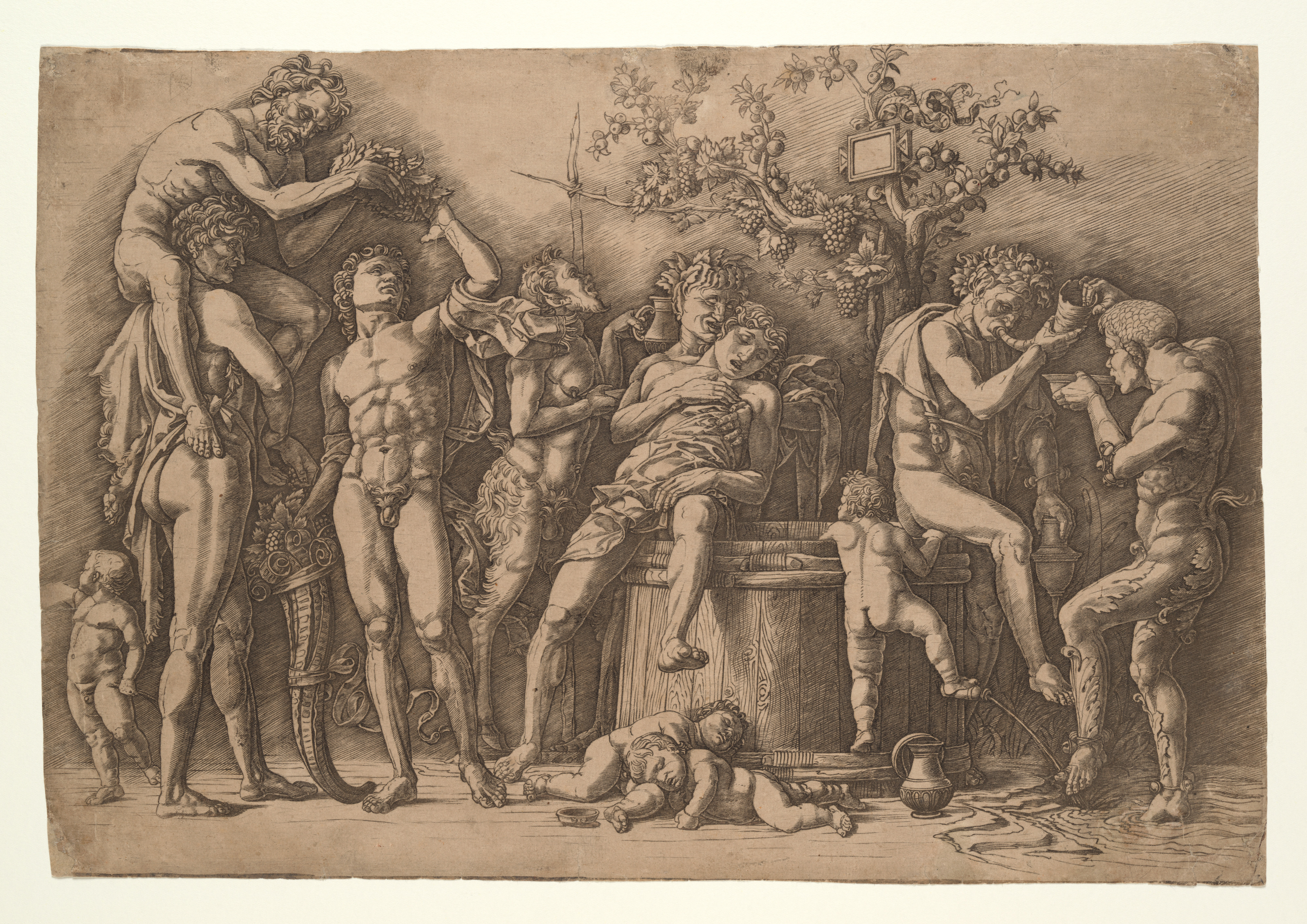
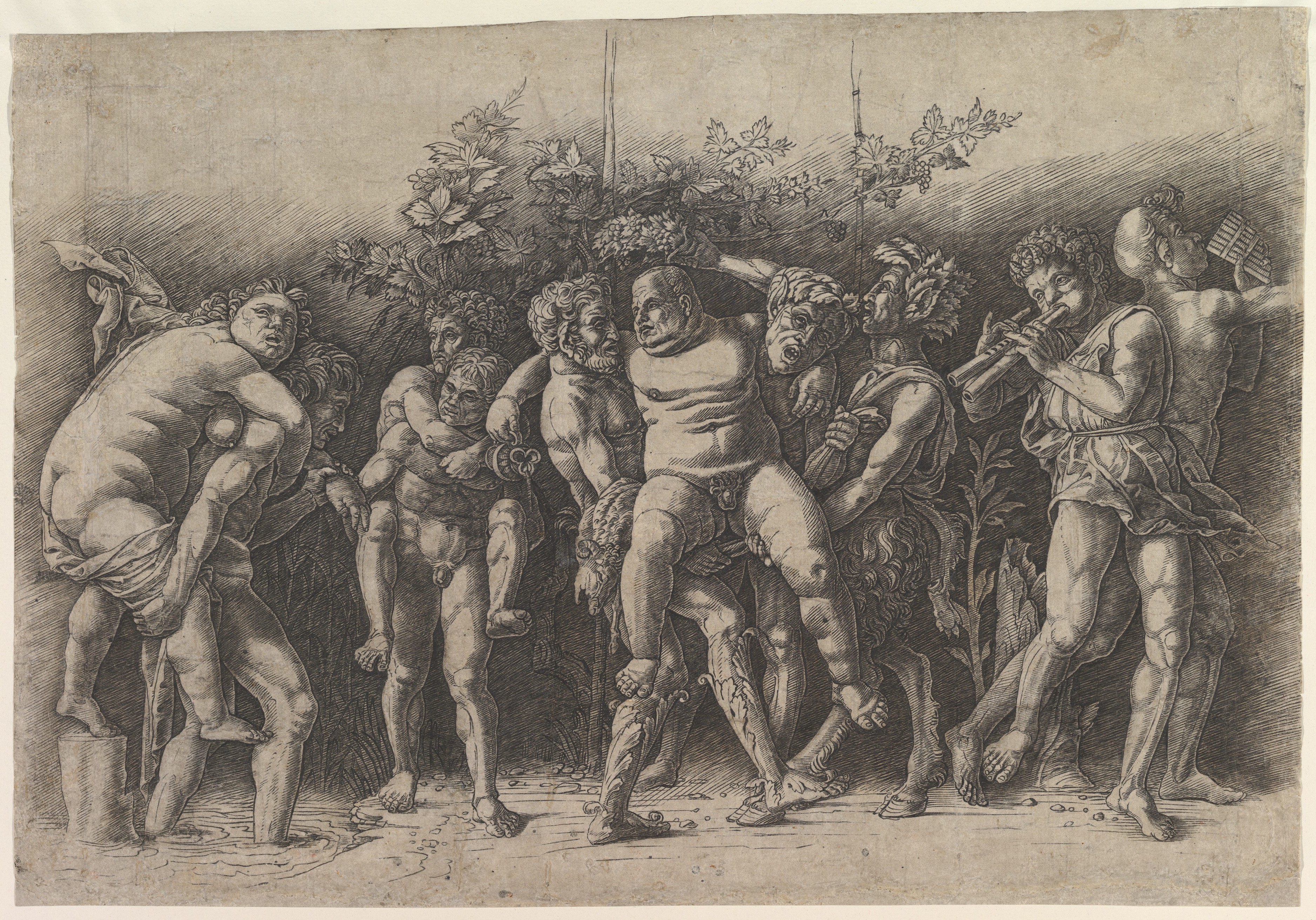
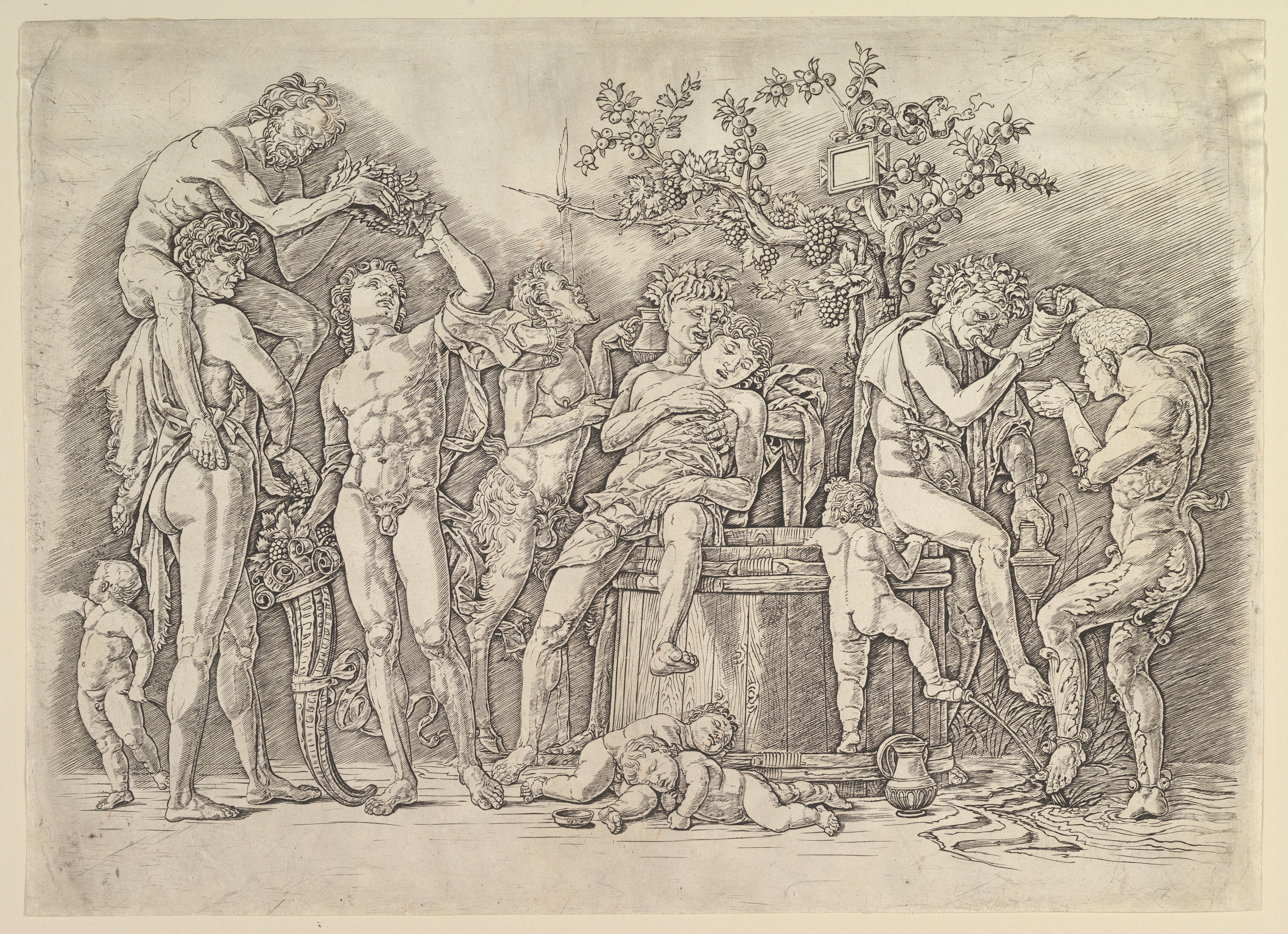
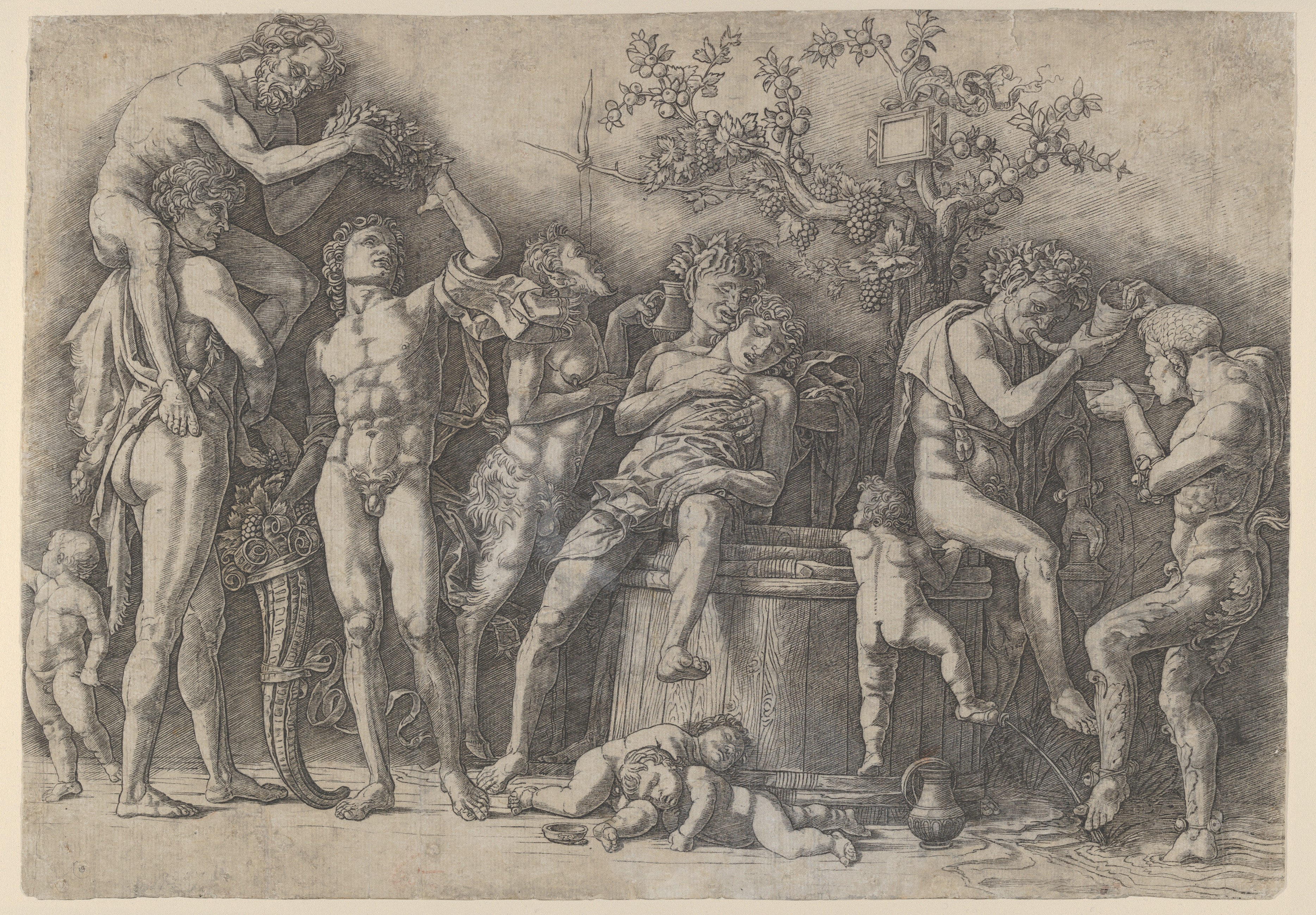
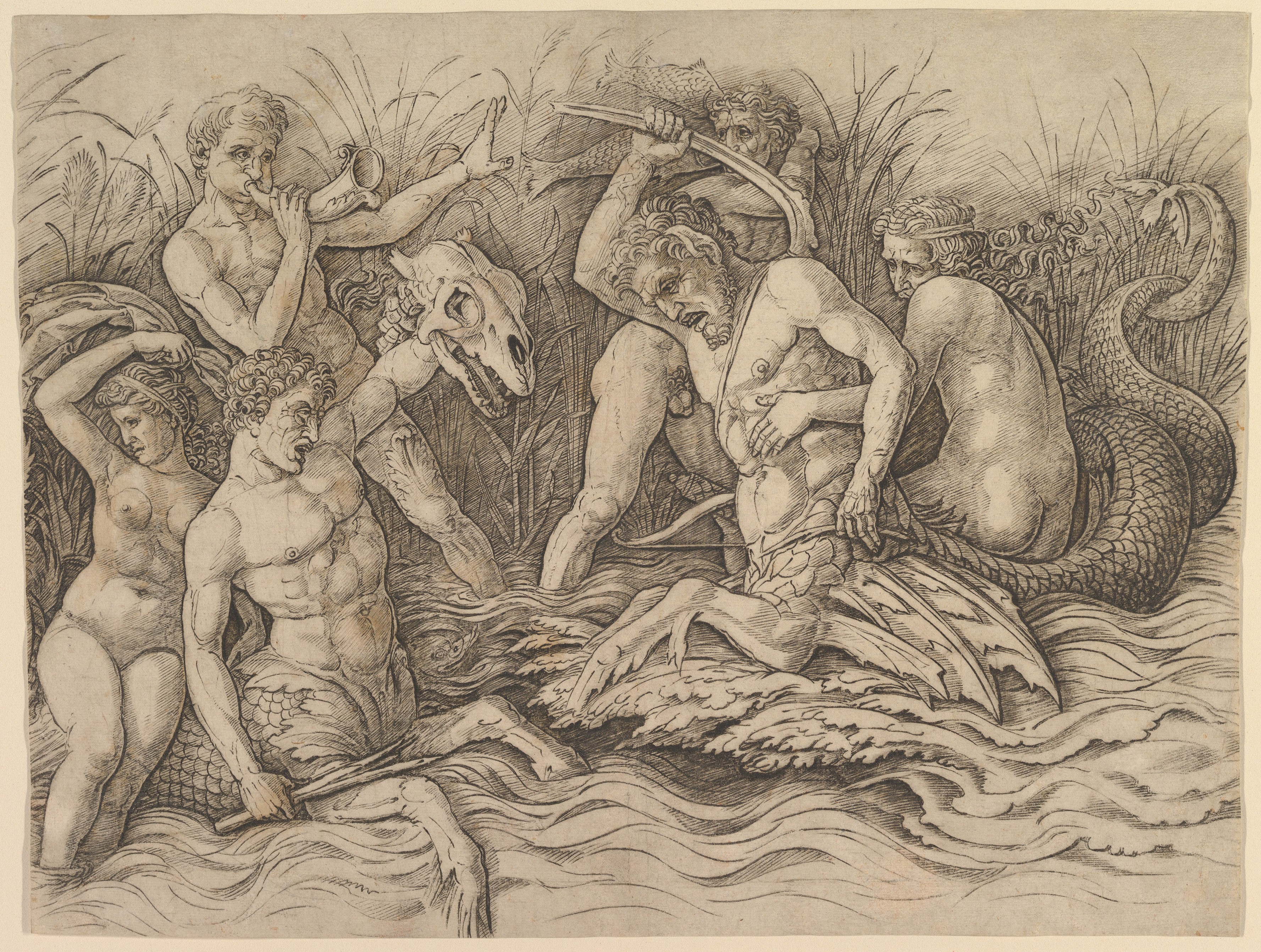
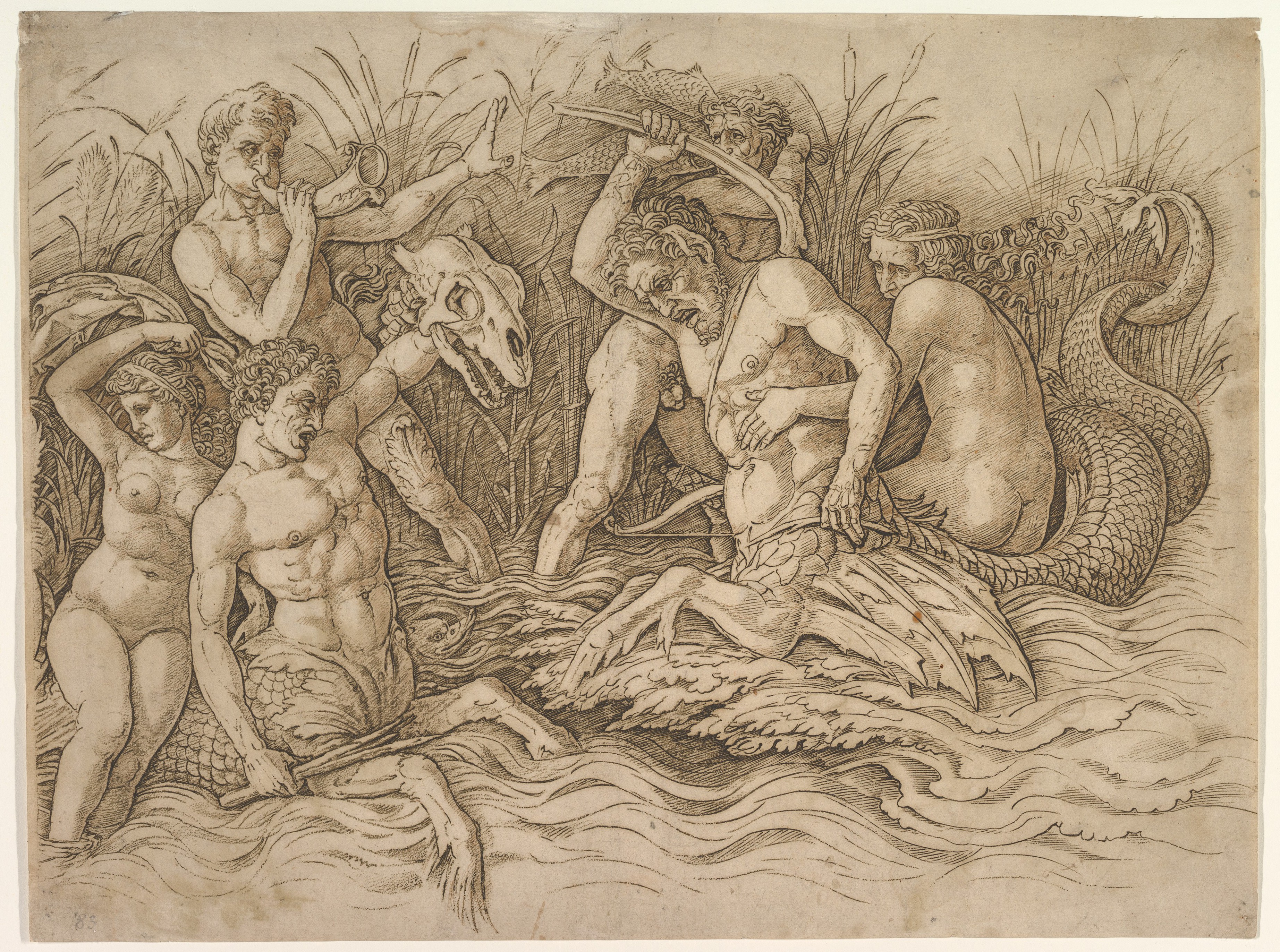
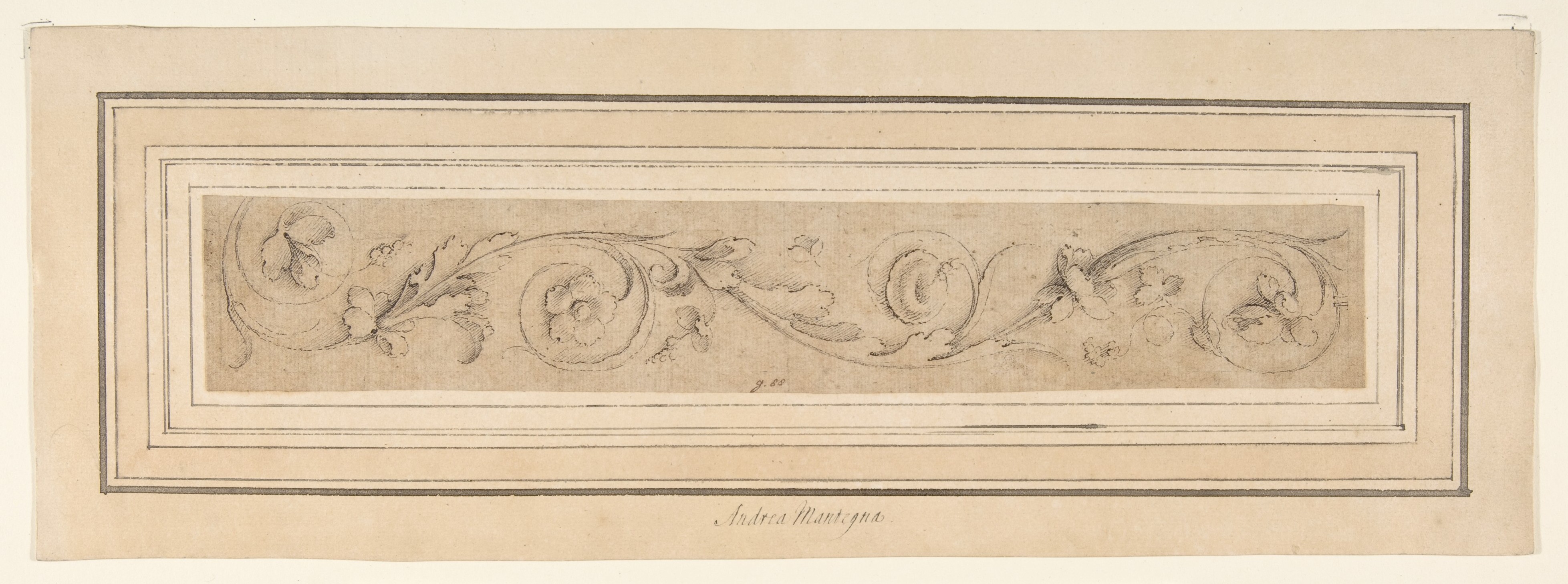
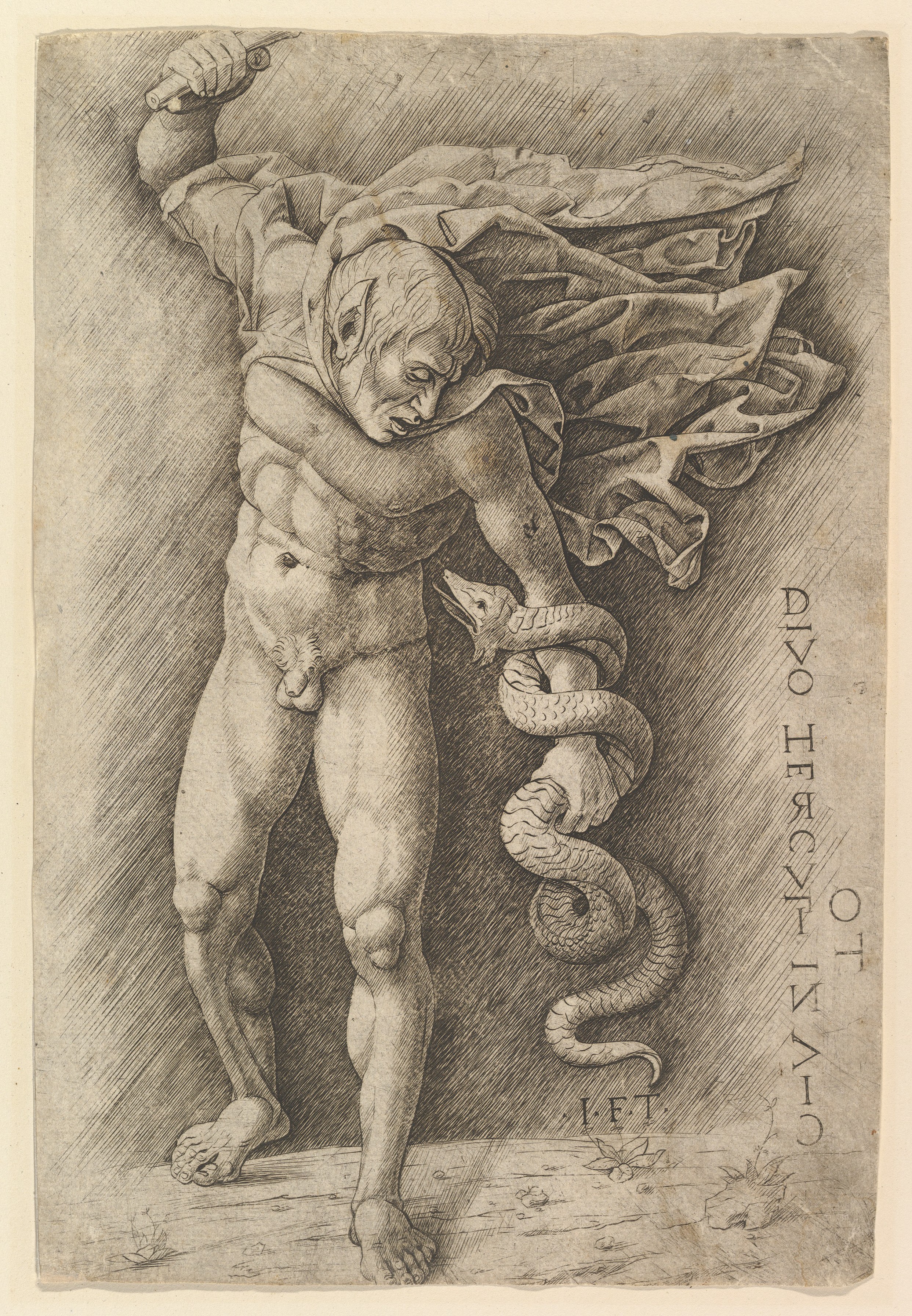
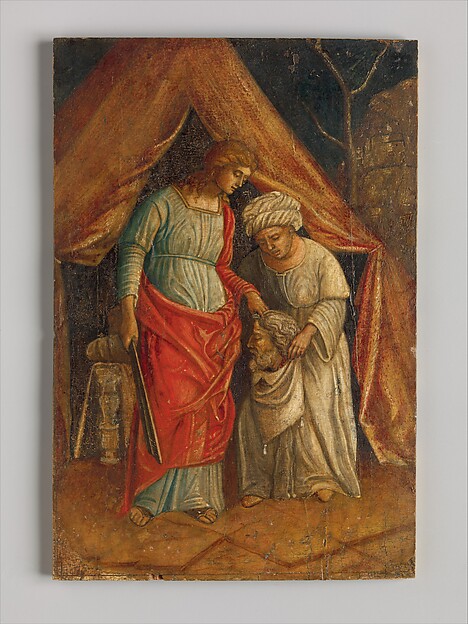
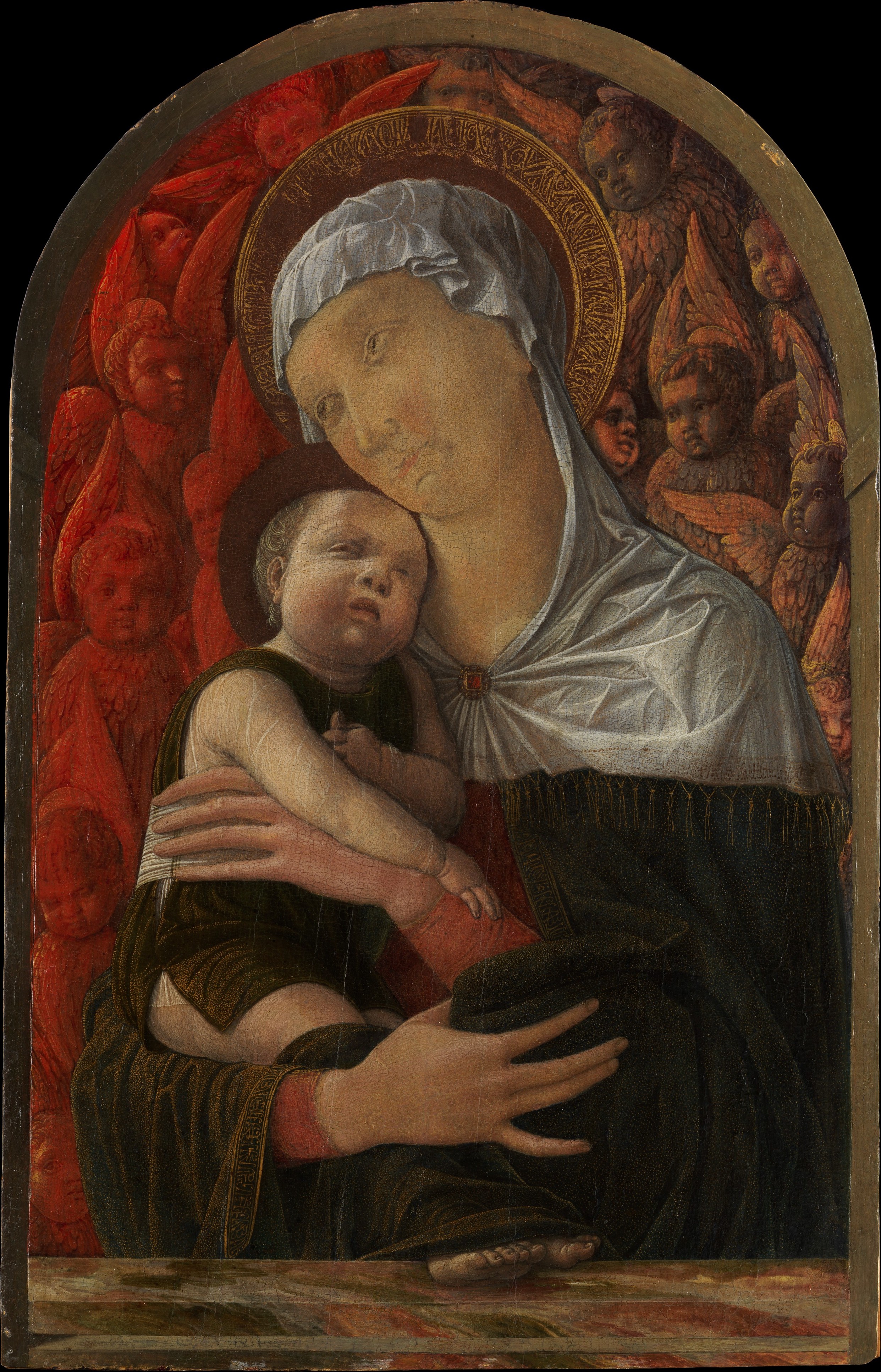
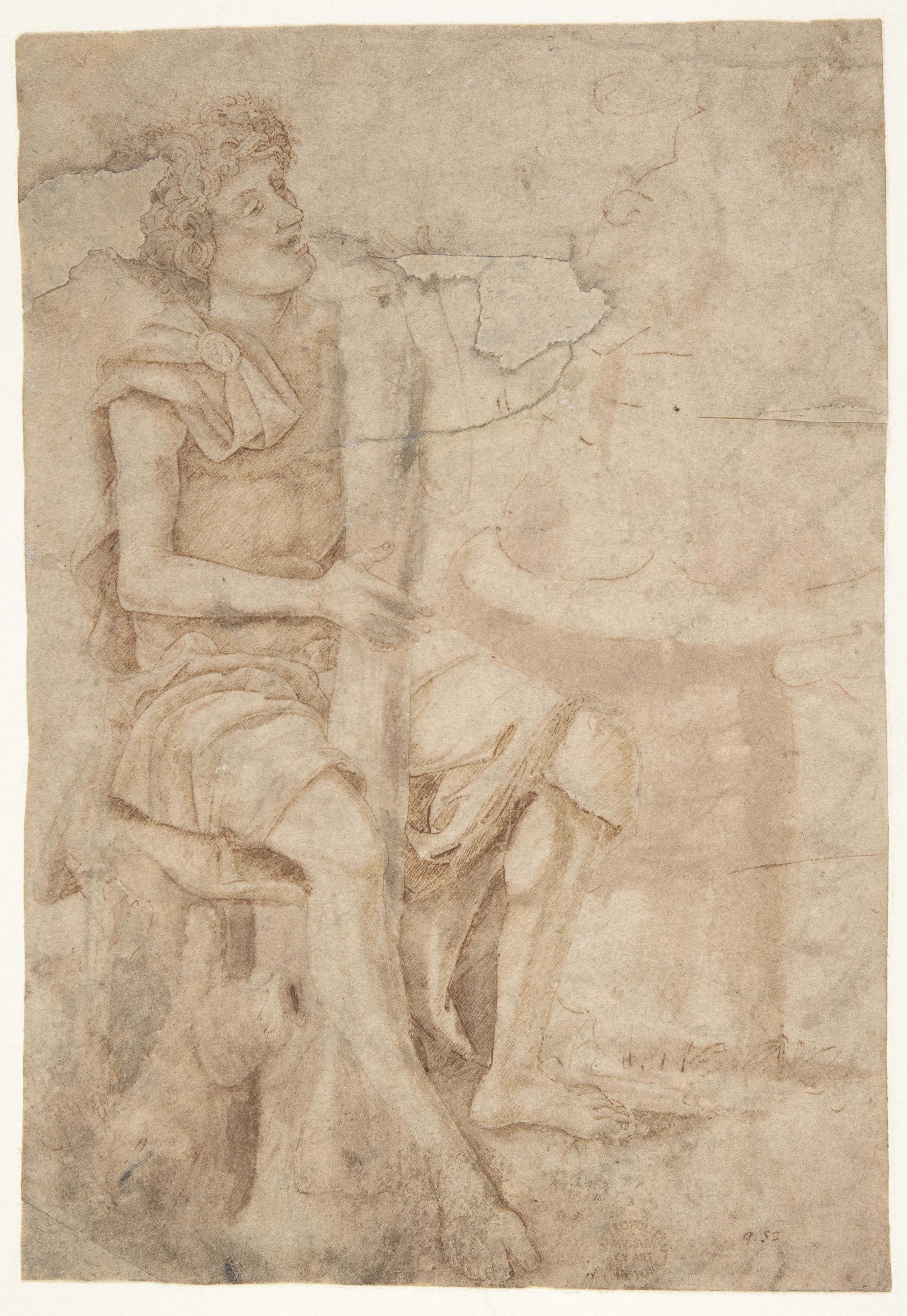
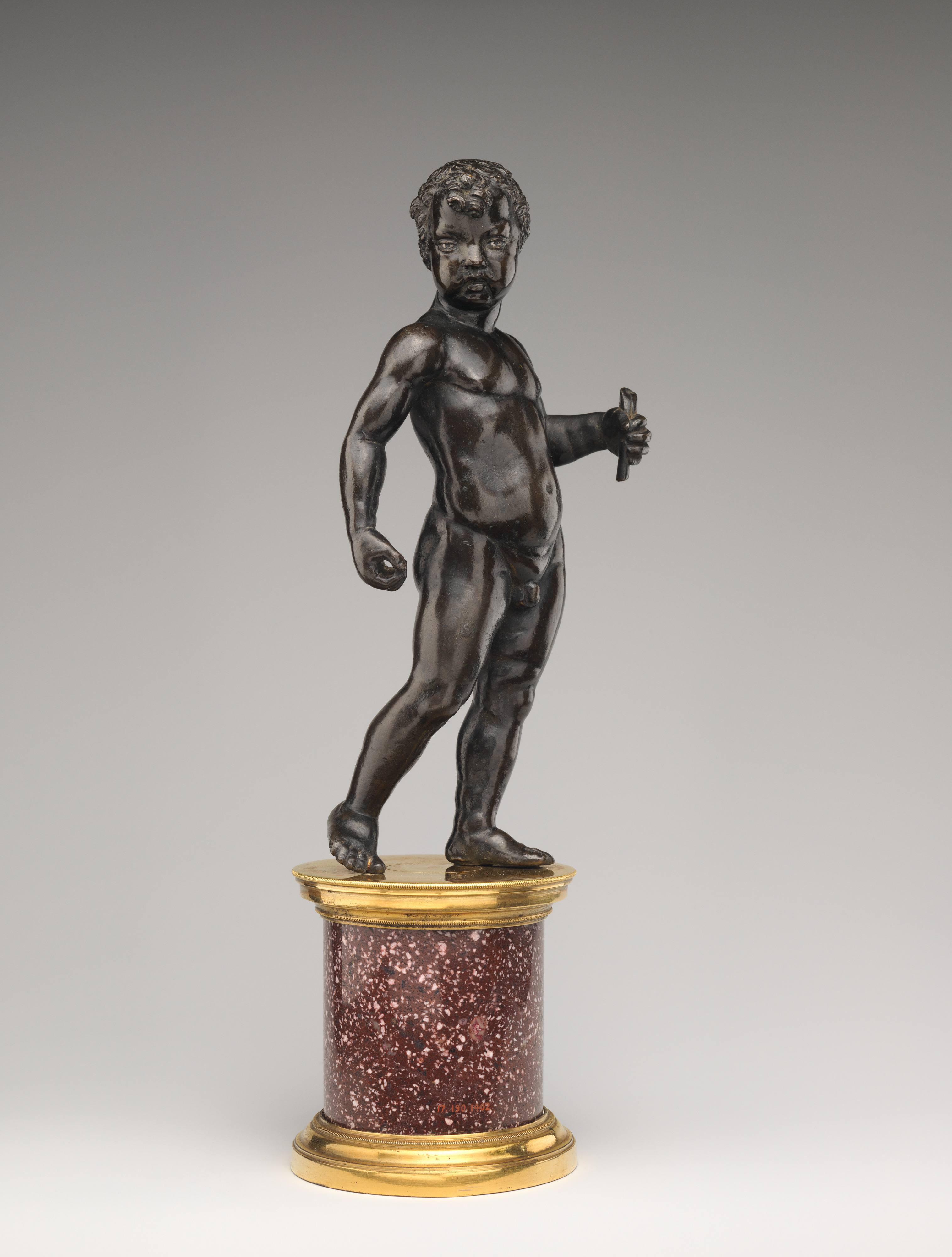
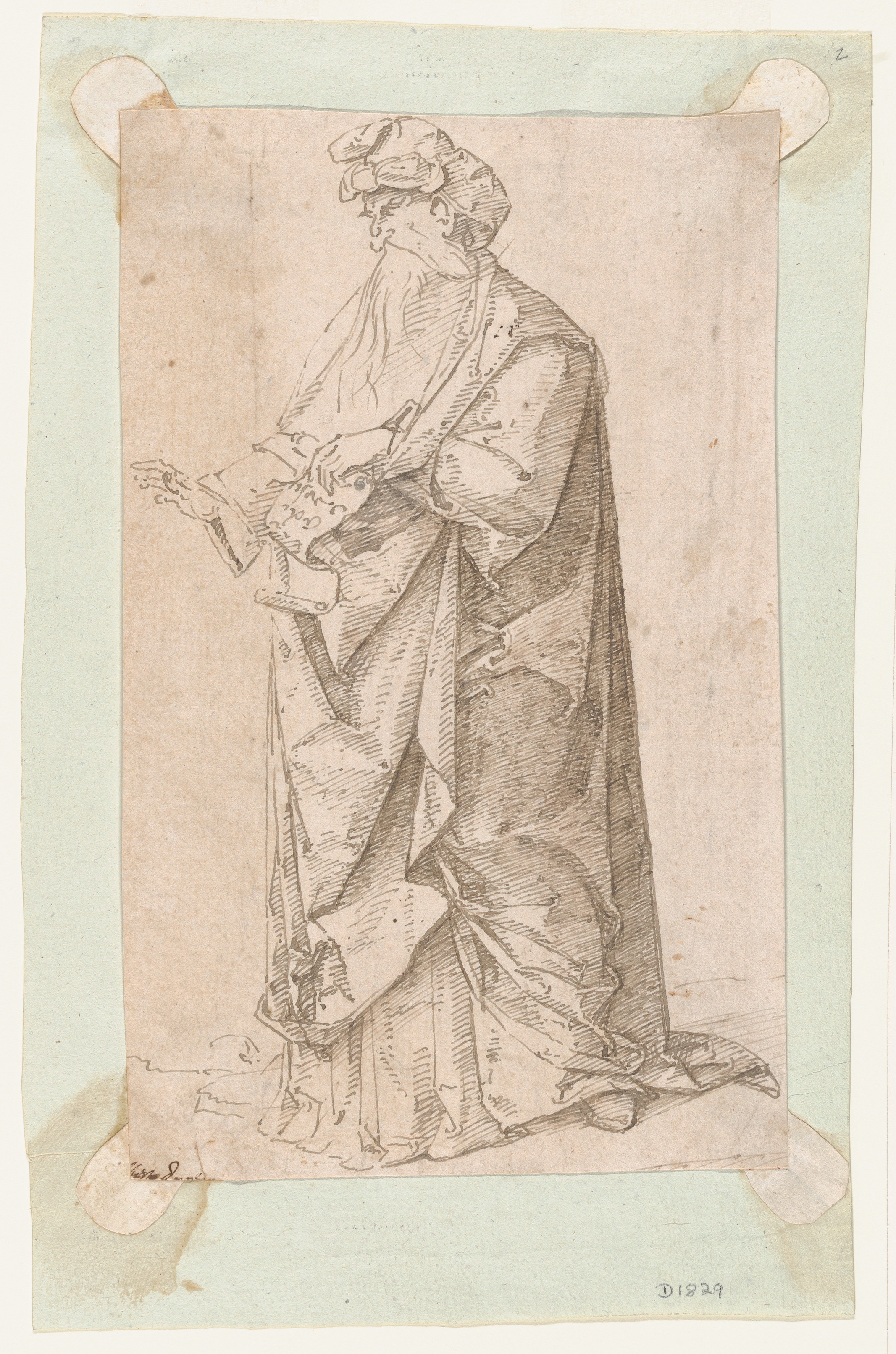
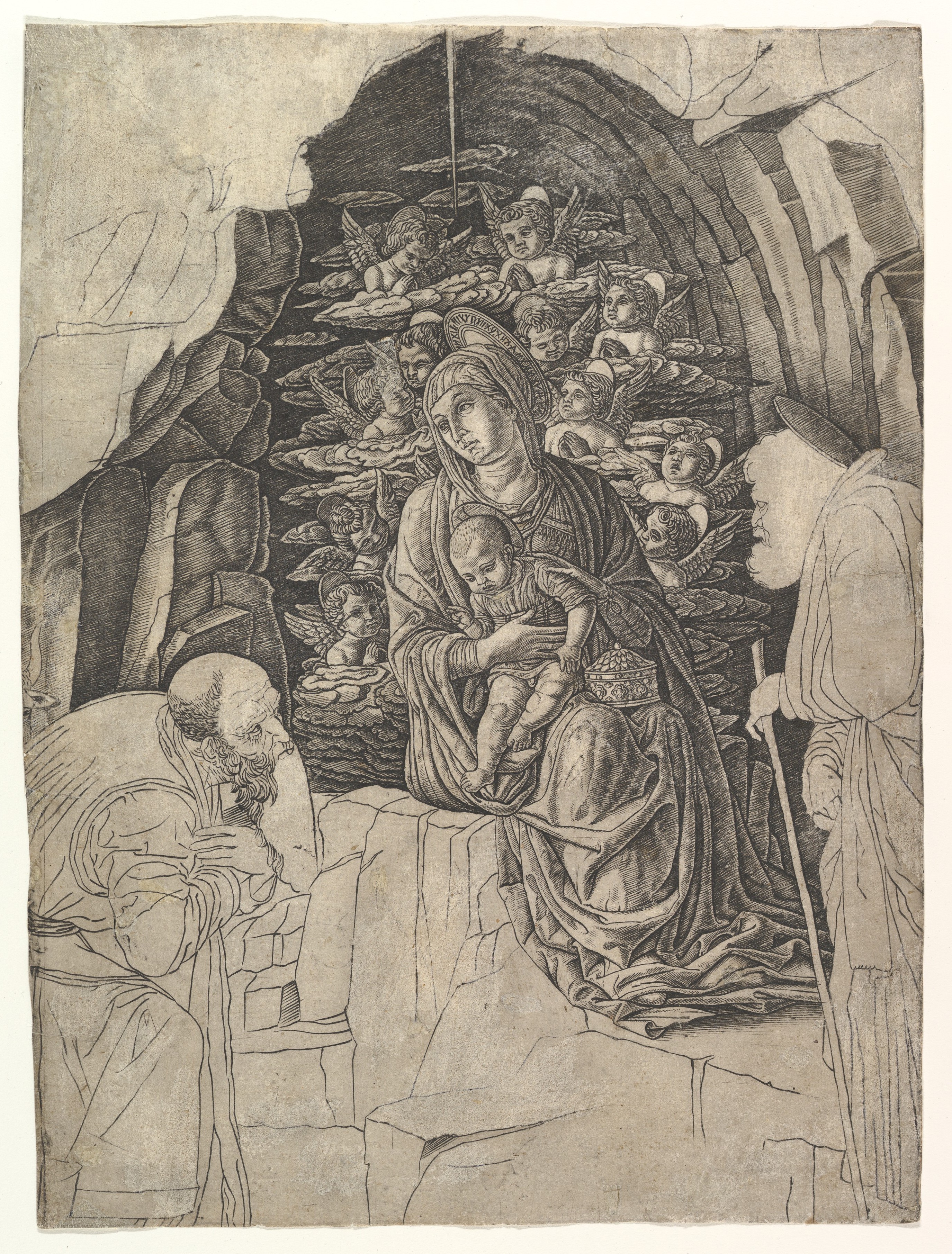
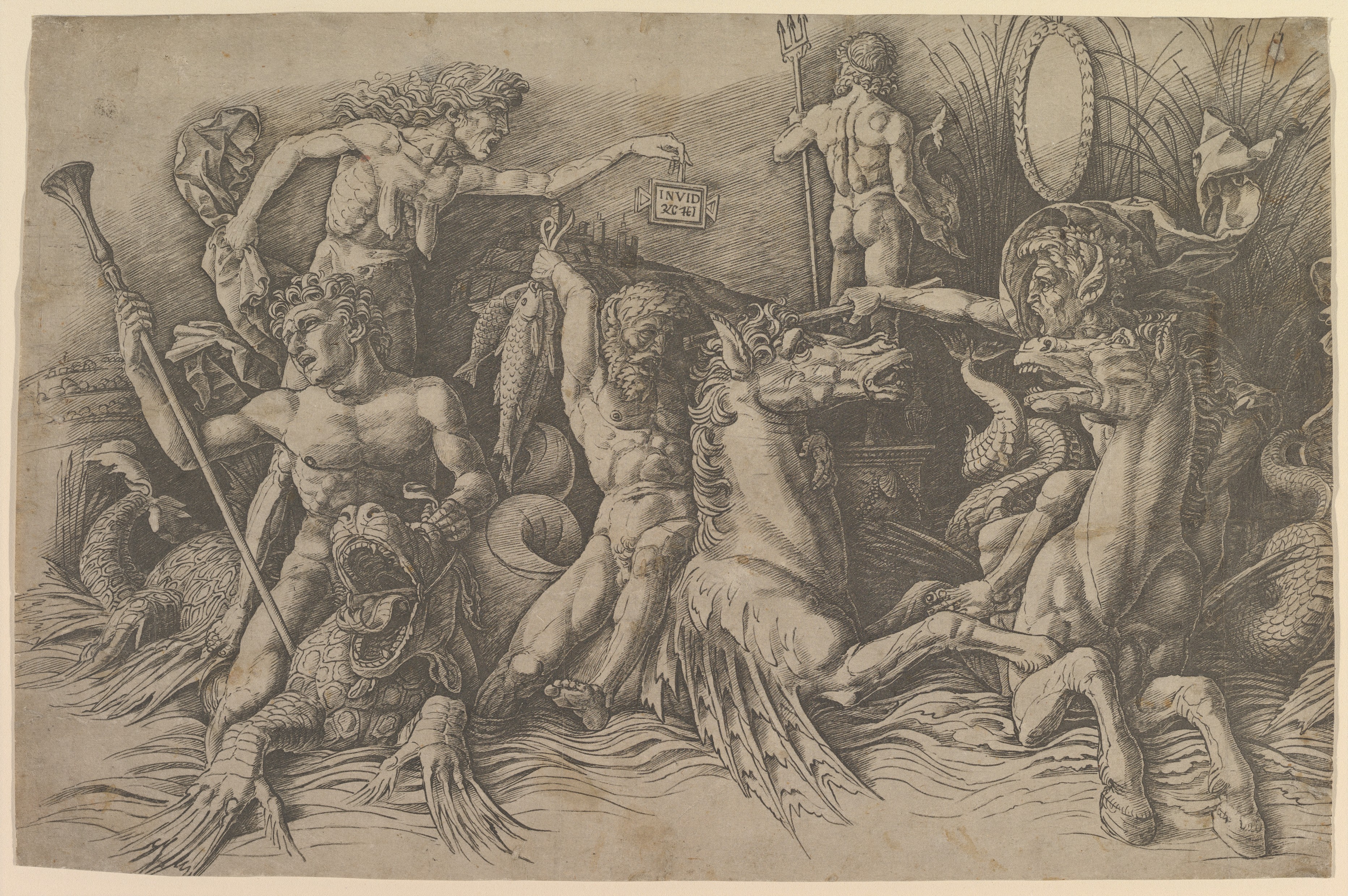
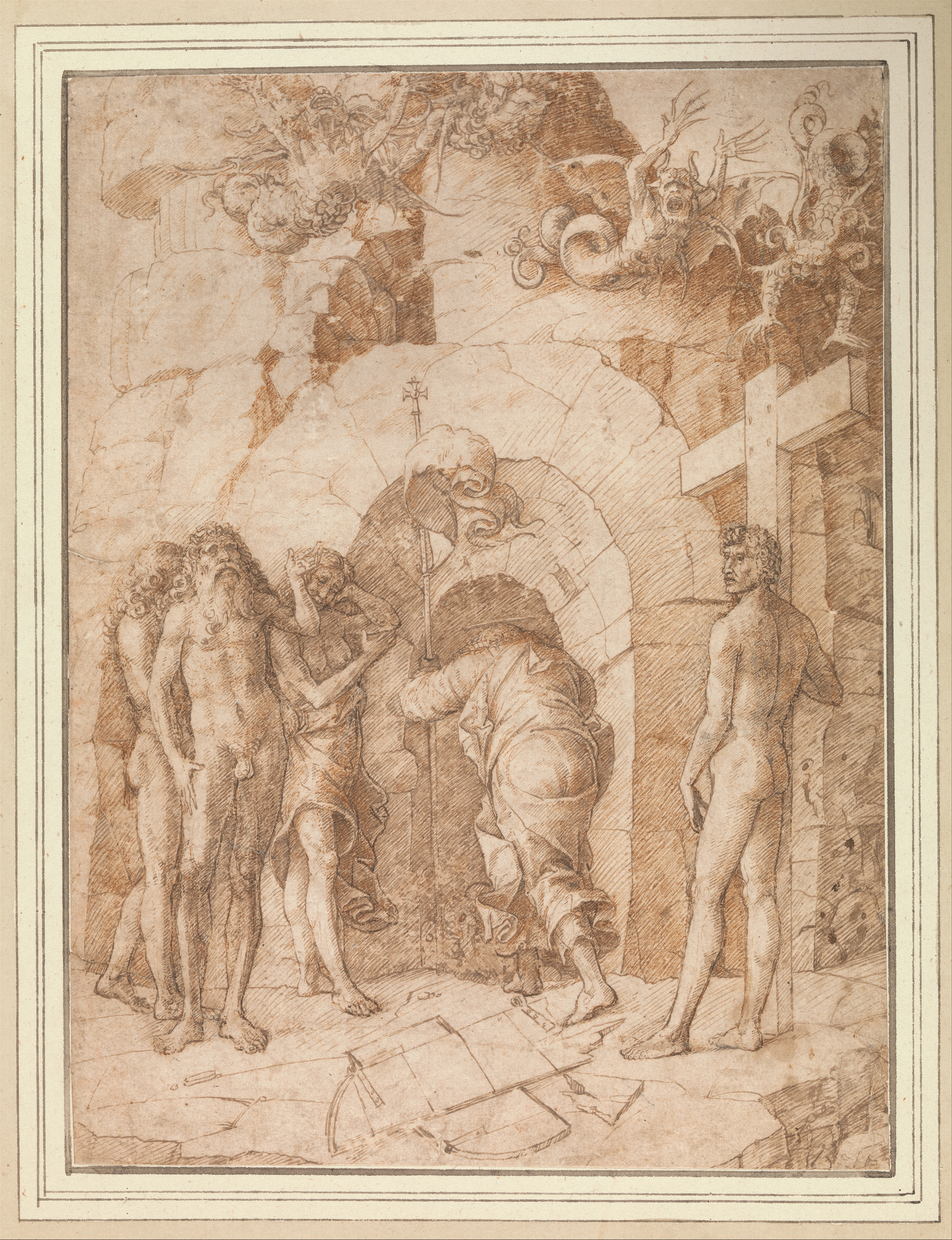
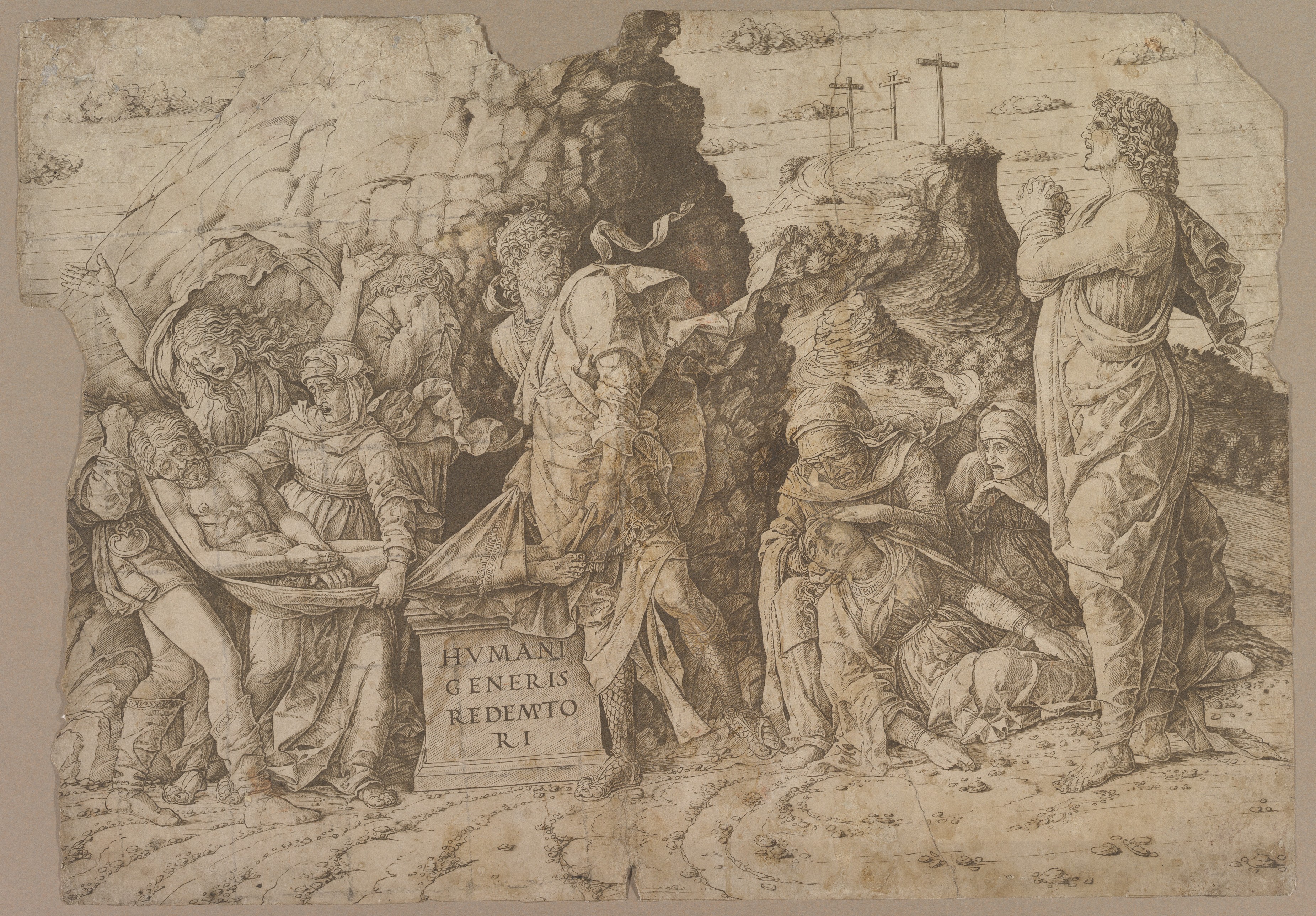
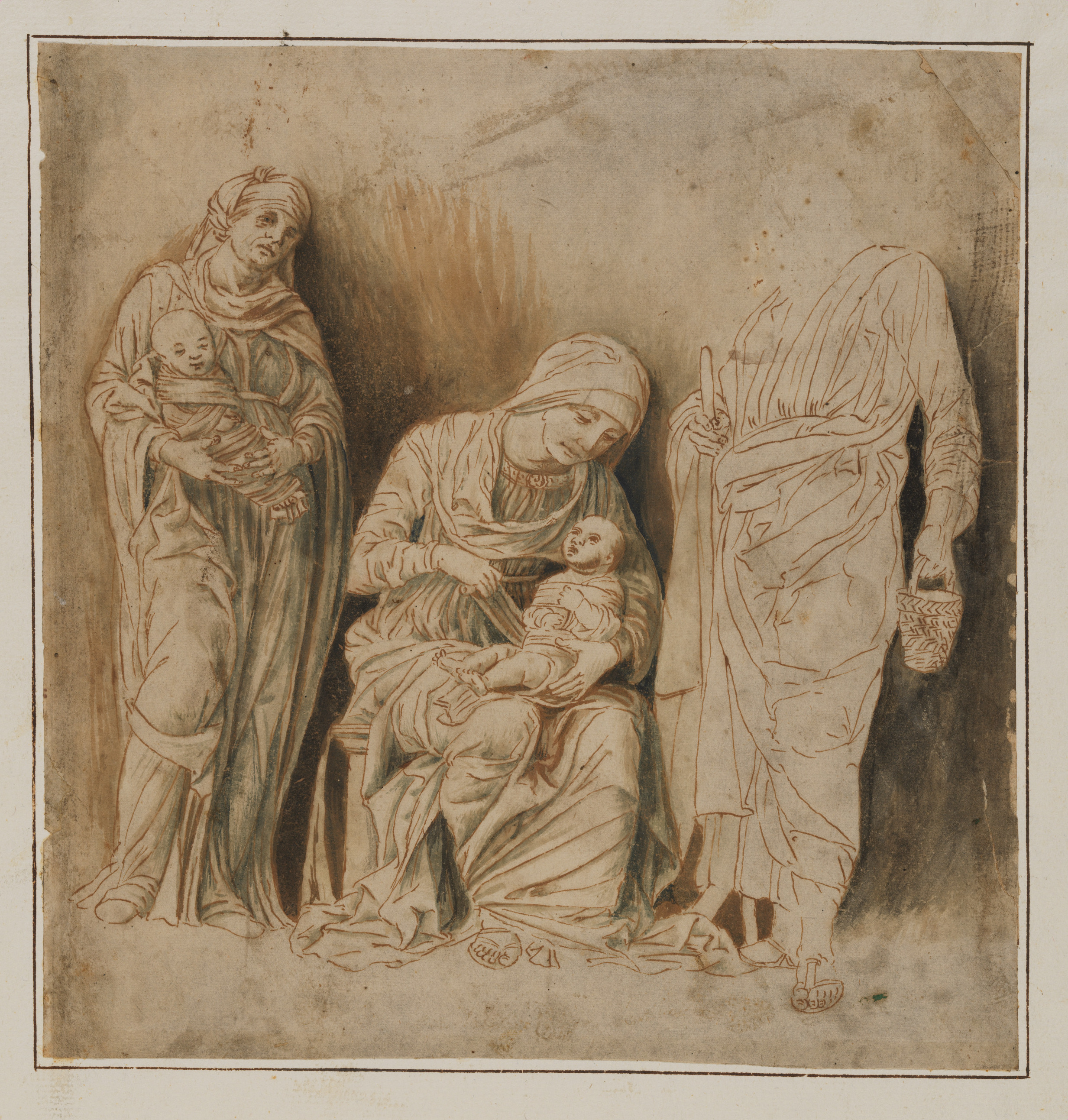
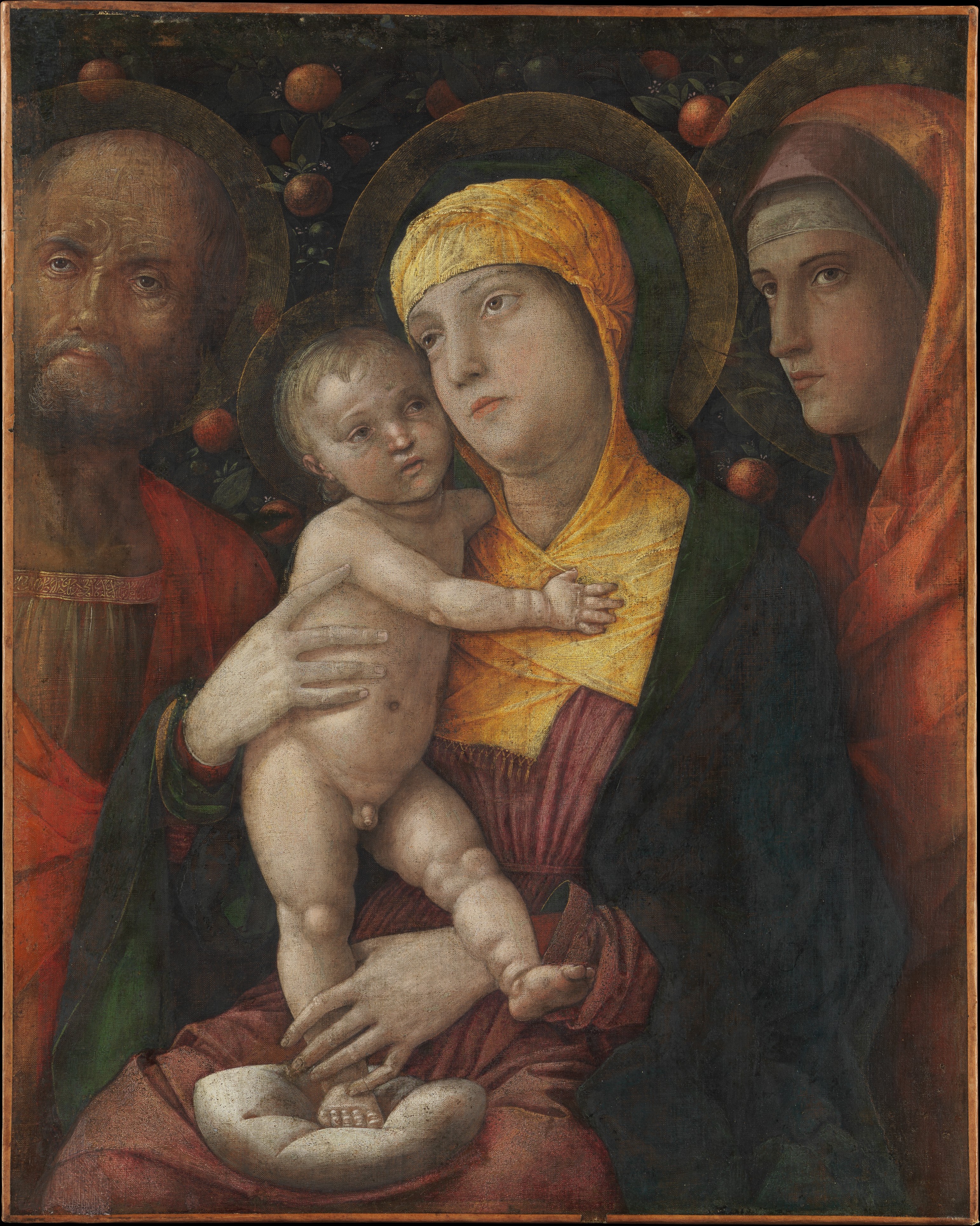
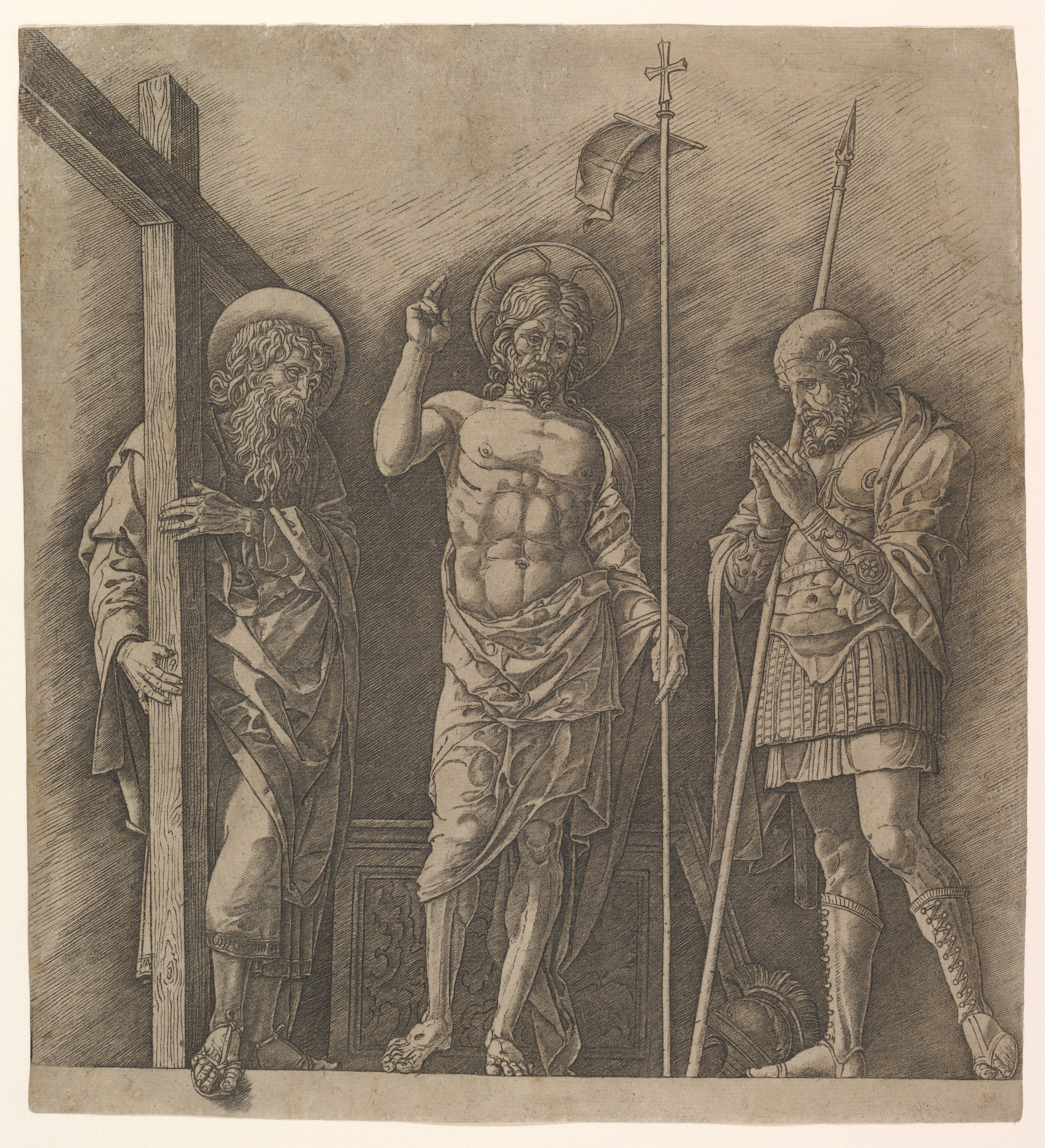
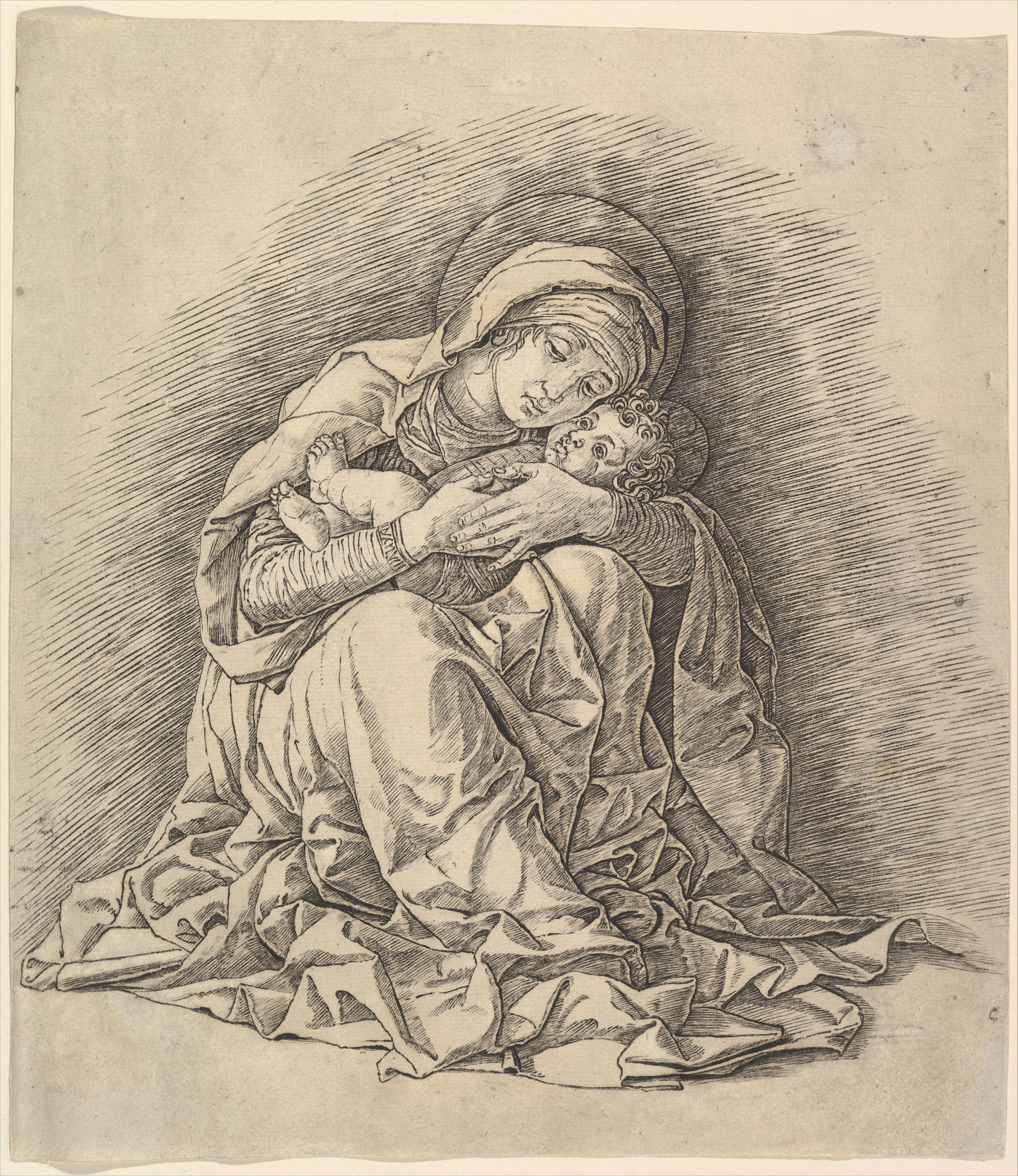
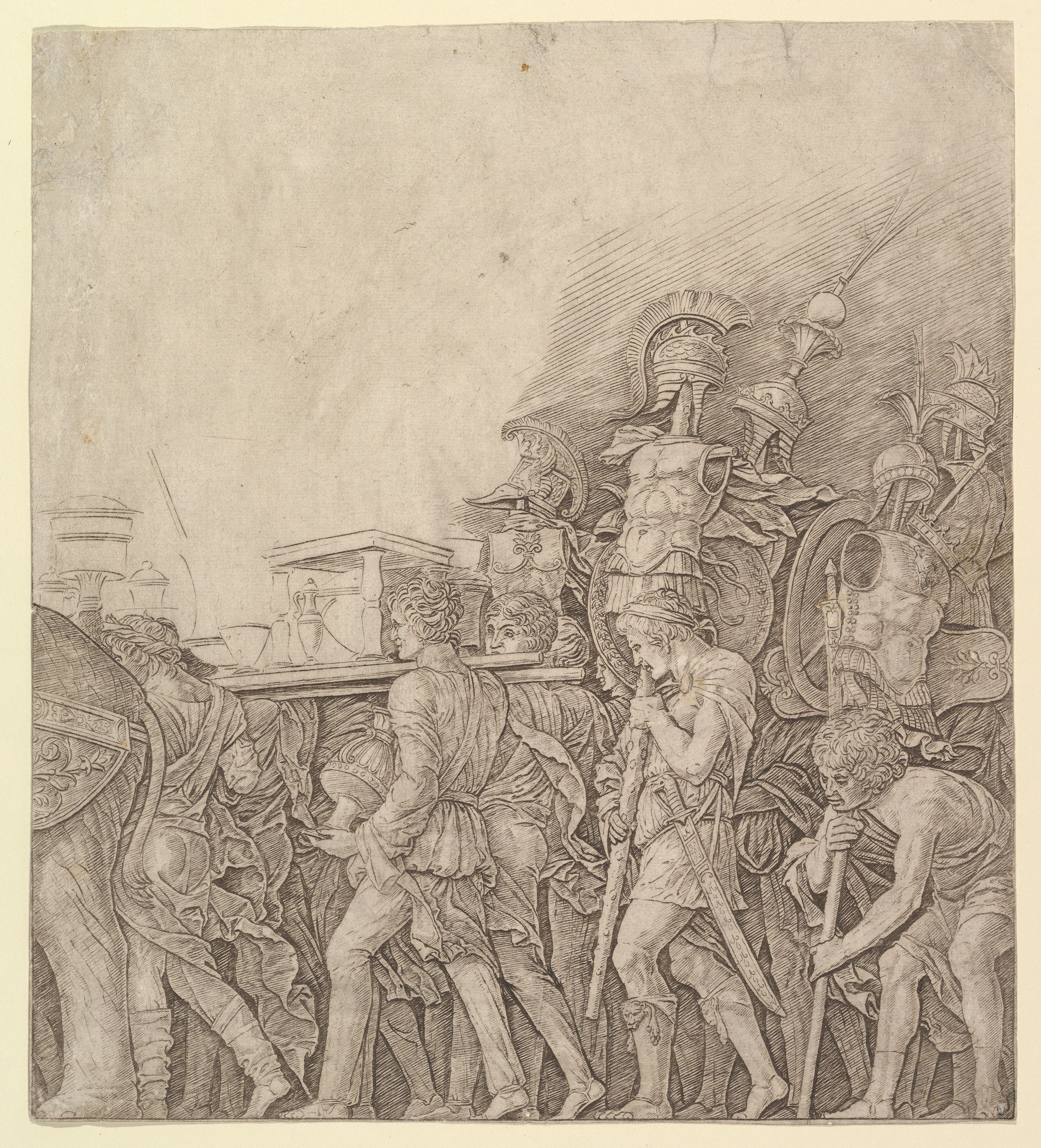
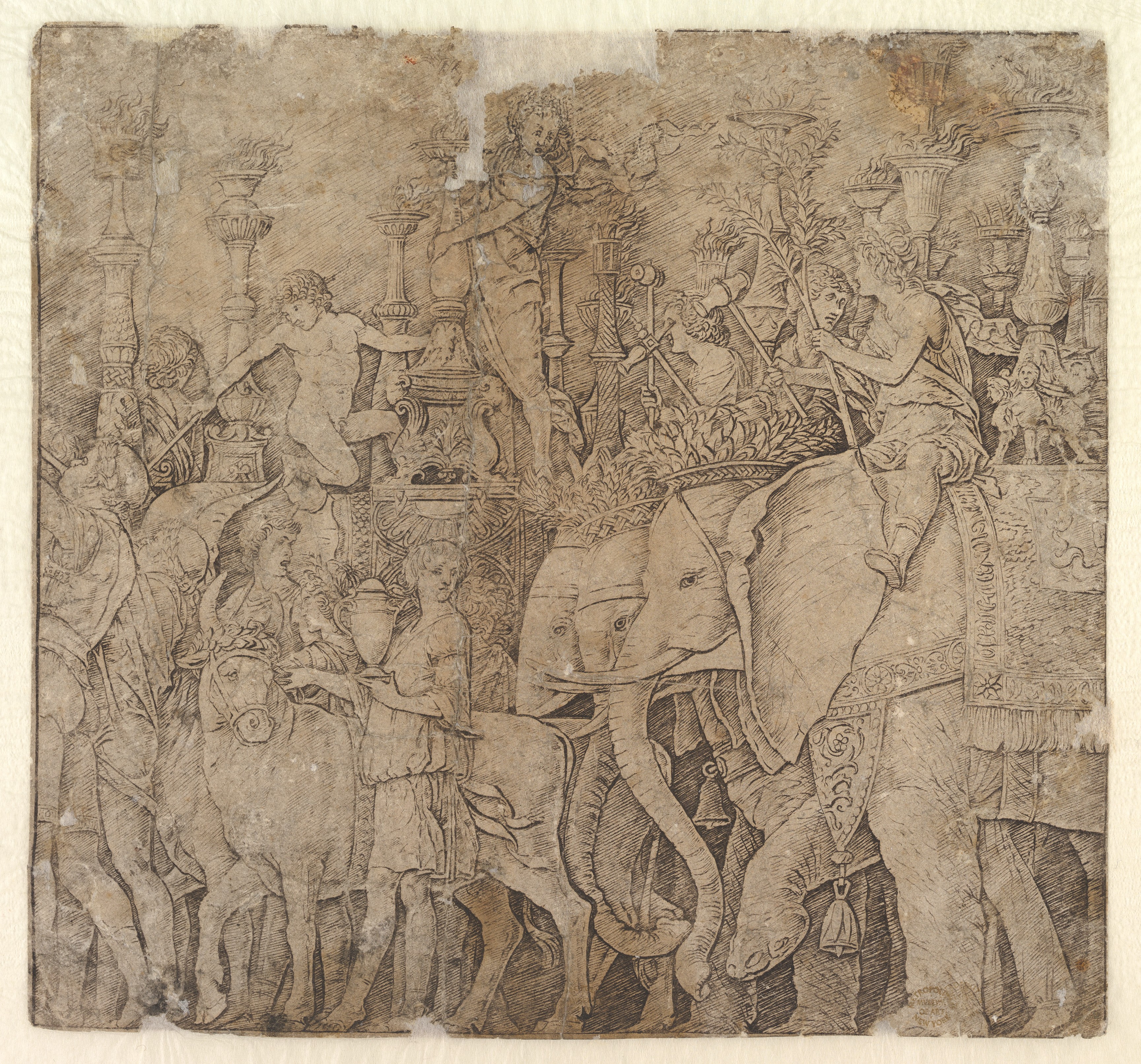
Andrea Mantegna created works in various media, including prints, drawings, and sculpture. His print, "Bacchanal with a Wine Vat," from around 1475, is an engraving and drypoint. He also produced drawings such as "Design of Rinceaux," made with pen and brown ink, and "Seated Man Holding a Club or Other Implement (recto); Two Heads of Grotesque Men in Profile (verso)," which uses pen and brown ink with brush and brown wash. The sculpture "Standing boy," from around 1484, is a bronze with silver inlay, displayed on a later porphyry and ormolu base. These works are part of The Metropolitan Museum of Art's collection.
Biography
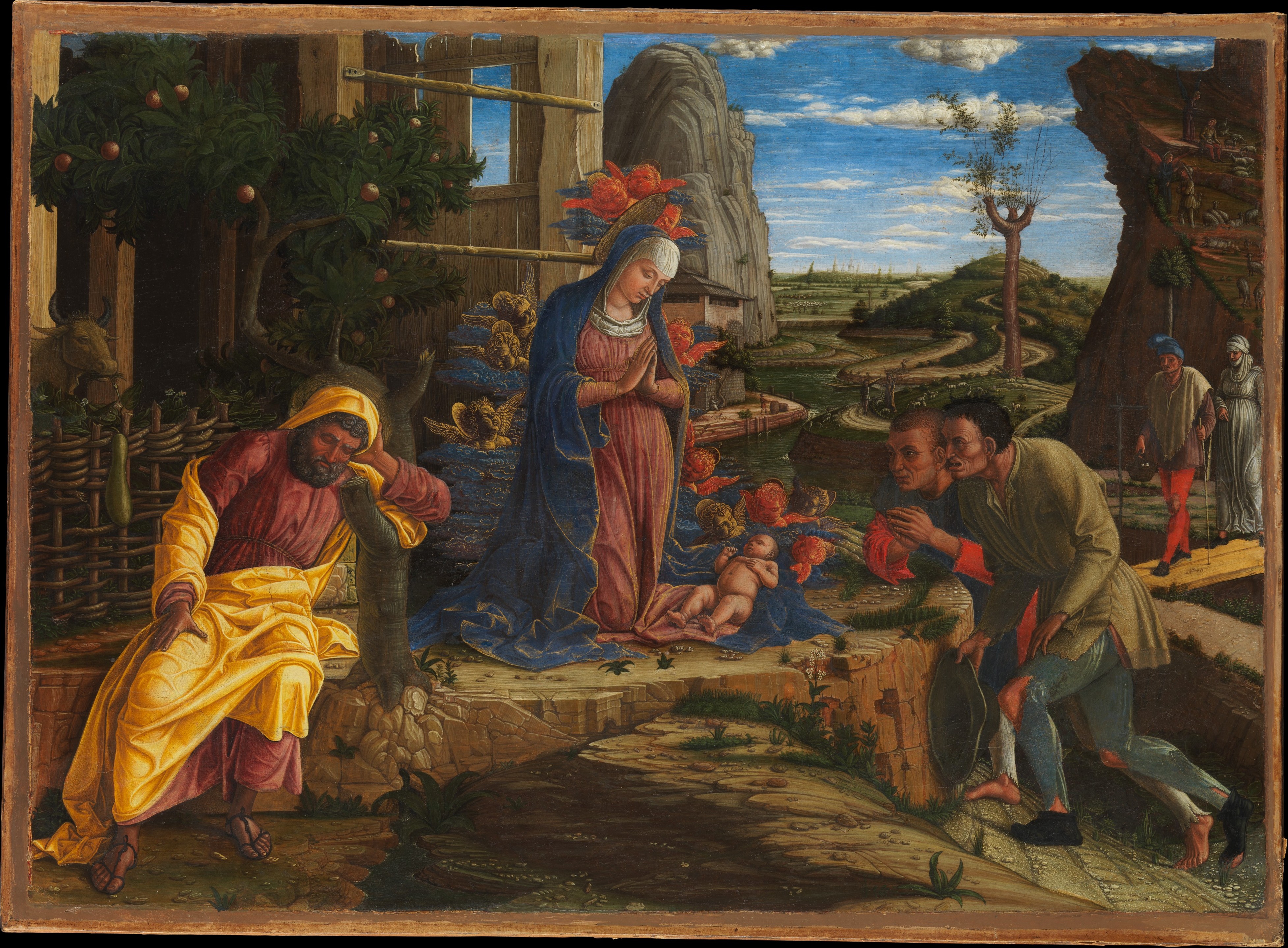
Andrea Mantegna was born in 1431 in Isola Mantegna and was a citizen of the Republic of Venice. He was a painter, copper engraver, illuminator, sculptor, draftsperson, printmaker, and visual artist. His work is associated with the Italian Renaissance movement. He was influenced by Donatello. Mantegna worked in several locations, including Venice, Padua, Mantua, Florence, Pisa, Rome, and Verona. He resided at the Casa del Mantegna. Among his notable works are "Triumphs of Caesar" from 1492, "Saint Mark" from 1449, "Death of the Virgin" from 1462, and "Lamentation of Christ" from 1483. He also created "Parnassus" in 1500 and the "Camera degli Sposi" around the same year. Mantegna died in Mantua in 1506.
Works