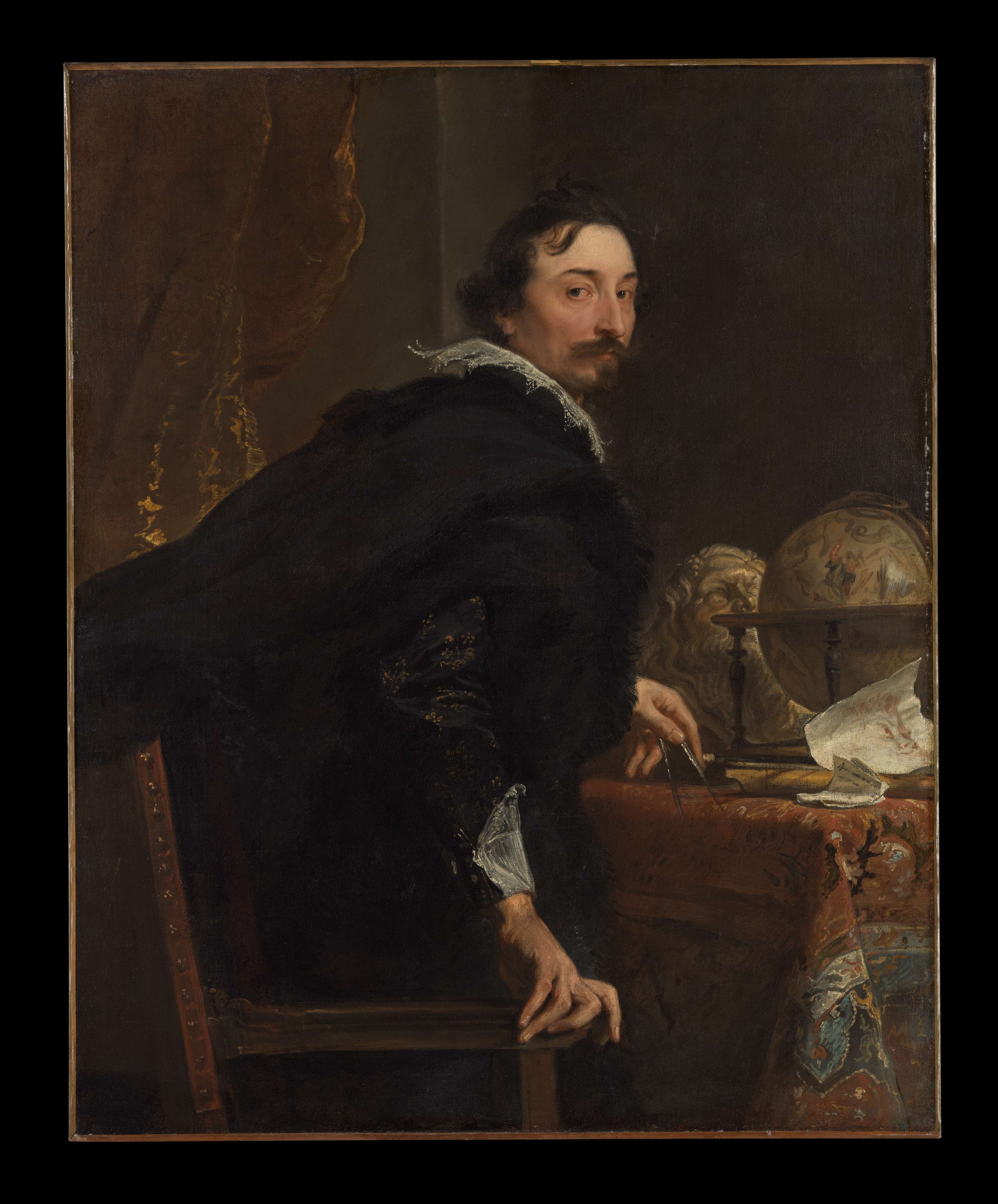
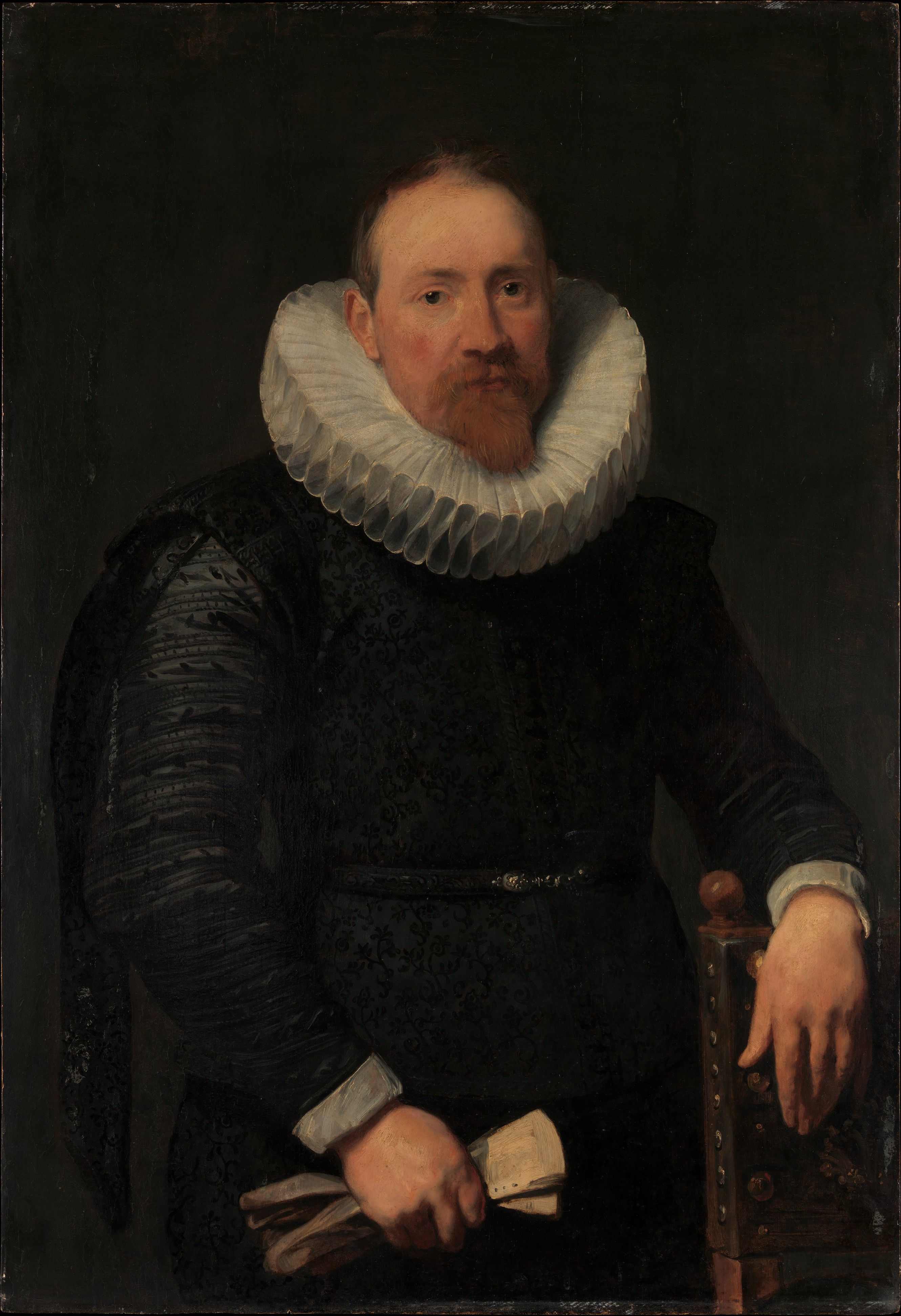
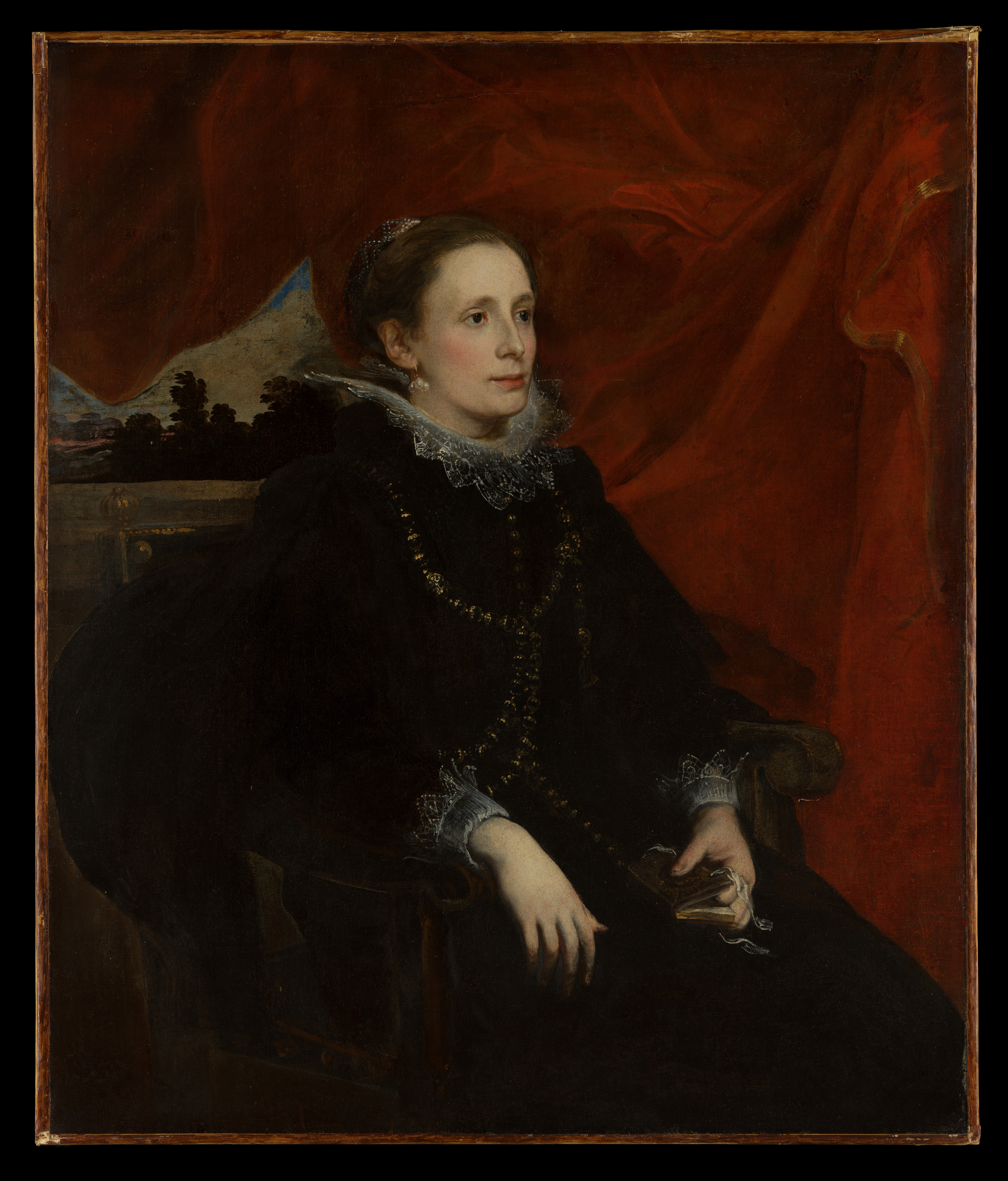
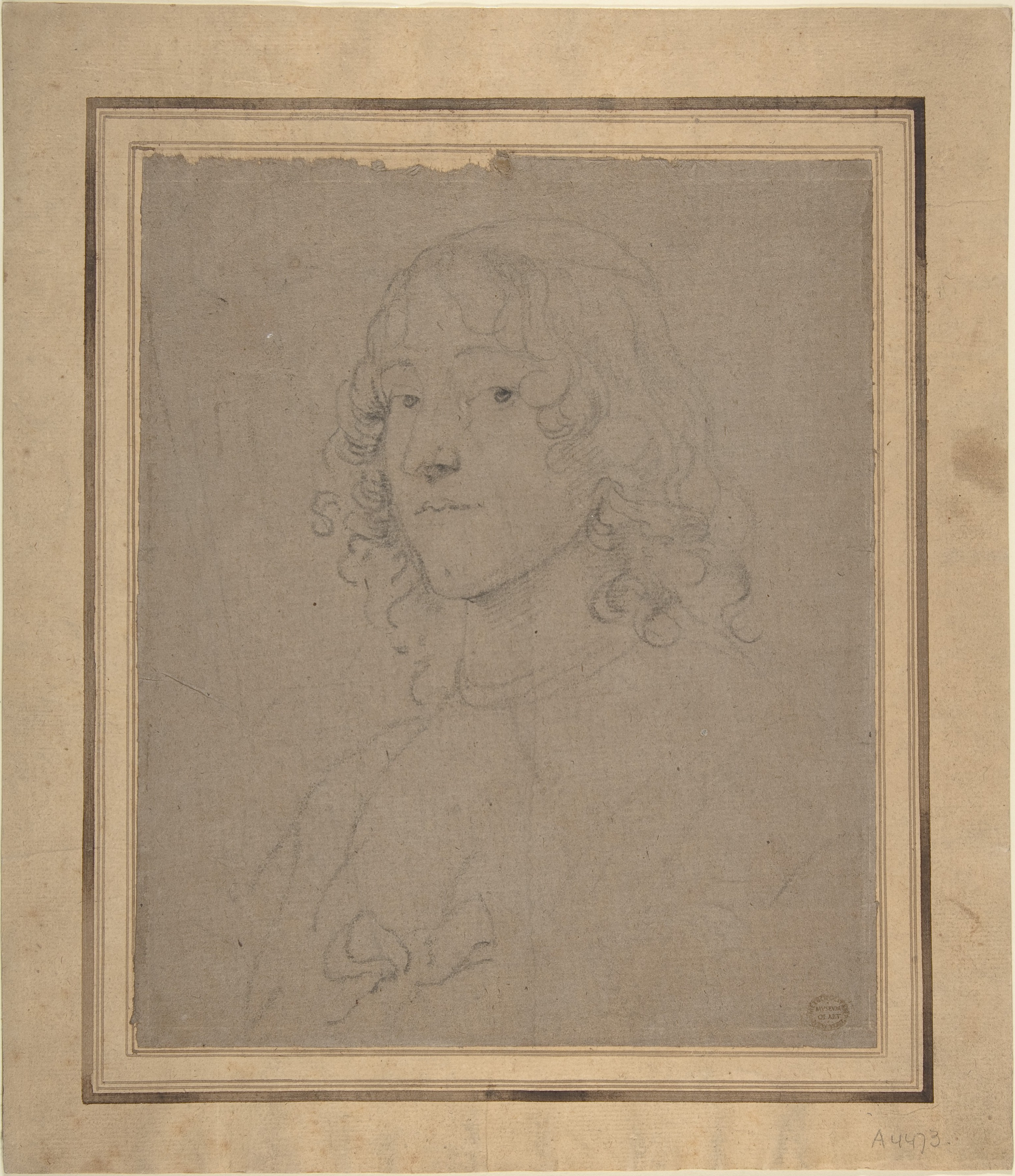
22 March 1599 – 9 December 1641 · Antwerp
Anthony van Dyck
Work
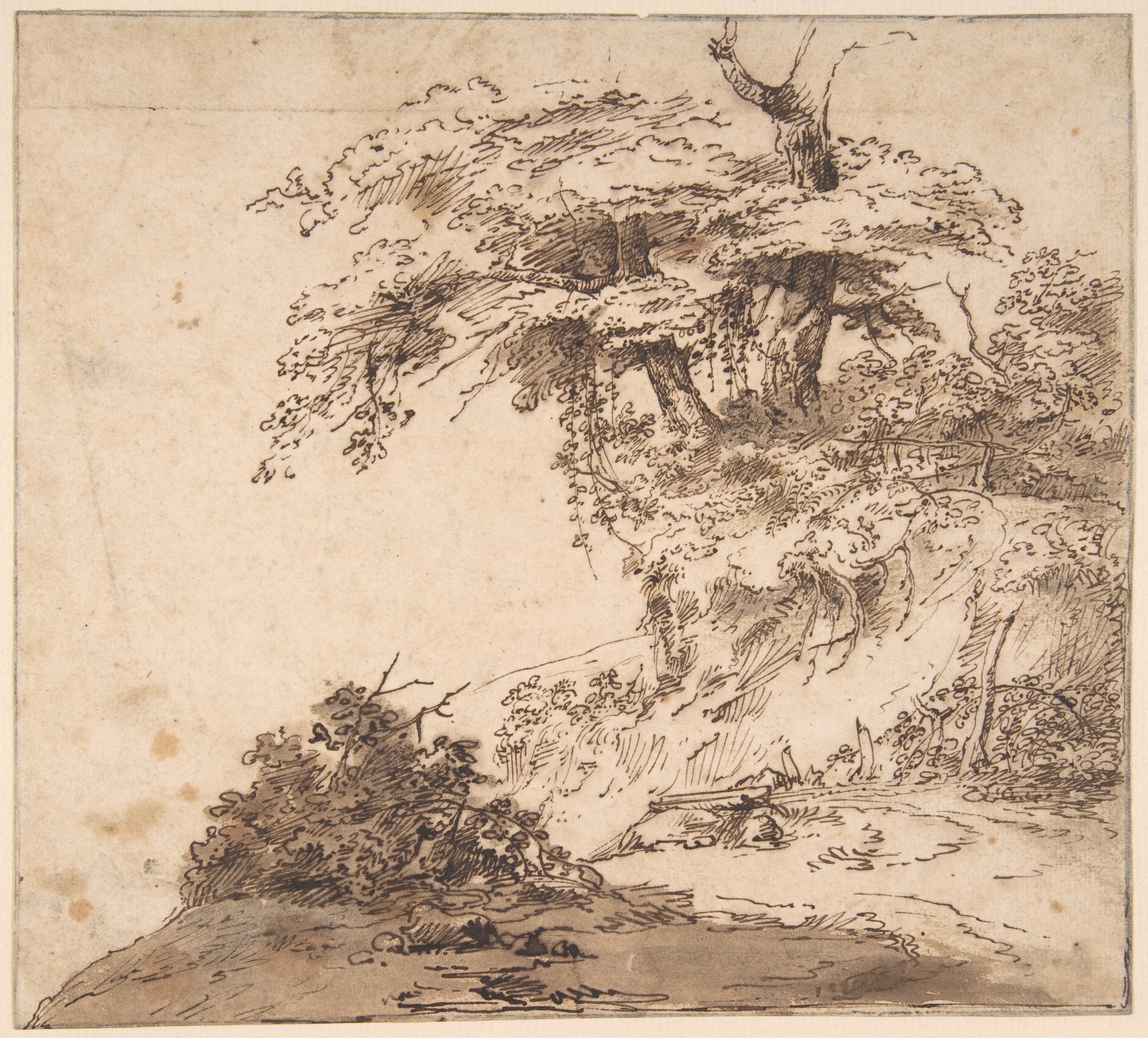
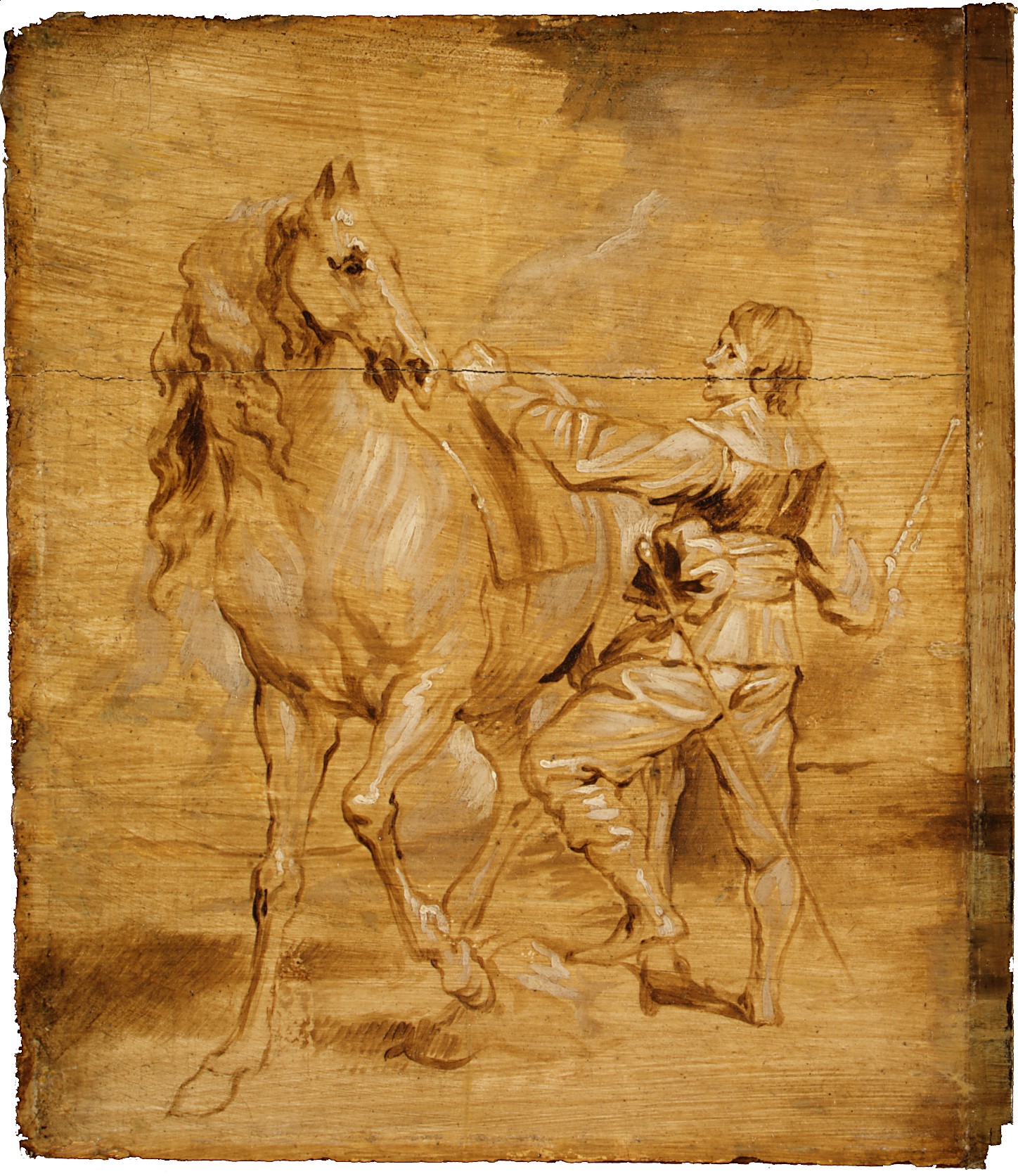
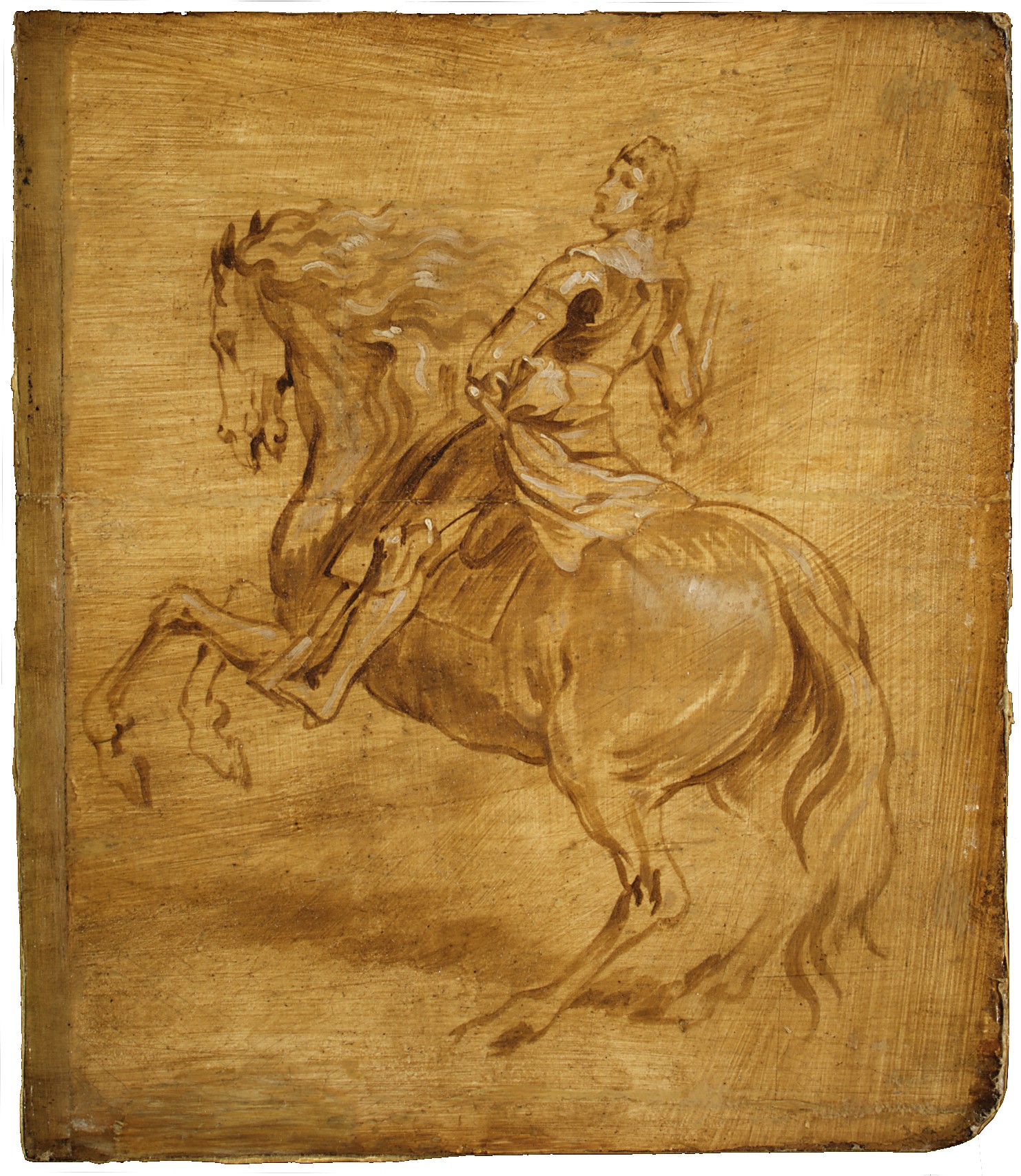
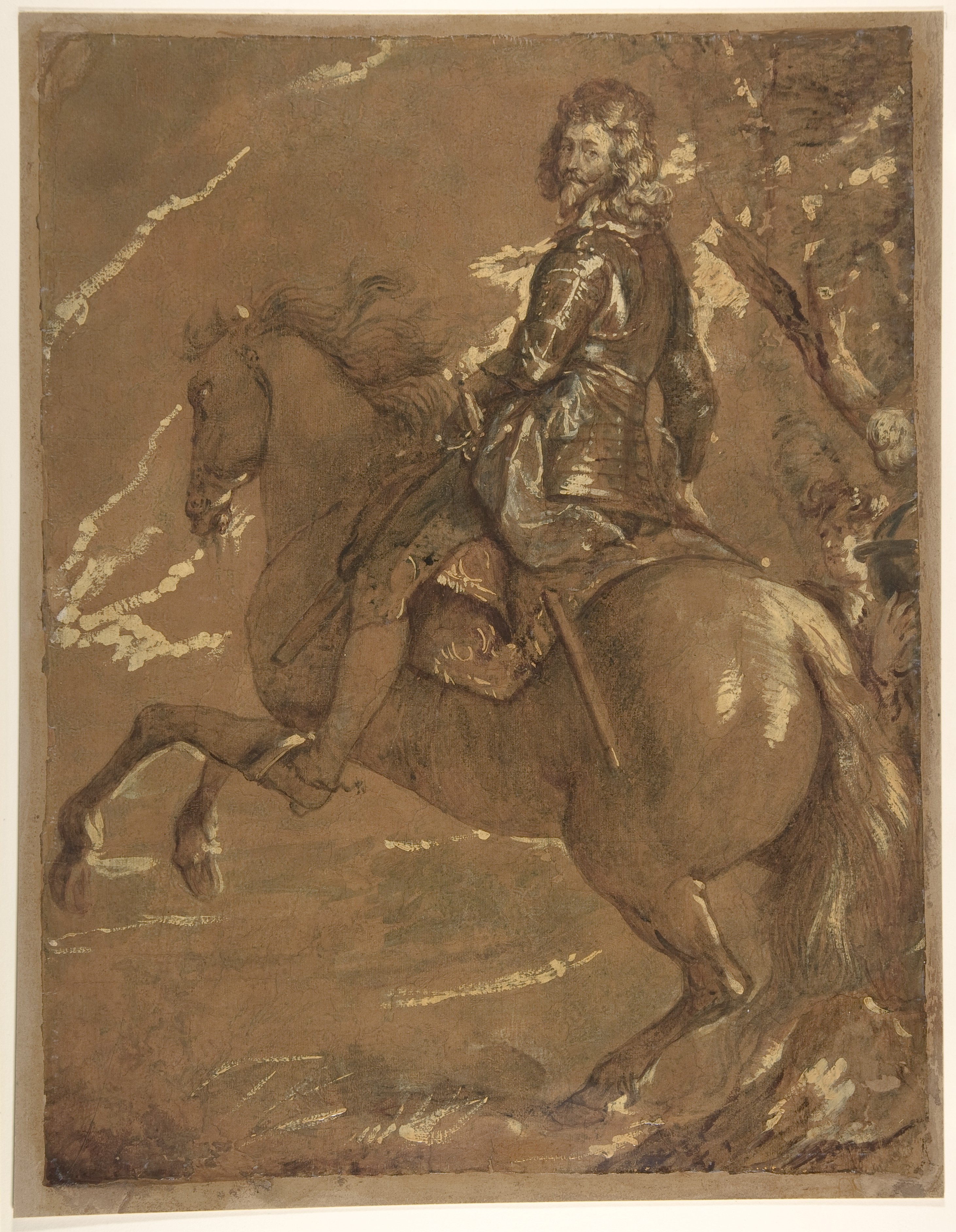
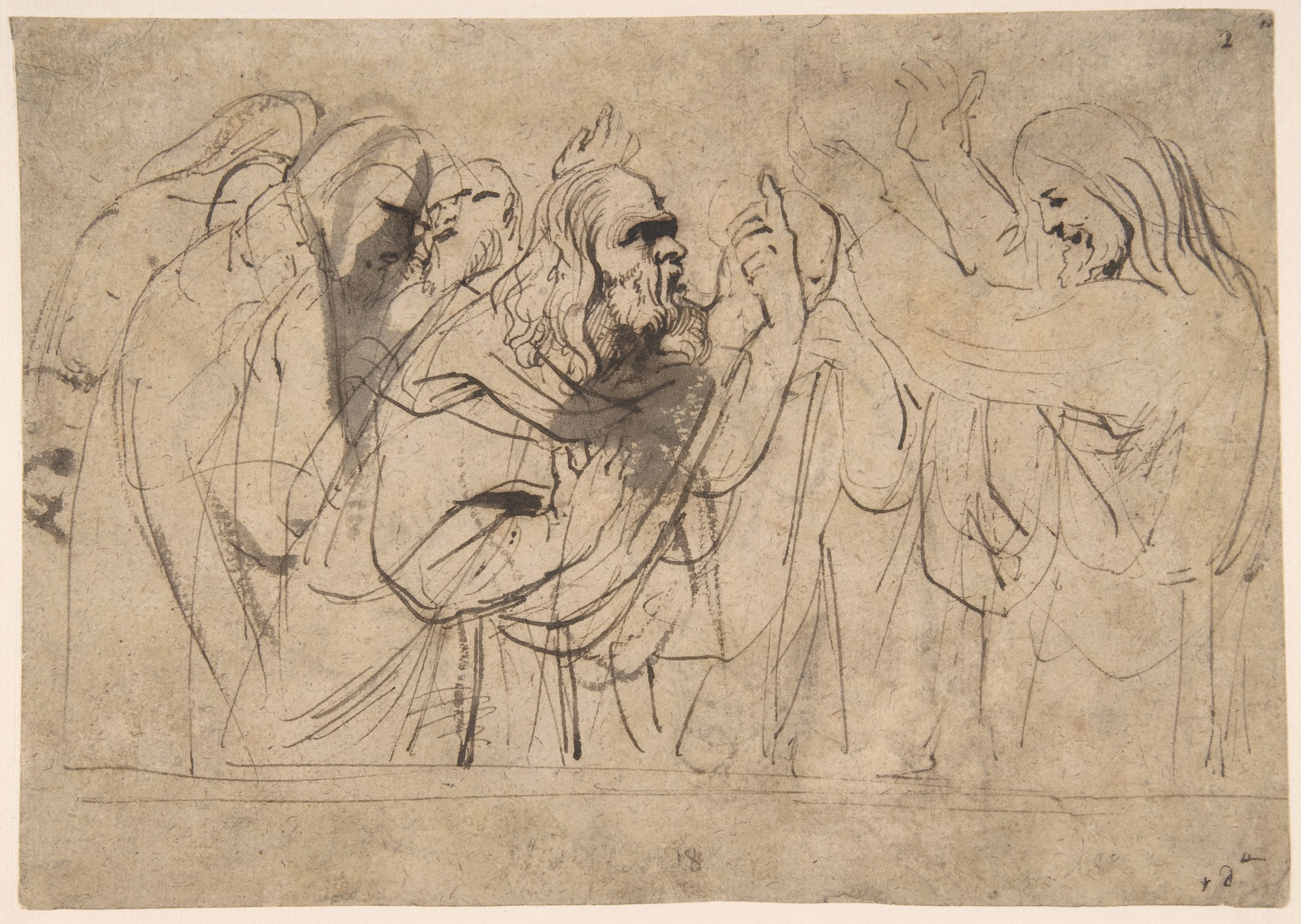
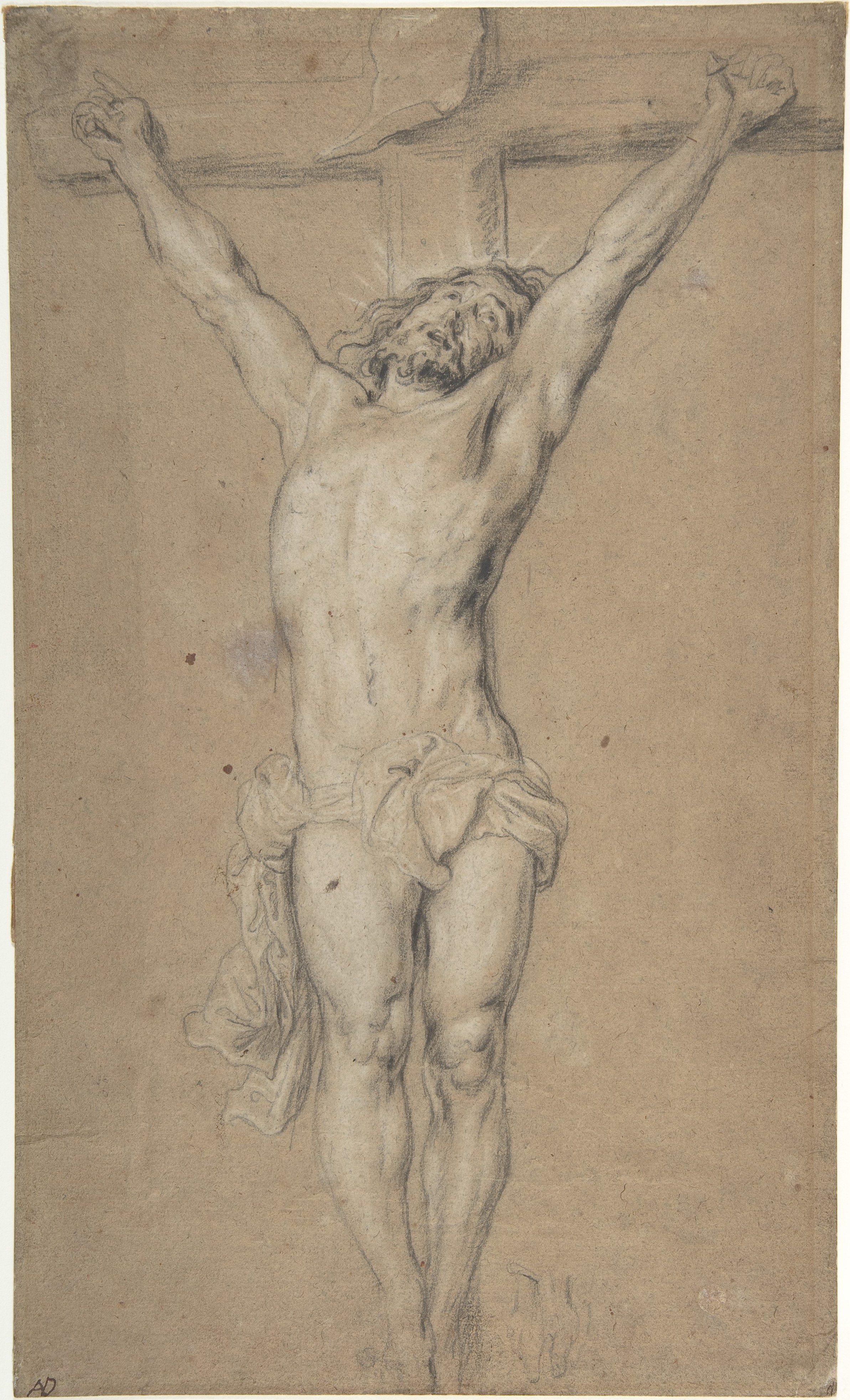
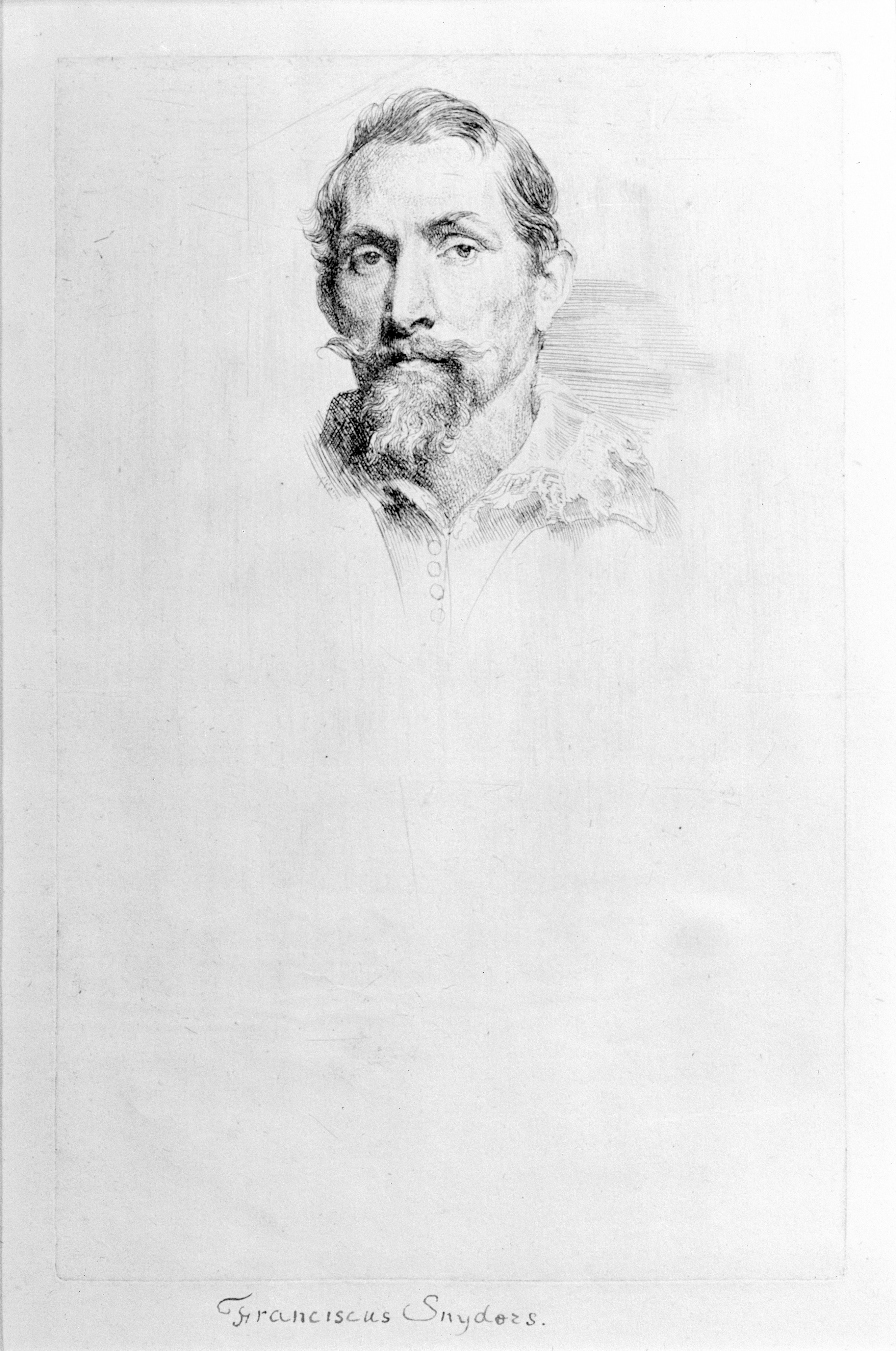
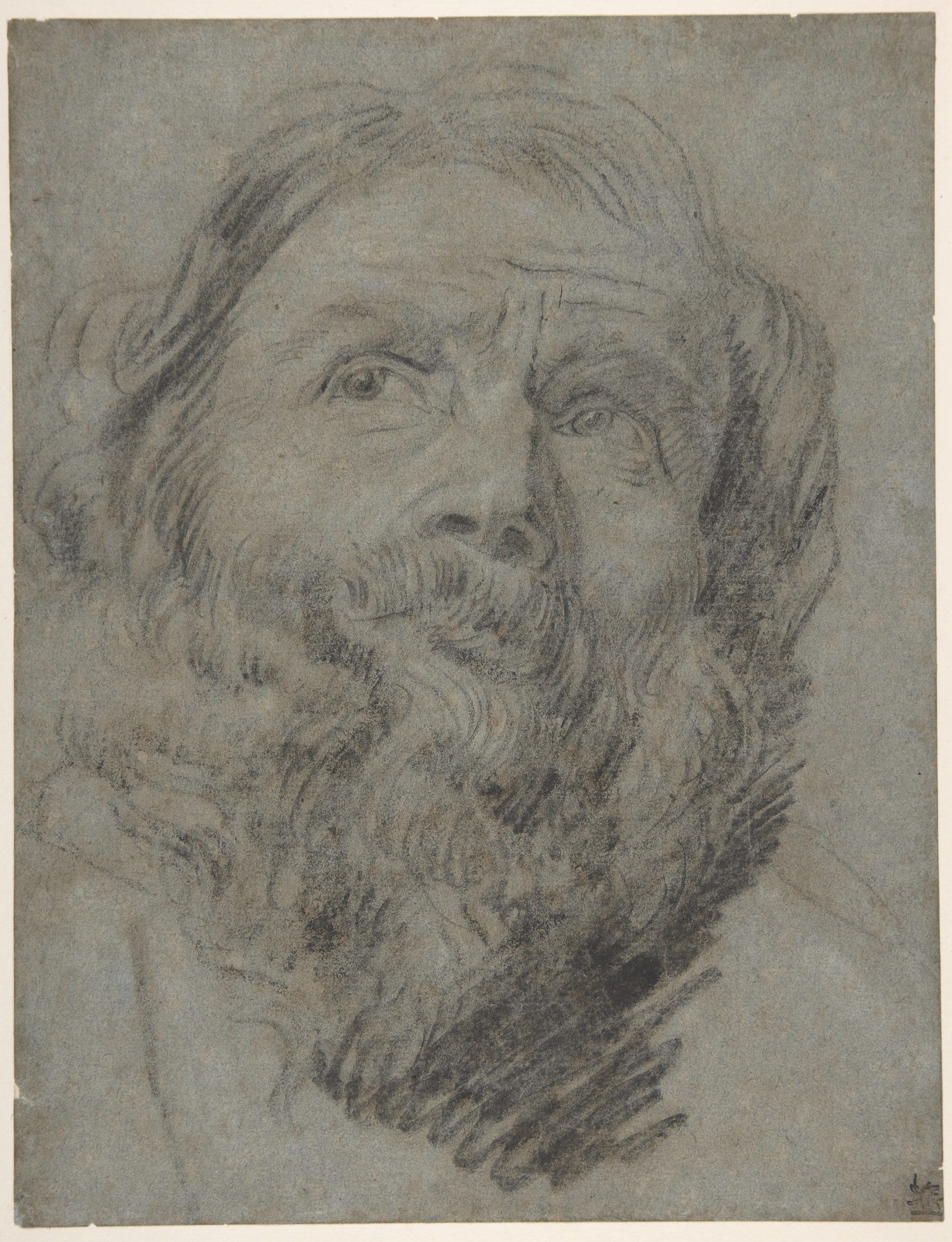
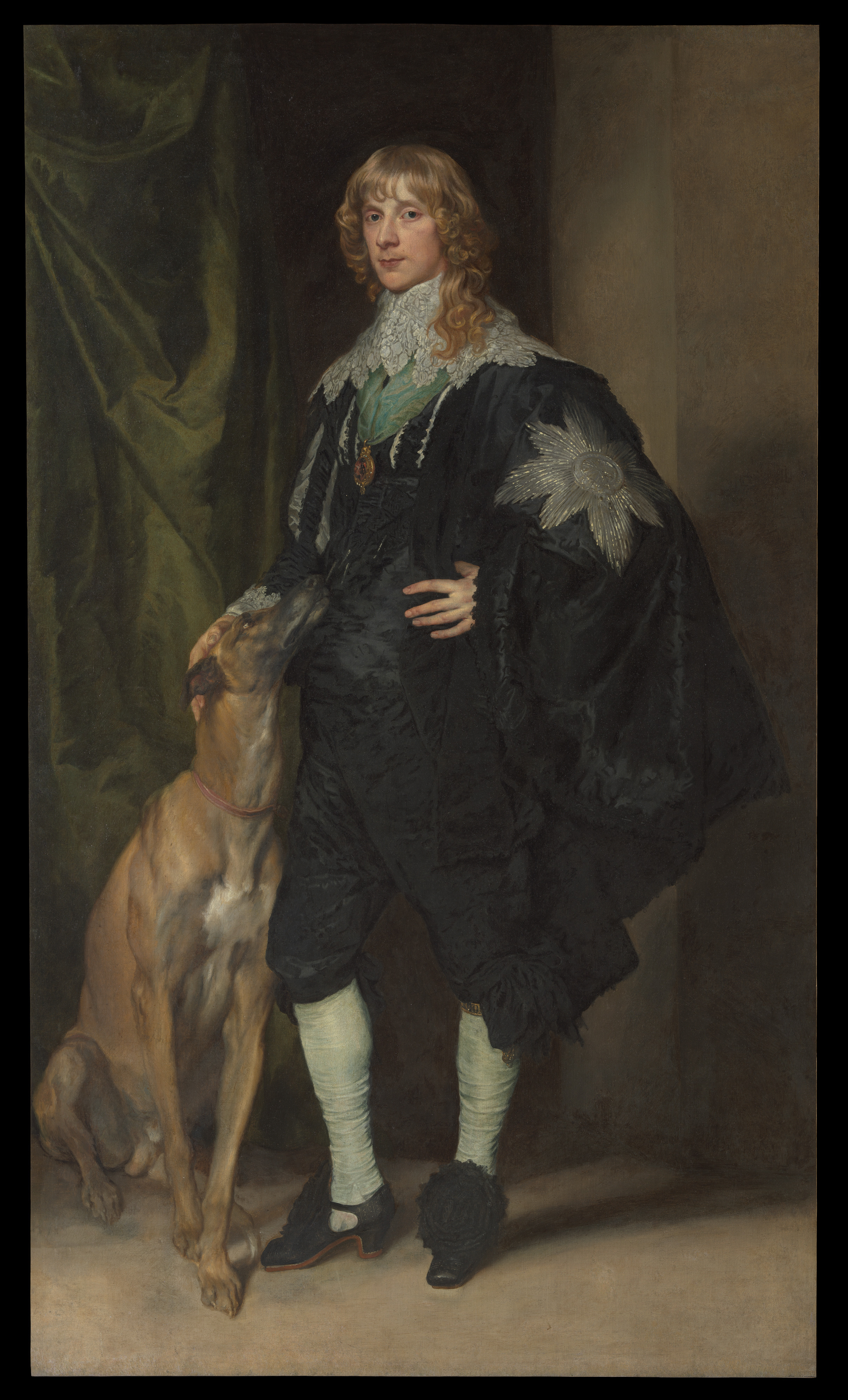
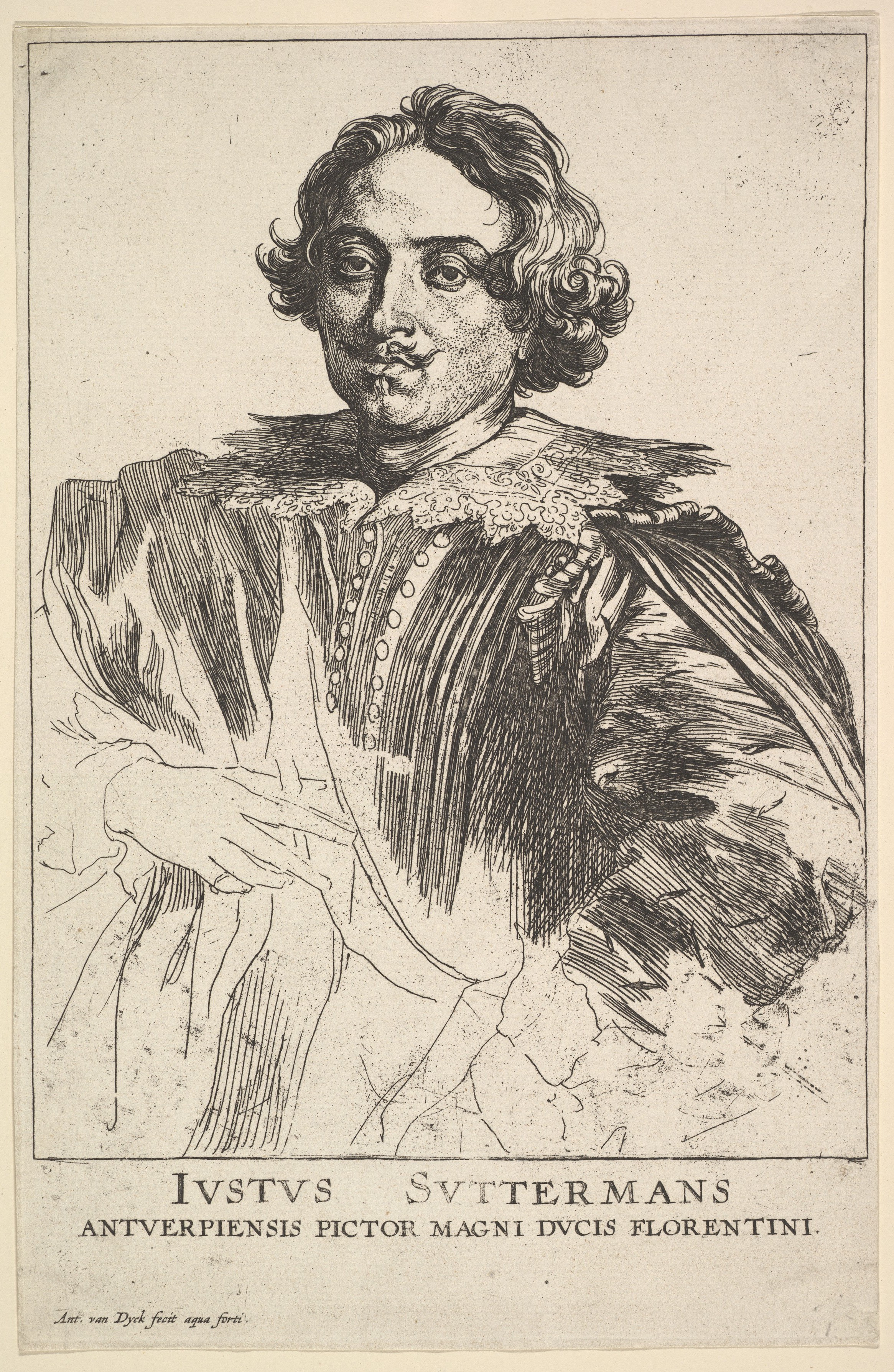
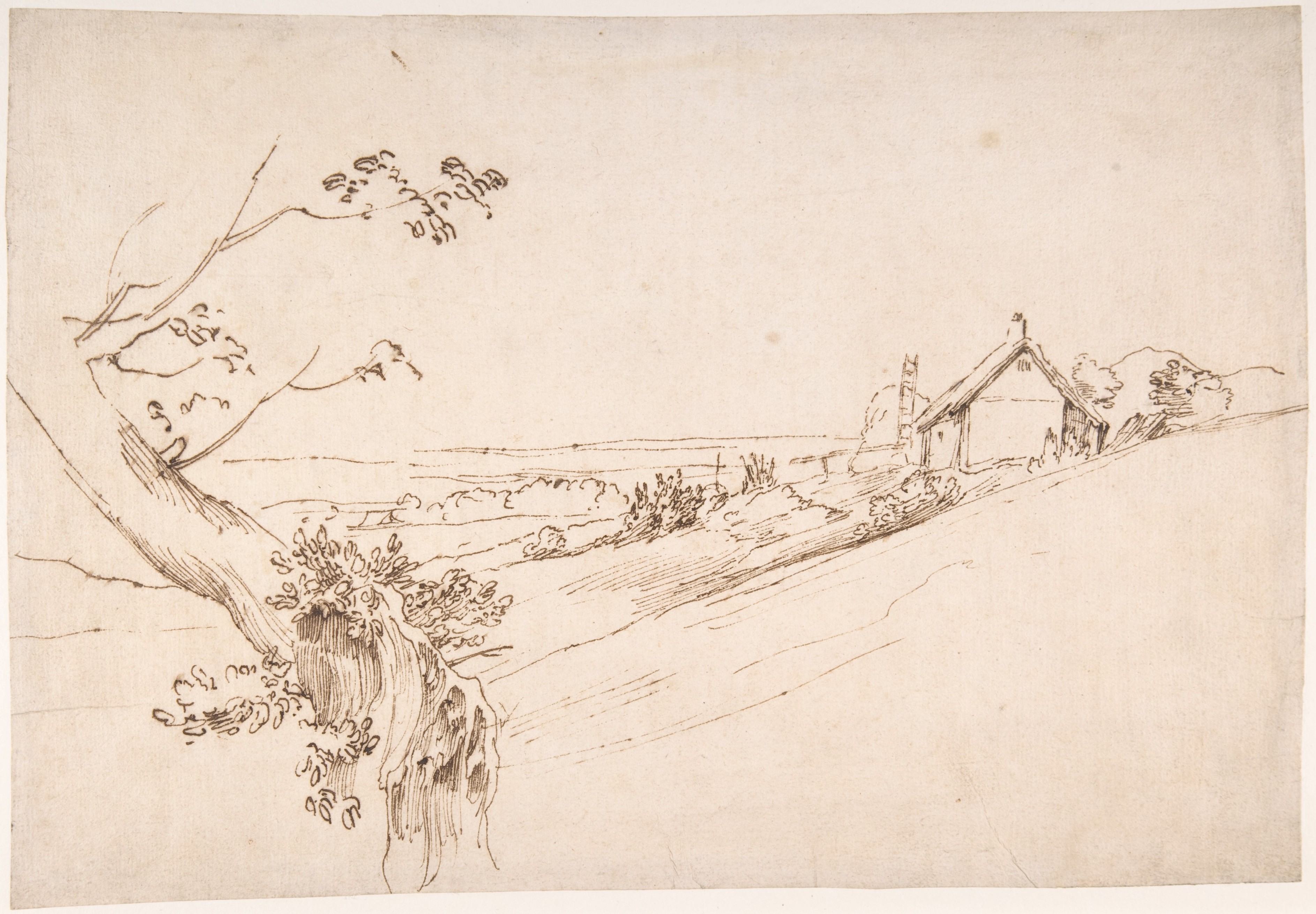
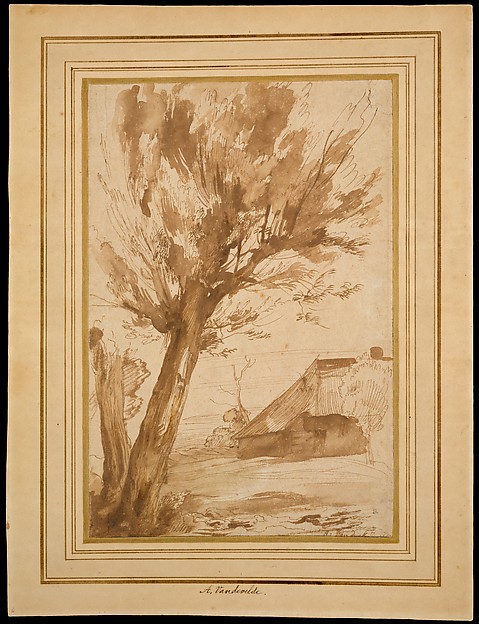
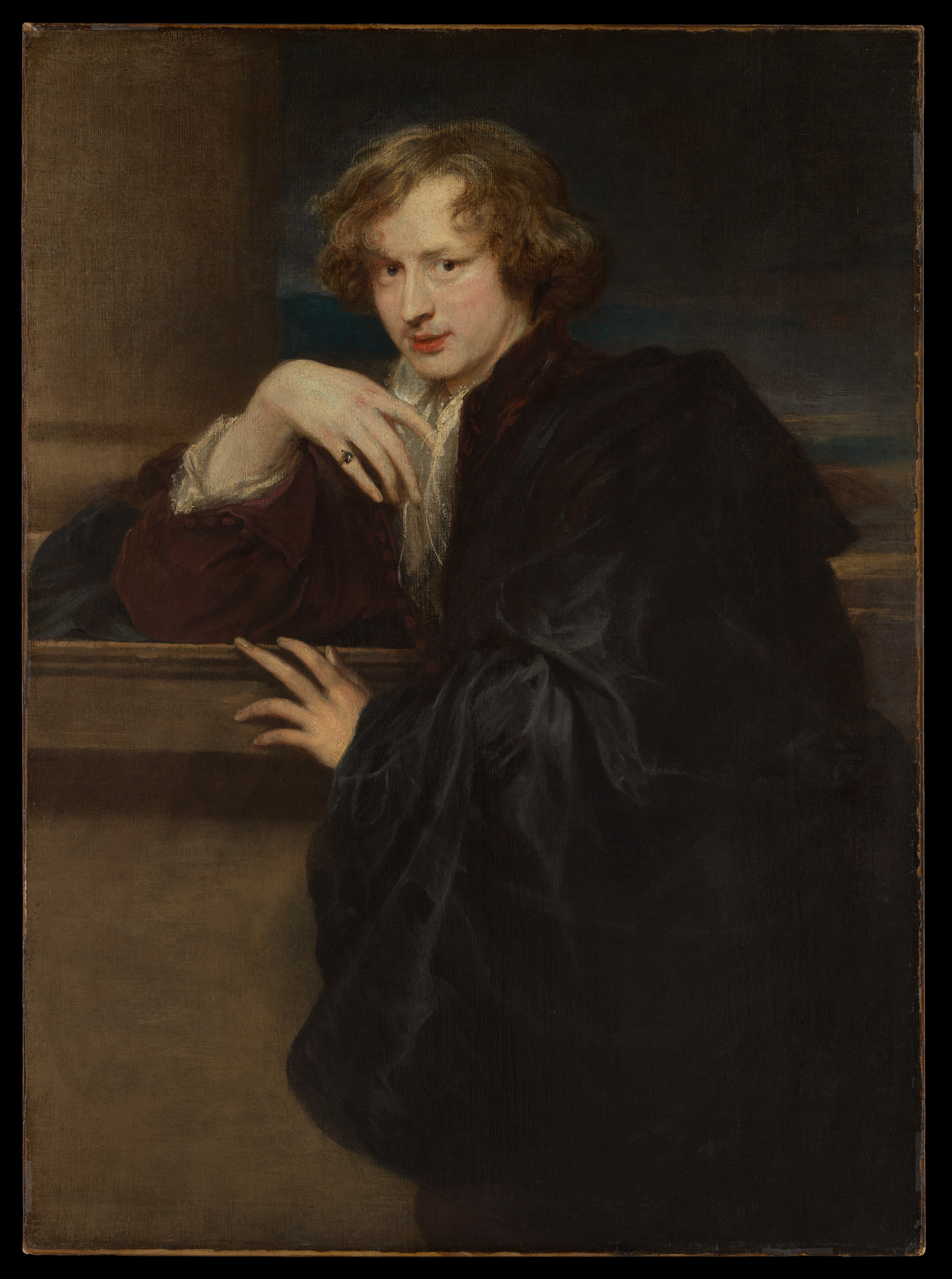
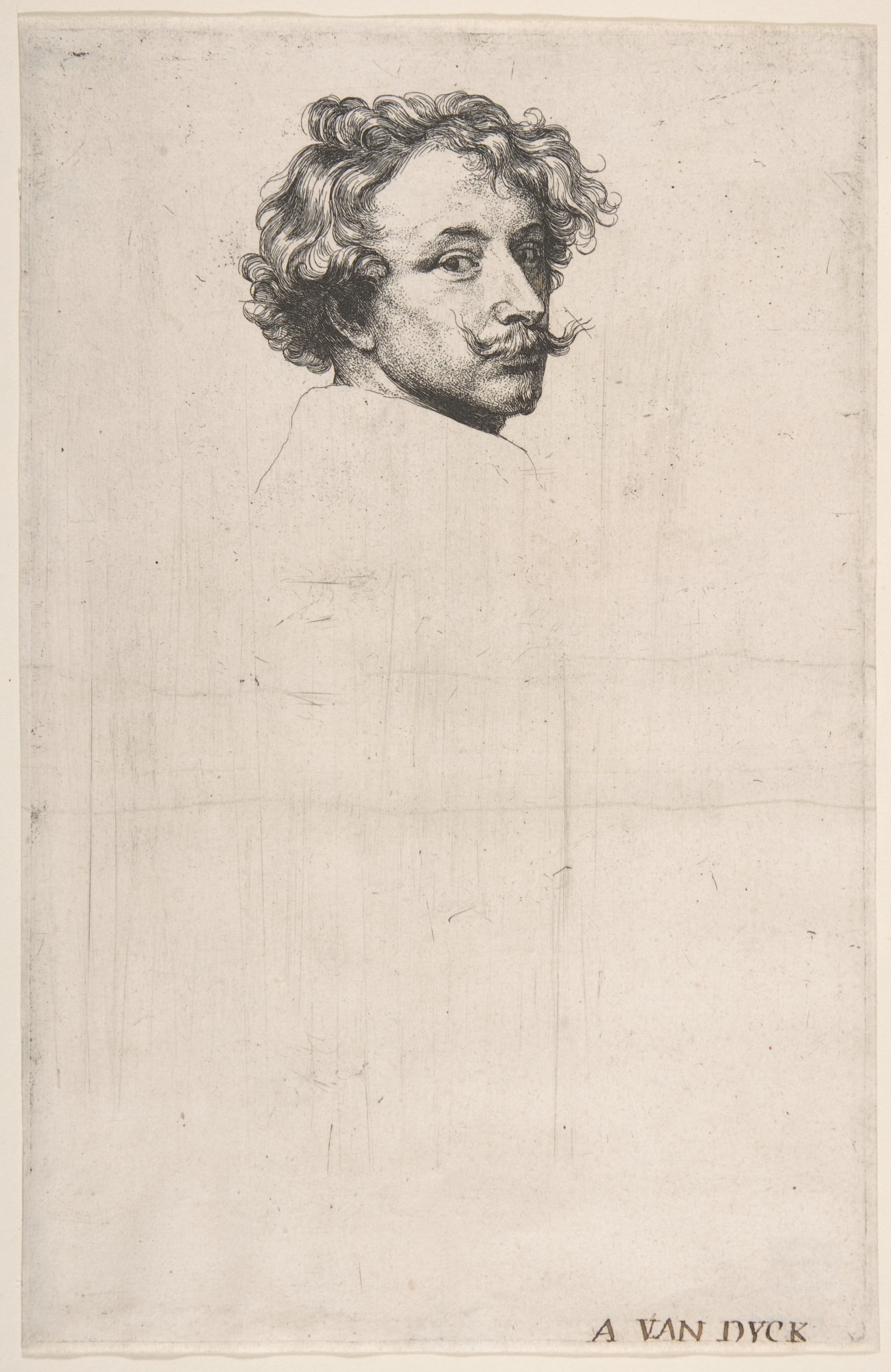
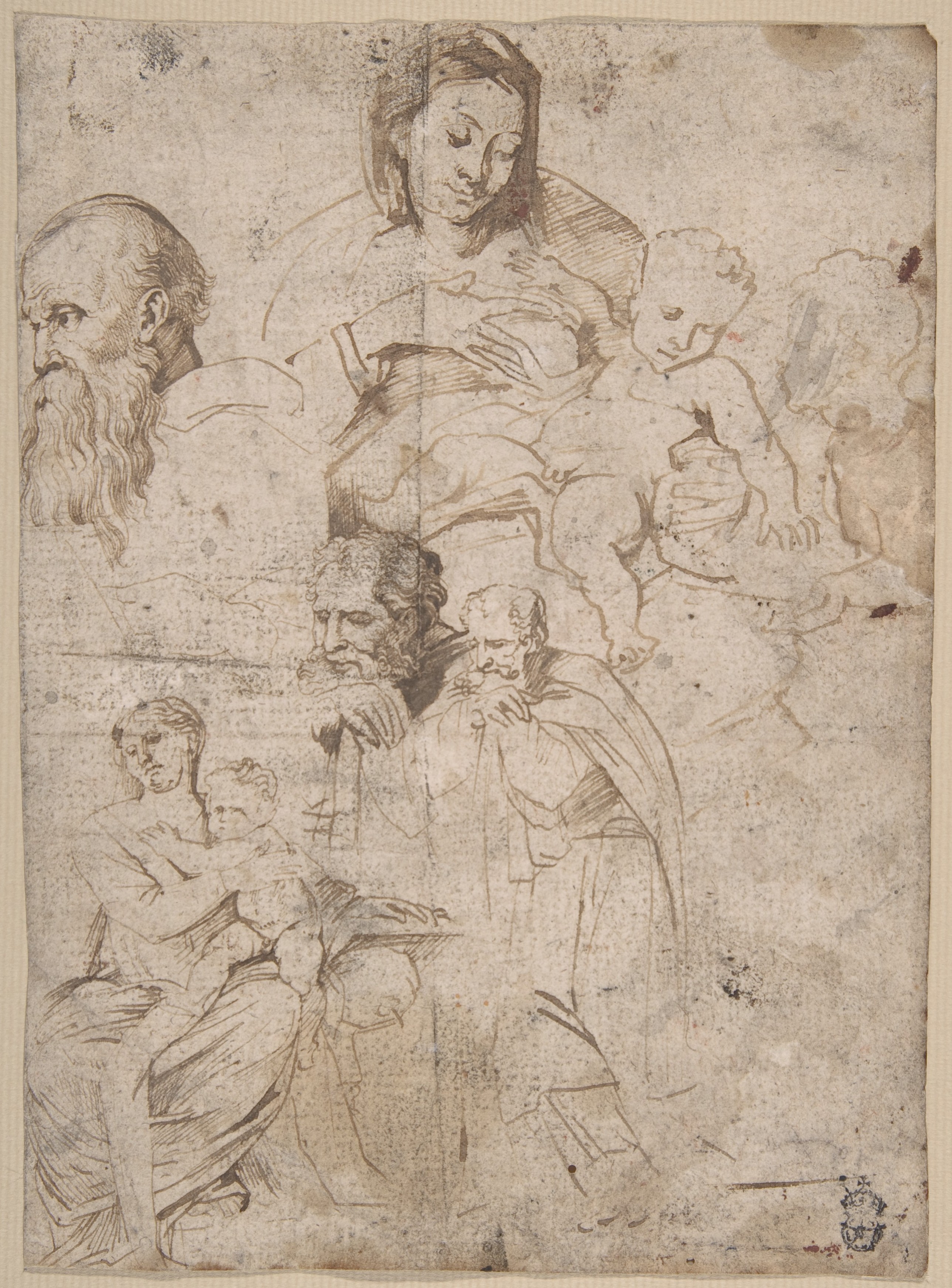
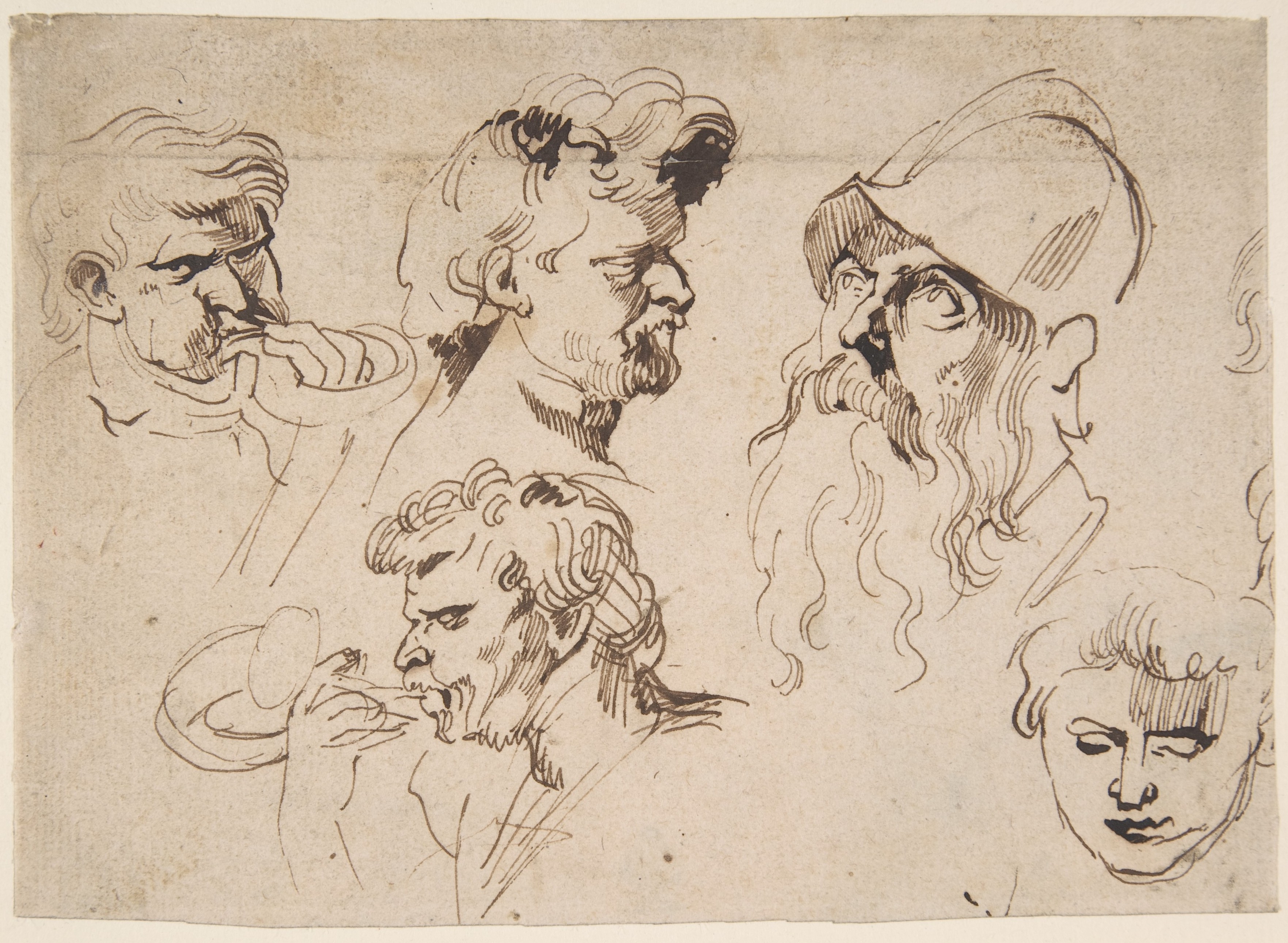
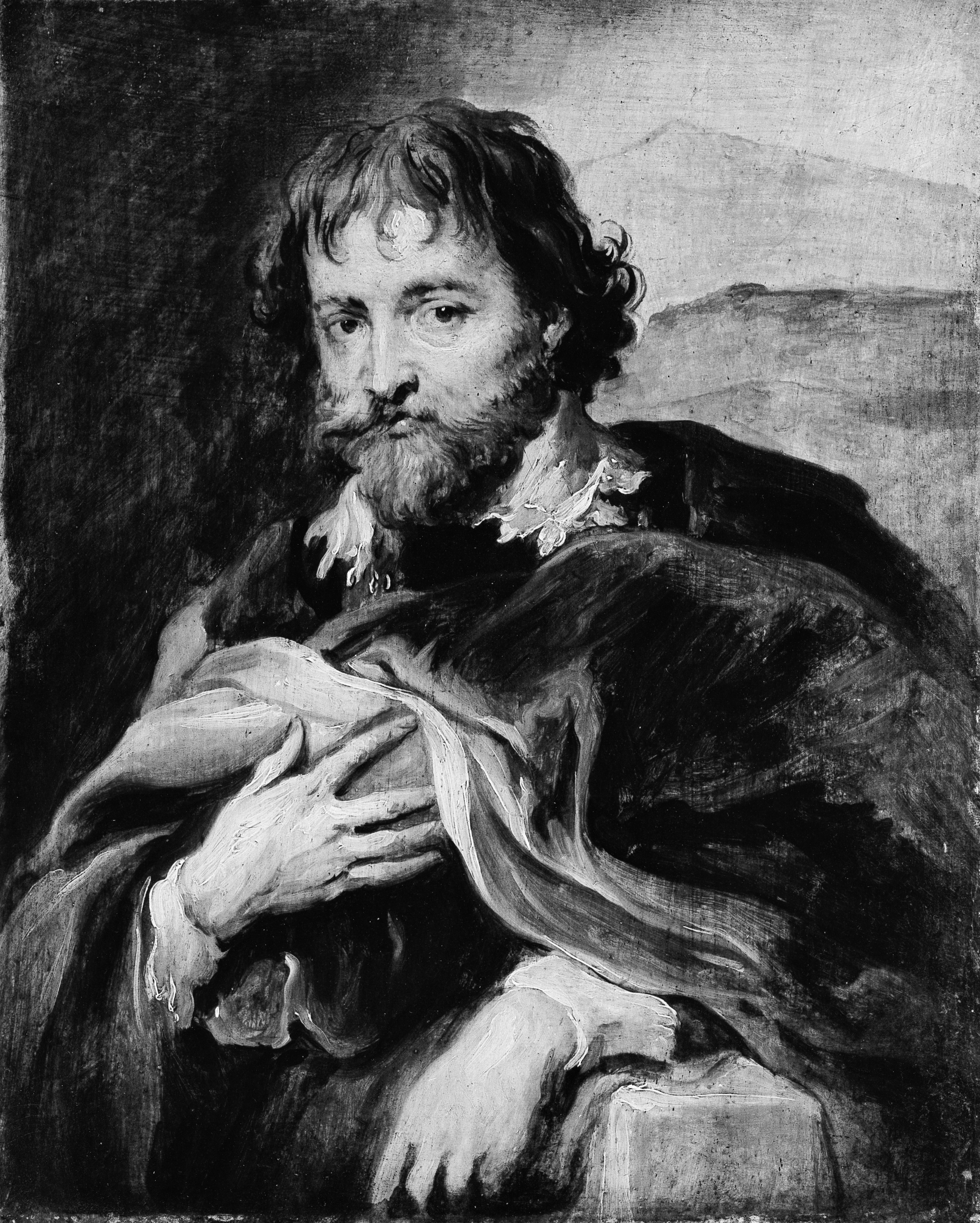
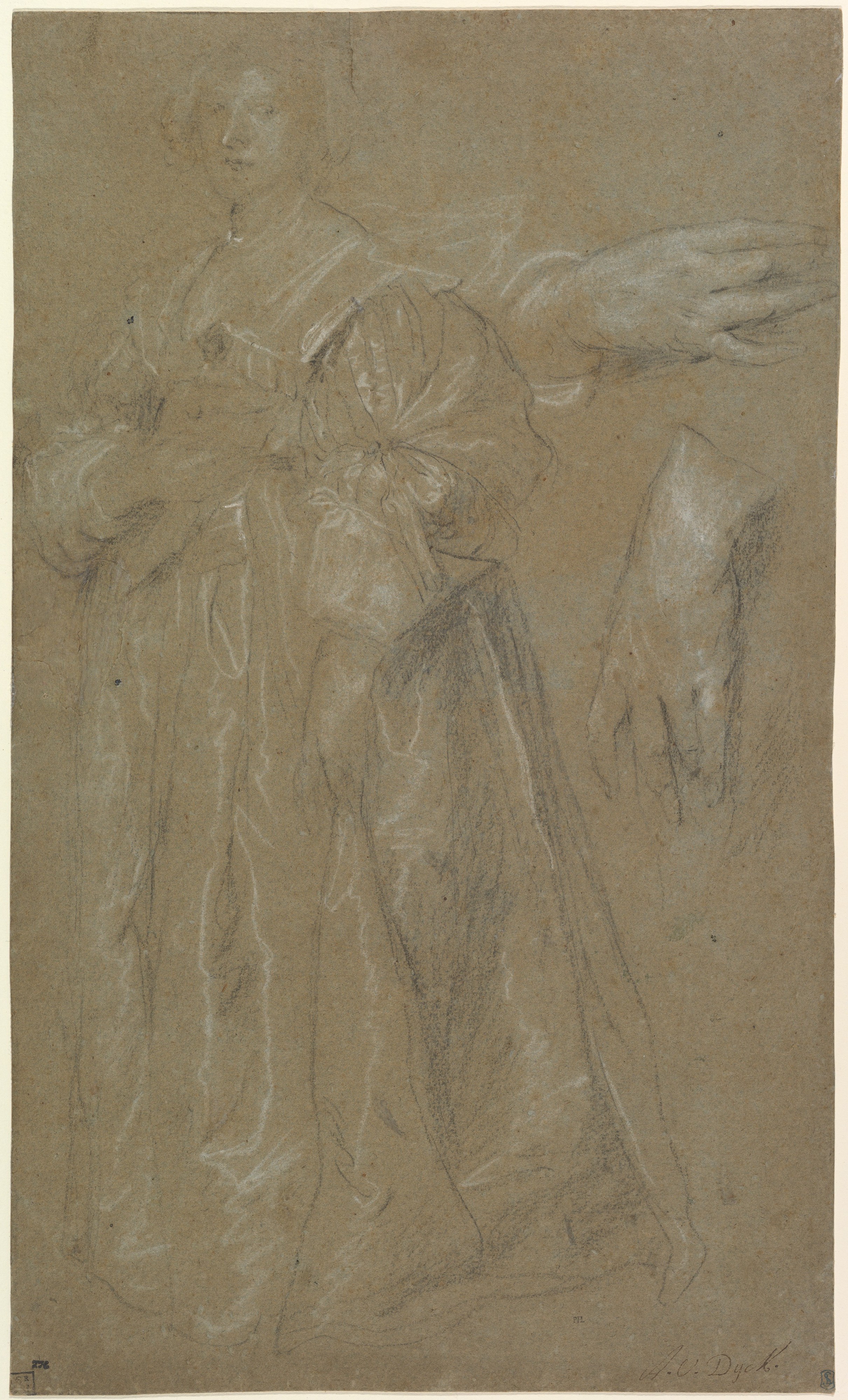
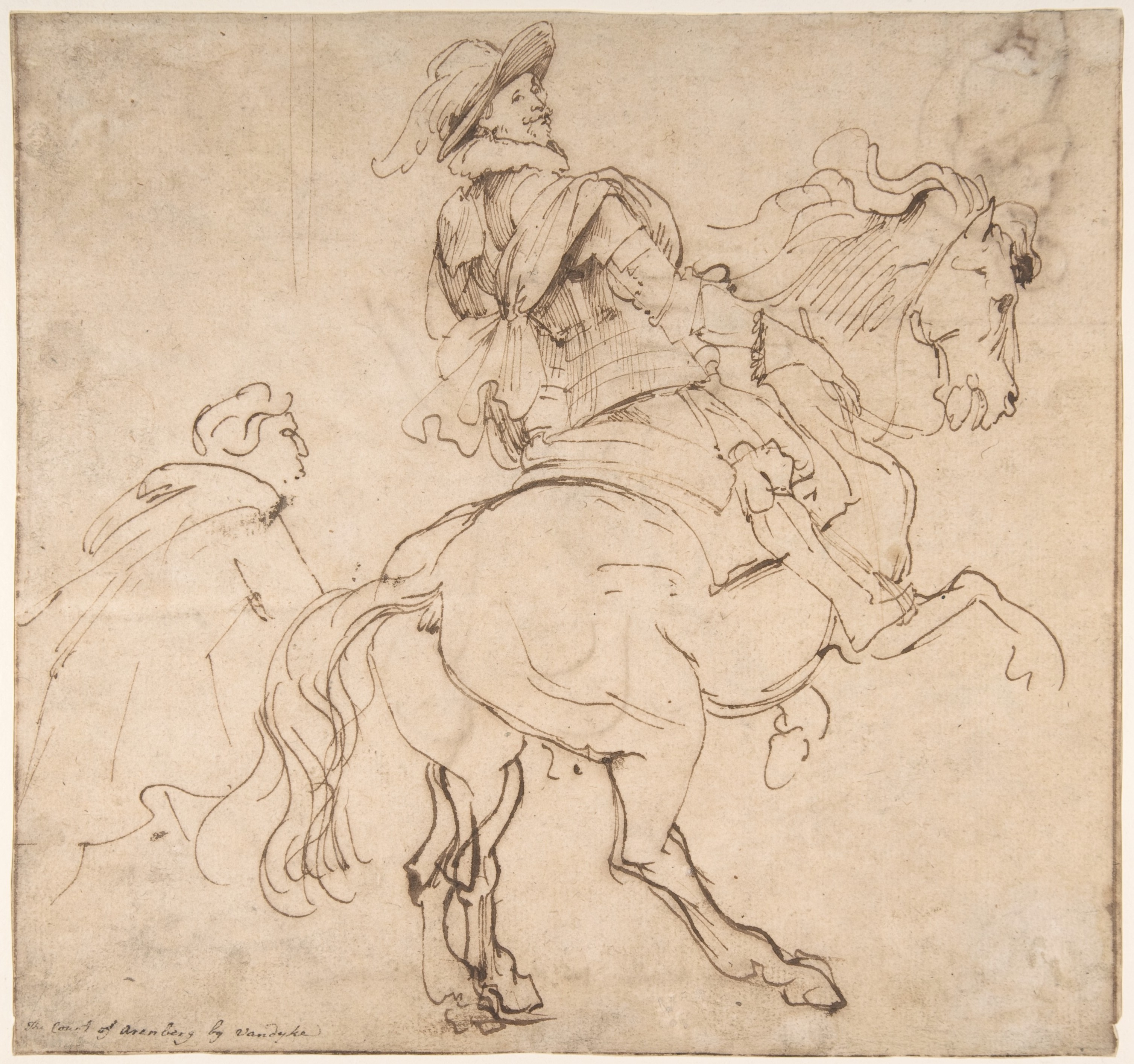
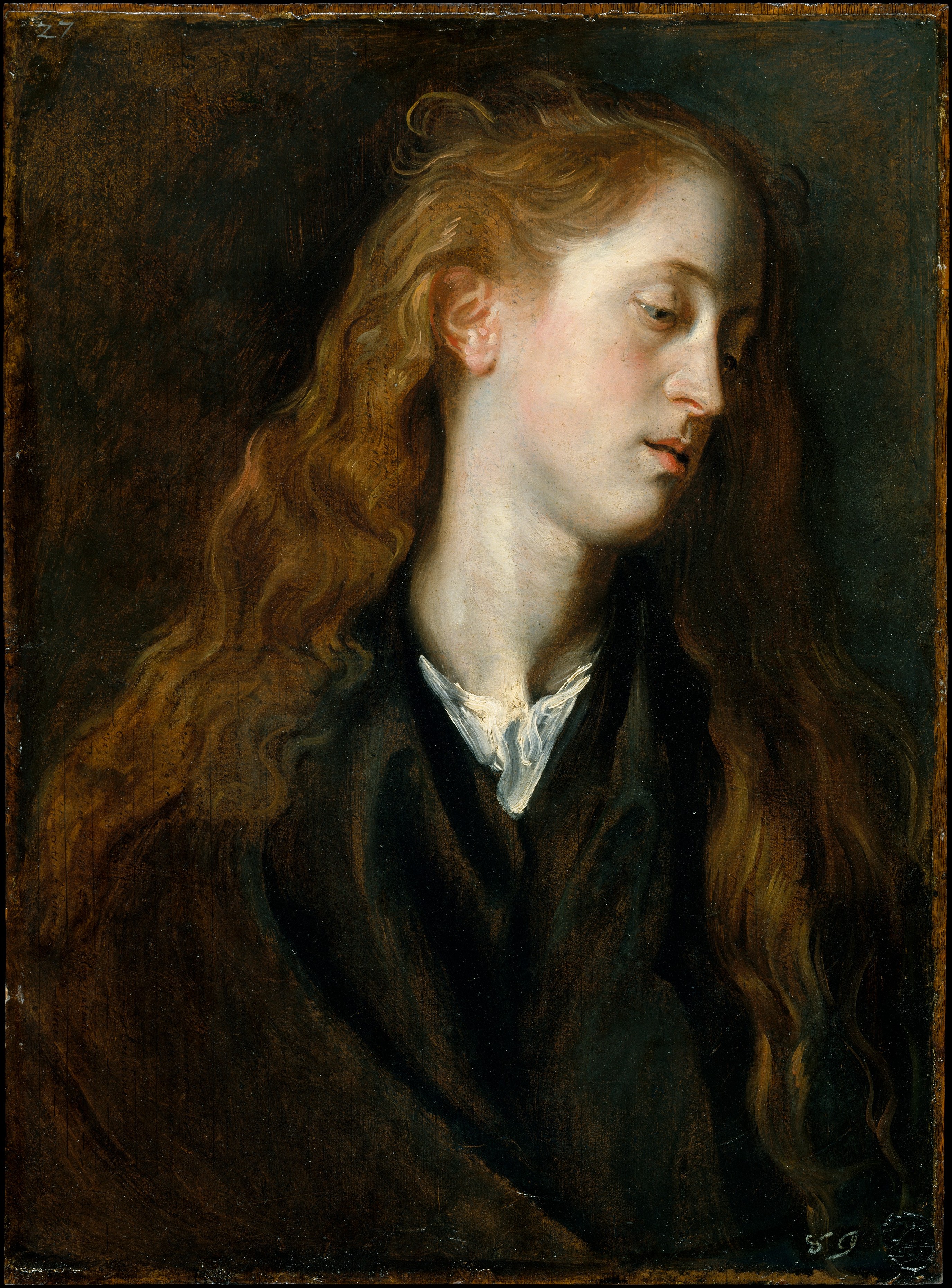
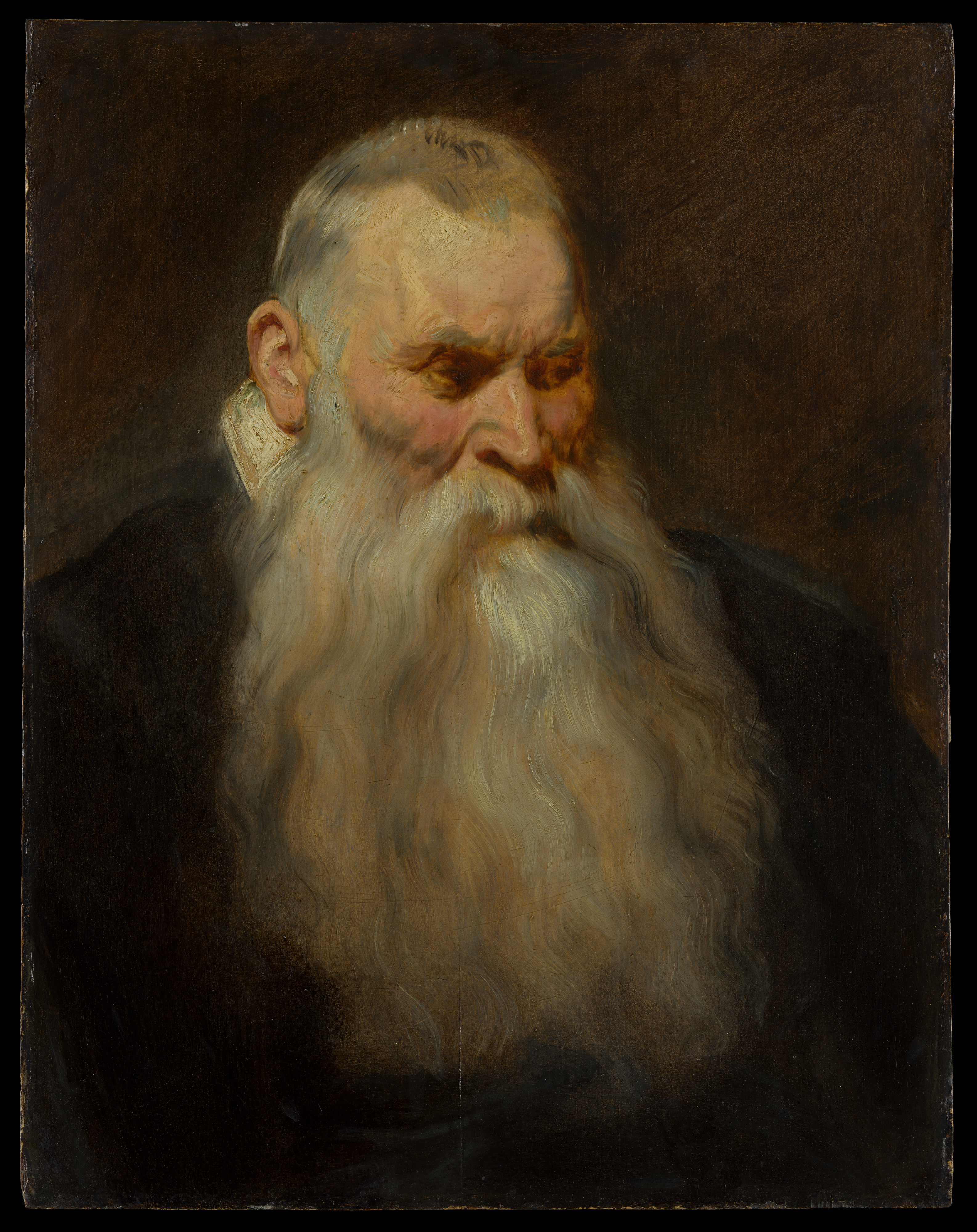
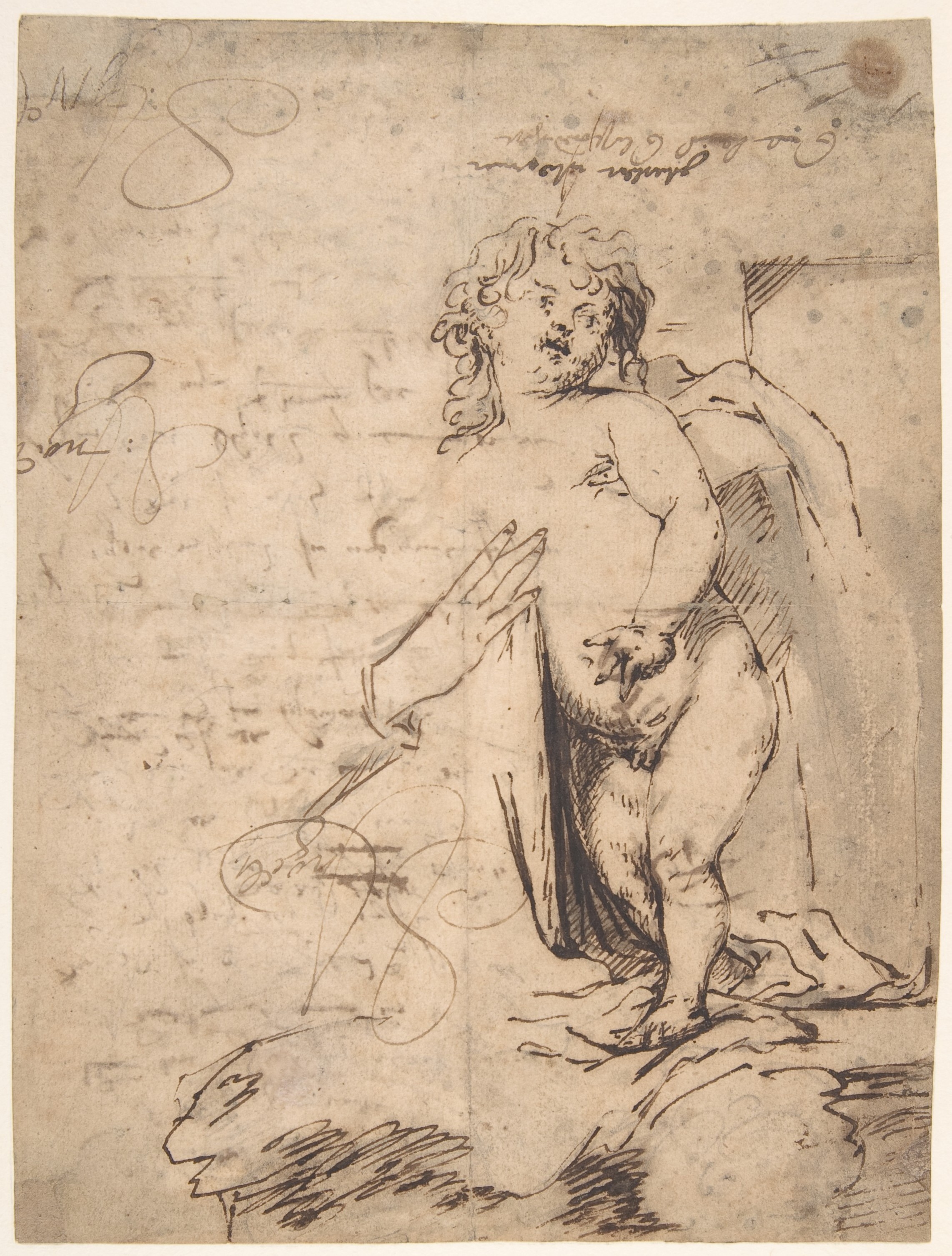
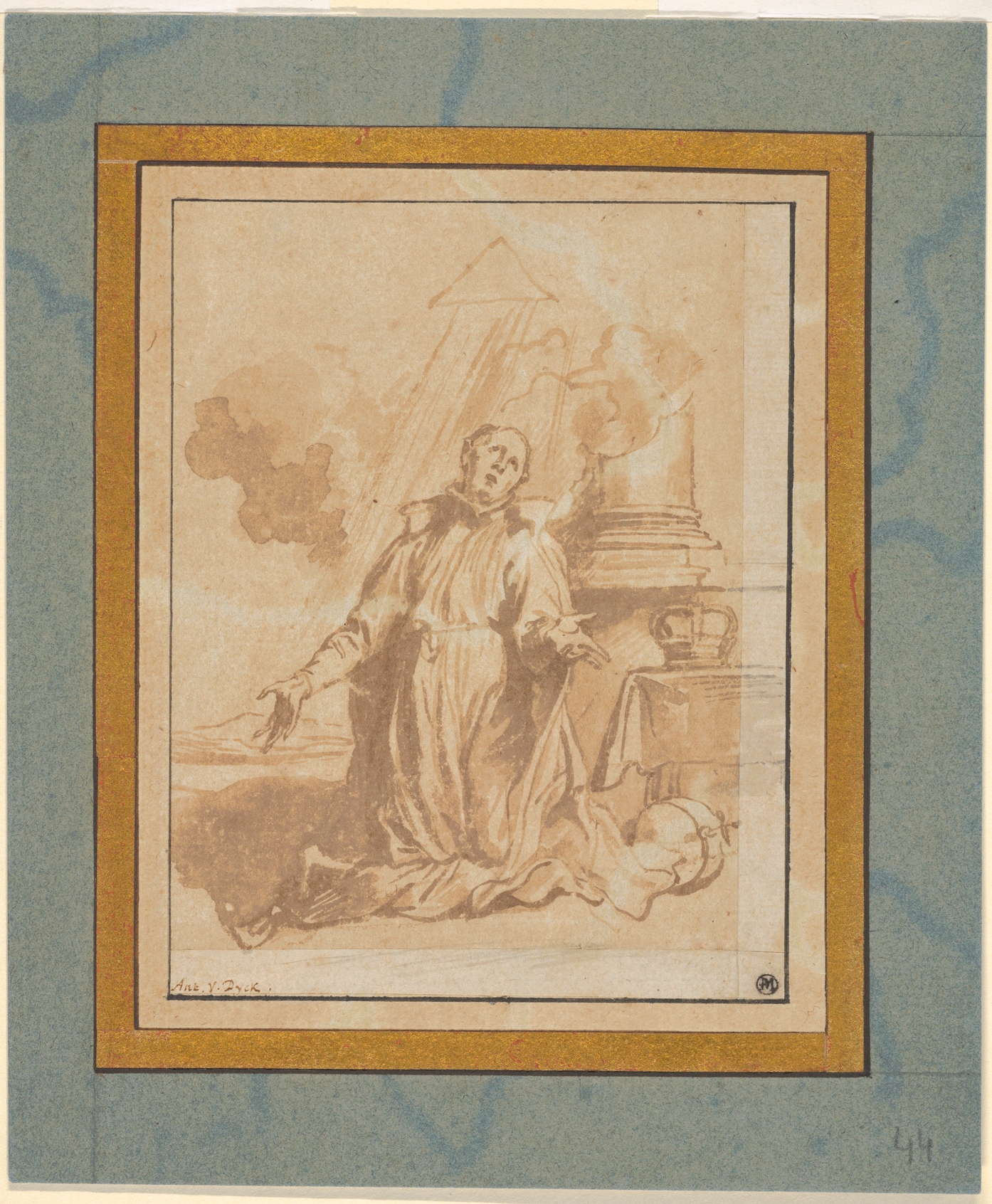
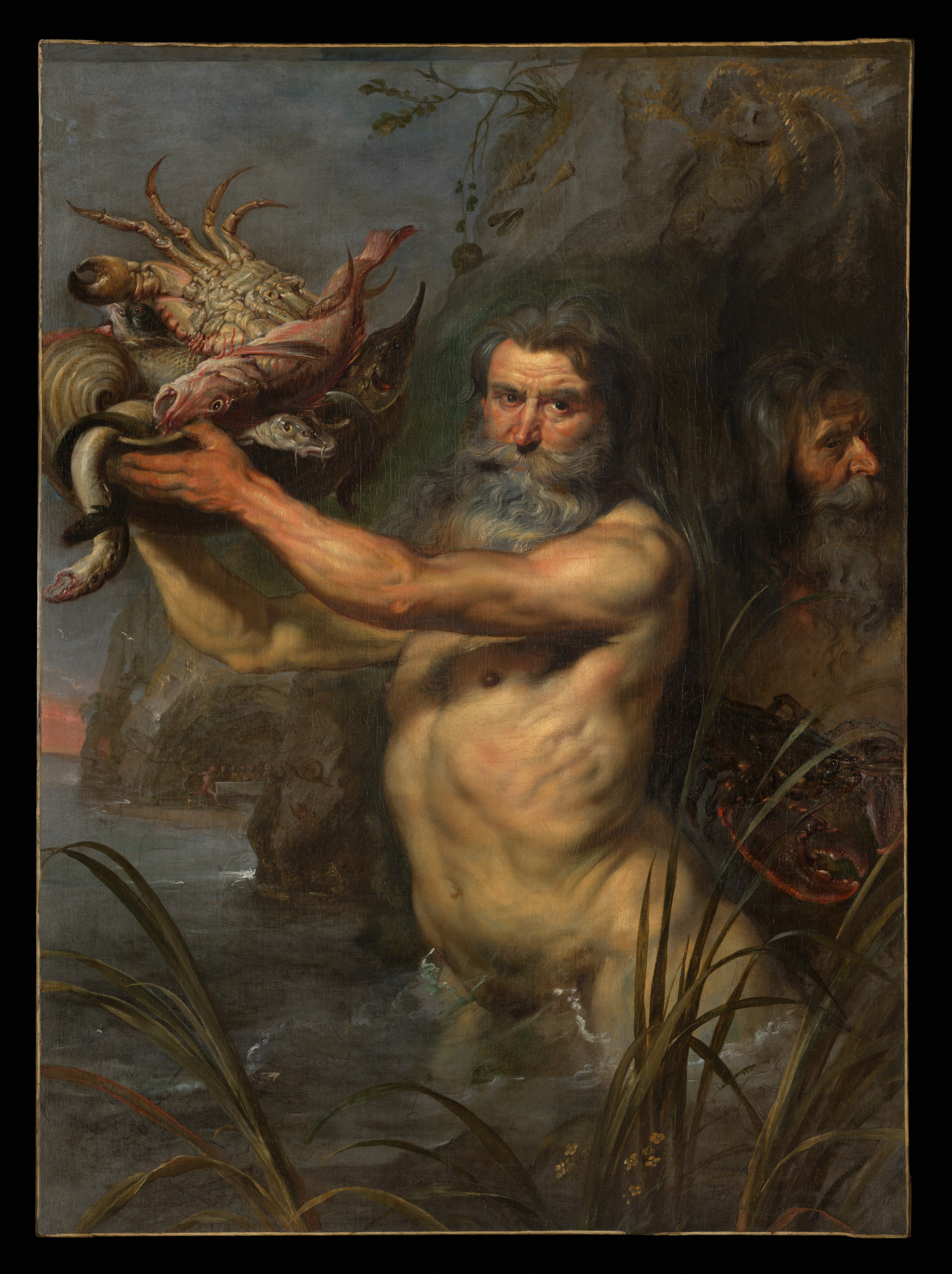
Anthony van Dyck created drawings using various media, including black and white chalk on blue paper for his 1610 work, "Head of an Apostle." He also used pen and brown ink for "Sheet of Studies of Heads" and for "Study for an Equestrian Portrait, Possibly that of Albert de Ligne, Count of Arenberg." This study, from 1623, also features black chalk on its verso, showing various studies of statues and figures. His 1615 work, "Albert de Ligne, Count of Arenberg, Prince of Brabançon (1600–1674)," was made with watercolor and oil. These works are part of The Metropolitan Museum of Art's collection.
Biography
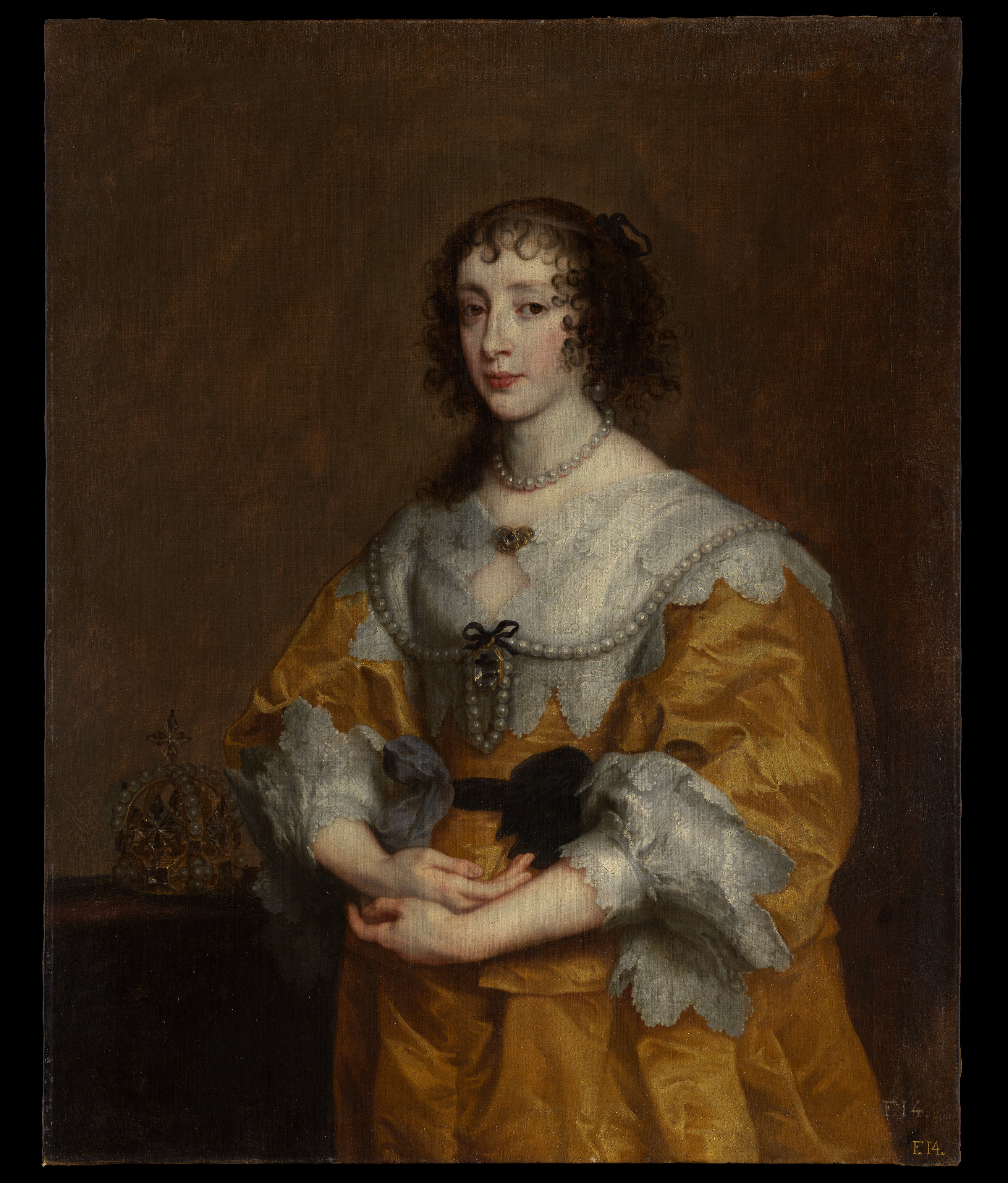
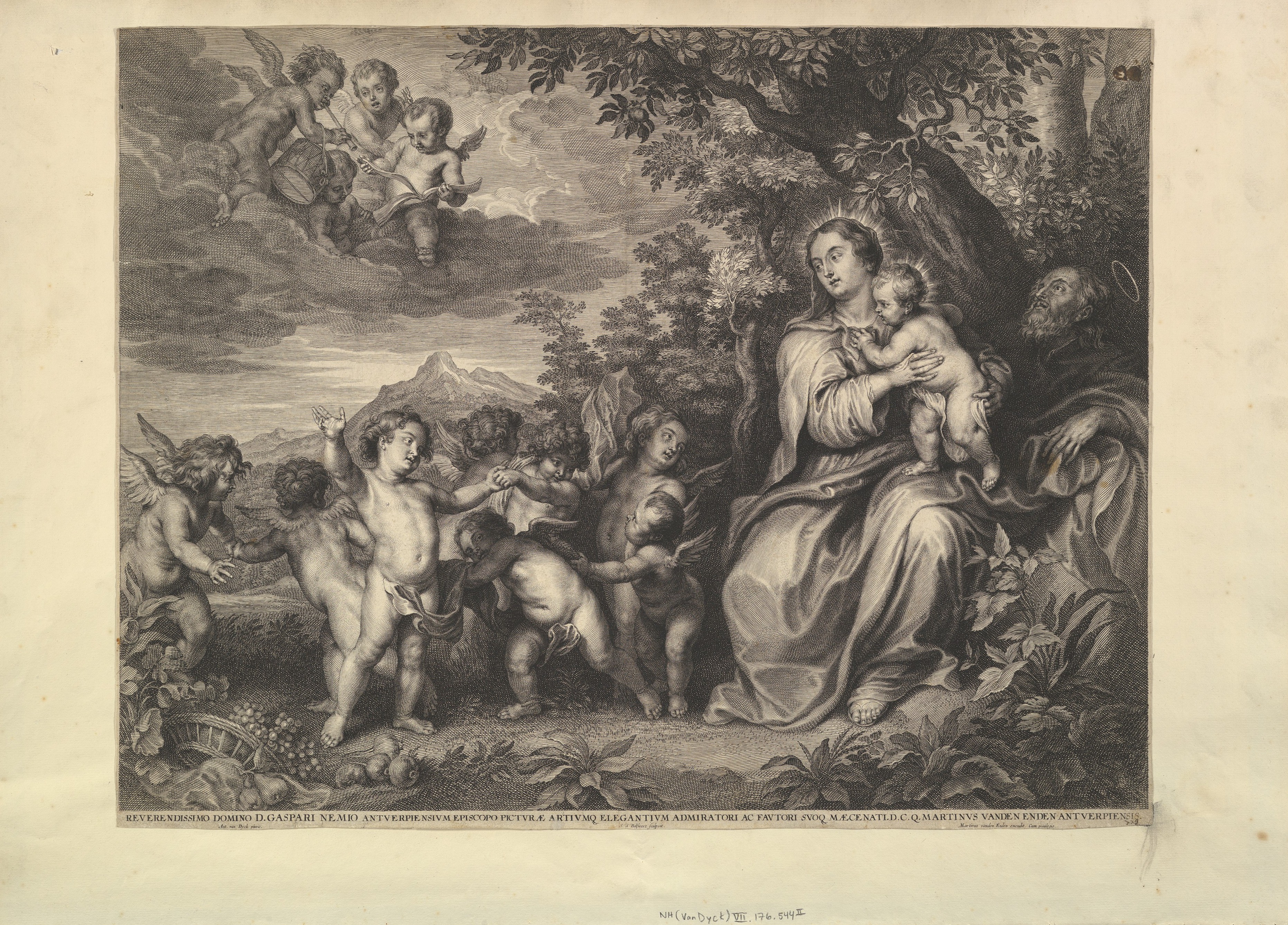
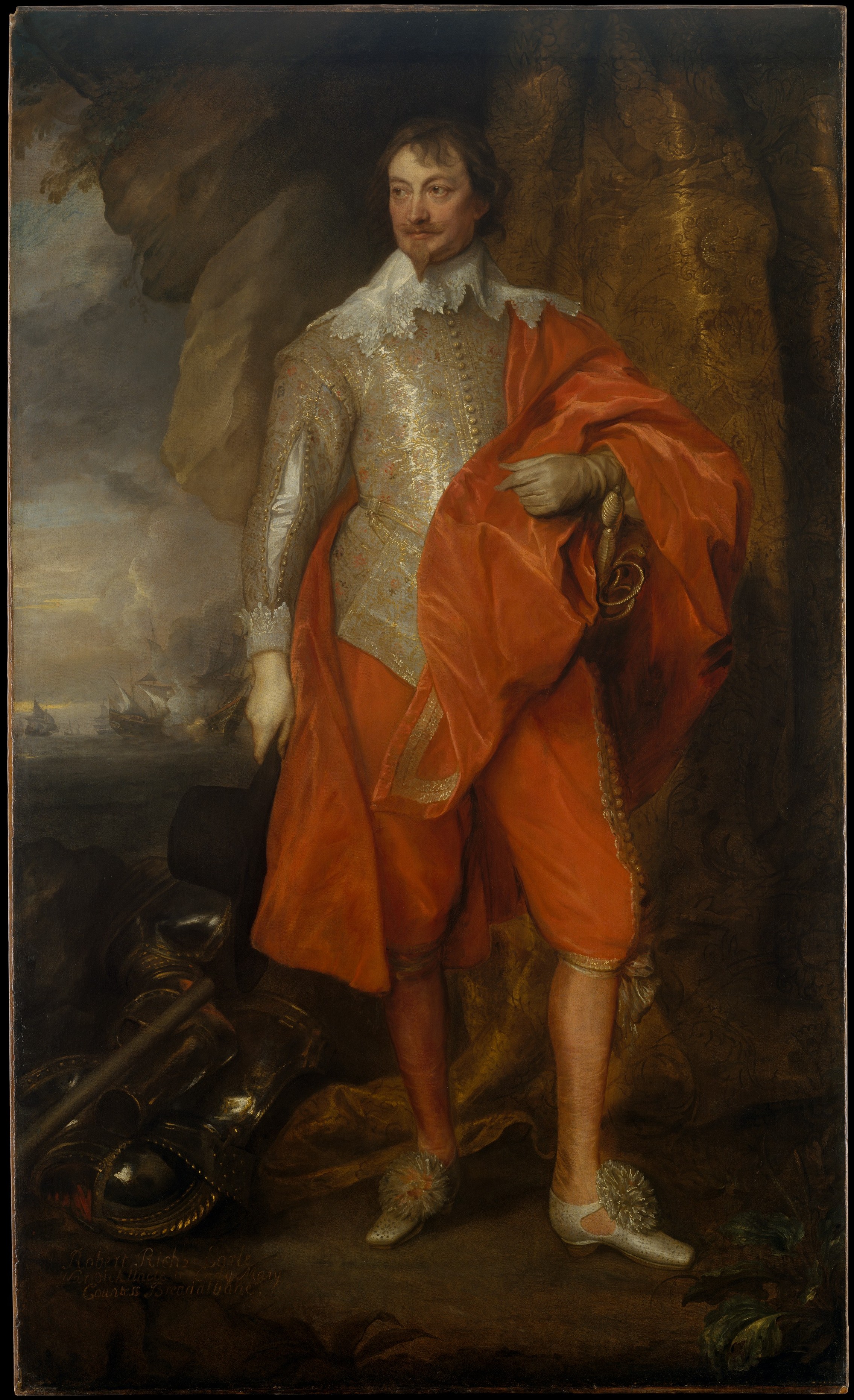
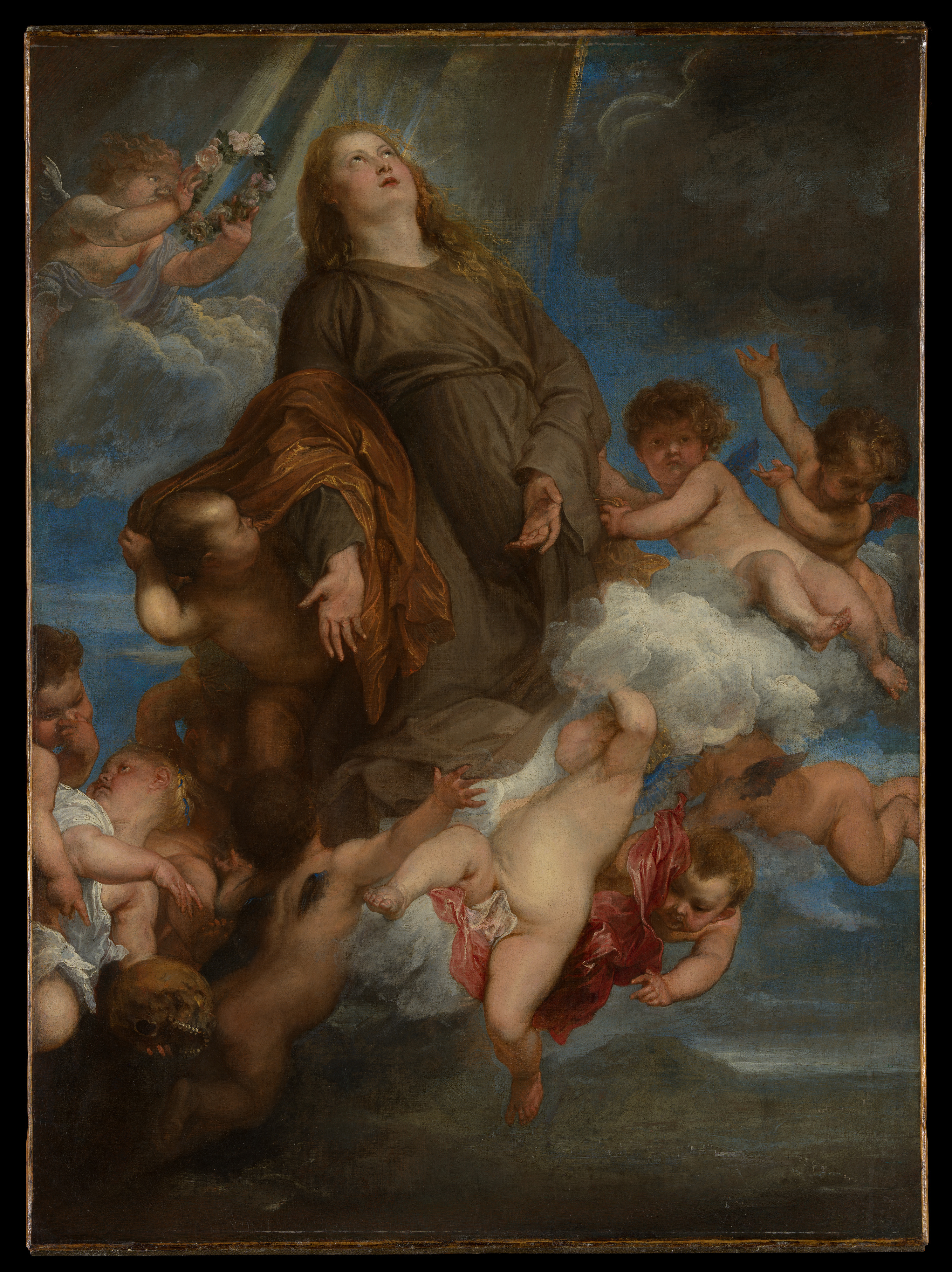
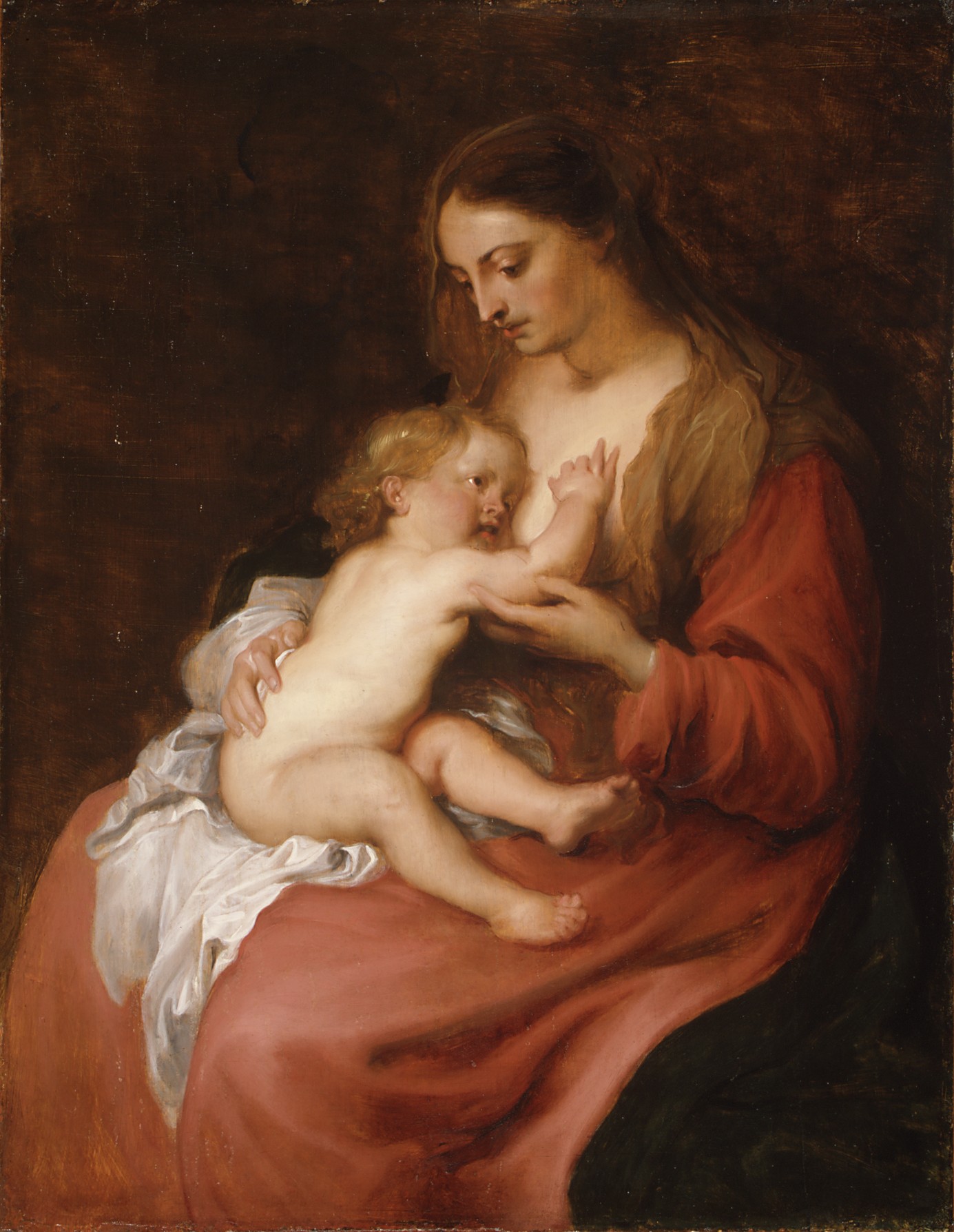
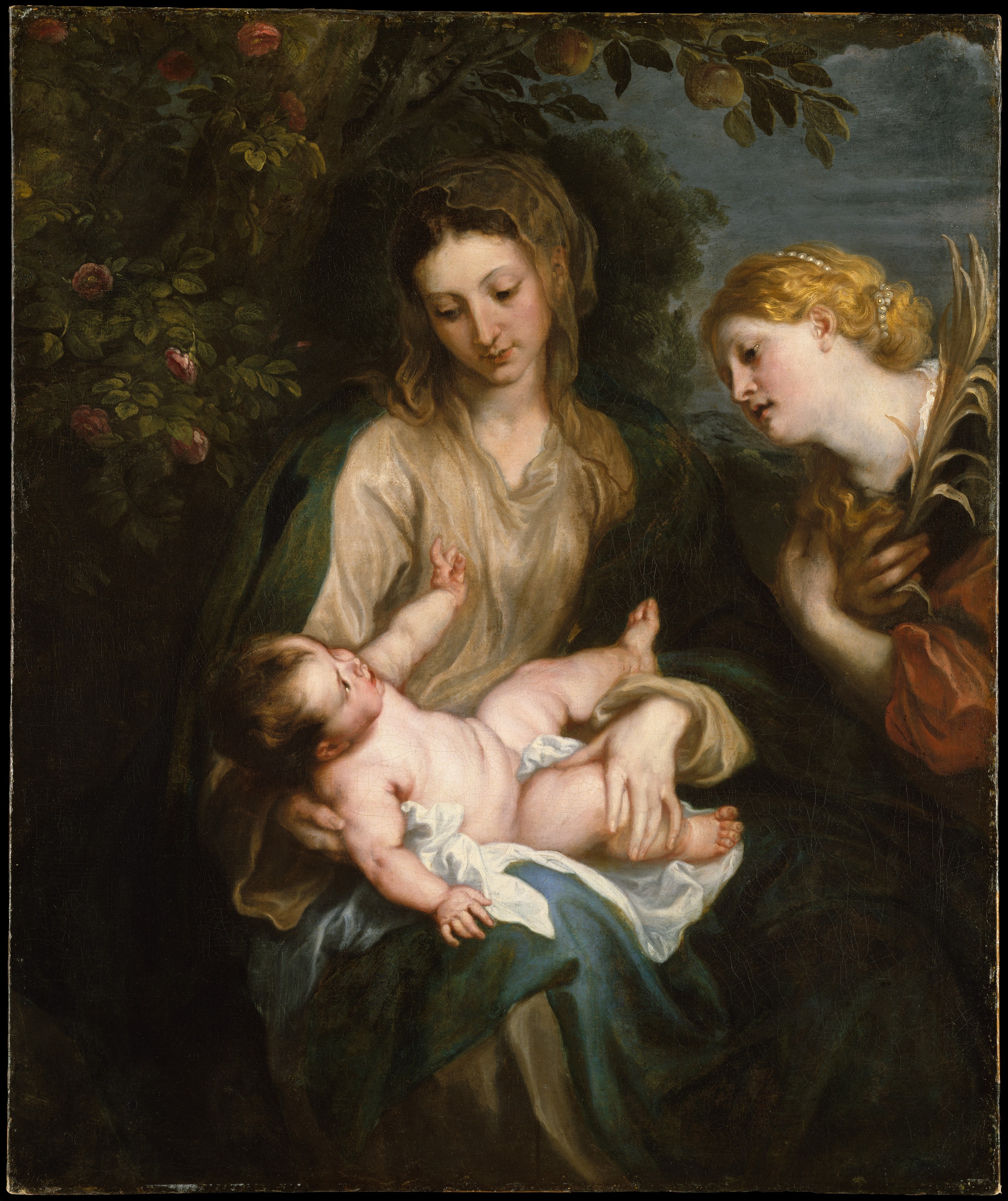
Anthony van Dyck was born in Antwerp, Spanish Netherlands, on March 22, 1599, to Franchois Van Dyck and Maria Cuypers. He was a painter, etcher, court painter, and draftsperson, working in the Baroque painting movement. He was influenced by Peter Paul Rubens and created works in genres such as portrait painting, religious painting, mythological painting, allegory, history painting, and animal painting. He spoke Dutch and was a Flemish citizen. Van Dyck worked in many locations, including Antwerp, London, Brussels, Haarlem, The Hague, Genoa, Palermo, Mantua, Rome, Venice, Bologna, Florence, Zaventem, Aix-en-Provence, Marseille, and Naples. Some of his notable works include "Jupiter and Antiope" from 1620, "Charles I at the Hunt" from 1635, and "Portrait of Catarina Balbi Durazzo" from 1624. He also painted "Charles I in Three Positions" in 1635, and "Christ of the Coin" in 1625. Anthony van Dyck died in Blackfriars, London, on December 9, 1641.
Works