10 July 1830 – 13 November 1903 · Charlotte Amalie
Camille Pissarro
Work
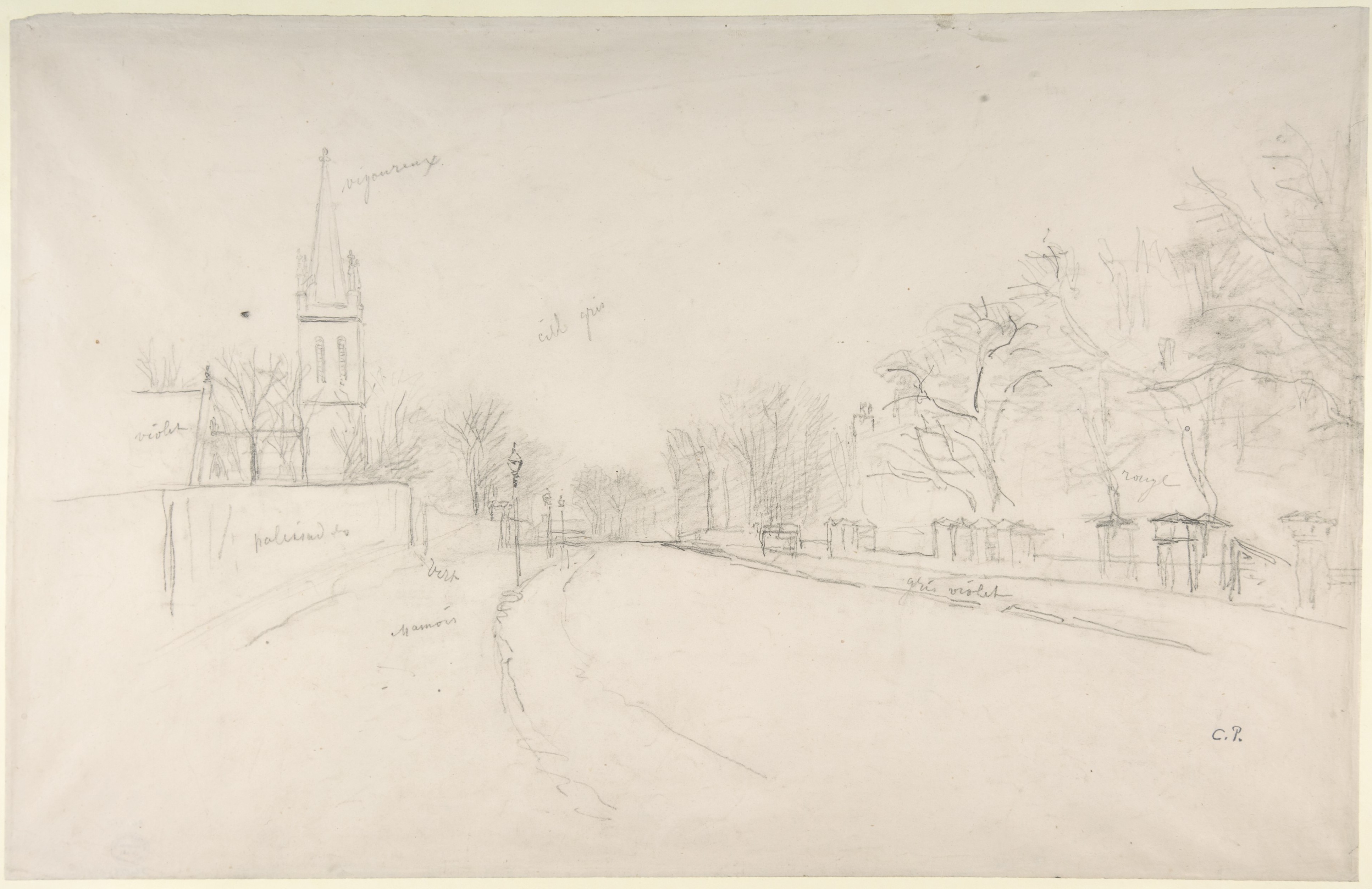
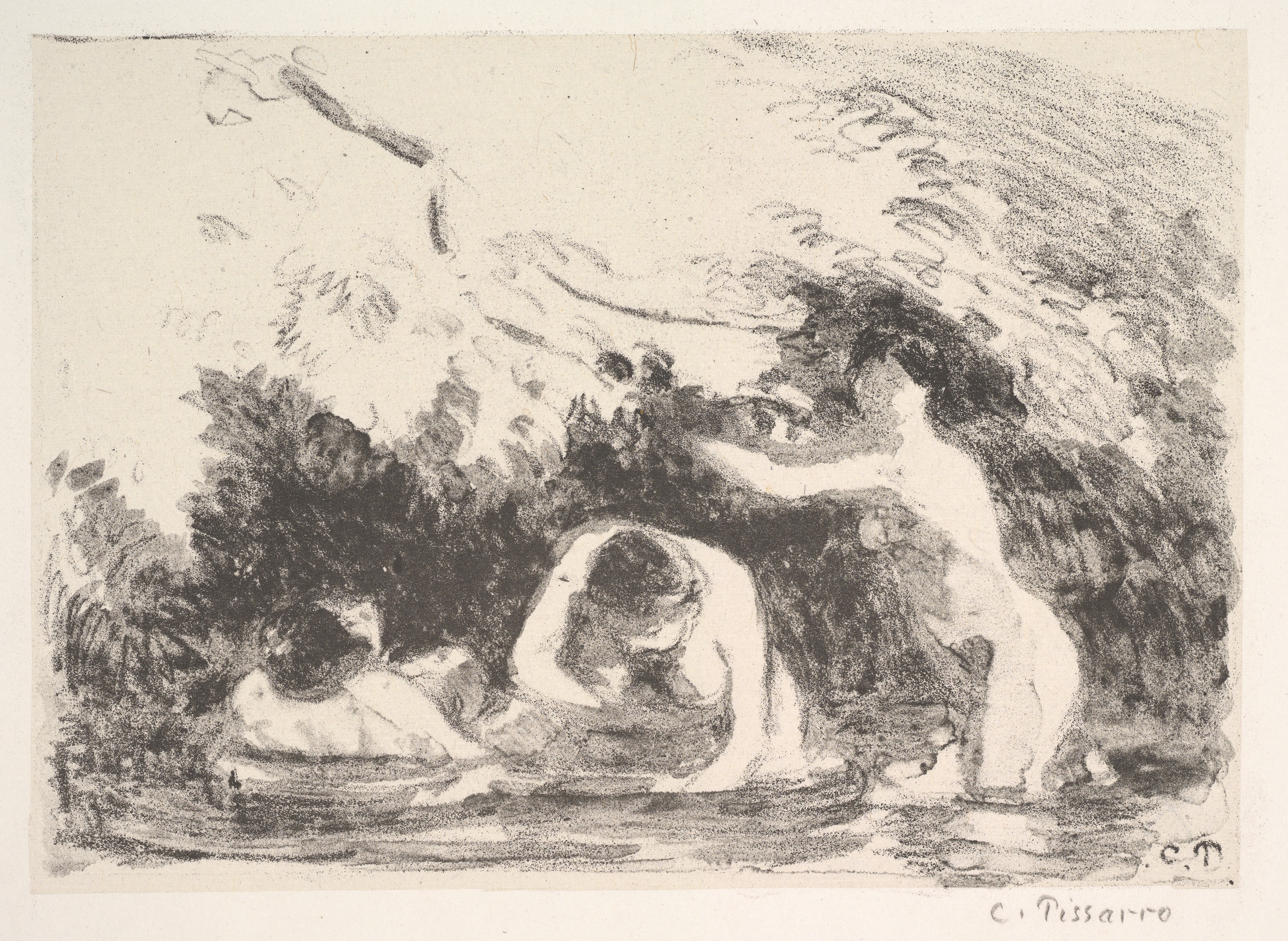
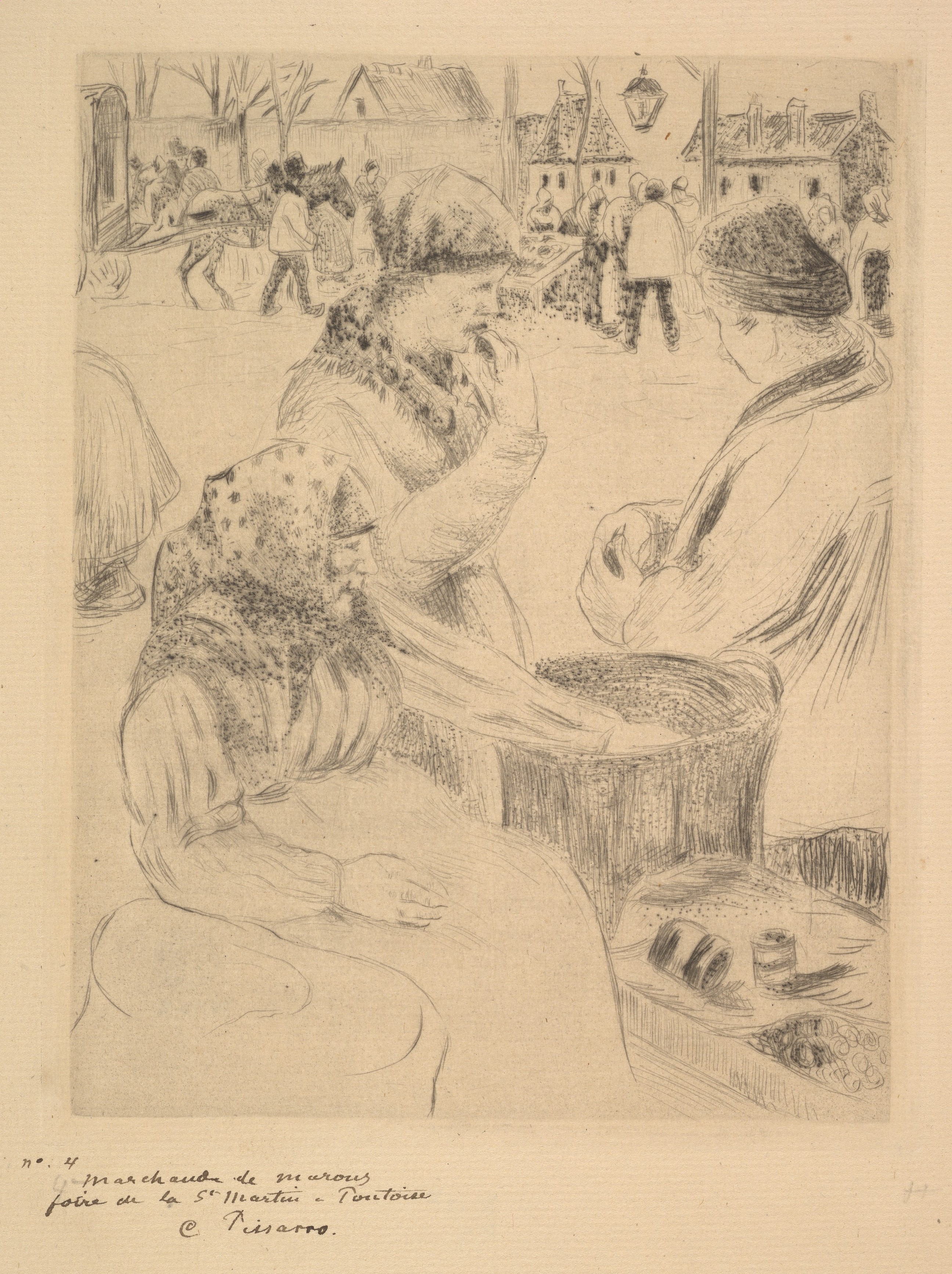
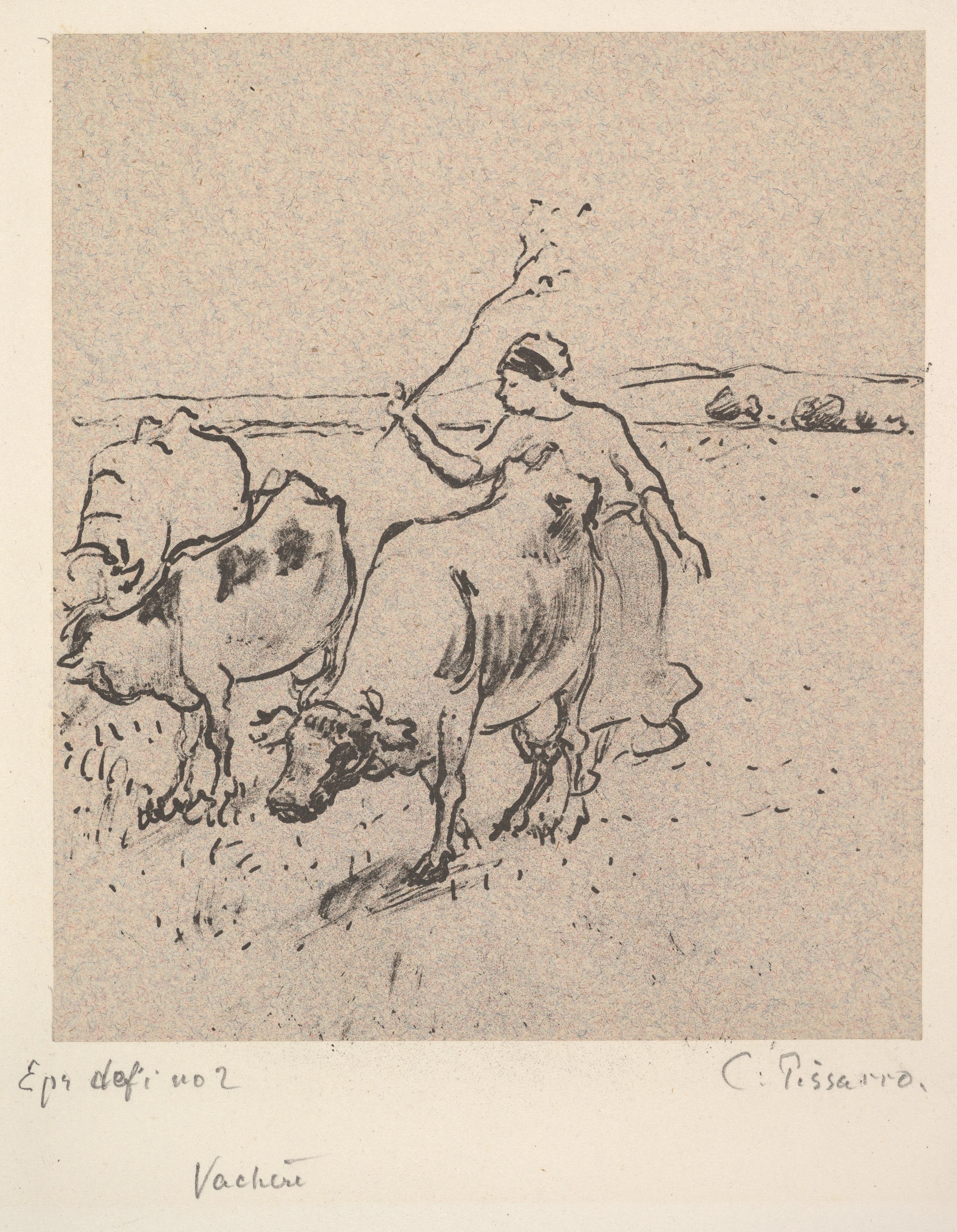
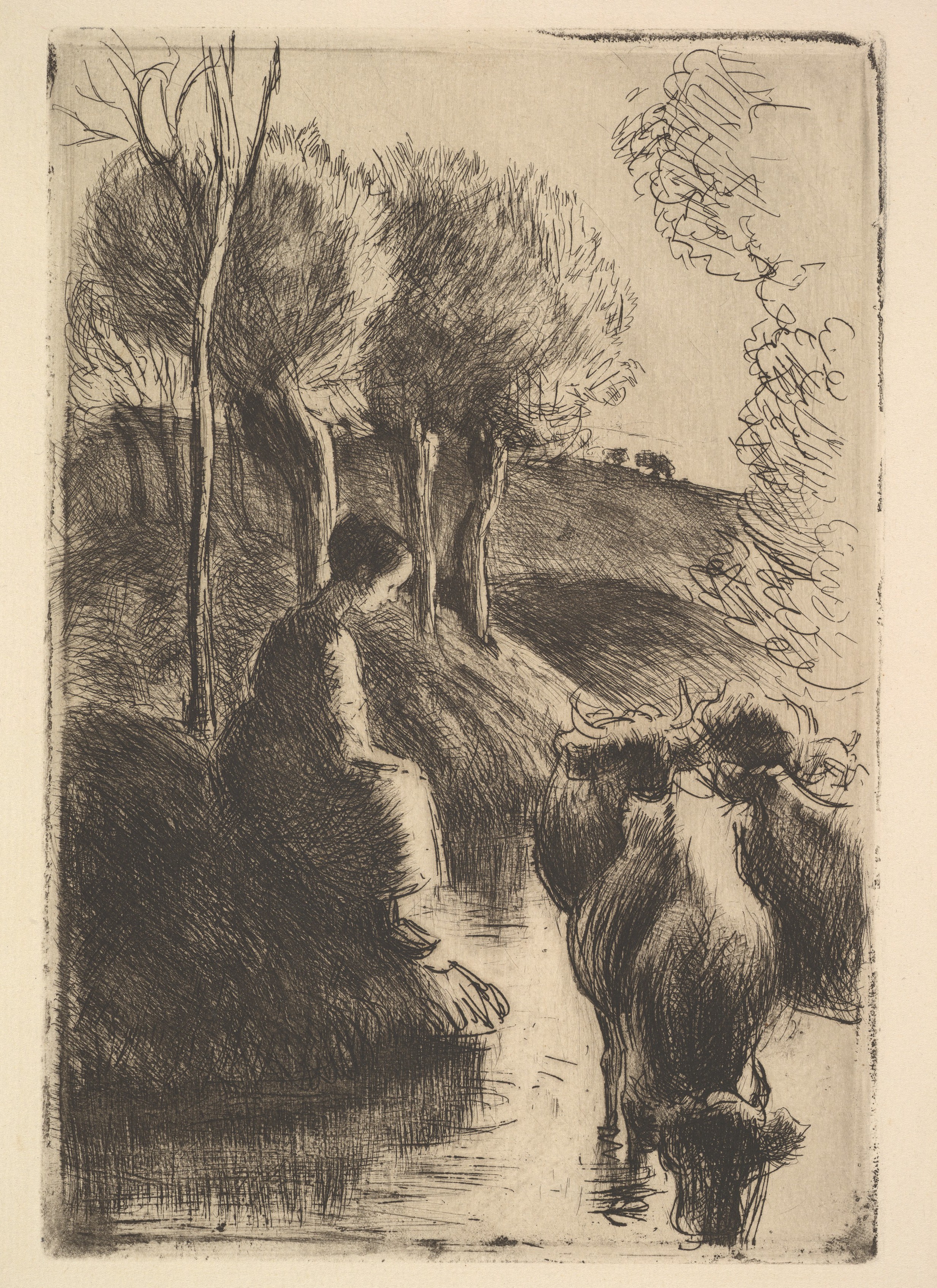
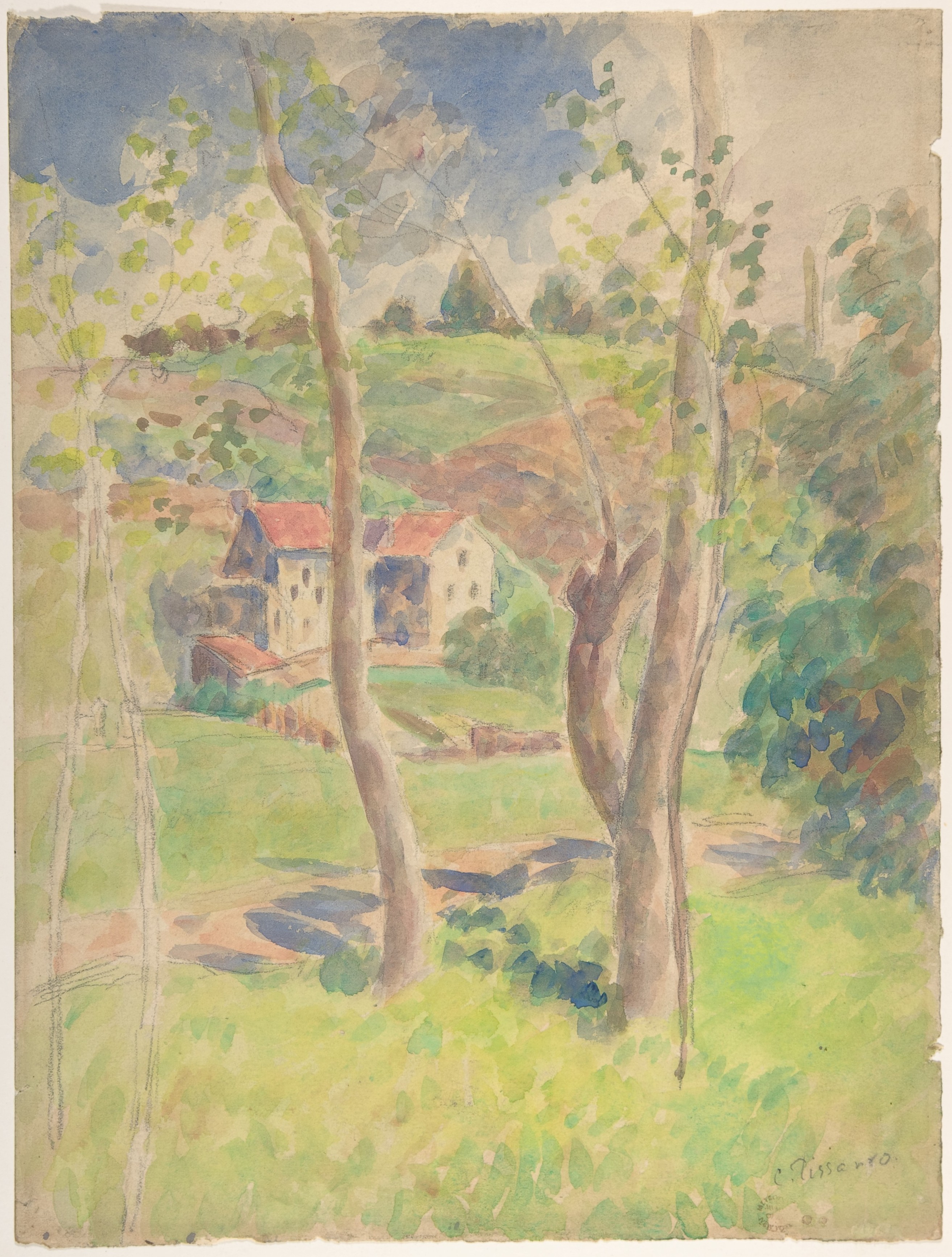
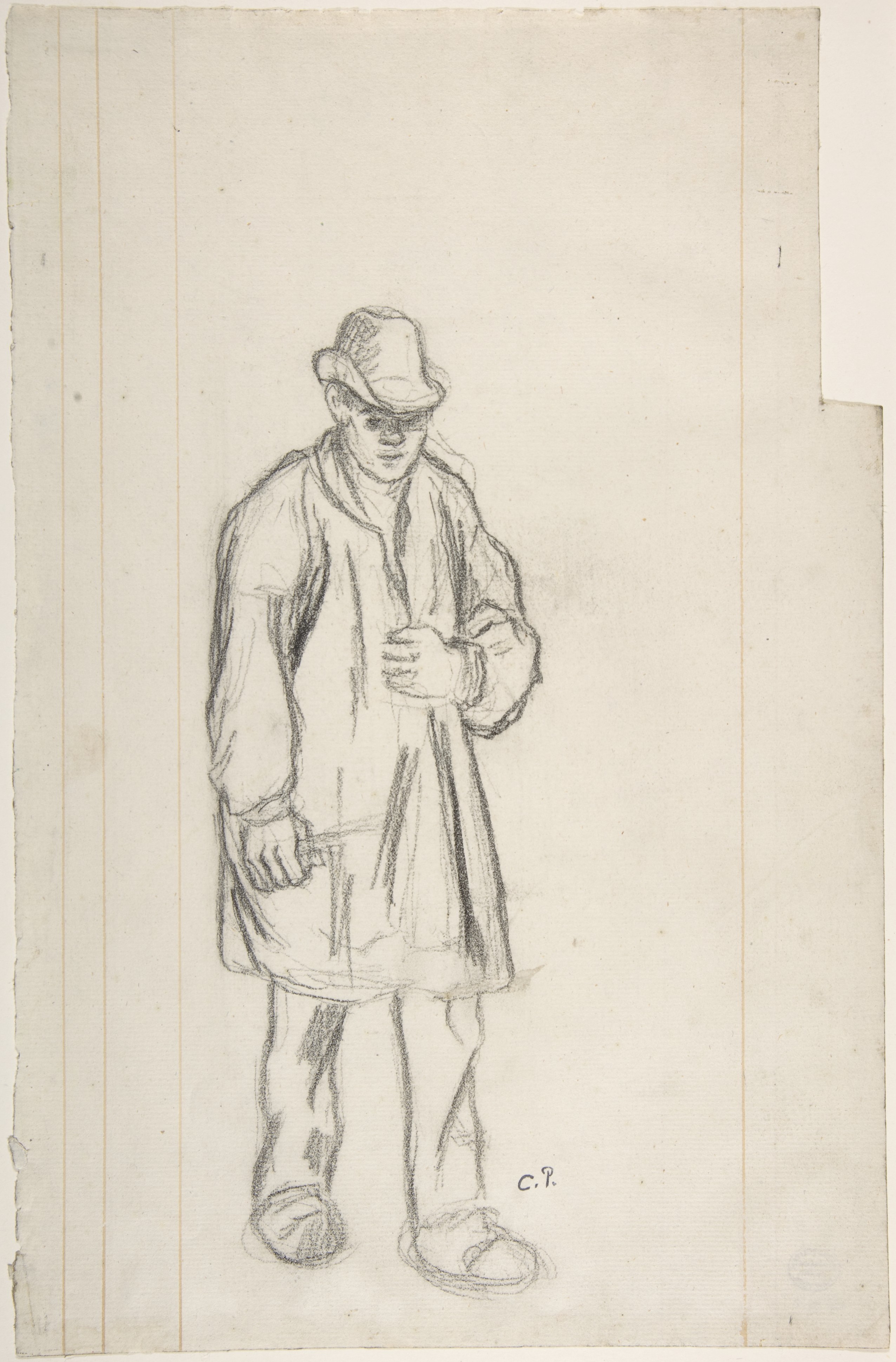
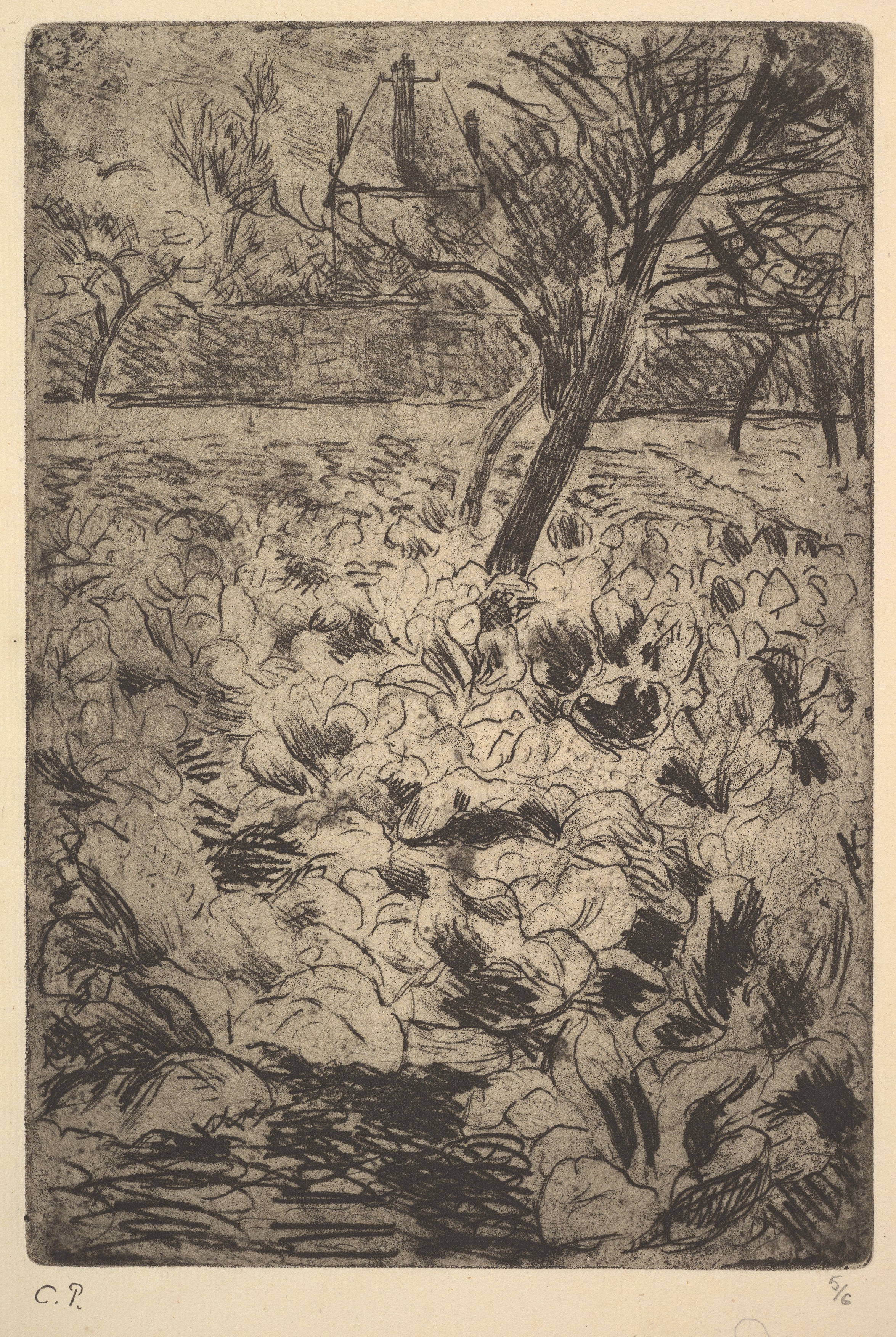
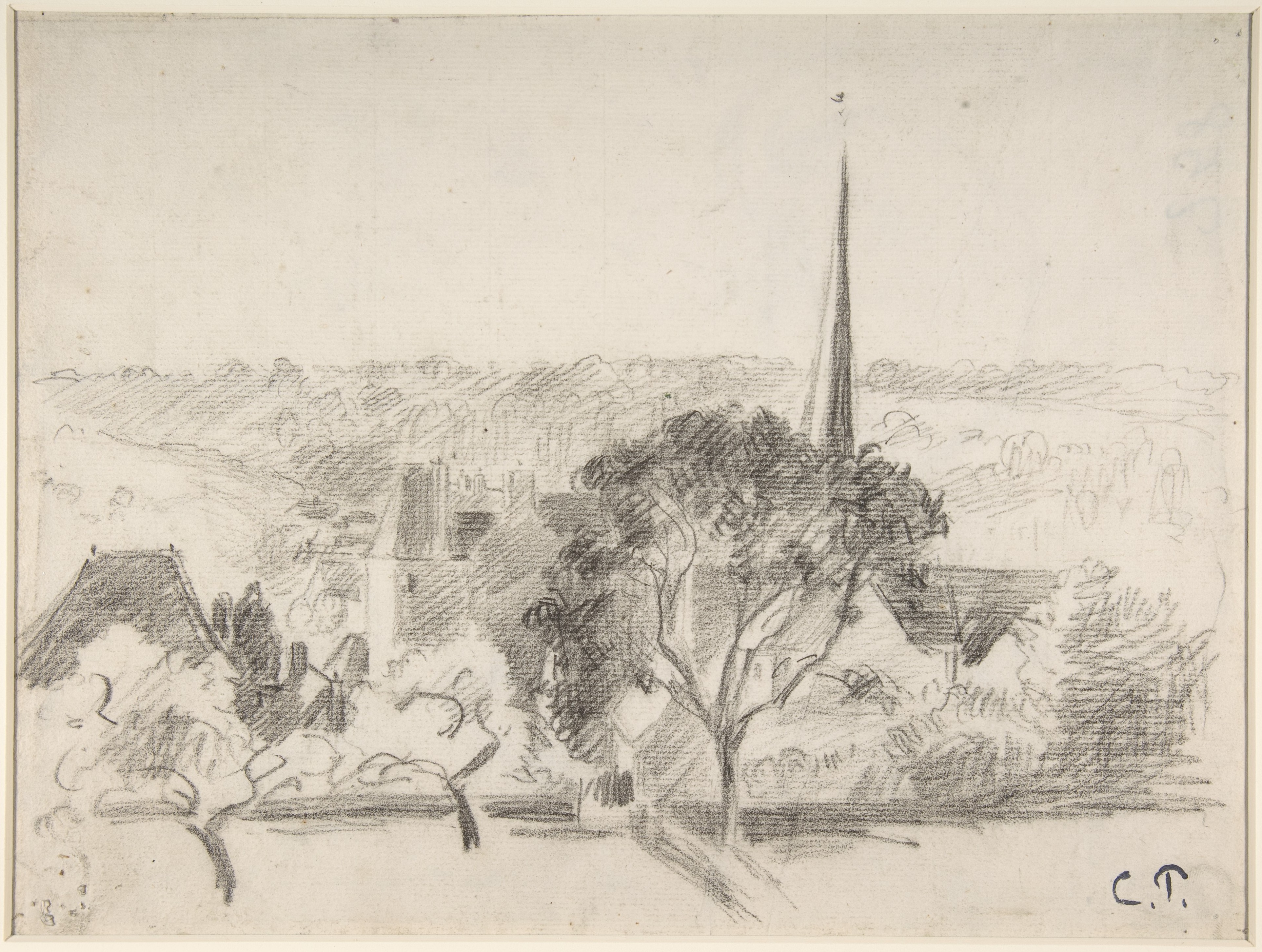
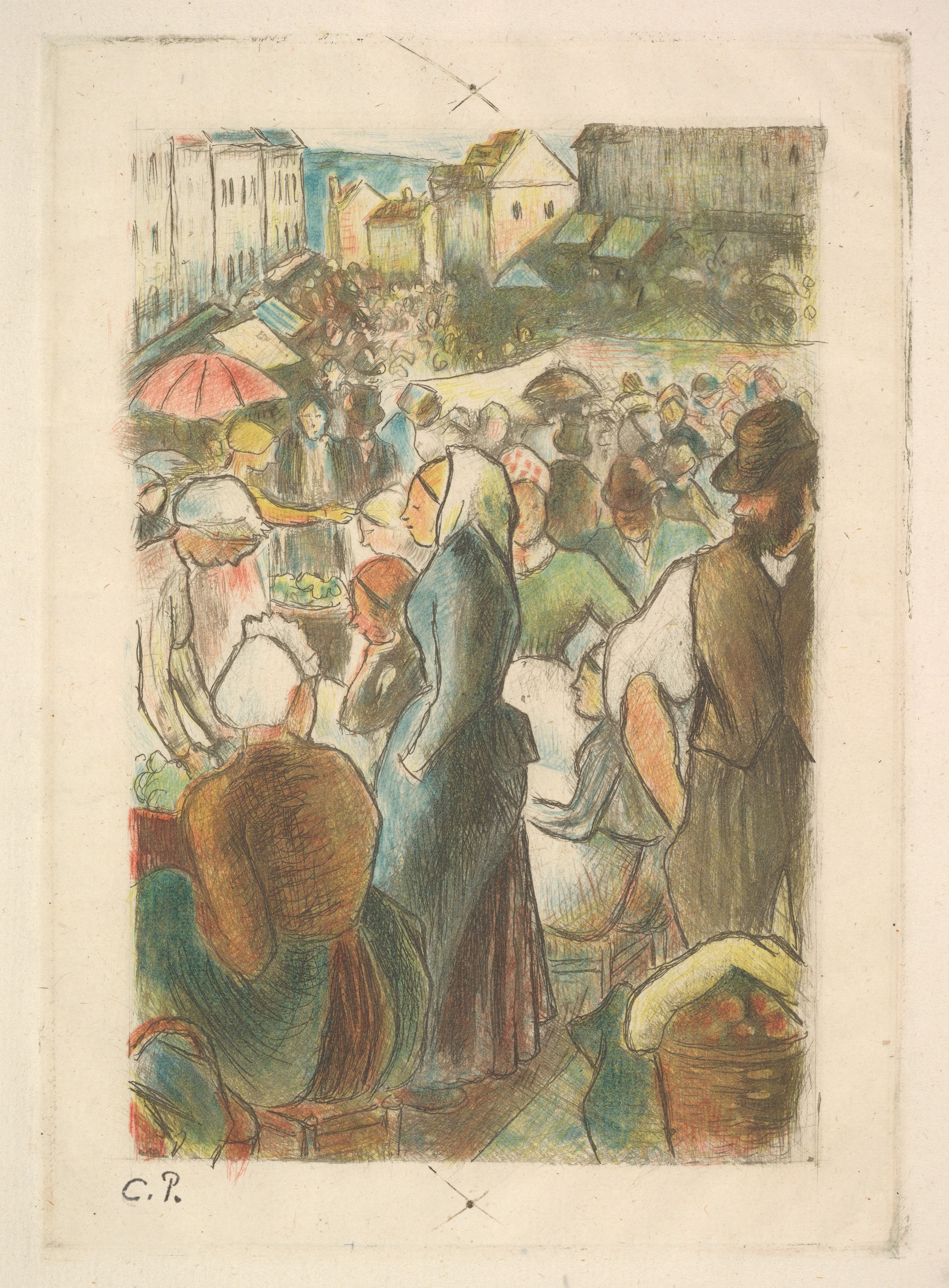
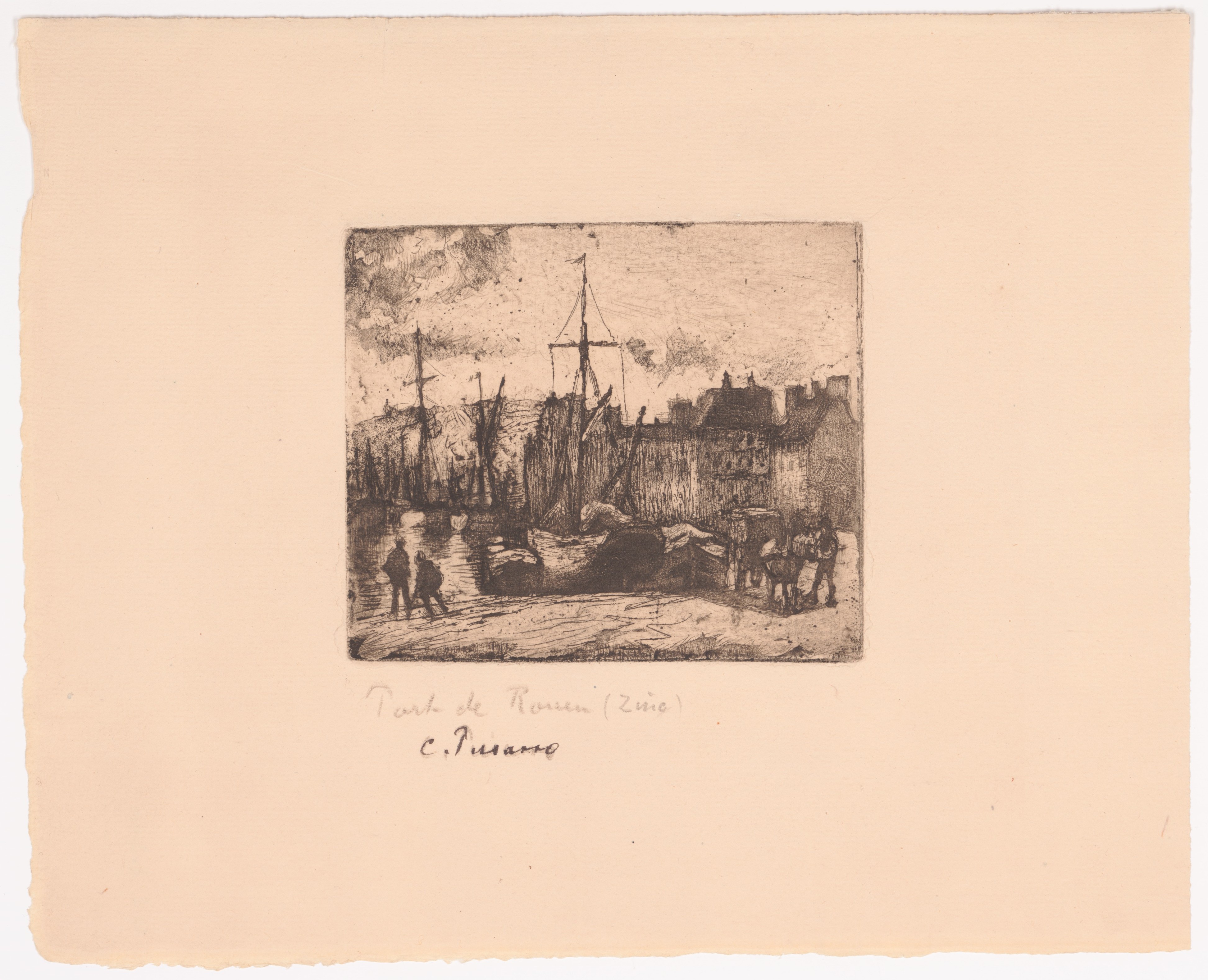
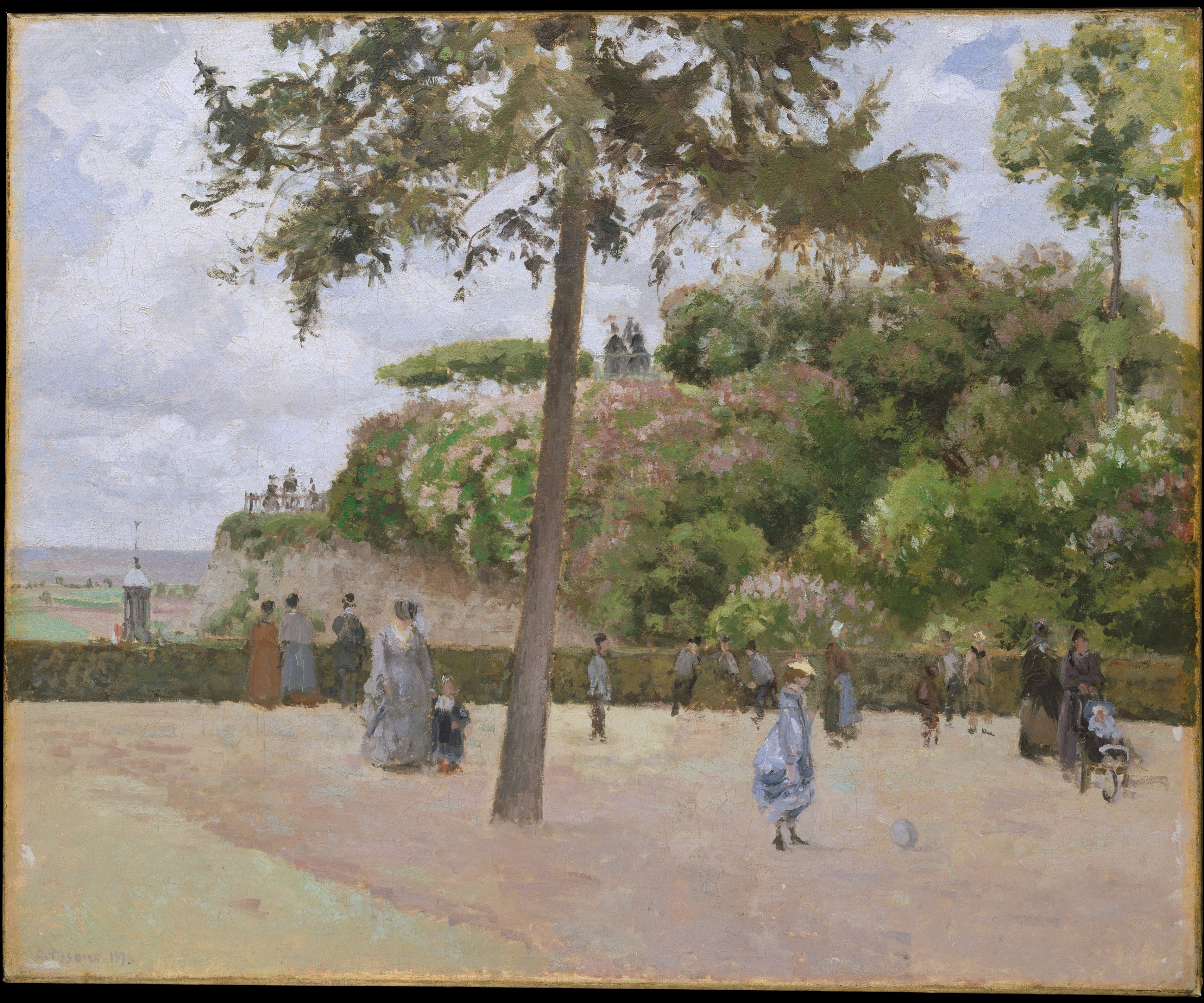
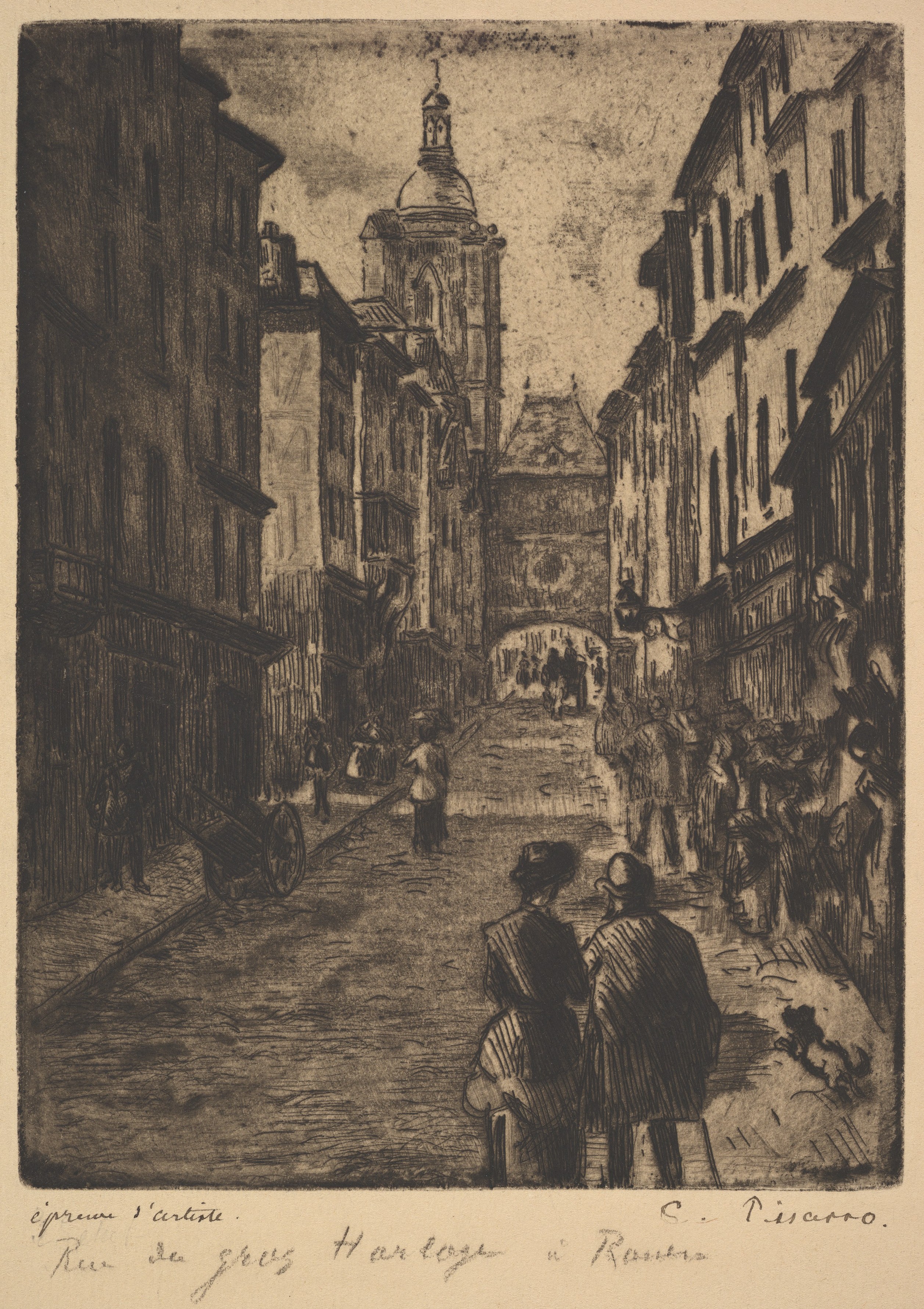
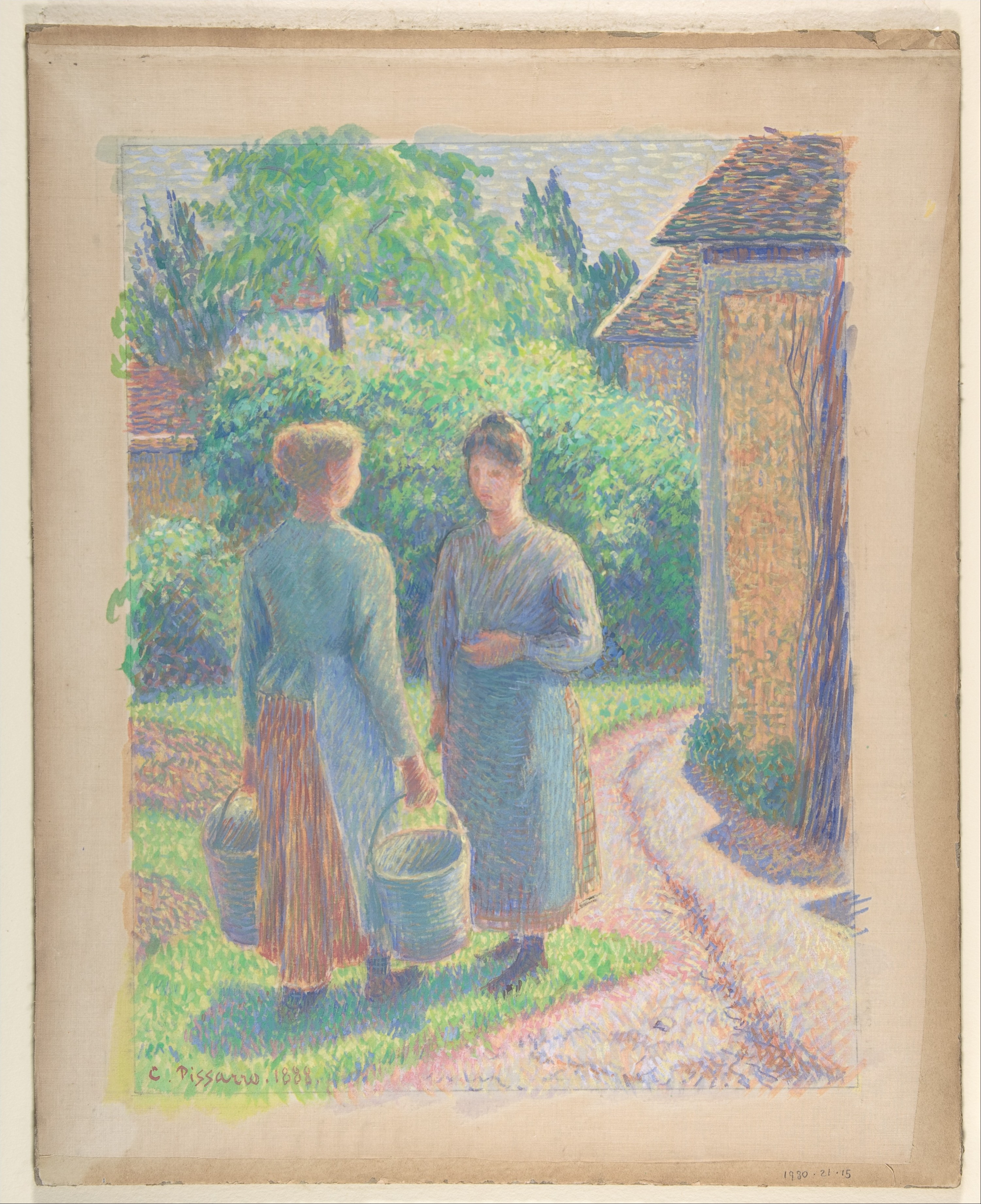
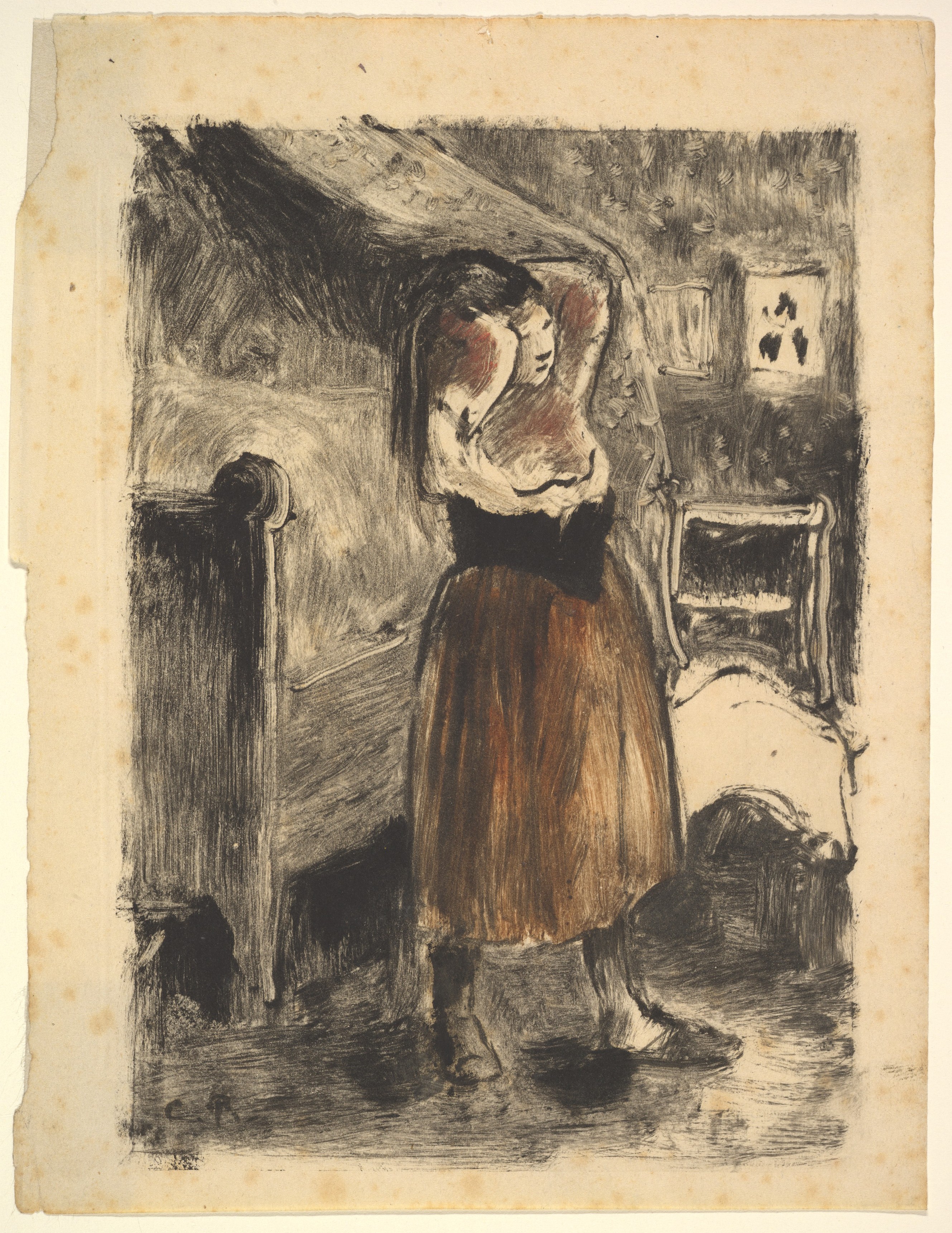
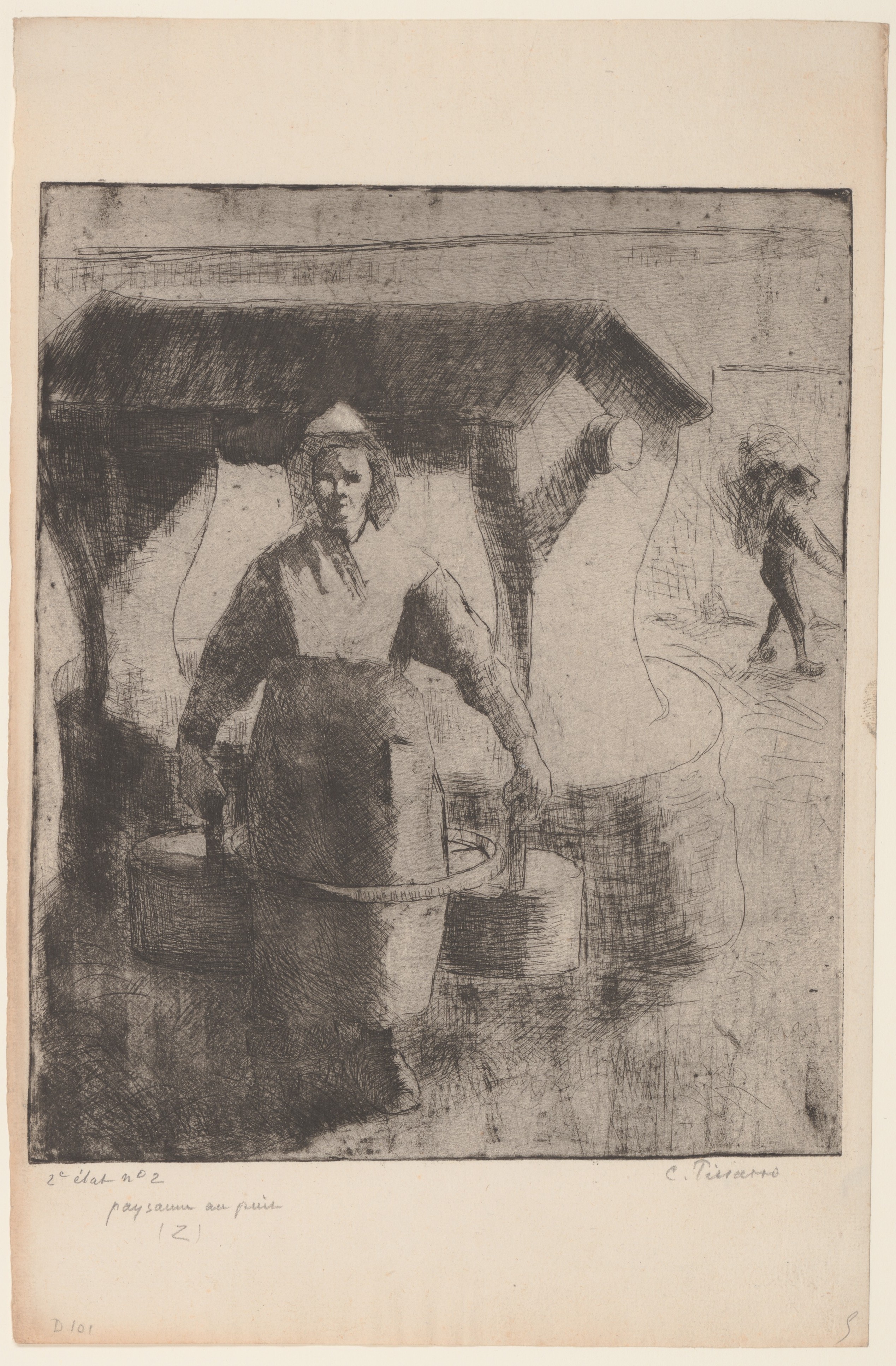
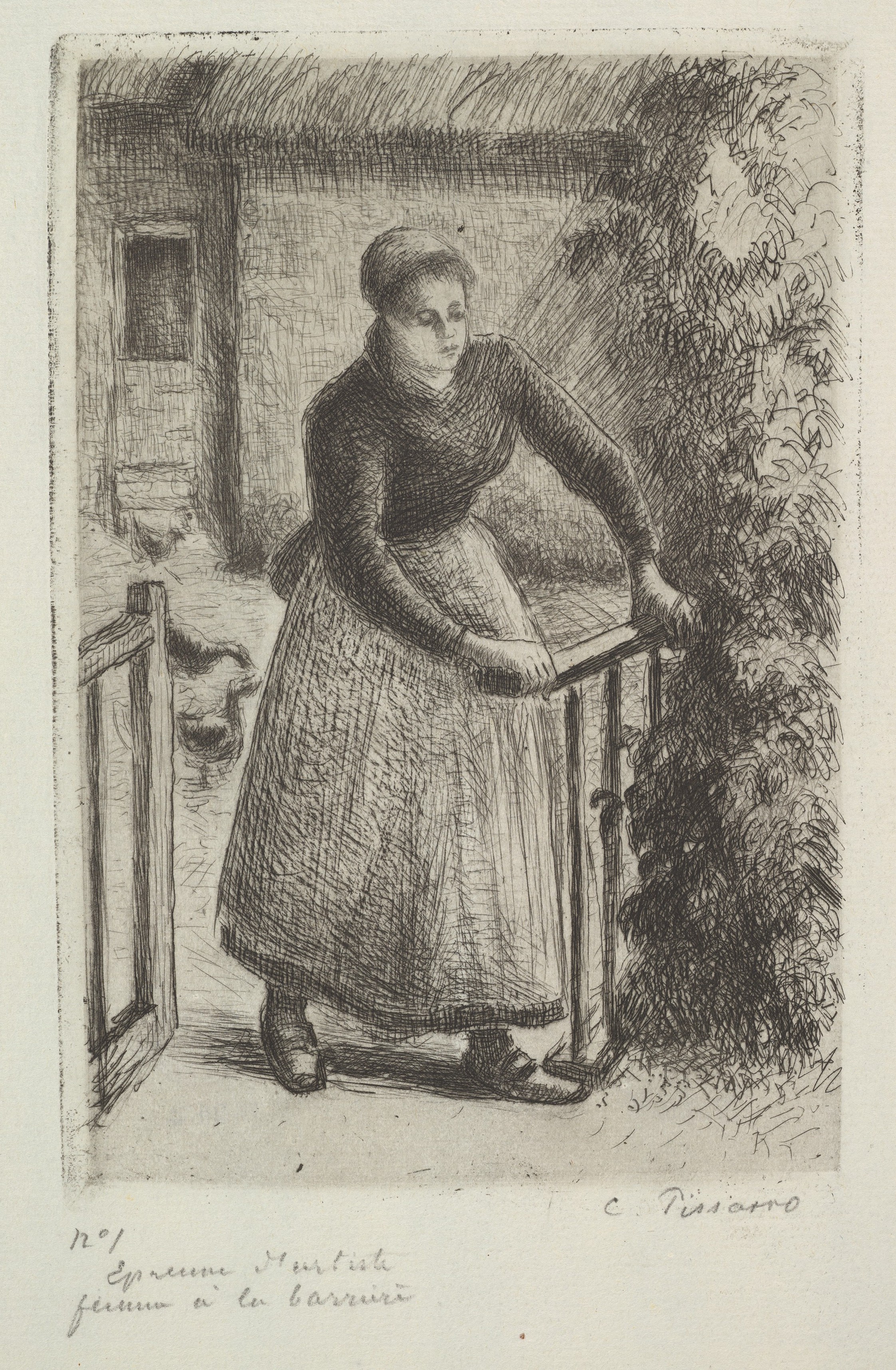
Camille Pissarro worked with various drawing materials, including graphite, black chalk, and watercolor. His early works include "All Saints Church, Upper Norwood seen from the north side of Beulah Hill," a graphite drawing from 1845, and a black chalk drawing titled "Peasant," also from 1845. He also created a watercolor over black chalk piece called "Landscape" in 1850. Later in his career, he made drawings such as "The Church at Eragny" in 1889, using black chalk. These works are held in the collection of The Metropolitan Museum of Art.
Biography
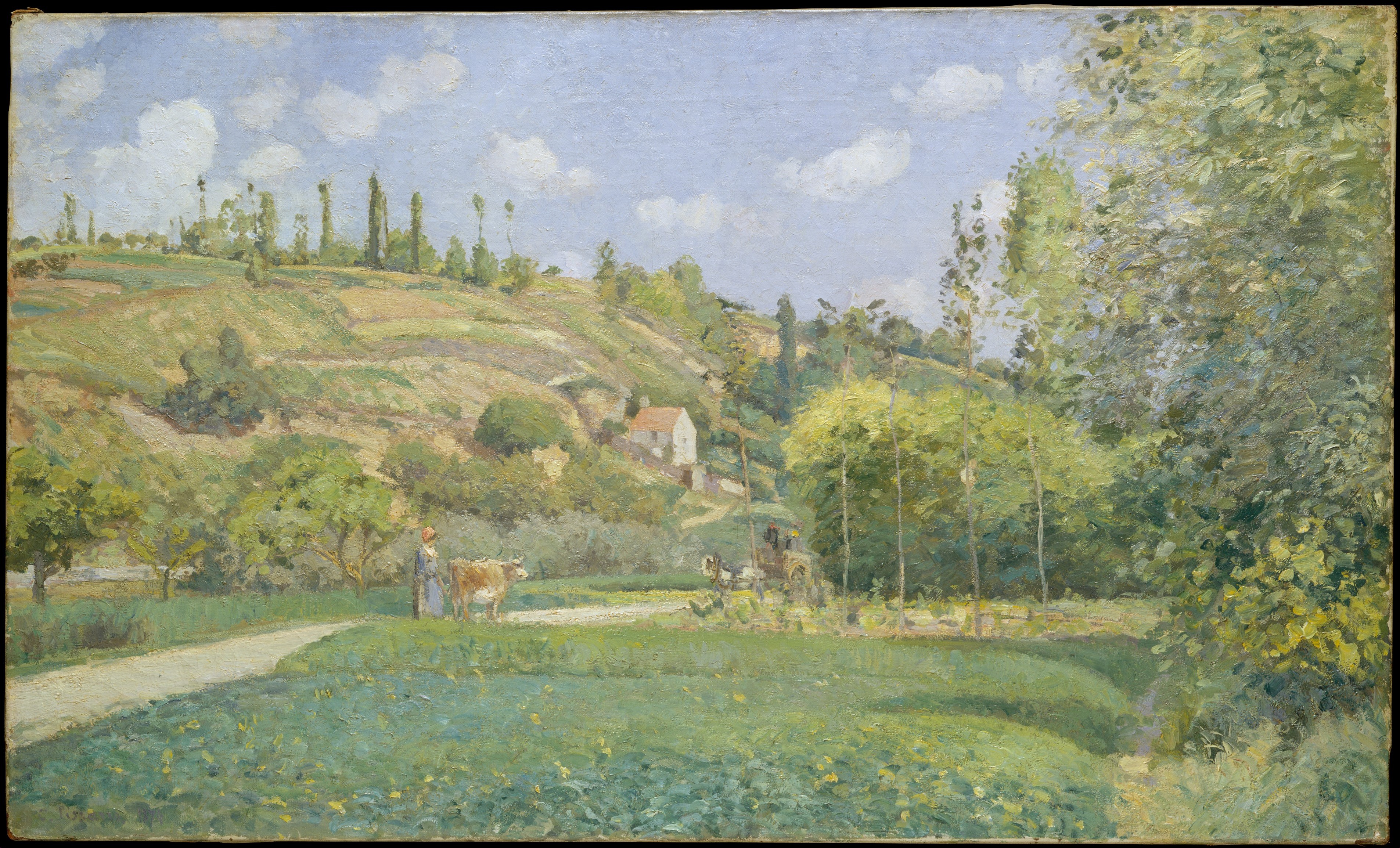
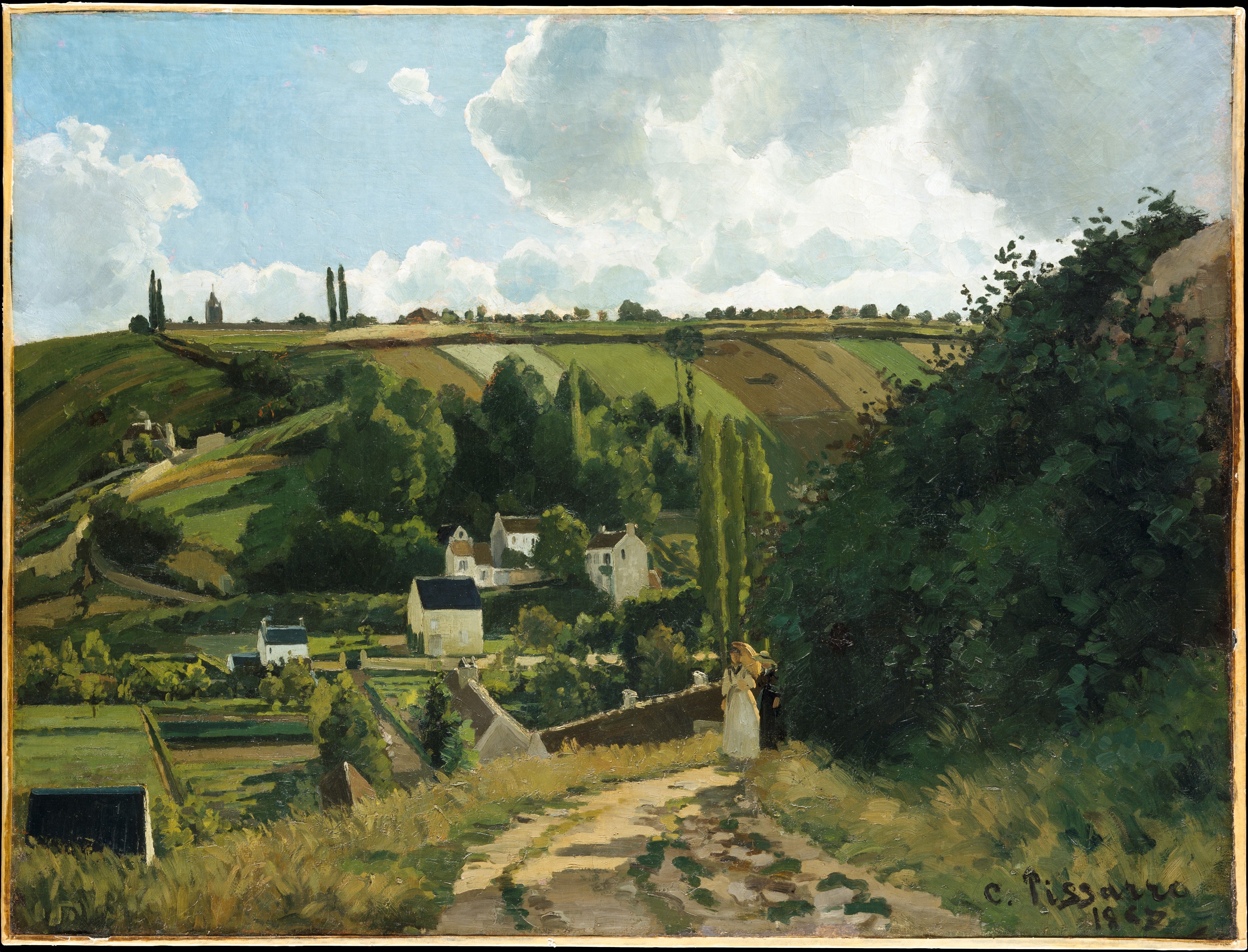
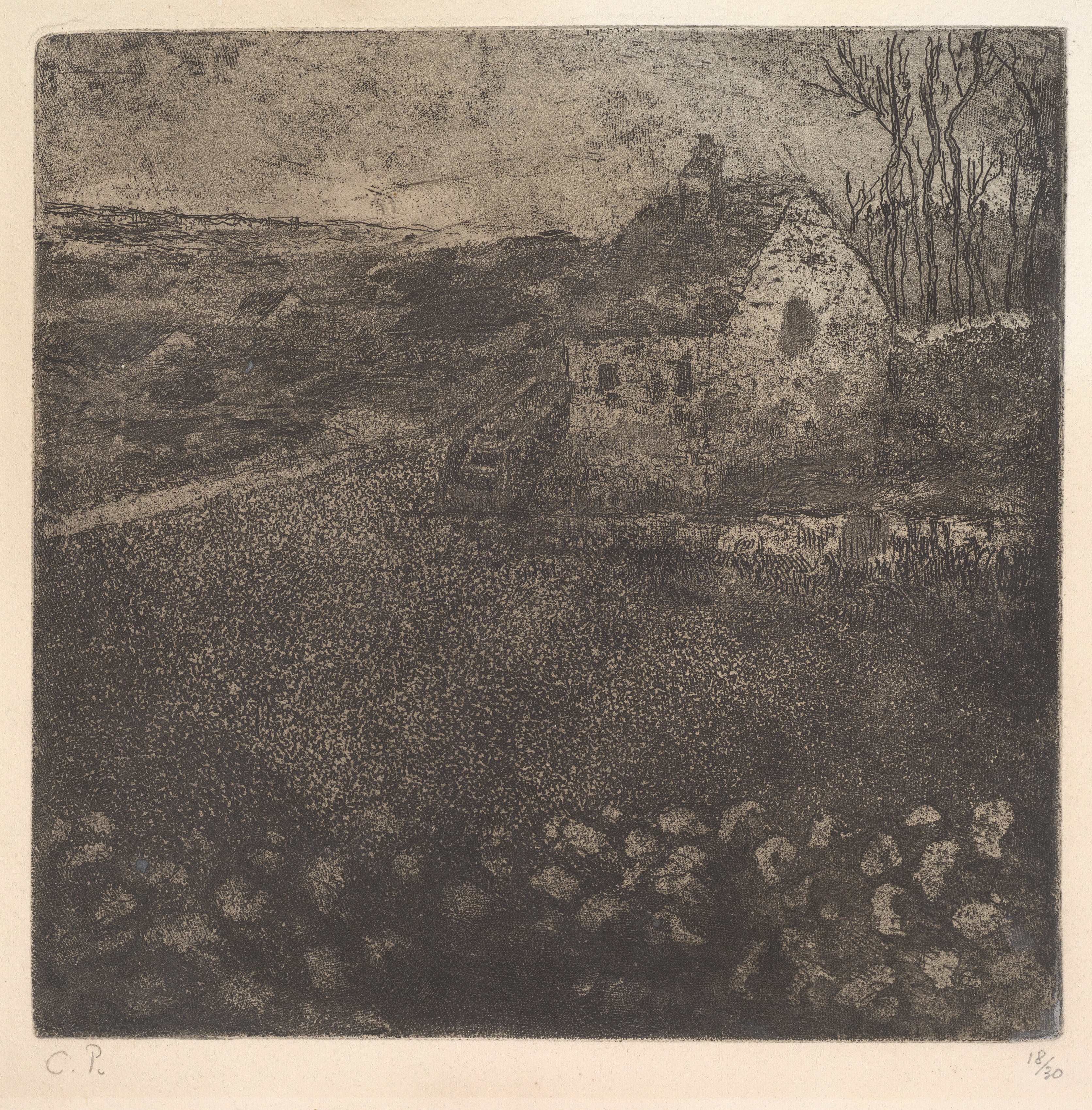
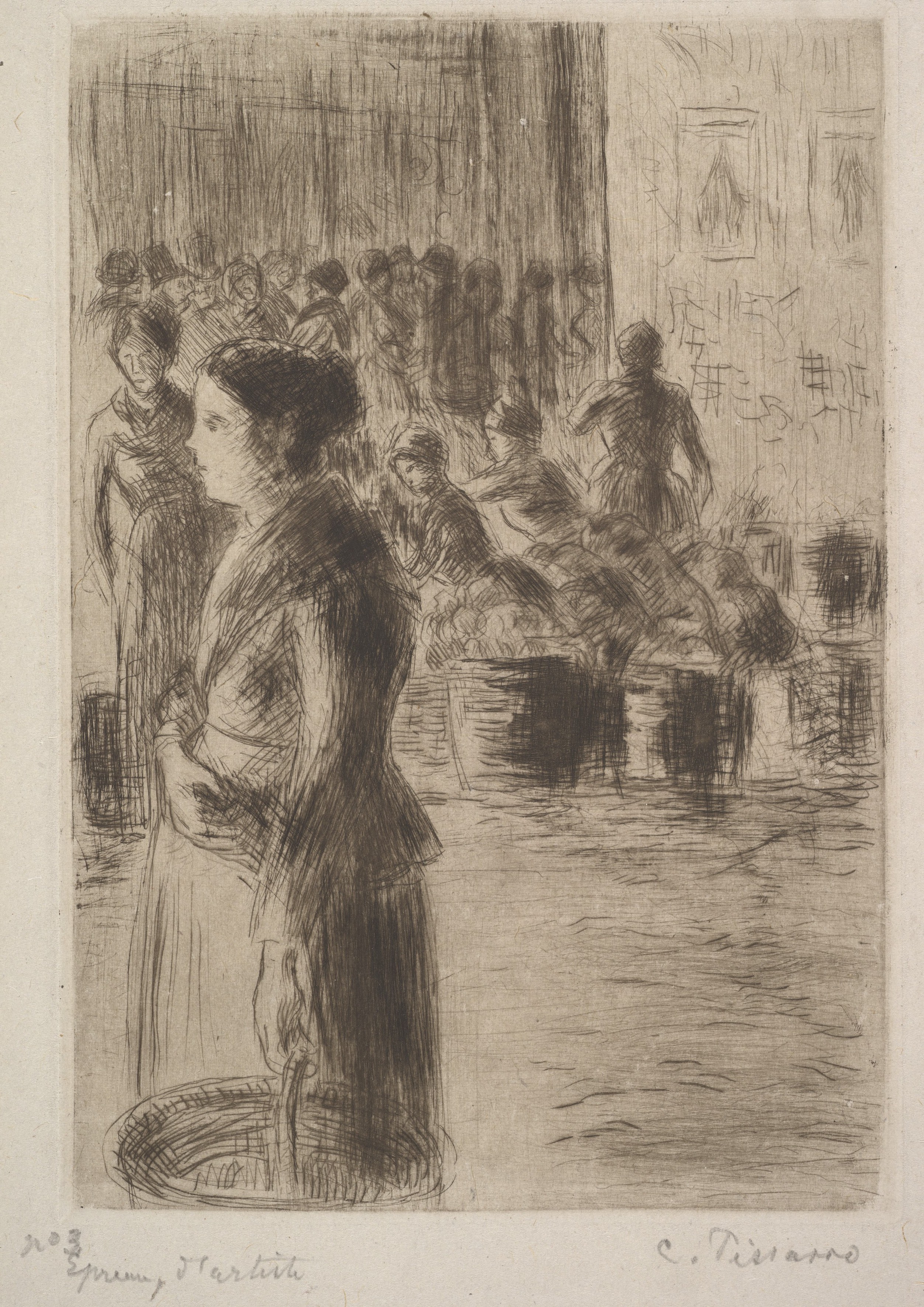
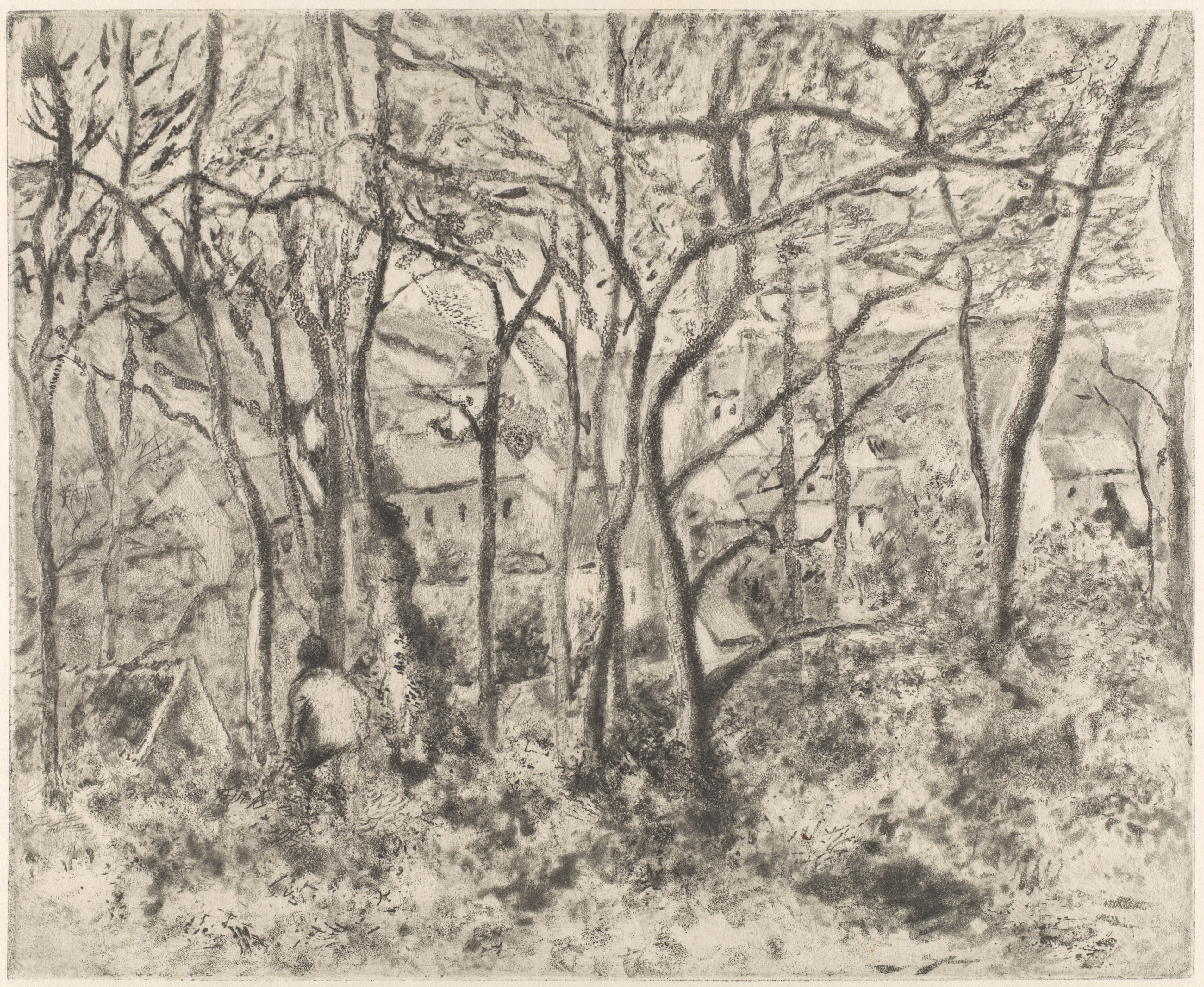
Camille Pissarro was born in Charlotte Amalie on July 10, 1830, to Frédéric-Abraham-Gabriel Pissarro and Rachel Pissarro. He was a French and Danish citizen. He was educated at the Académie Suisse. Pissarro was a pastellist, architectural drafter, lithographer, printmaker, painter, and graphic artist. He resided in Charlotte Amalie, Venezuela, and France, and worked in the Netherlands, Amsterdam, Caracas, Paris, Charlotte Amalie, Montmorency, La Roche-Guyon, London, and Éragny-sur-Epte. He was influenced by Fritz Melbye. He painted "The Red Roofs, Côte Saint-Denis at Pontoise, Winter Effect" in 1877 and "The Côte des Bœufs, Pontoise" in 1877. Other notable works include "The Banks of the Oise near Pontoise" from 1873 and "The House of the Deaf Woman and the Belfry at Eragny" from 1886. Later, he painted "Pont Boieldieu in Rouen, Rainy Weather" in 1896, "Steamboats in the Port of Rouen" in 1896, "Boulevard Montmartre, Mardi Gras" in 1897, "Rue Saint-Honoré in the Afternoon. Effect of Rain" in 1897, and "Boulevard Montmartre, Spring" in 1897. He also created "Hay Harvest at Éragny" in 1901. Camille Pissarro died in Paris on November 13, 1903, of sepsis, a natural cause.
Works