12 December 1863 – 23 January 1944
Edvard Munch
Work
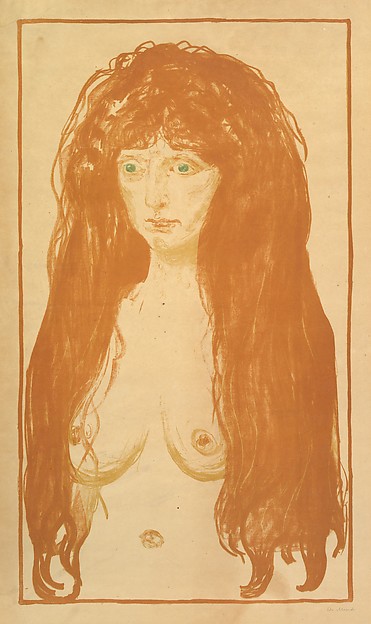
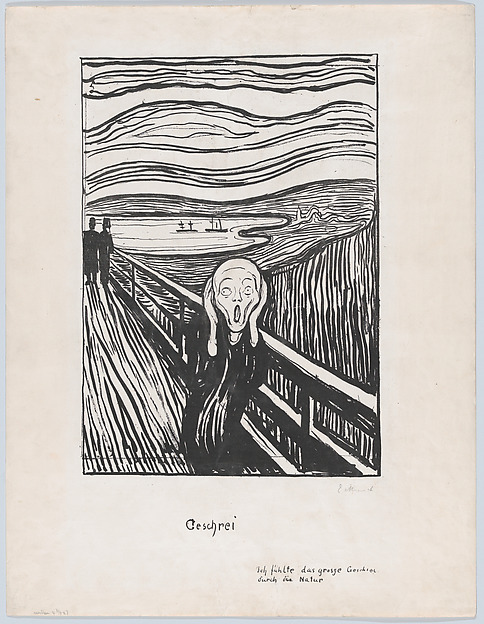
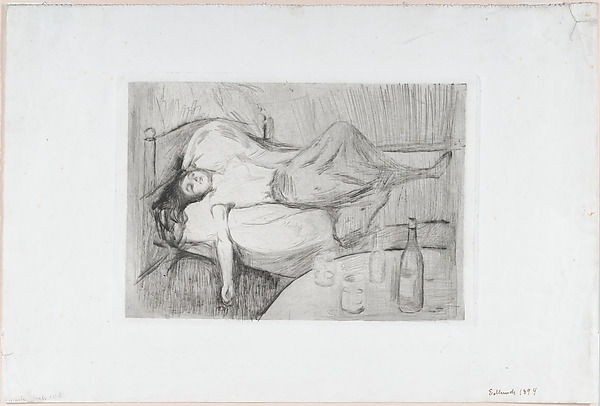
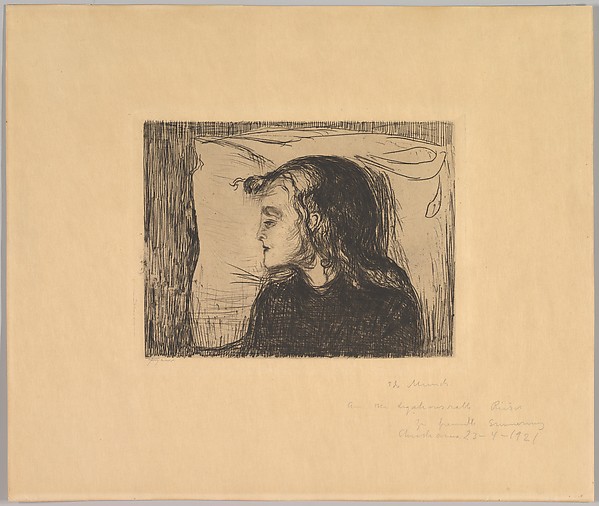
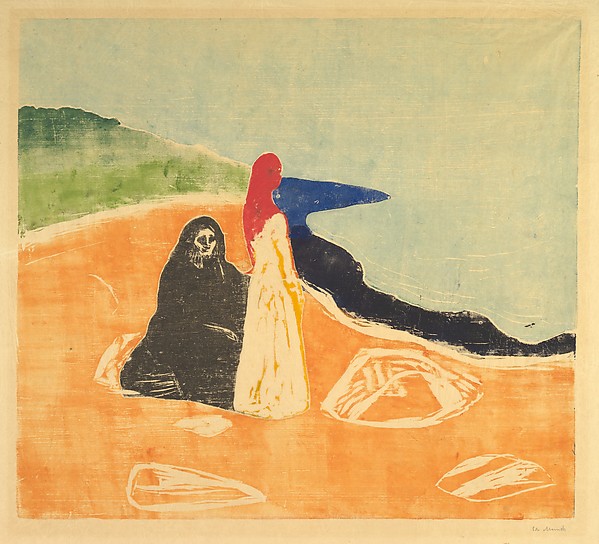
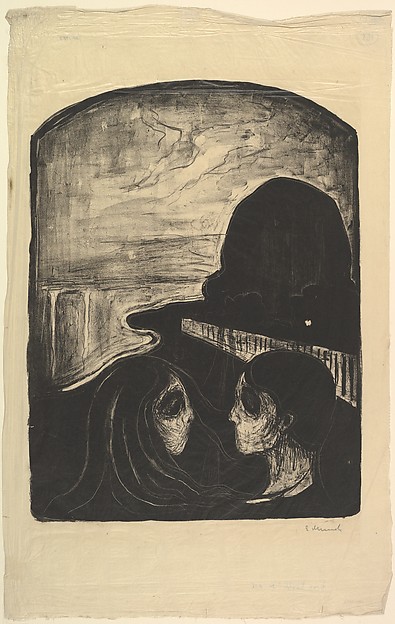
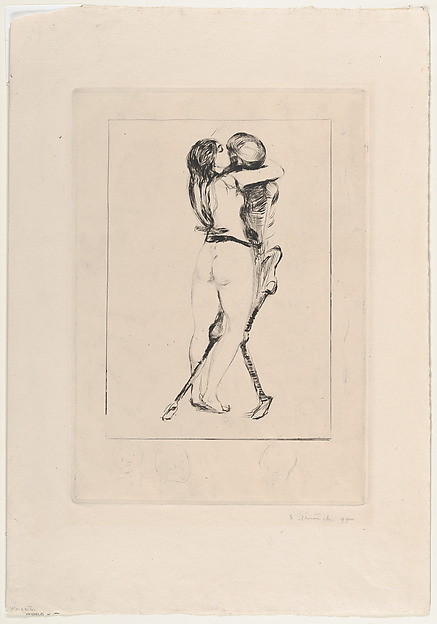
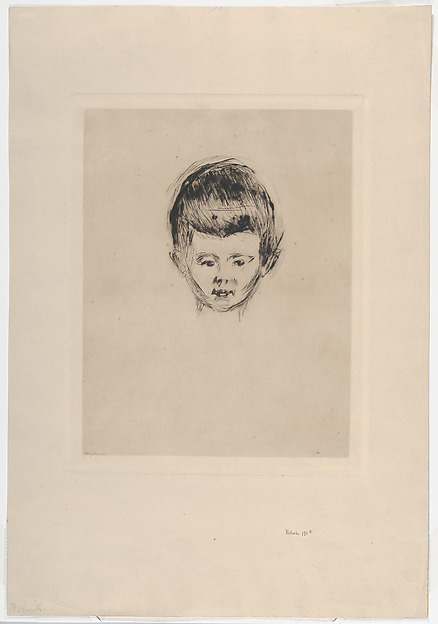
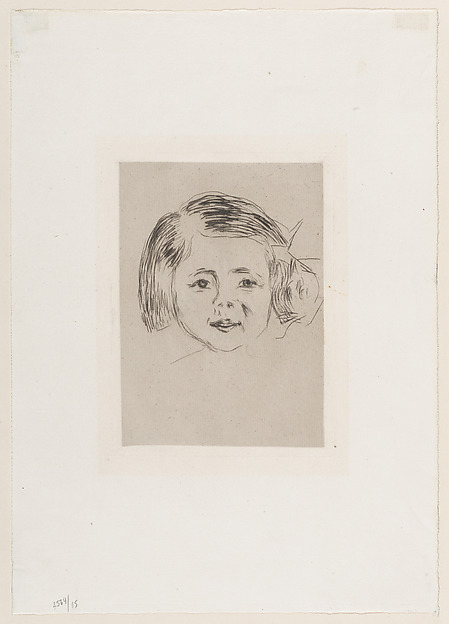
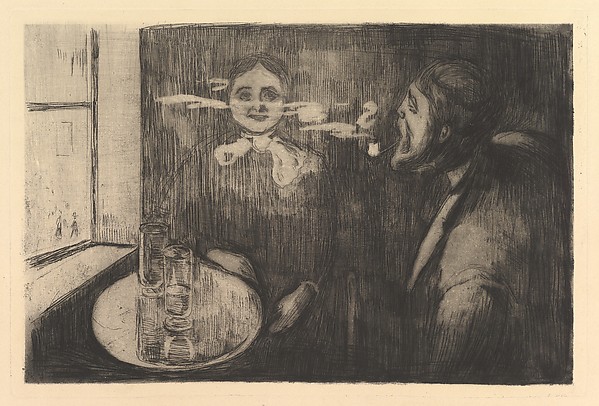
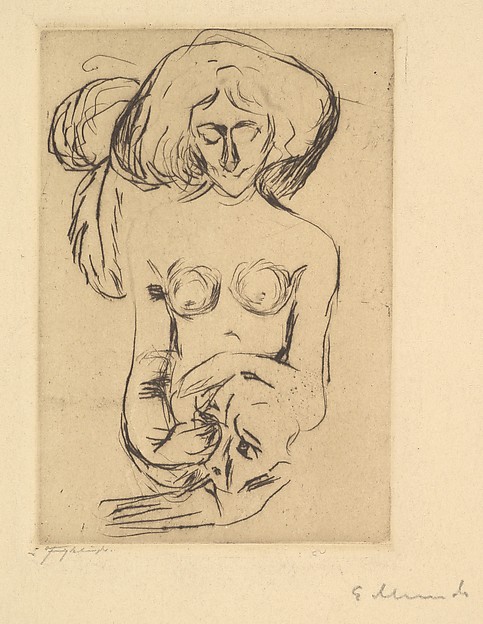
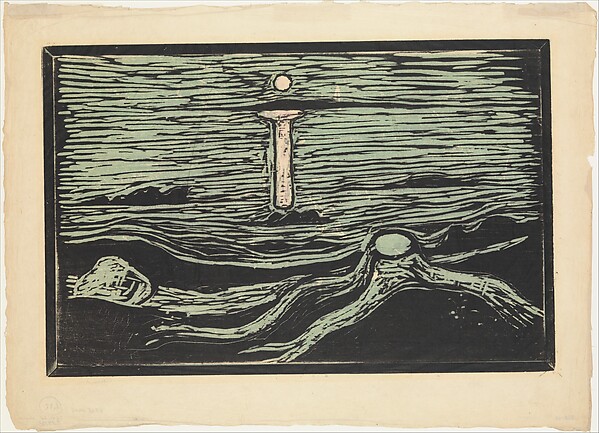
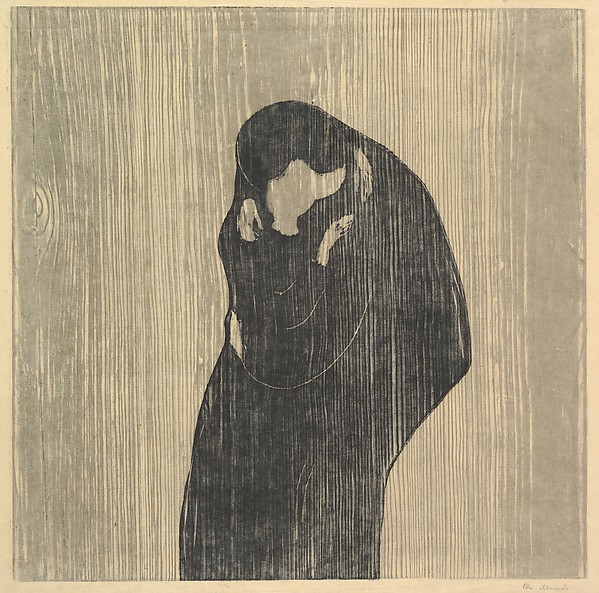
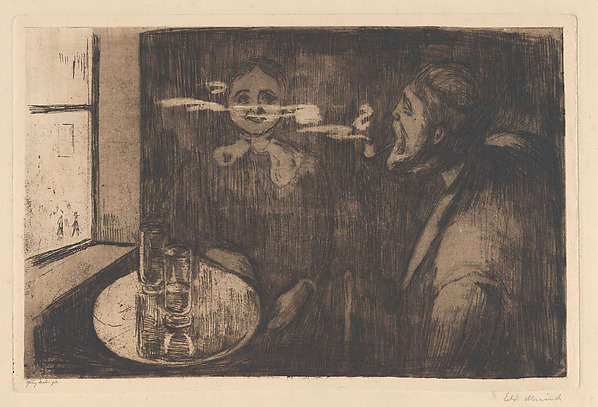
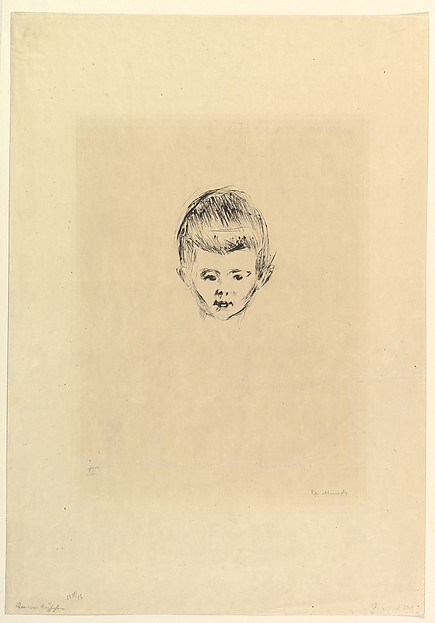
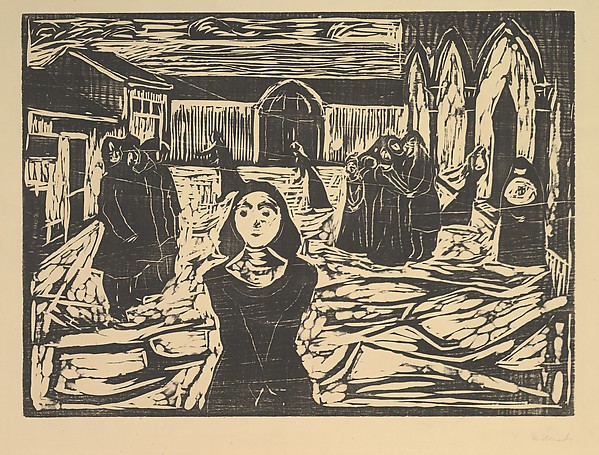
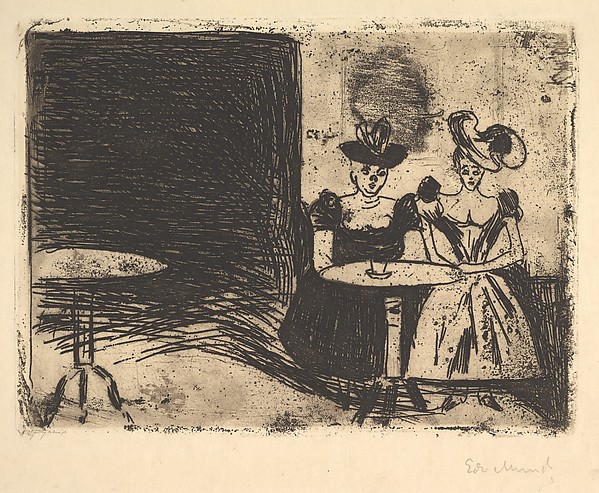
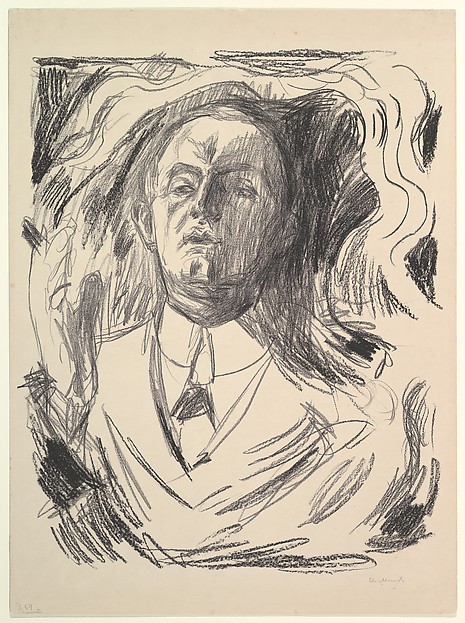
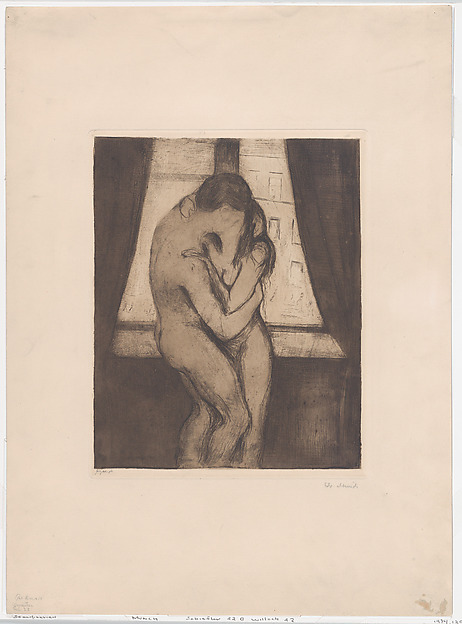
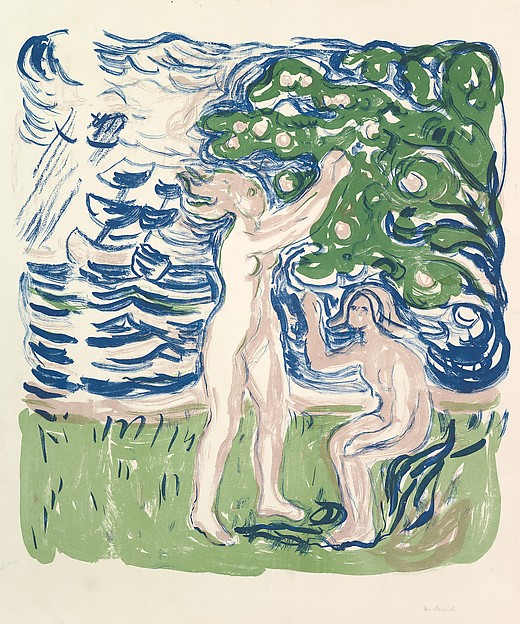
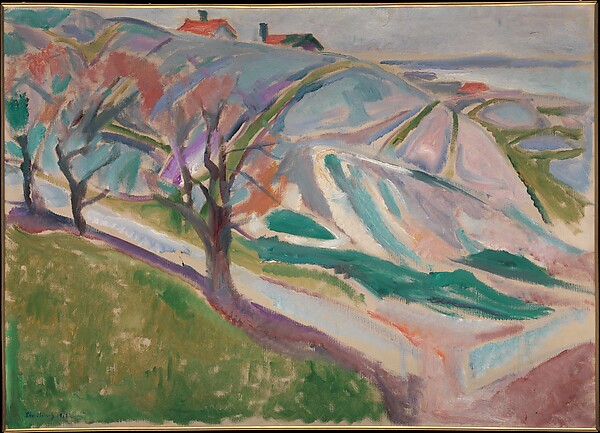
Edvard Munch created numerous works, including paintings and prints. Among his notable pieces are "Attraction I," made in 1894, and "Self-Portrait with a Cigar" from 1896. He also produced "Tête-à-tête" and "Evening, Melancholy on the Beach," which was created in 1923. Munch's work includes two distinct pieces titled "The Scream," one from 1895 and another from 1908. In 1908, he also created "Norwegische Landschaft (Norwegian Landscape)." His subjects often included portraits, self-portraits, and landscapes.
Biography
Edvard Munch was born on December 12, 1863, in Ådalsbruk, Norway. His father was Christian Munch, and his mother was Laura Cathrine Munch. He was a Norwegian citizen and spoke French and Norwegian. Munch studied at the Oslo Cathedral School, the Norwegian National Academy of Craft and Art Industry, and the Academy of Fine Arts, Munich. His work locations included Oslo, Berlin, and Åsgårdstrand. He resided in Oslo, Ekely, and Edvard Munch's house. Christian Krohg influenced his art. Munch was a painter, graphic artist, printmaker, draftsperson, and architectural drafter. He is associated with the Symbolism and Expressionism movements. He created portraits, genre paintings, landscapes, and self-portraits. Some of his notable works include "Death and the Child" (1899), "Vampire" (1893), "The Scream" (1893), "The Girls on the Bridge" (1902), "Dr. Linde's Sons" (1903), "From Travemünde" (1903), "Lothar Linde in Red Jacket" (1903), "Self-Portrait with the Spanish Flu" (1919), and "Arve Arvesen" (1891). Edvard Munch died on January 23, 1944, in Ekely, Oslo.
Works