1 January 1497 – 29 November 1543 · Augsburg
Hans Holbein the Younger
Work
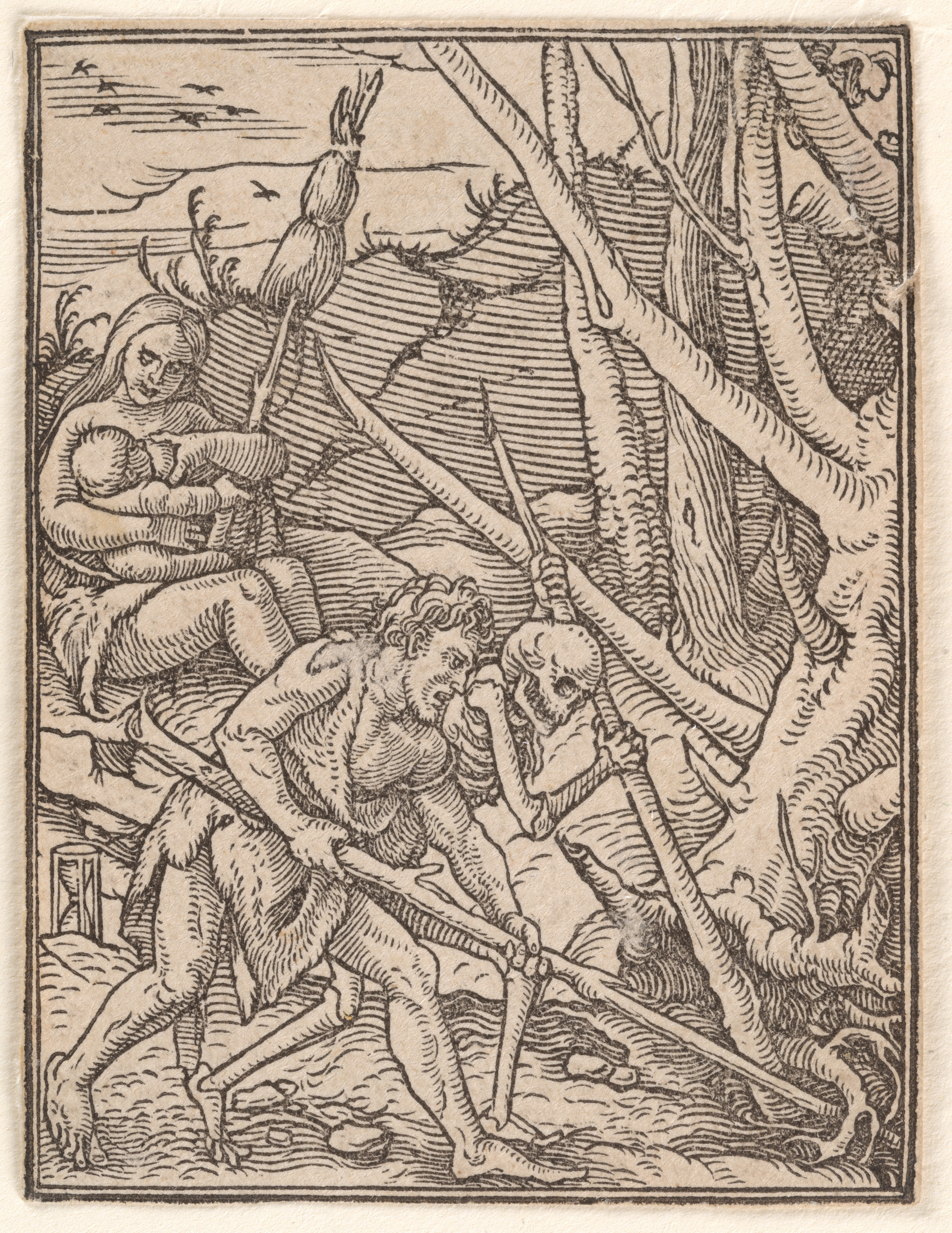
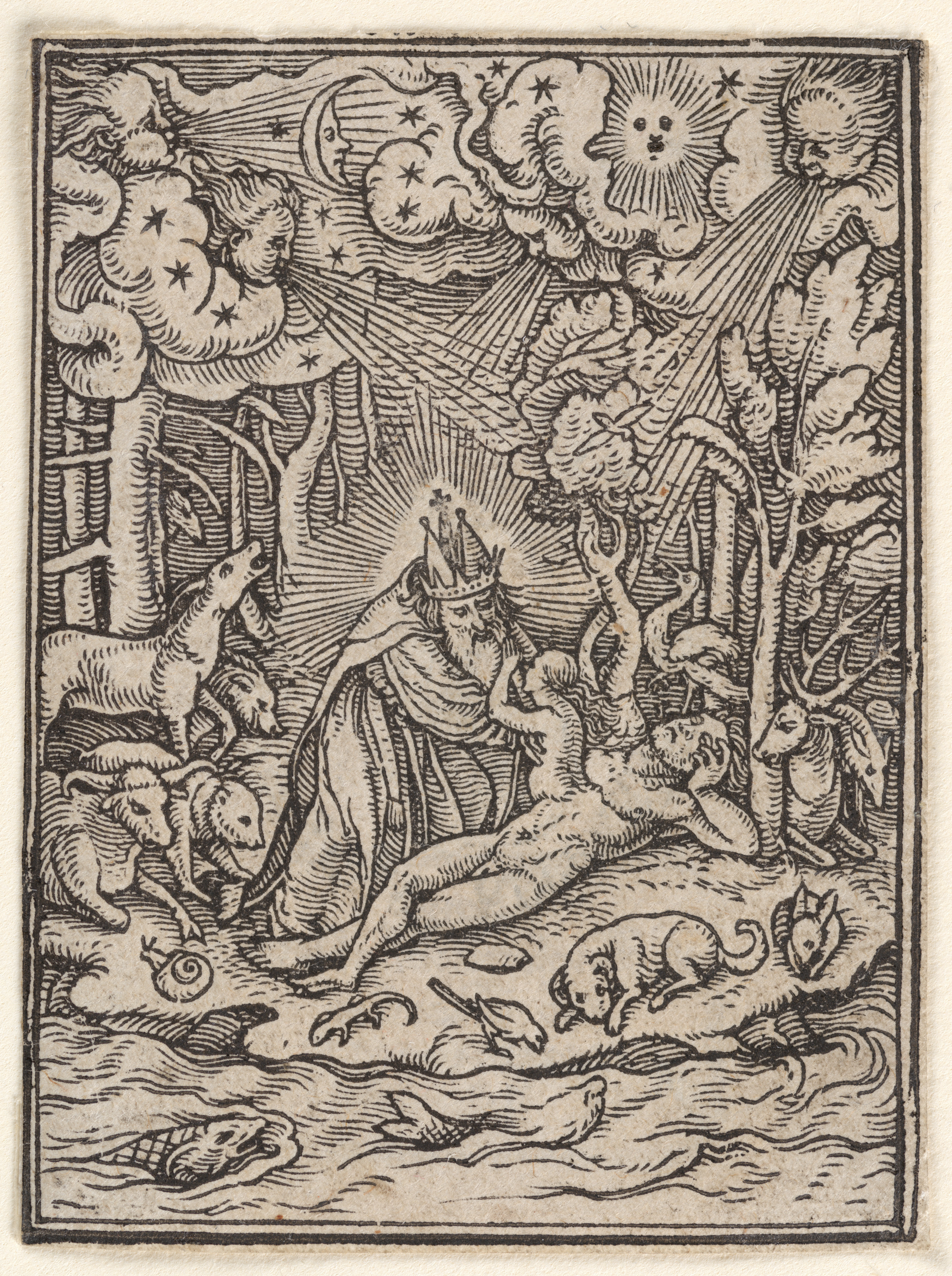
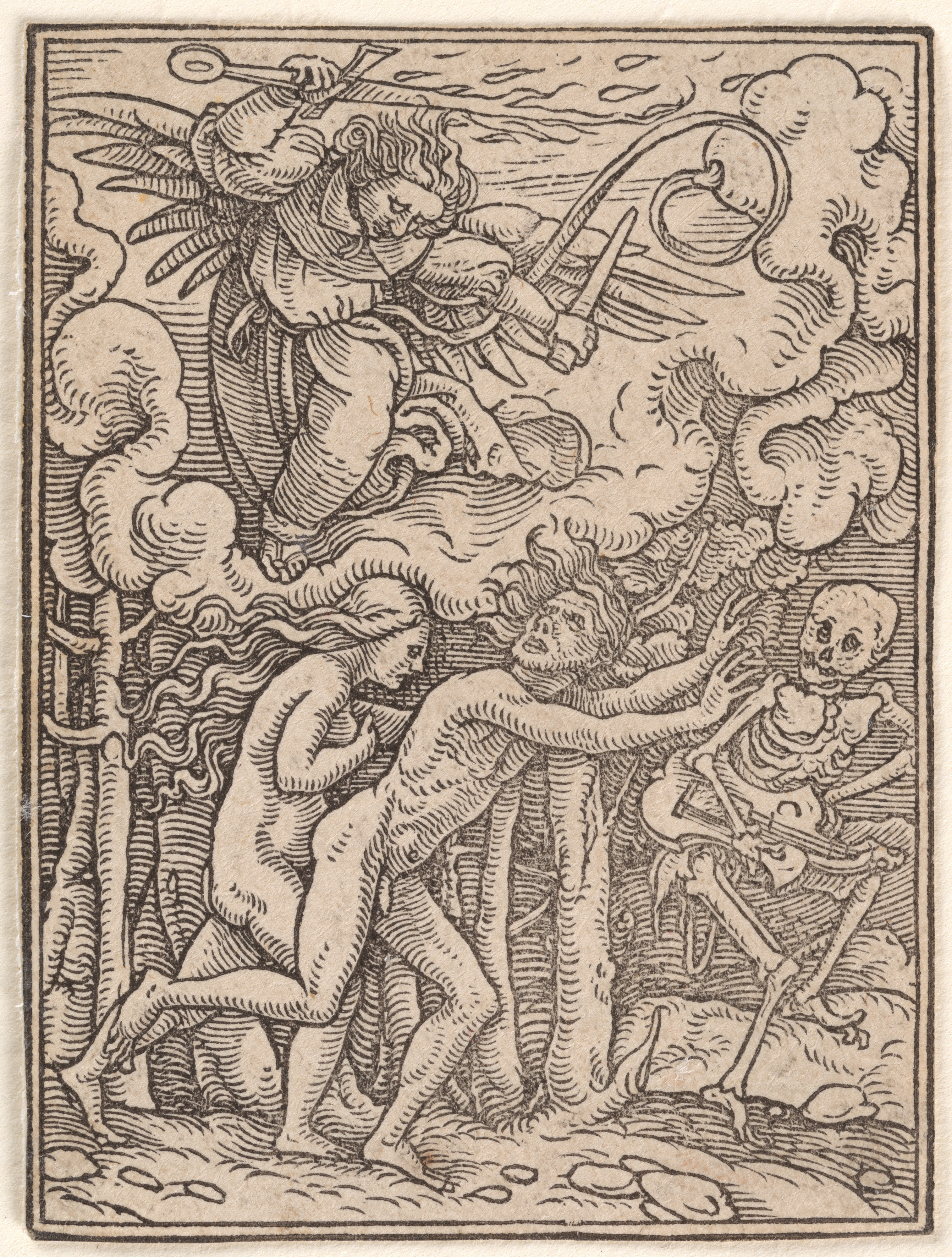
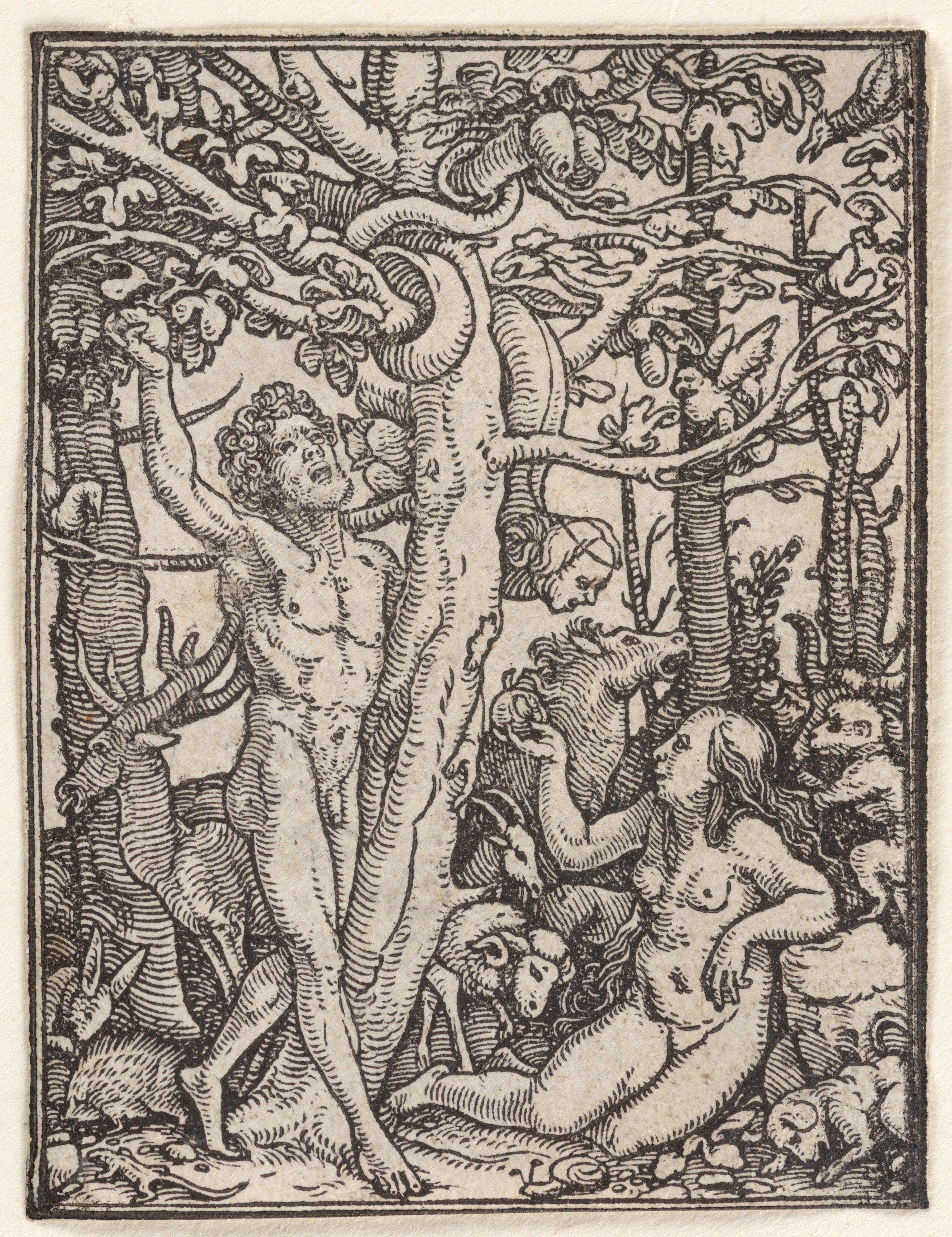
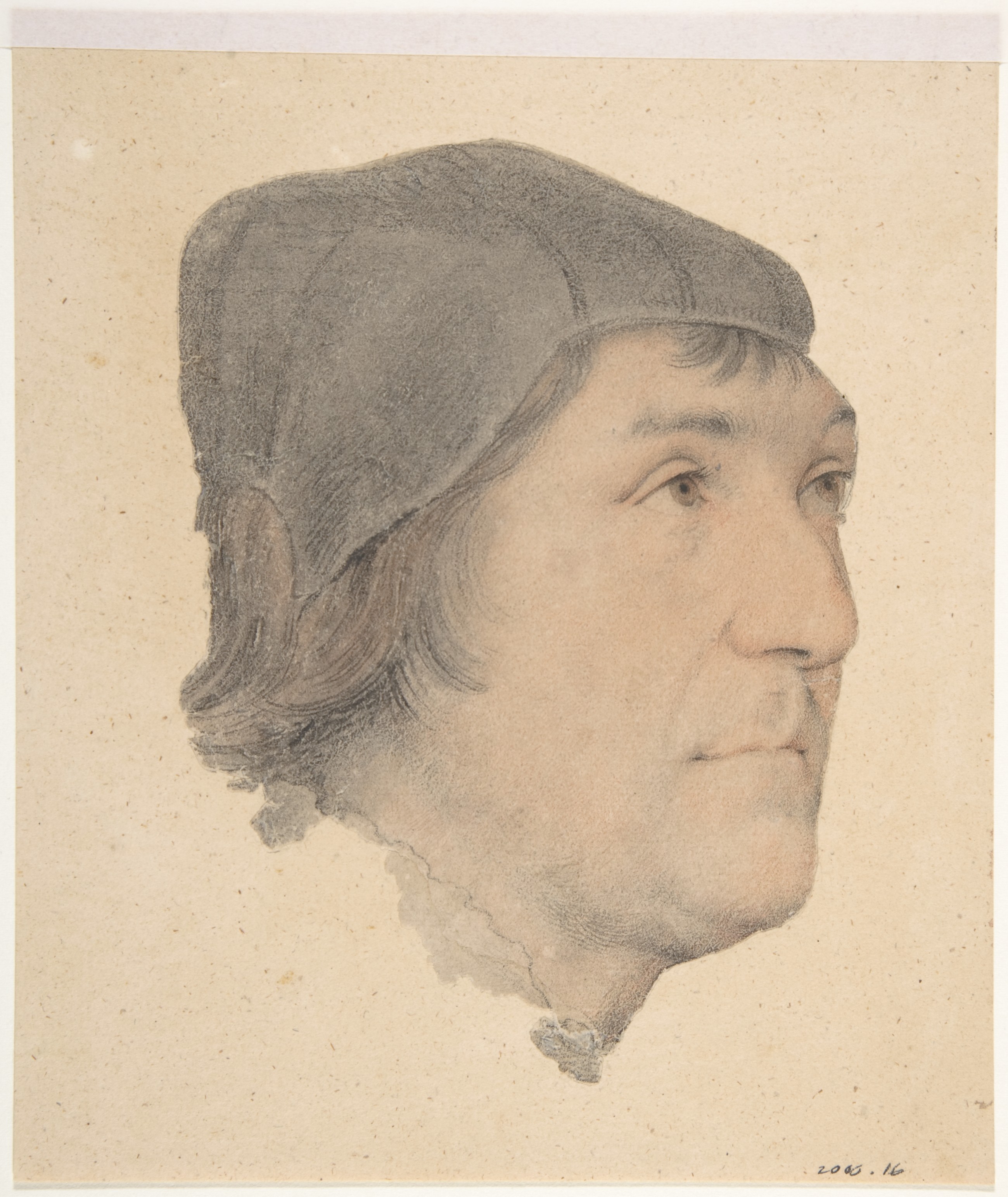
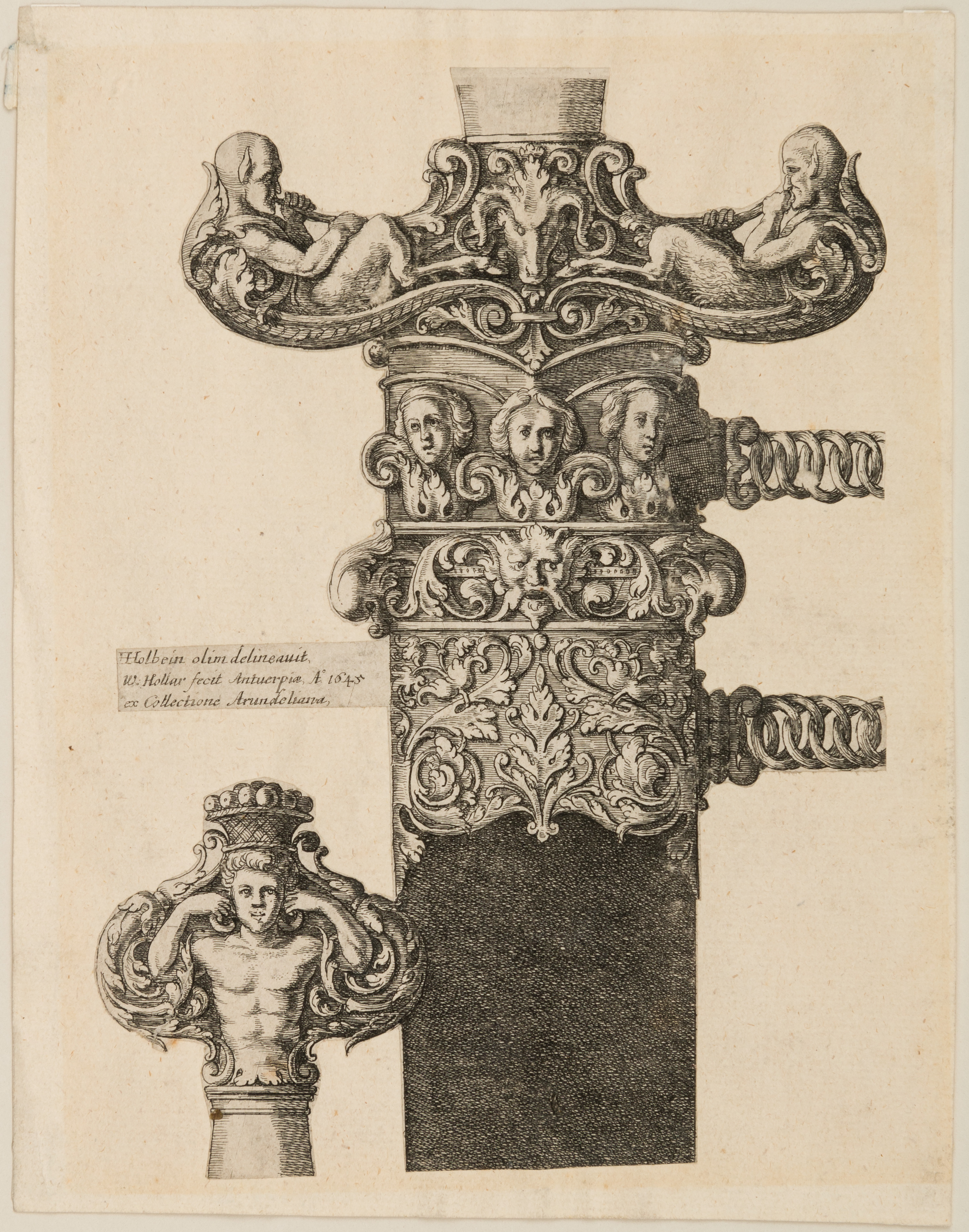
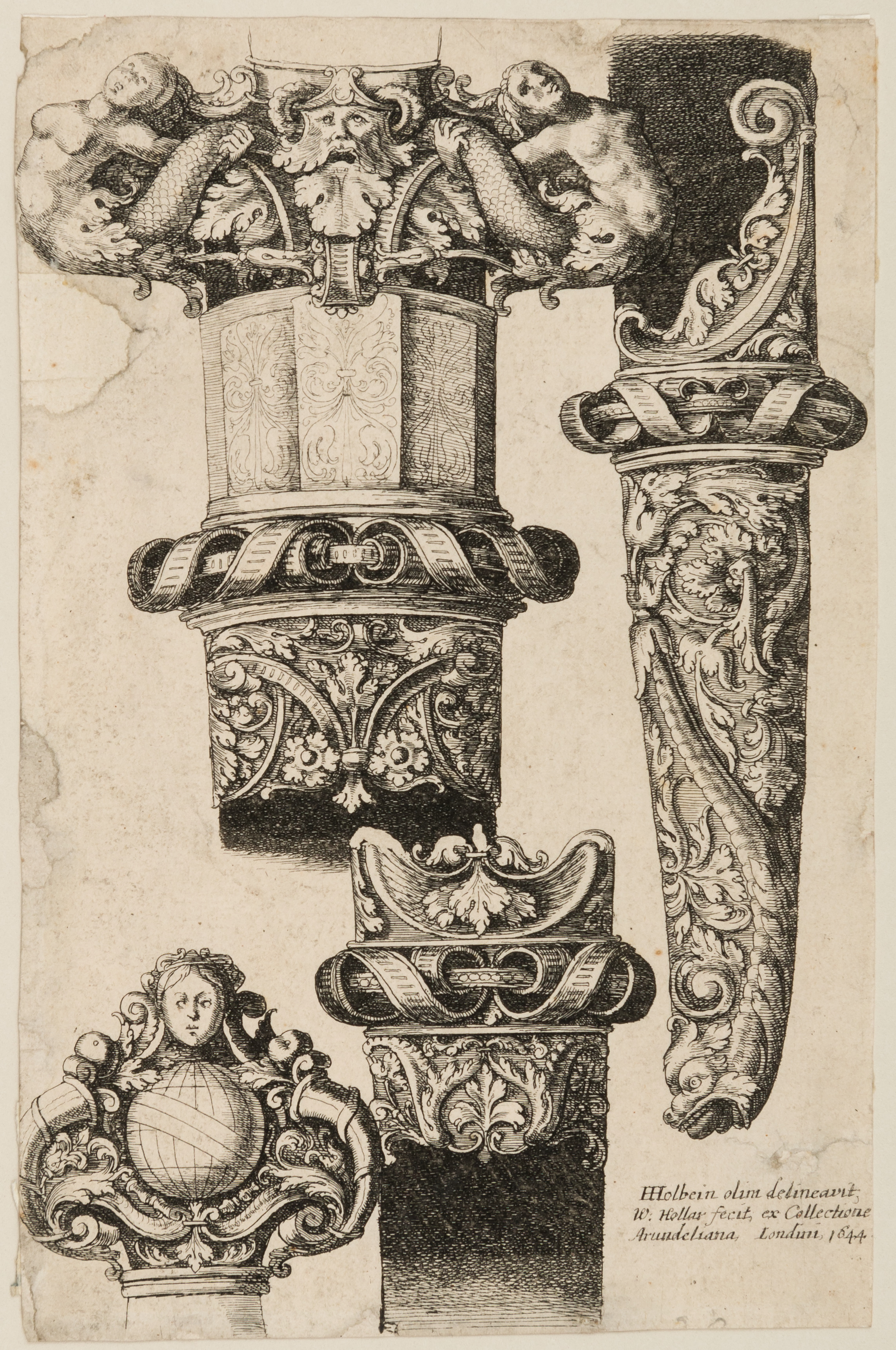
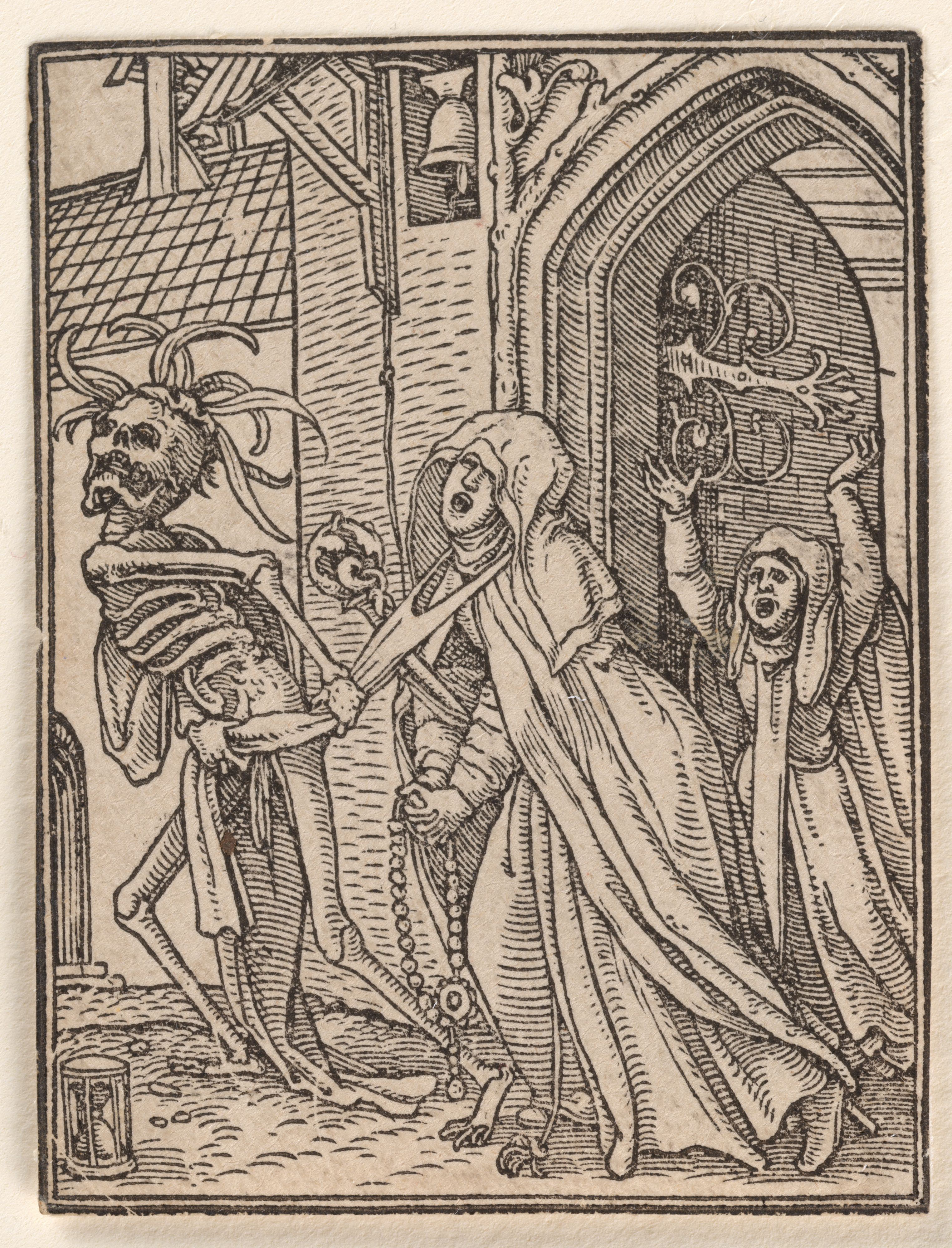
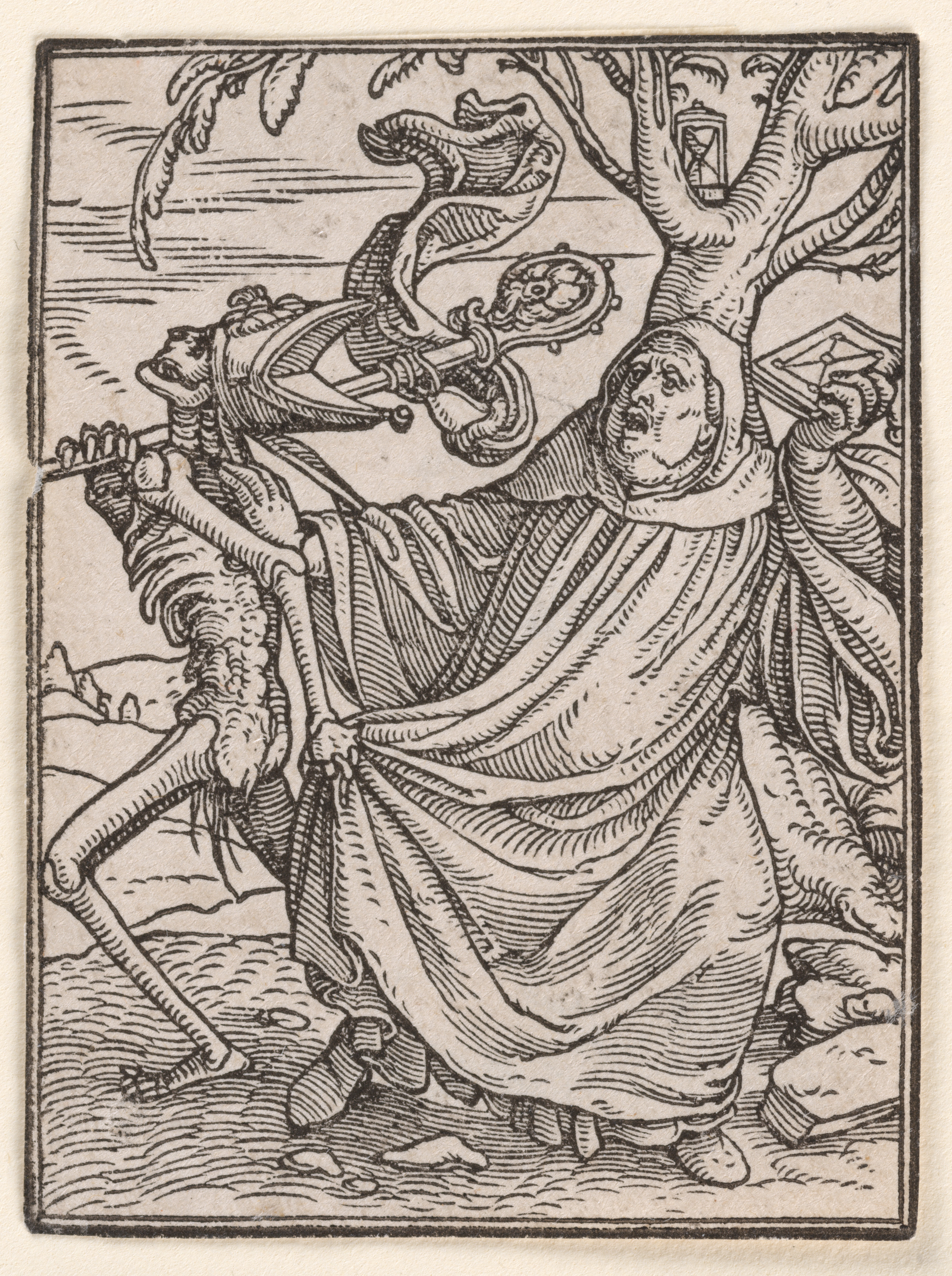
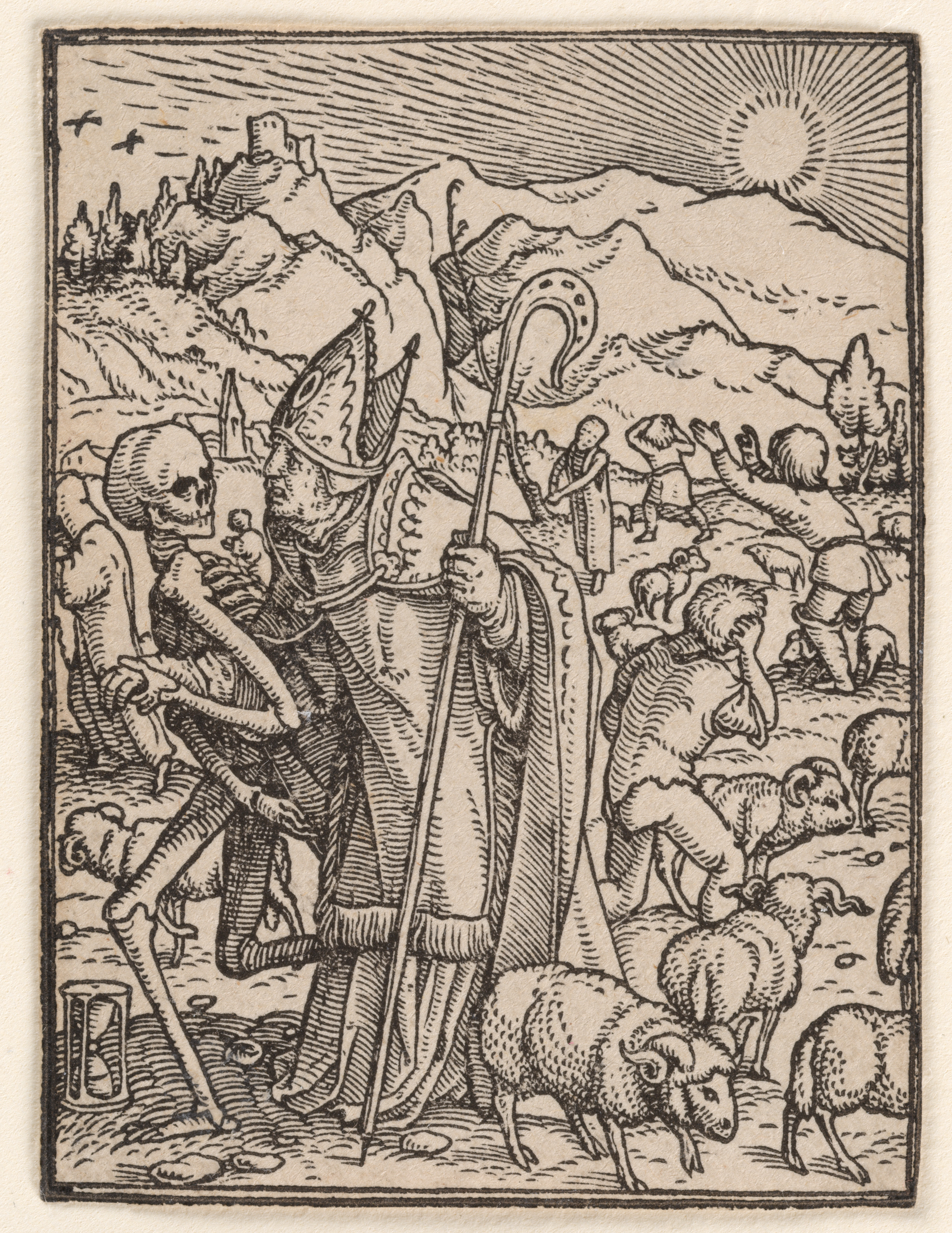
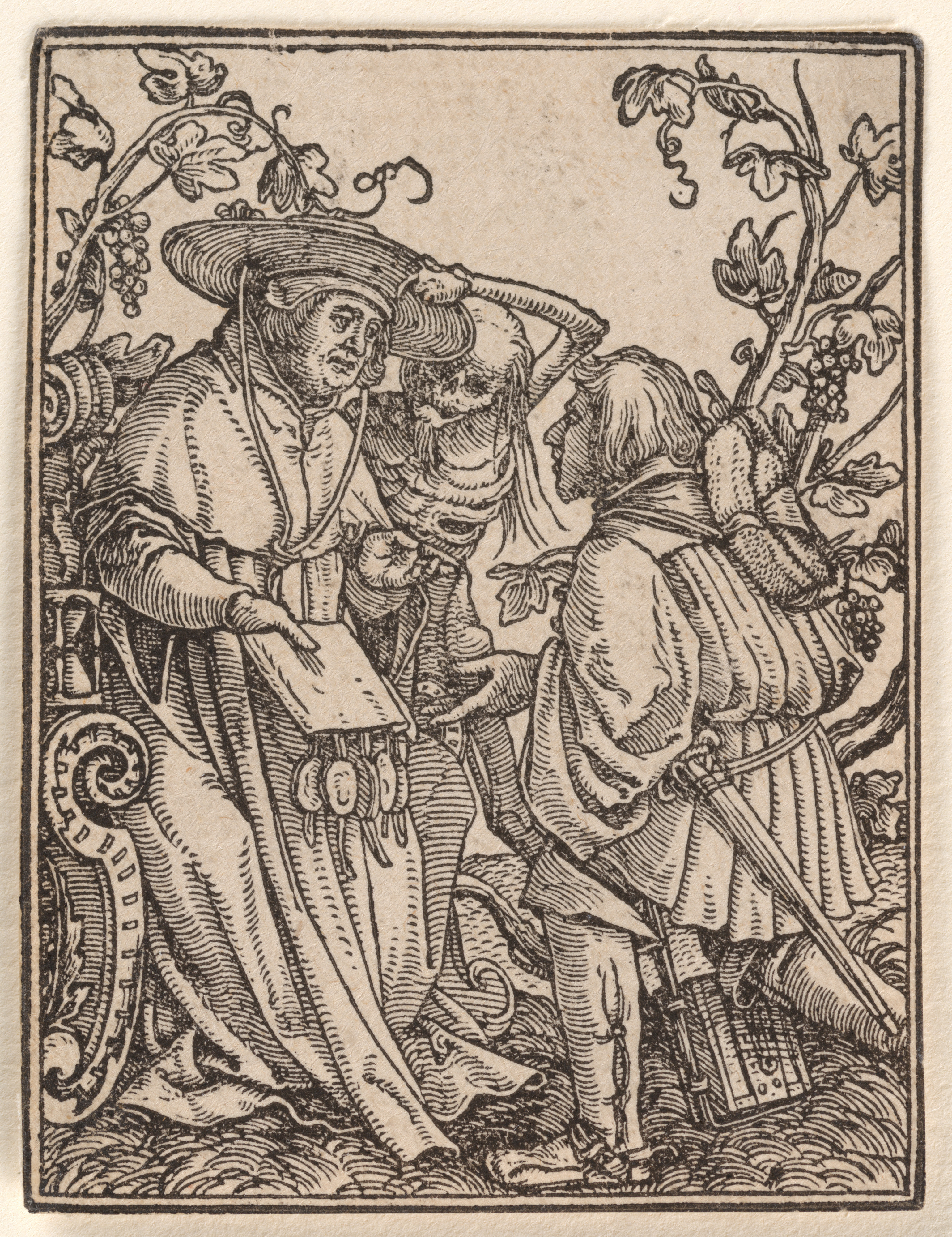
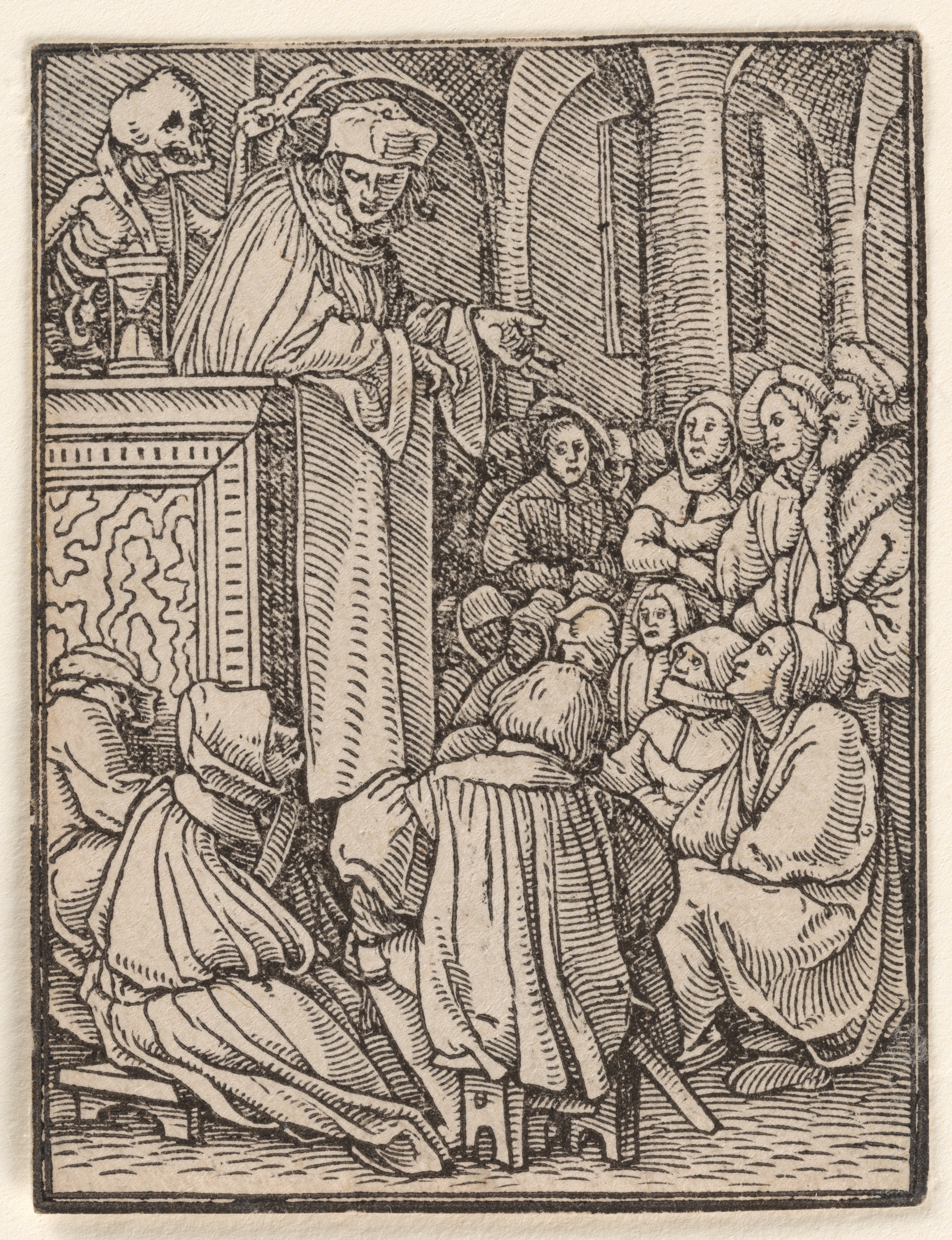
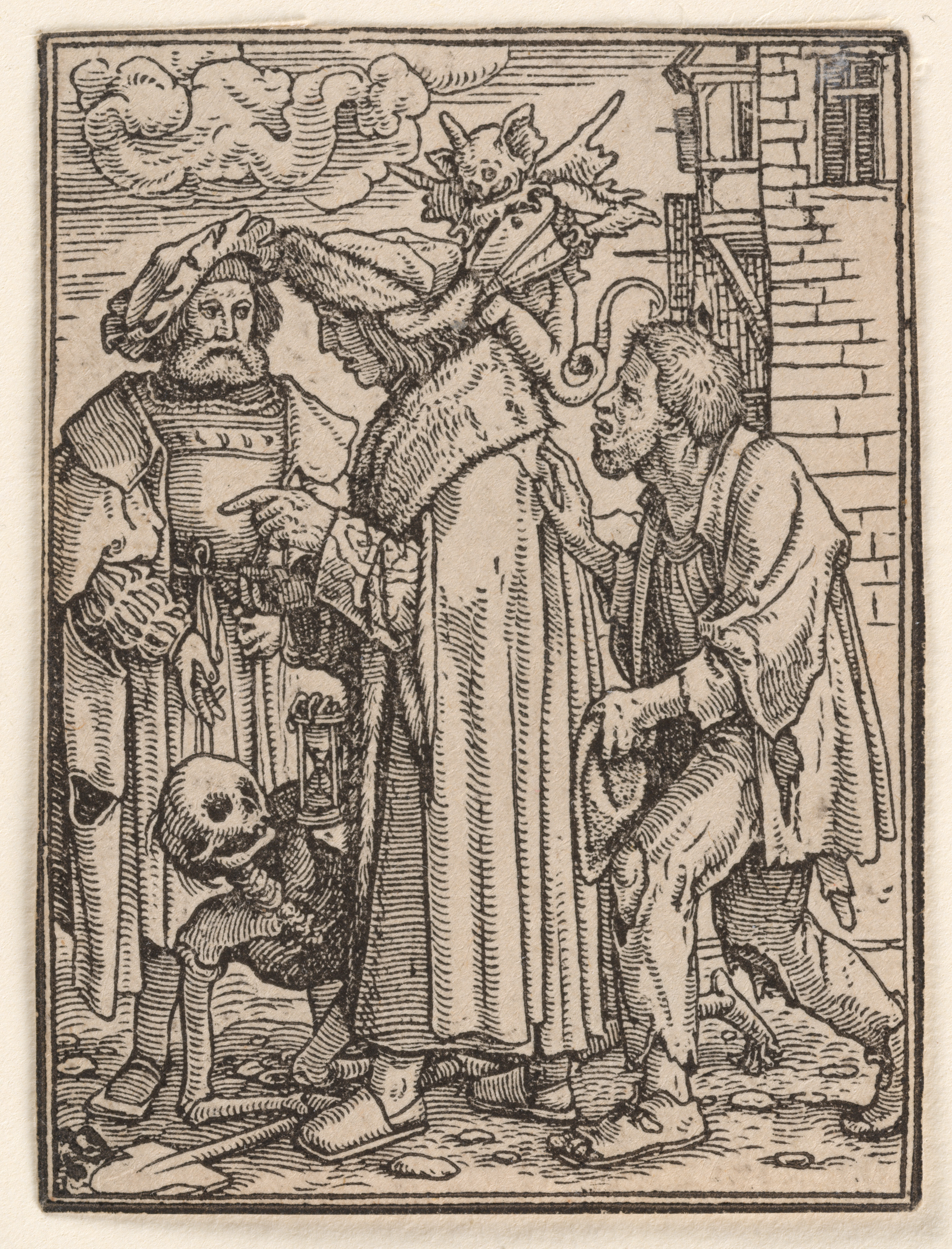
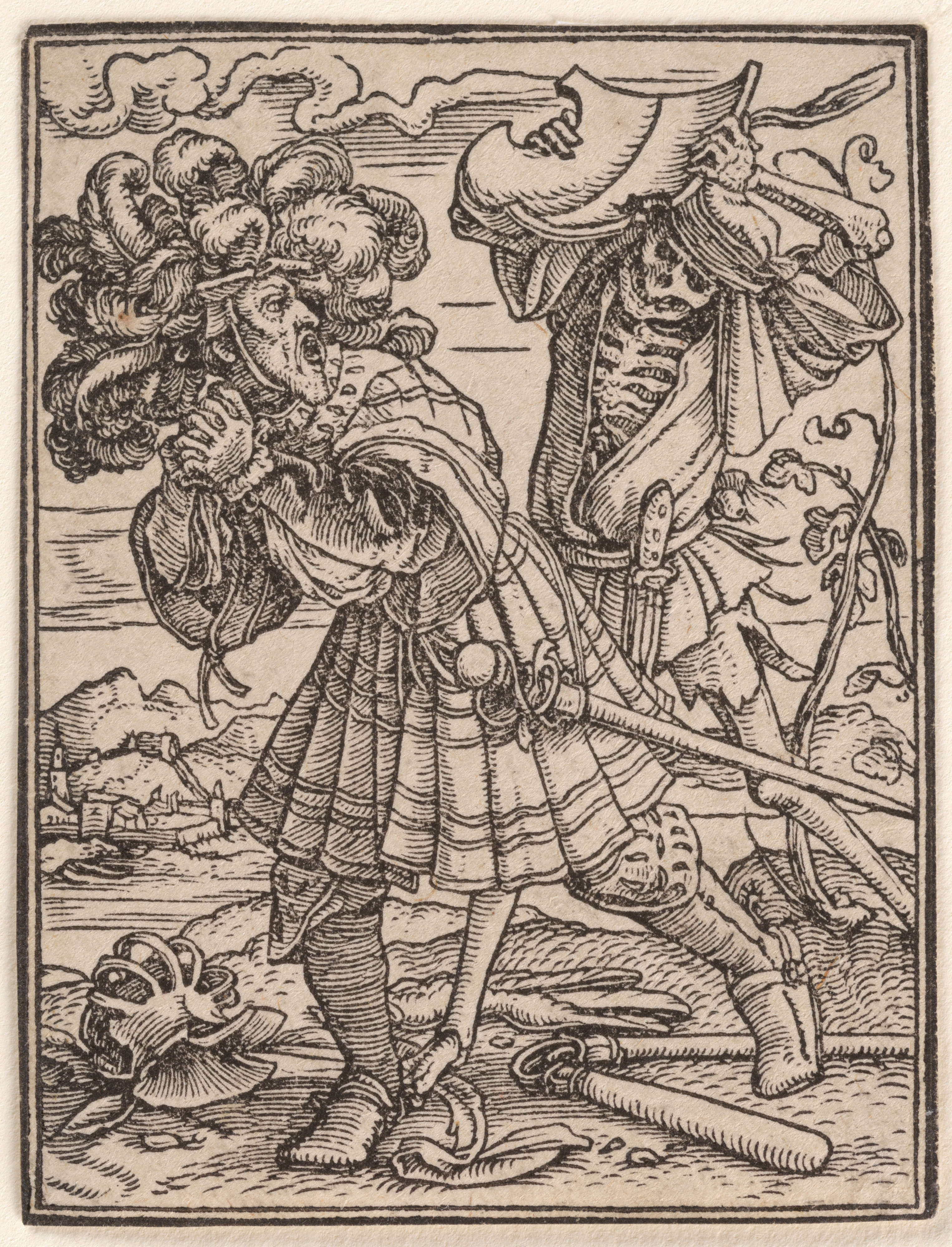
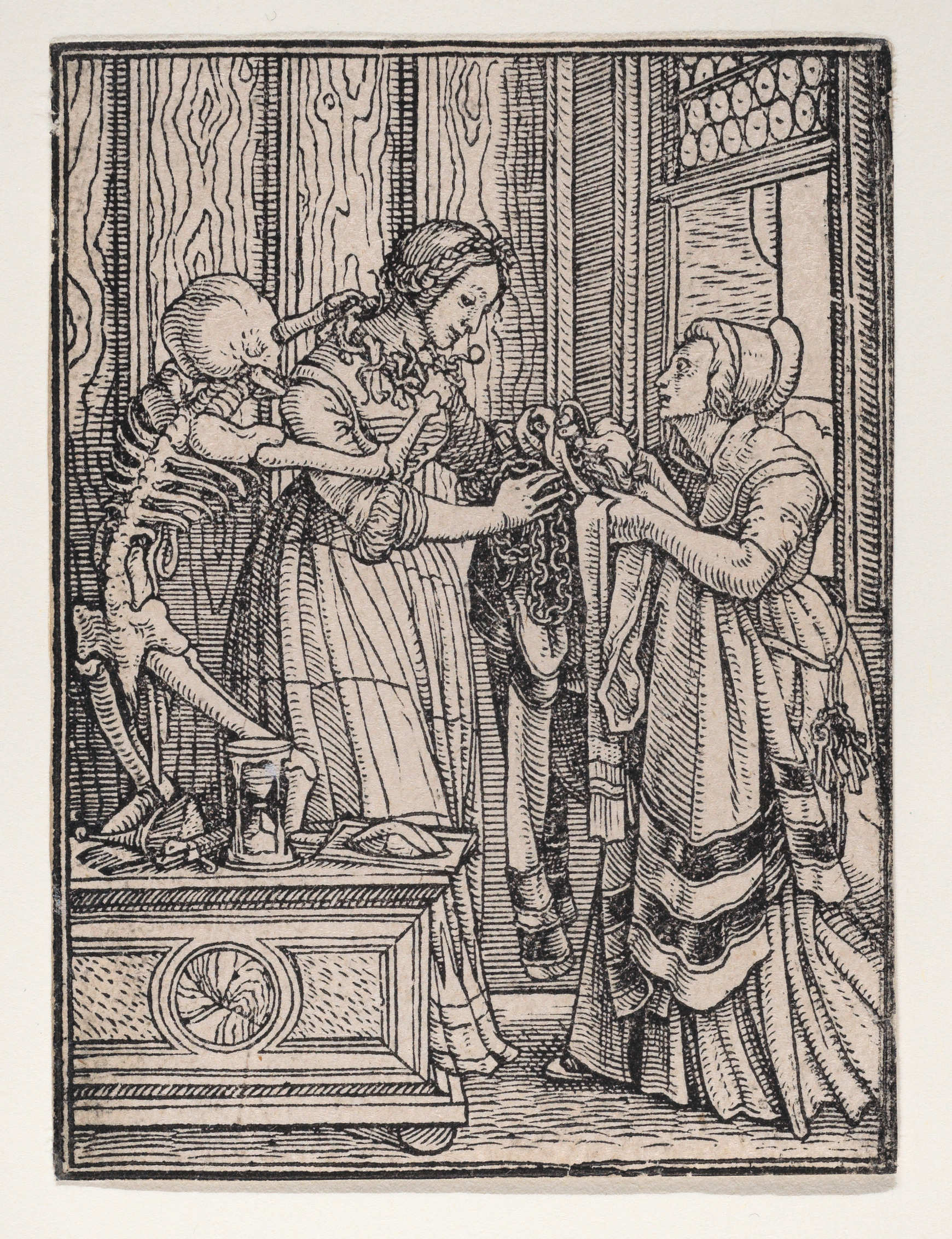
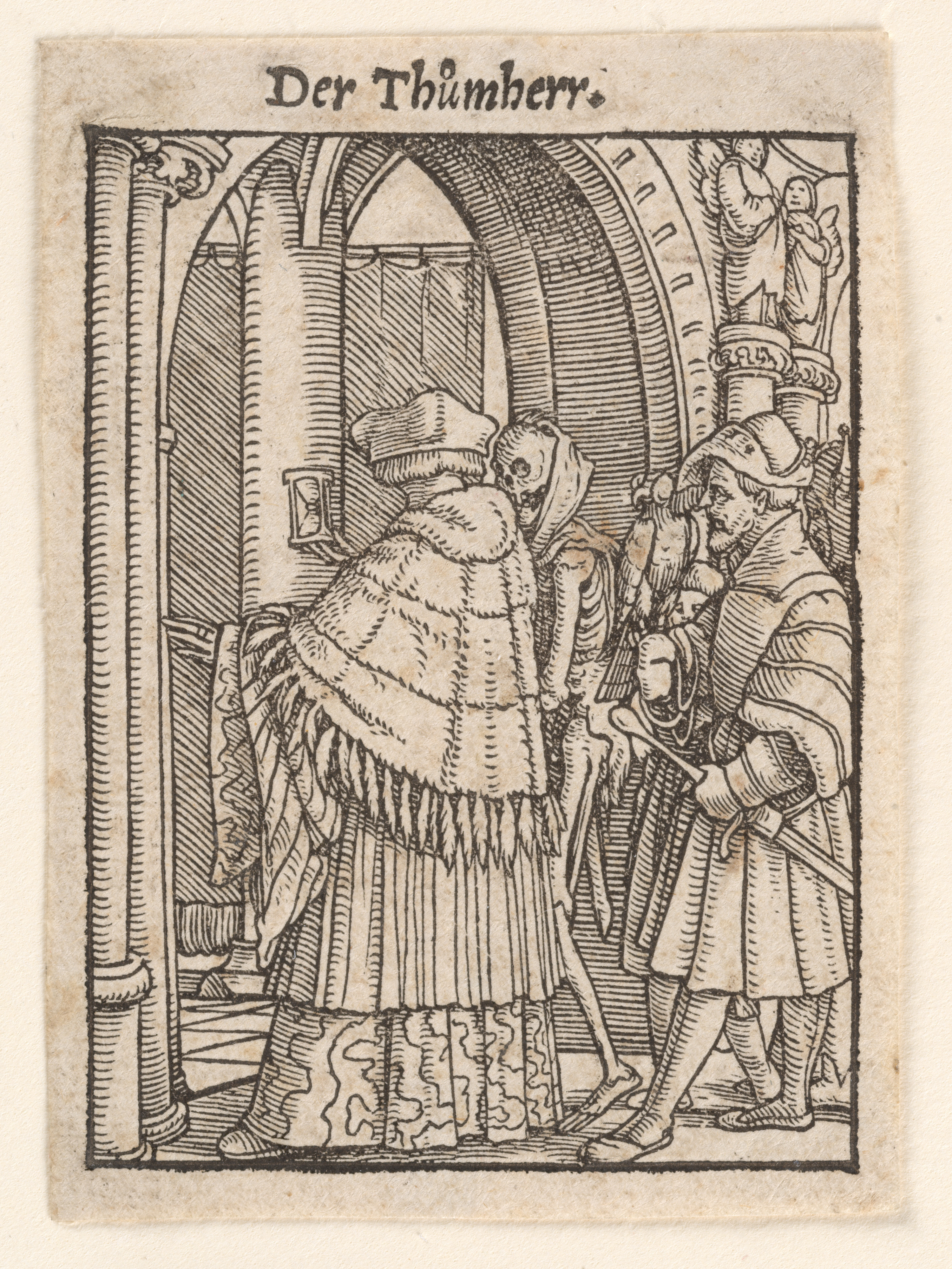
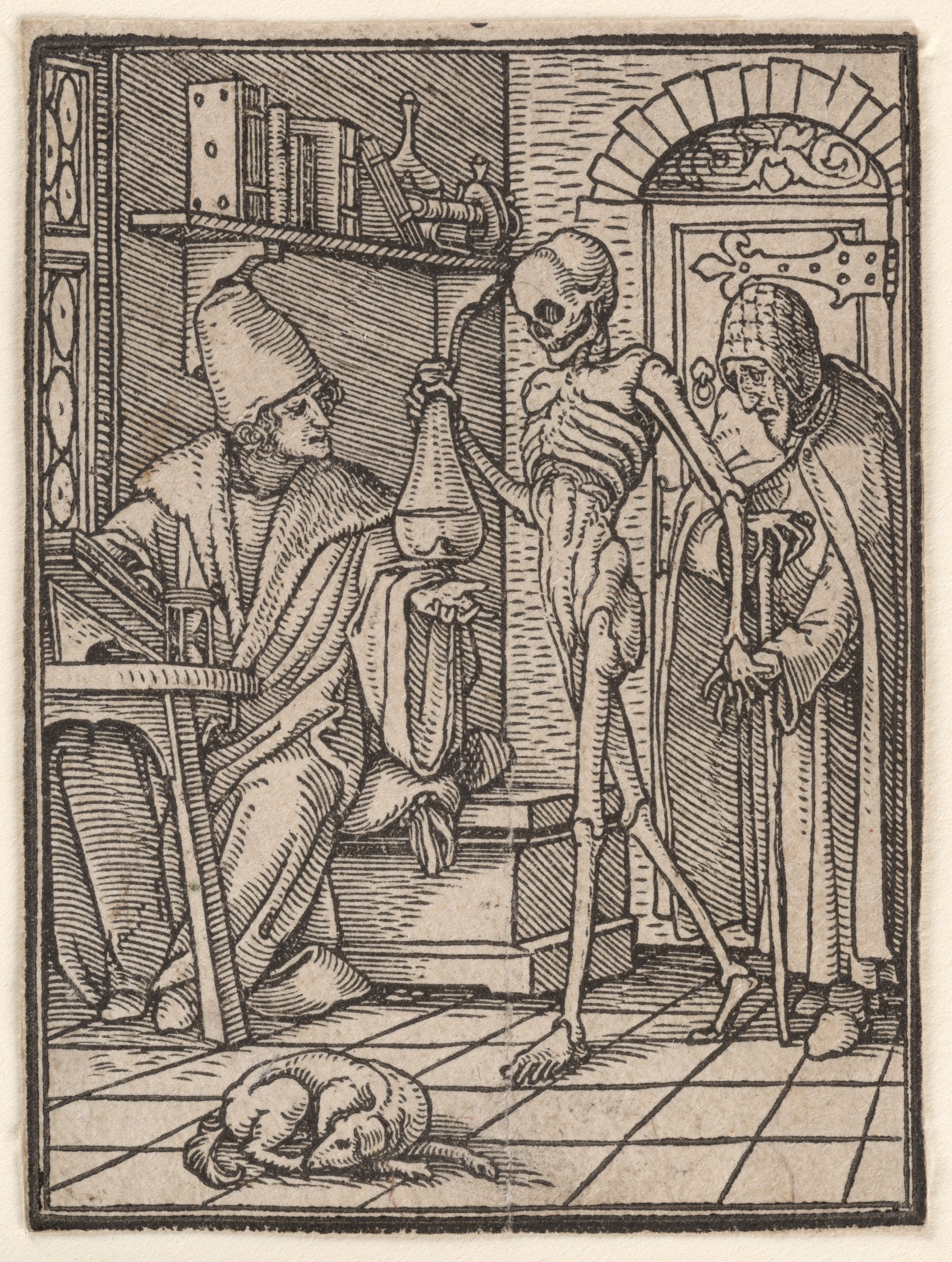
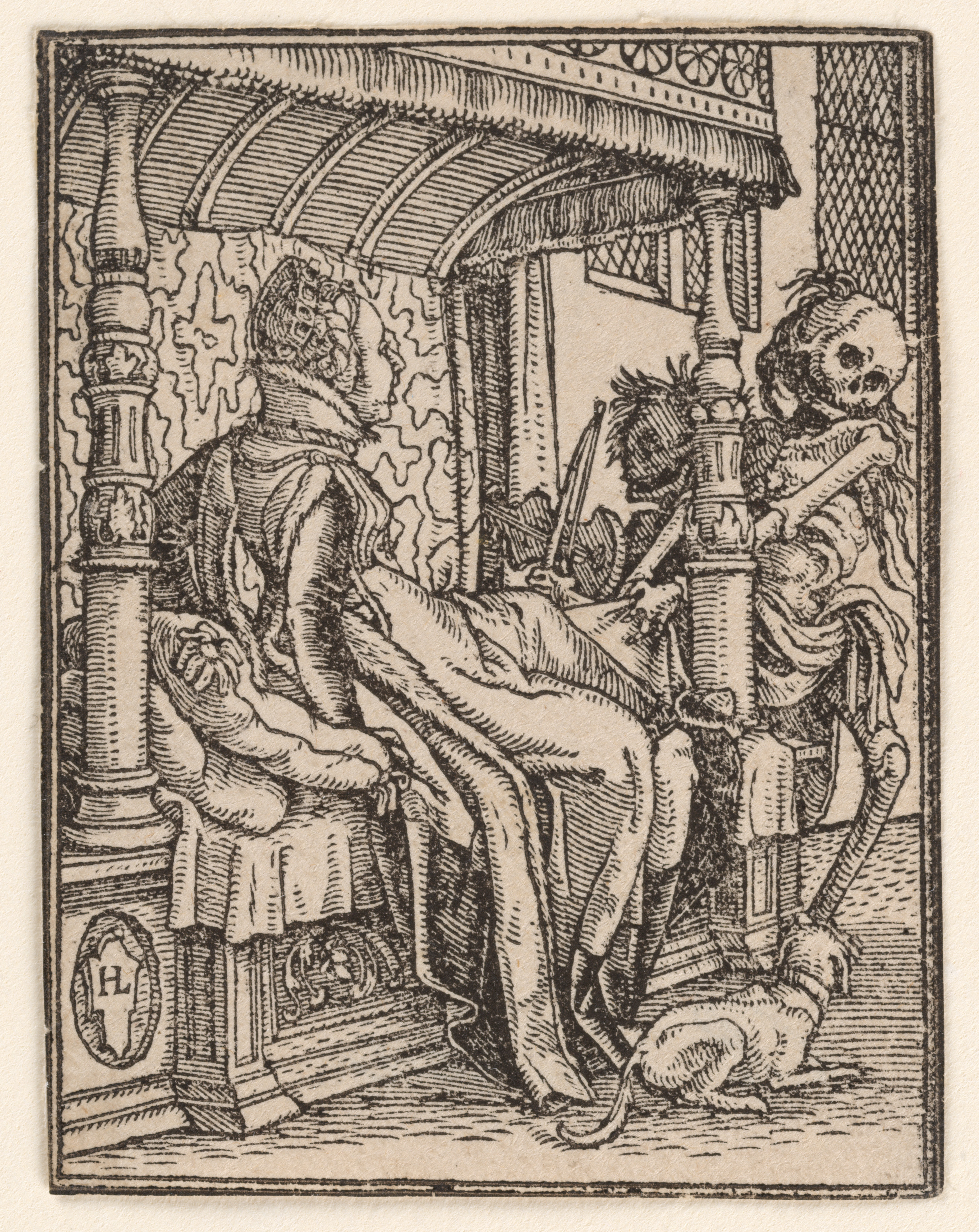
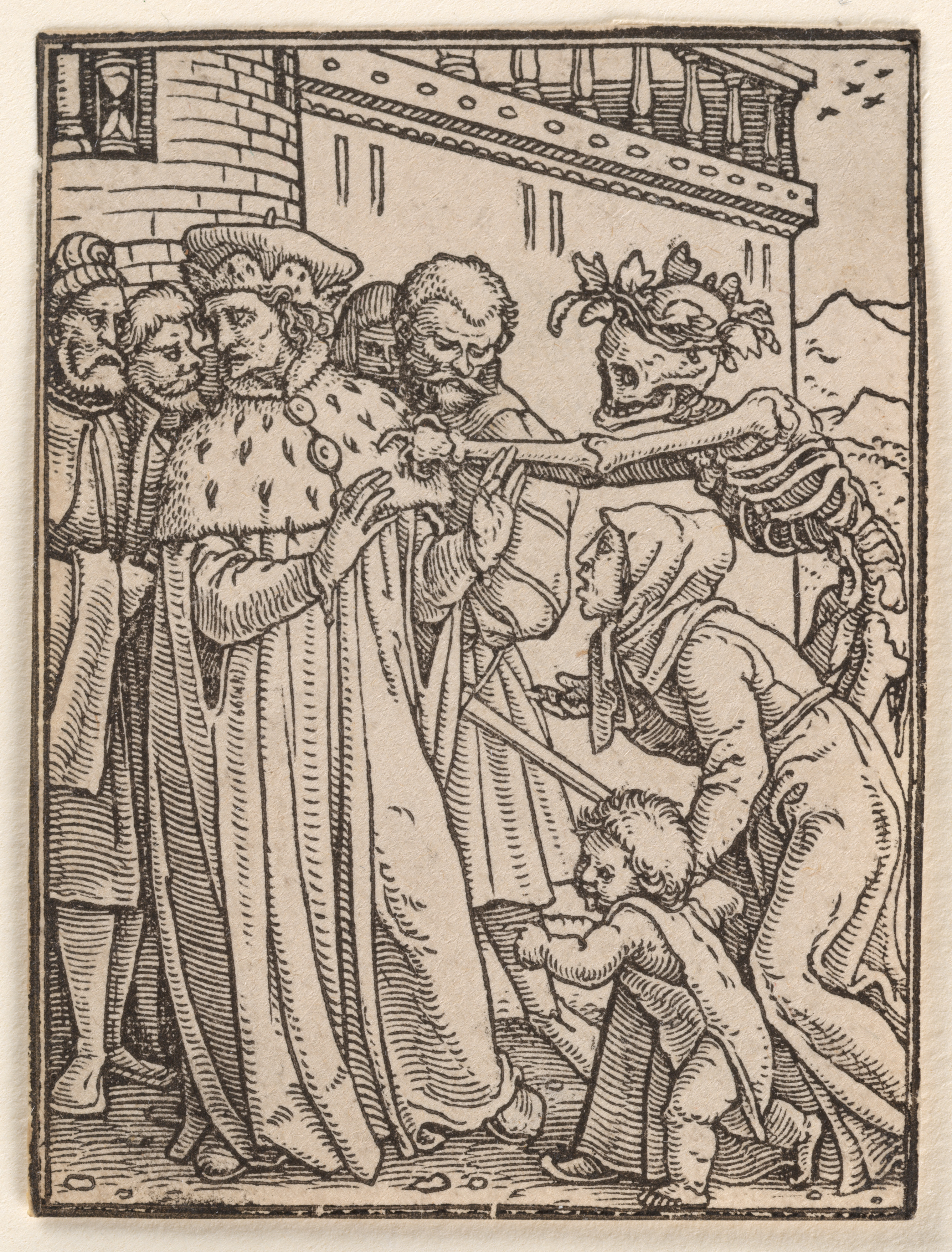
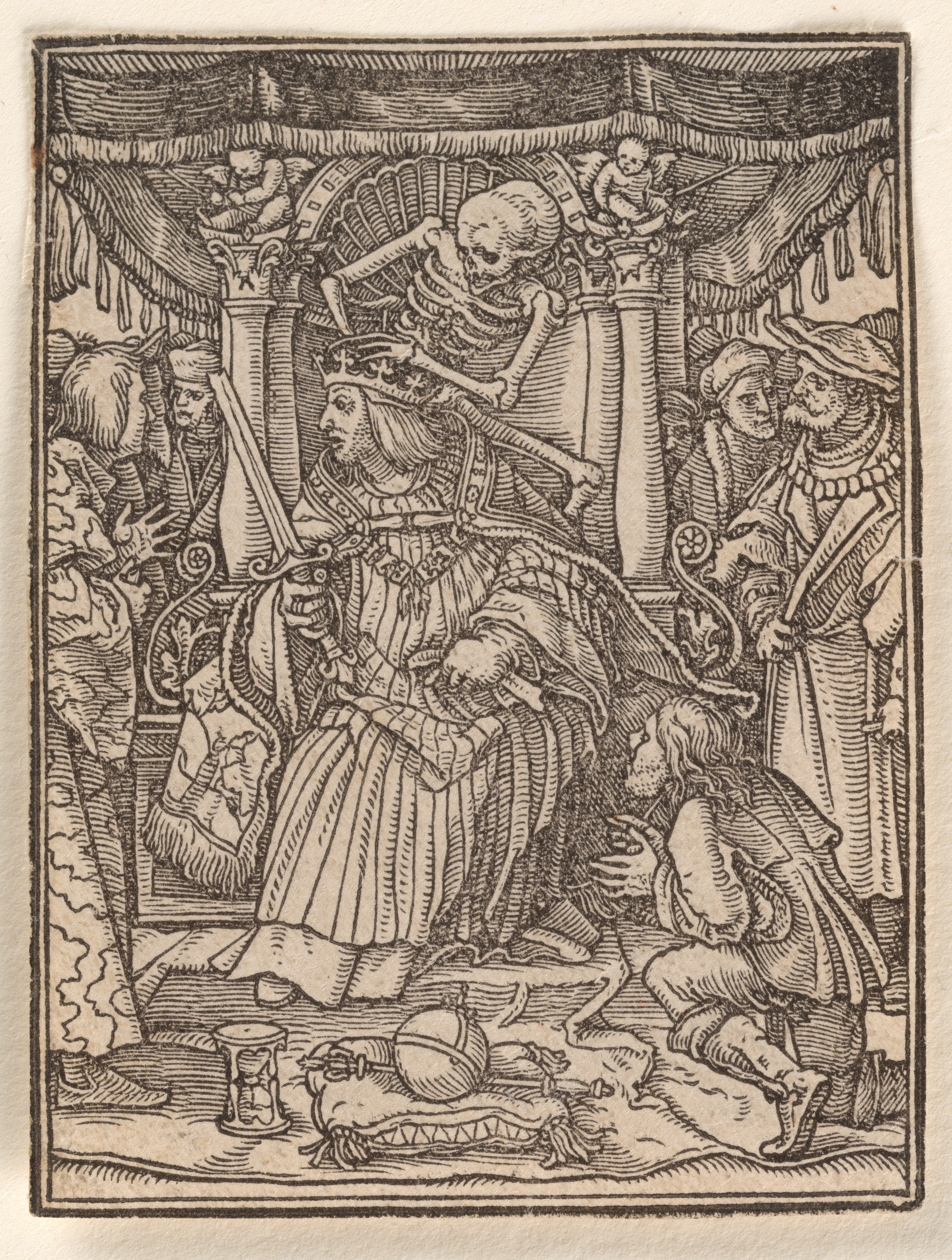
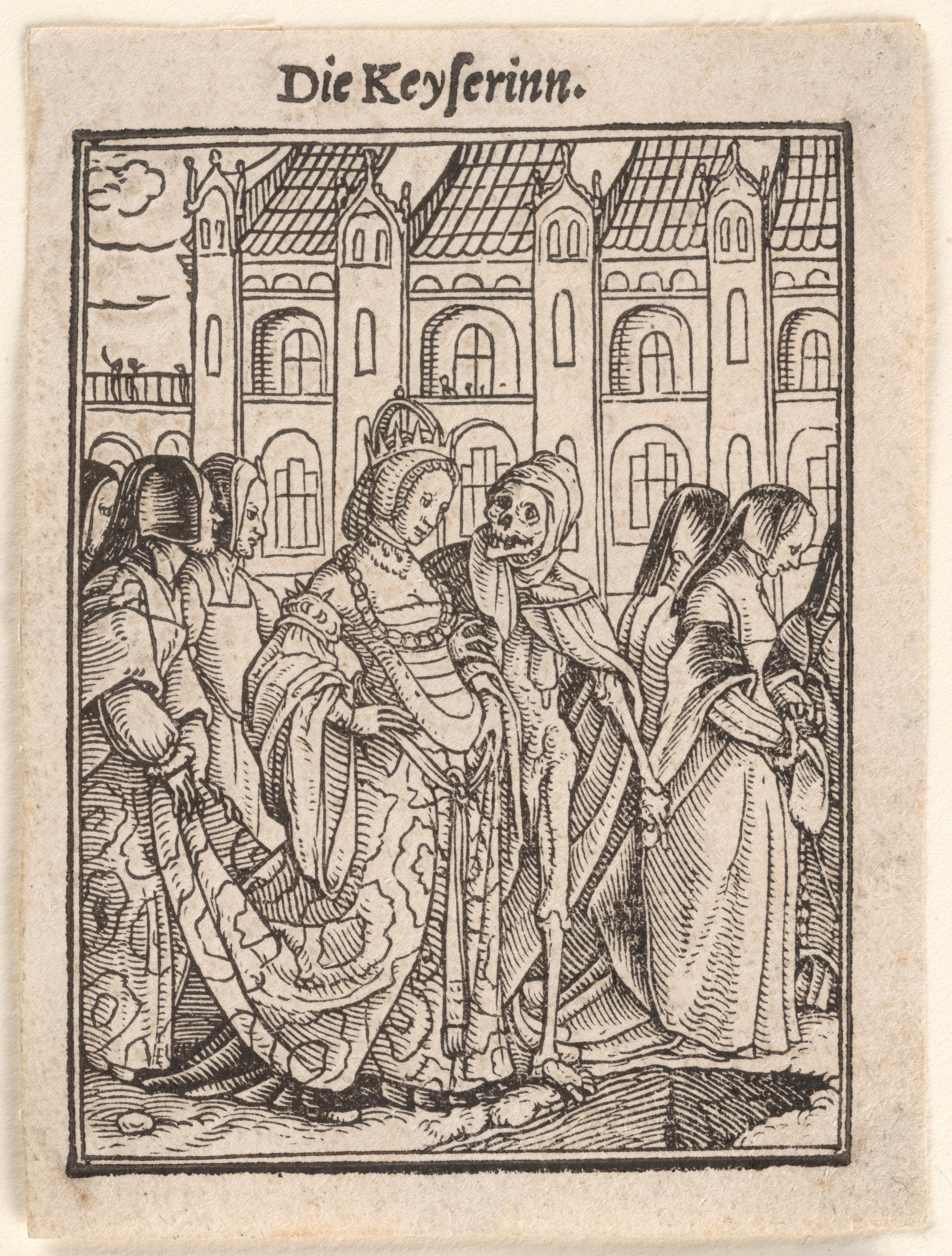
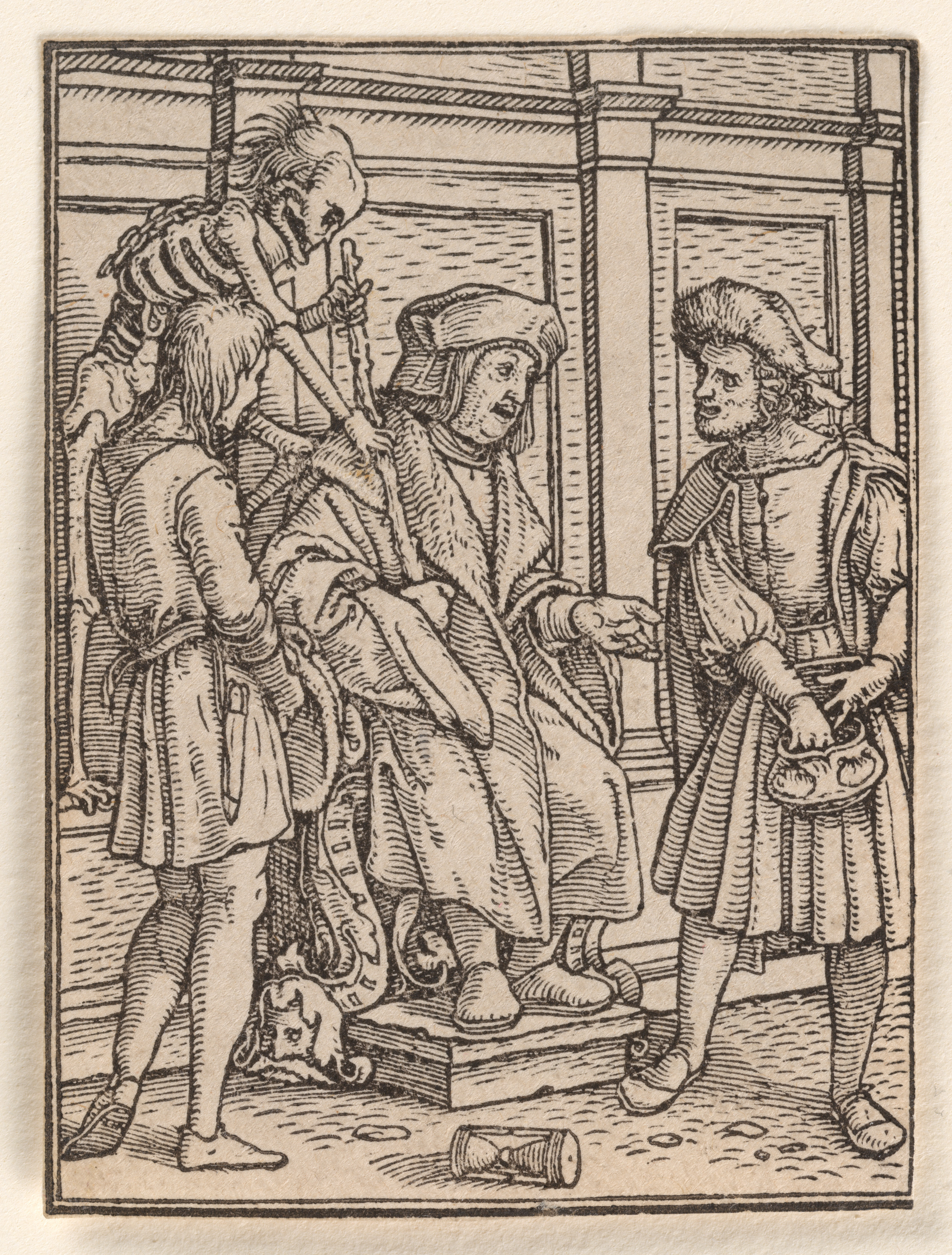
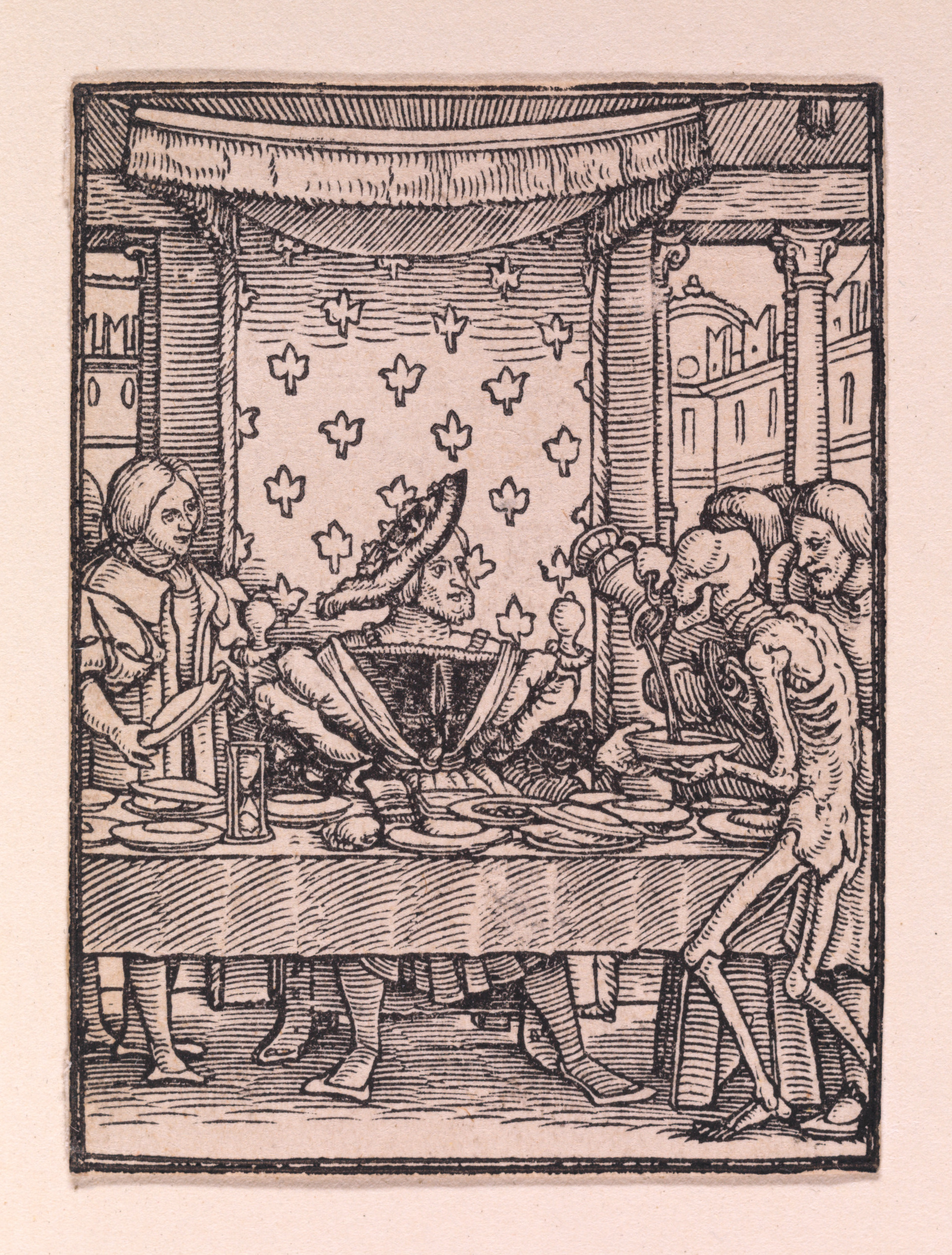
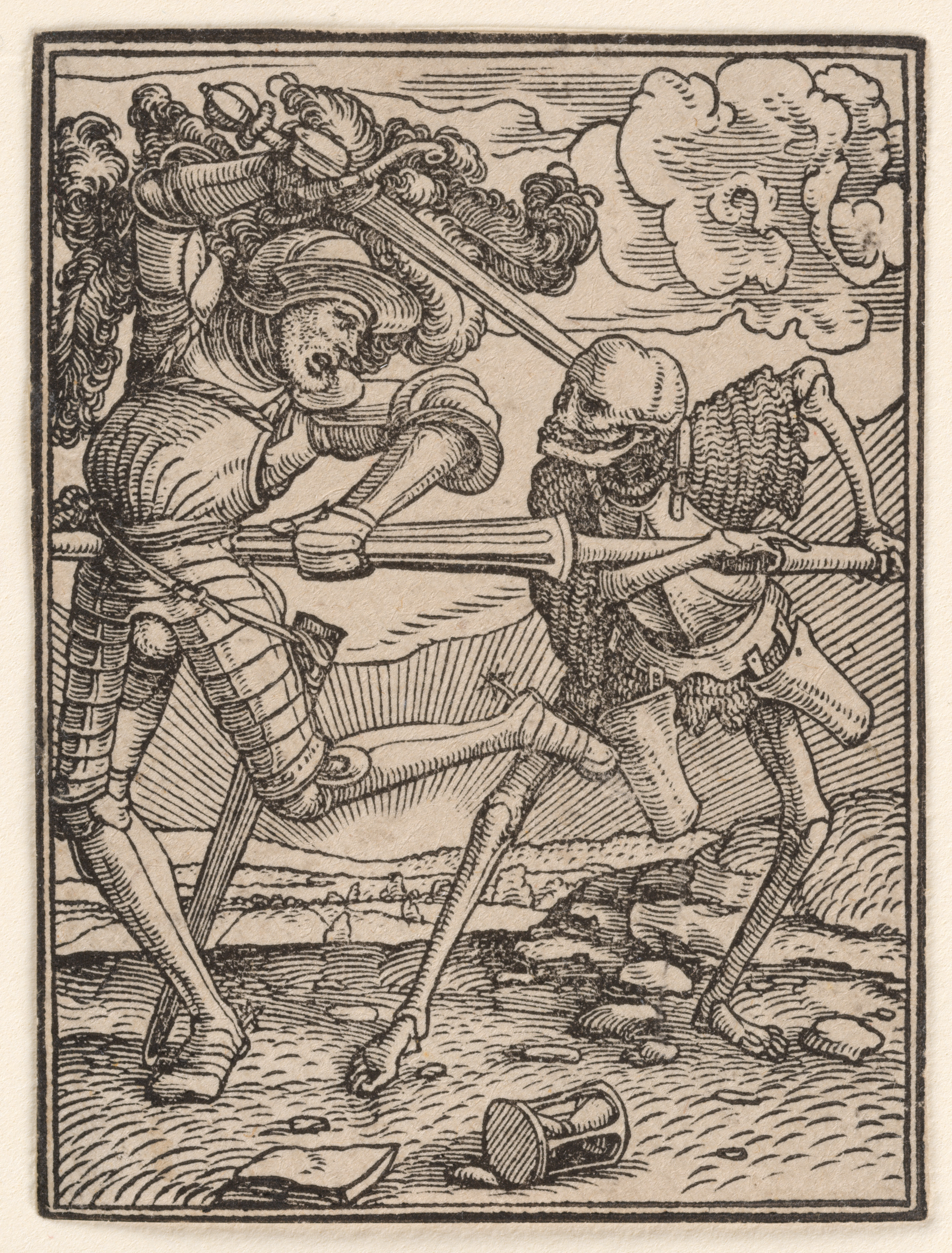
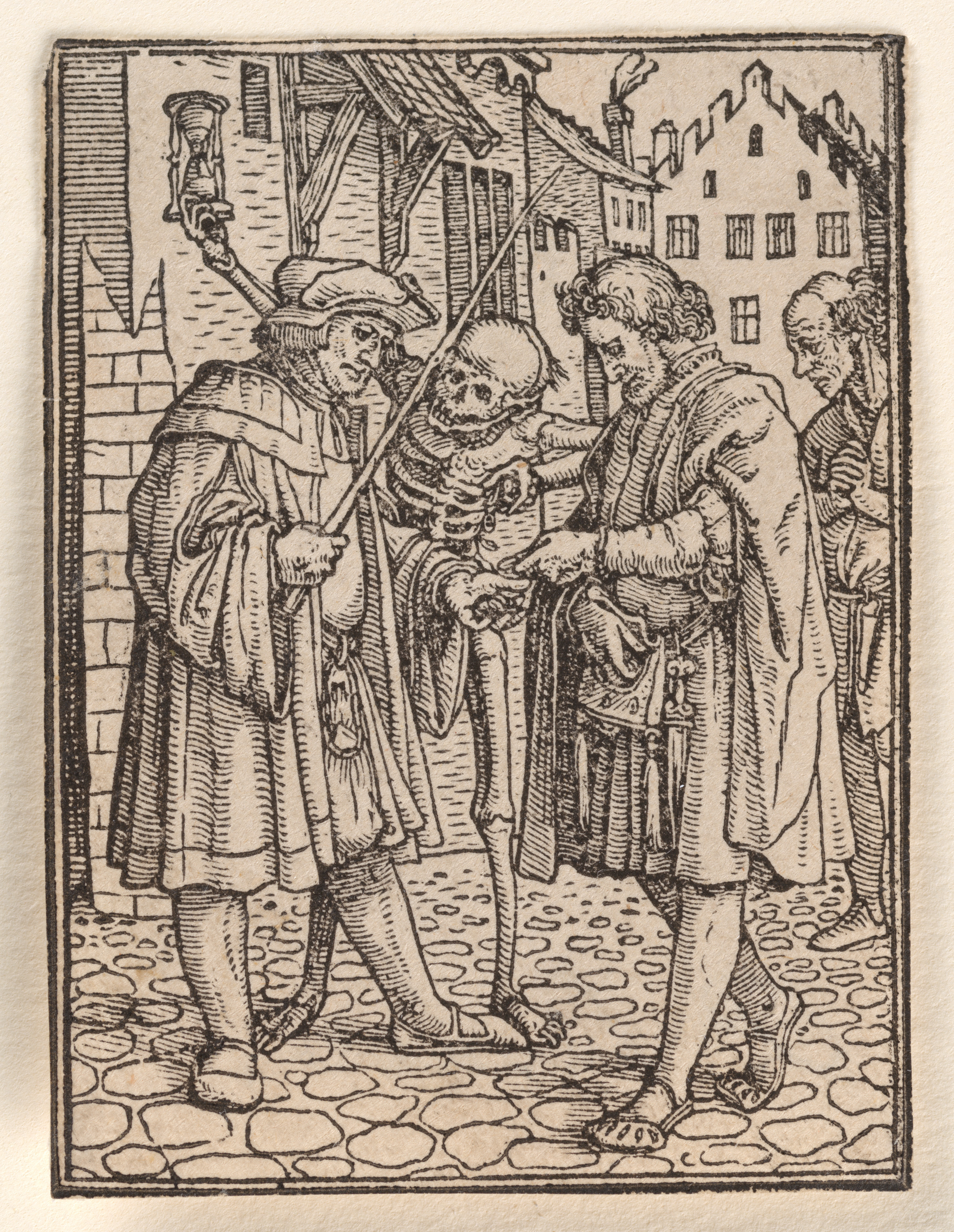
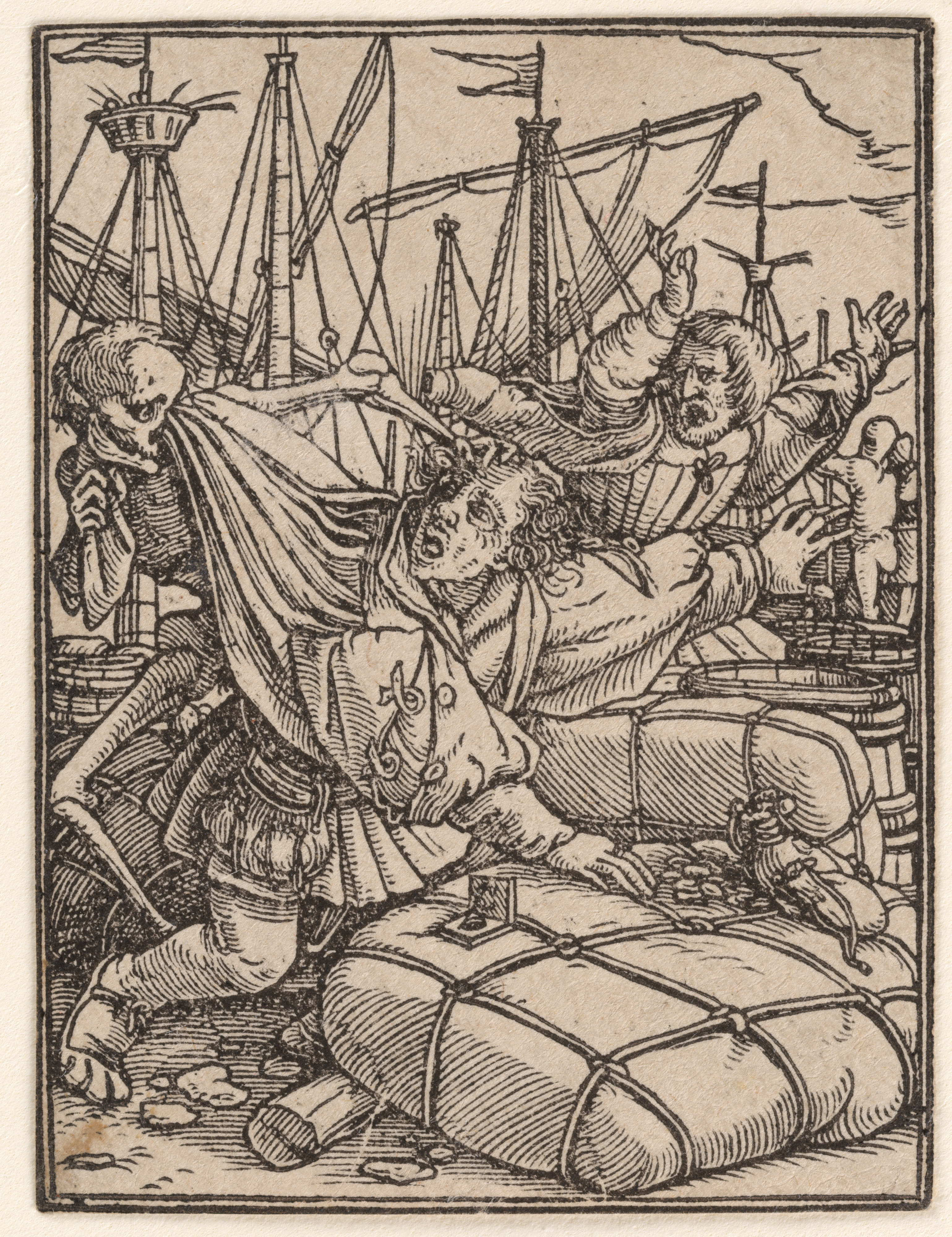
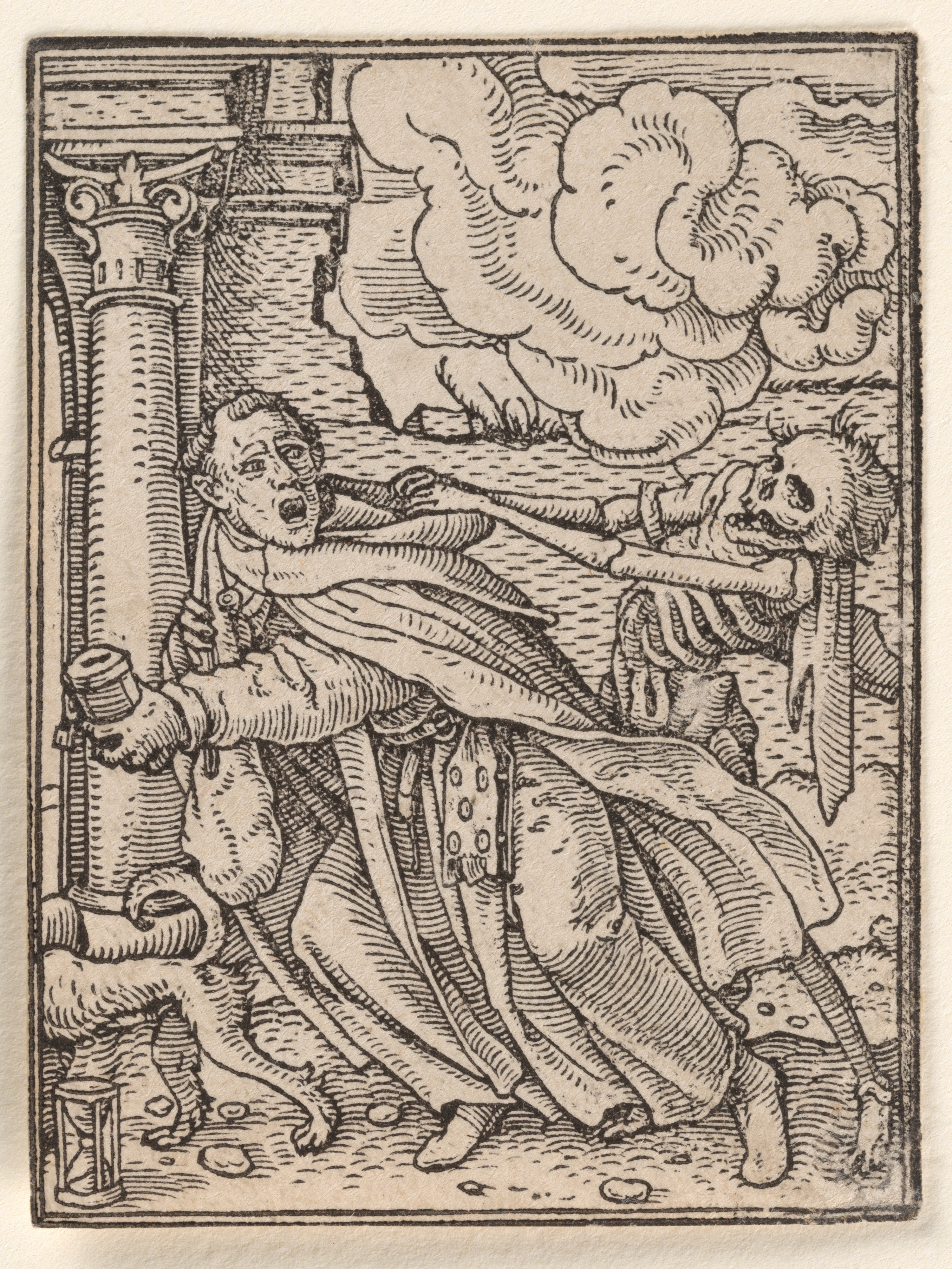
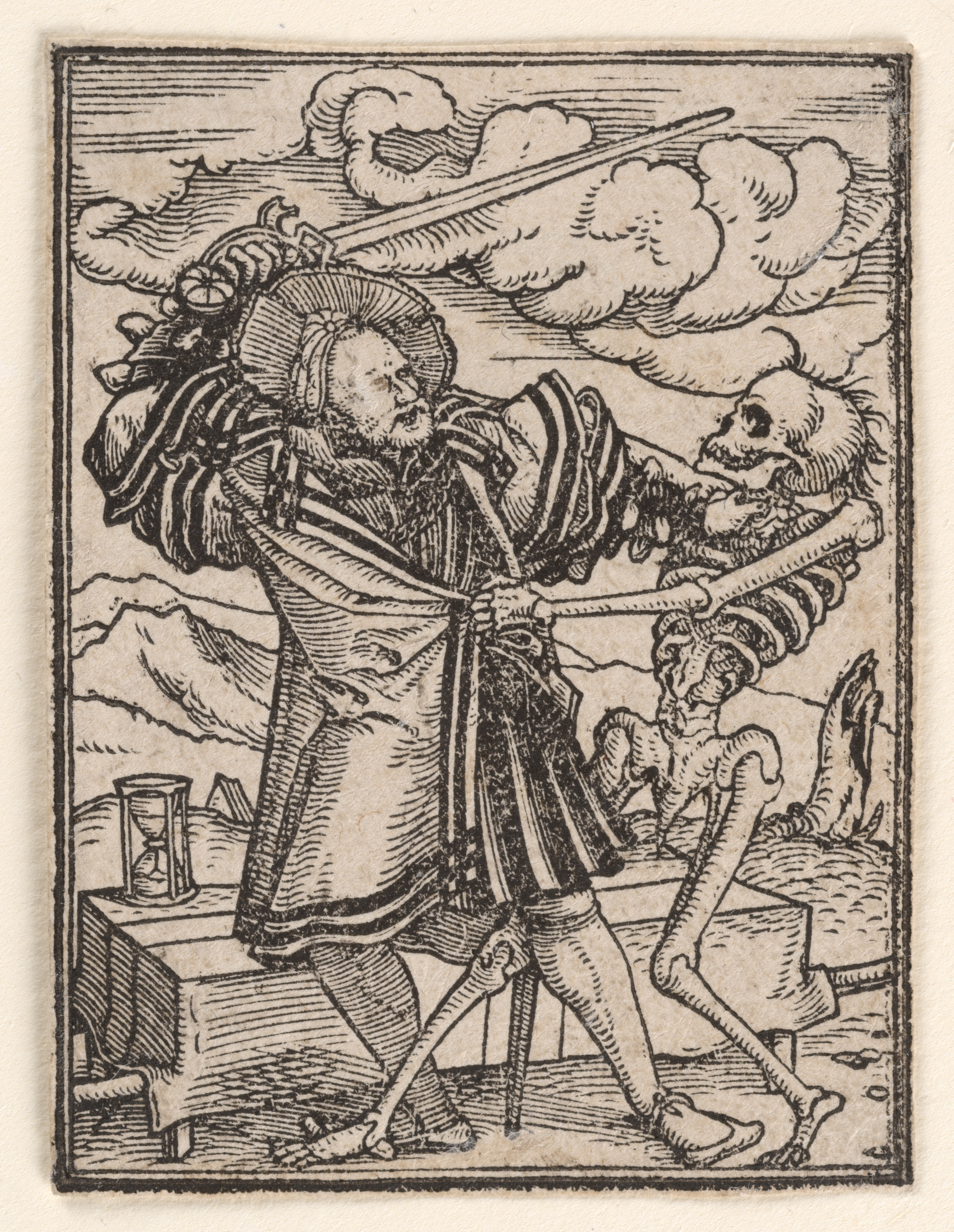
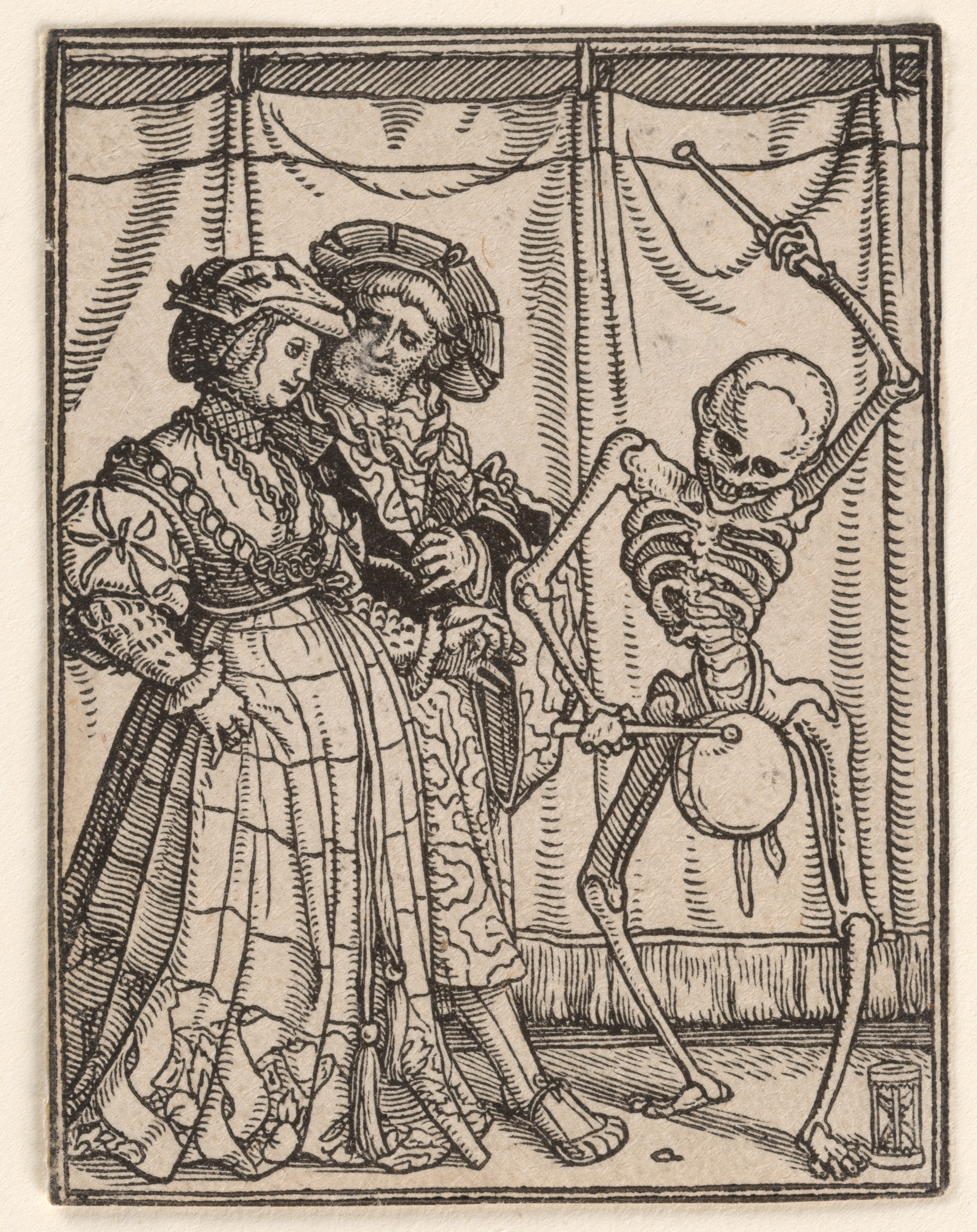
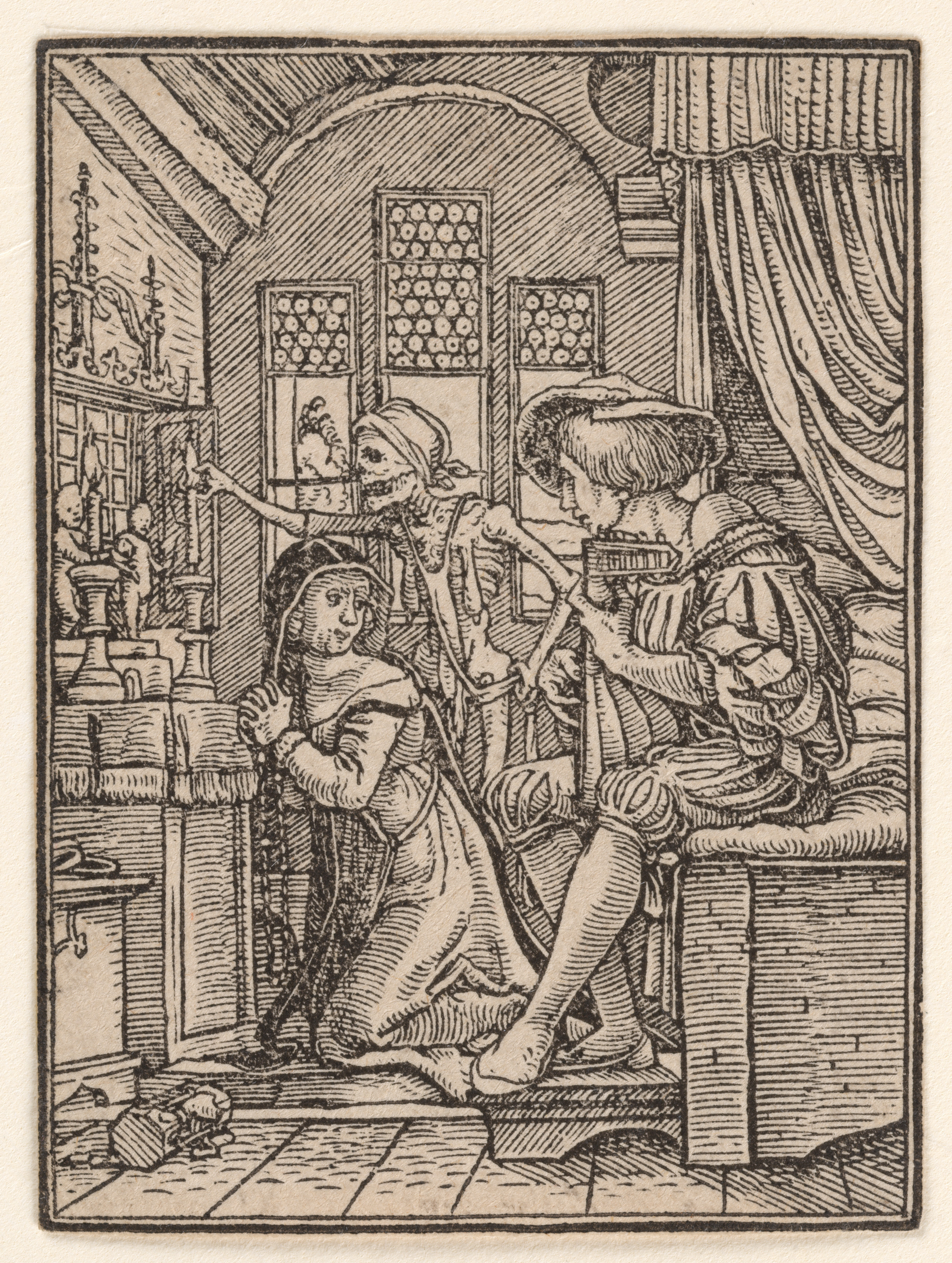
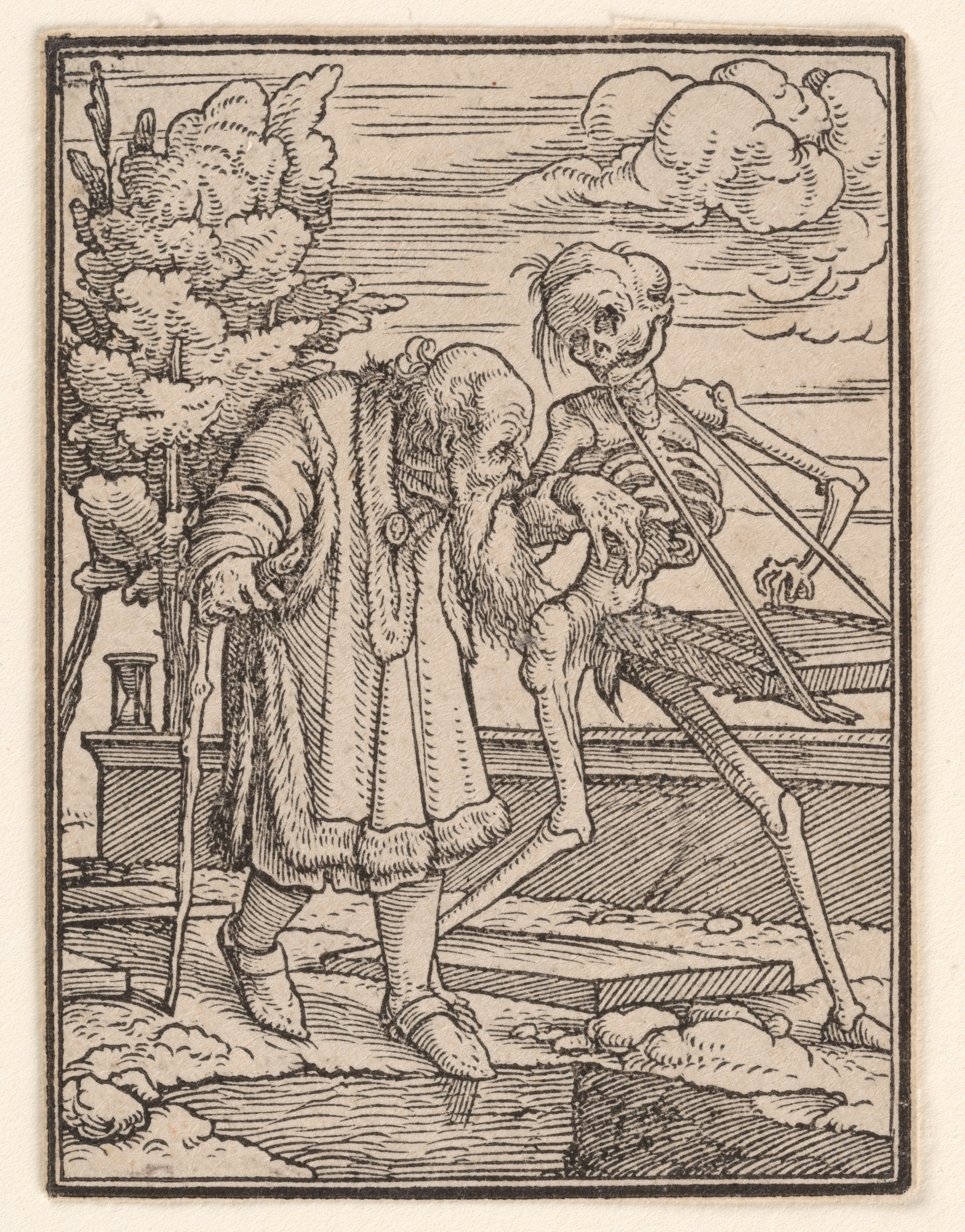
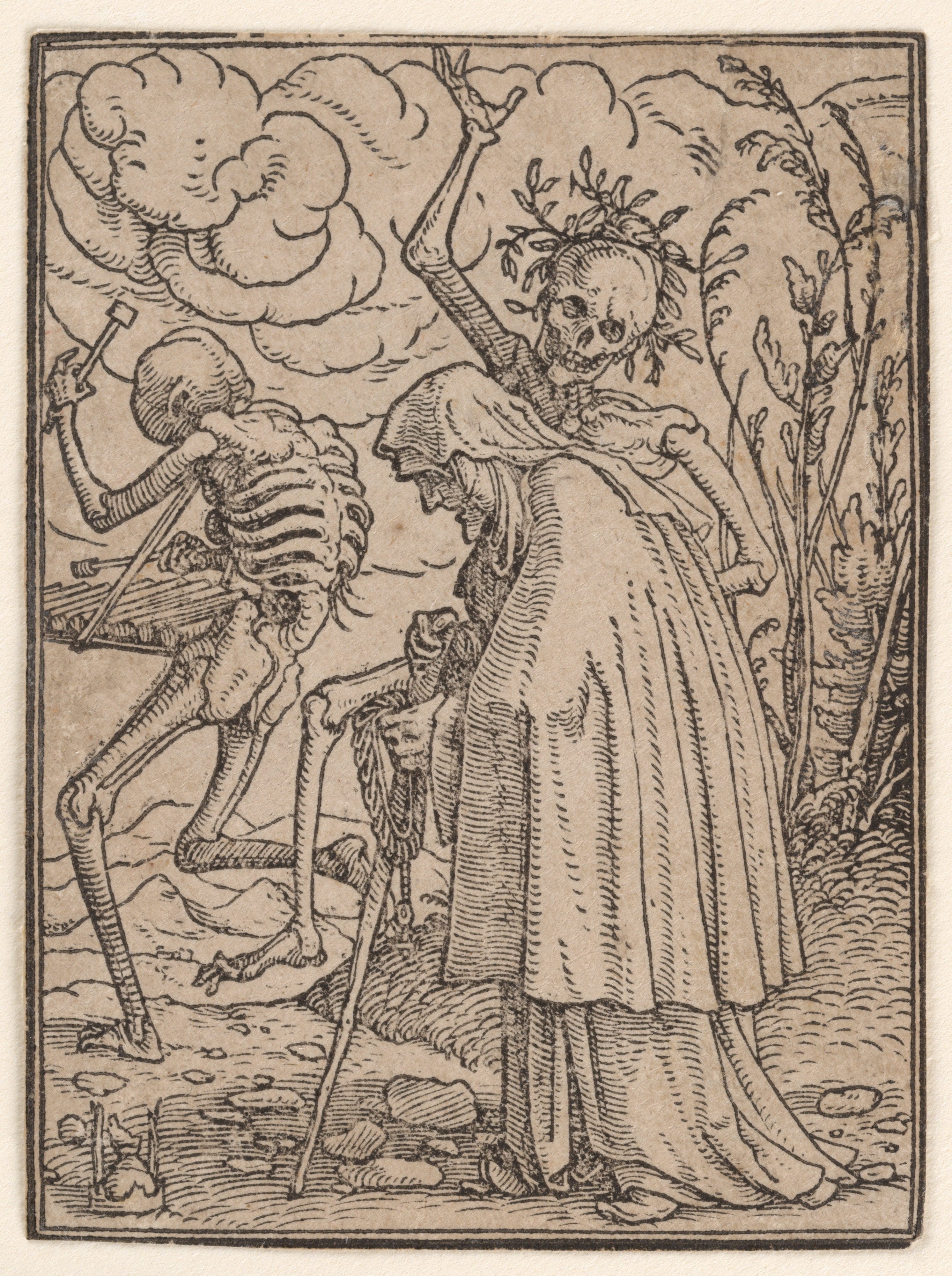
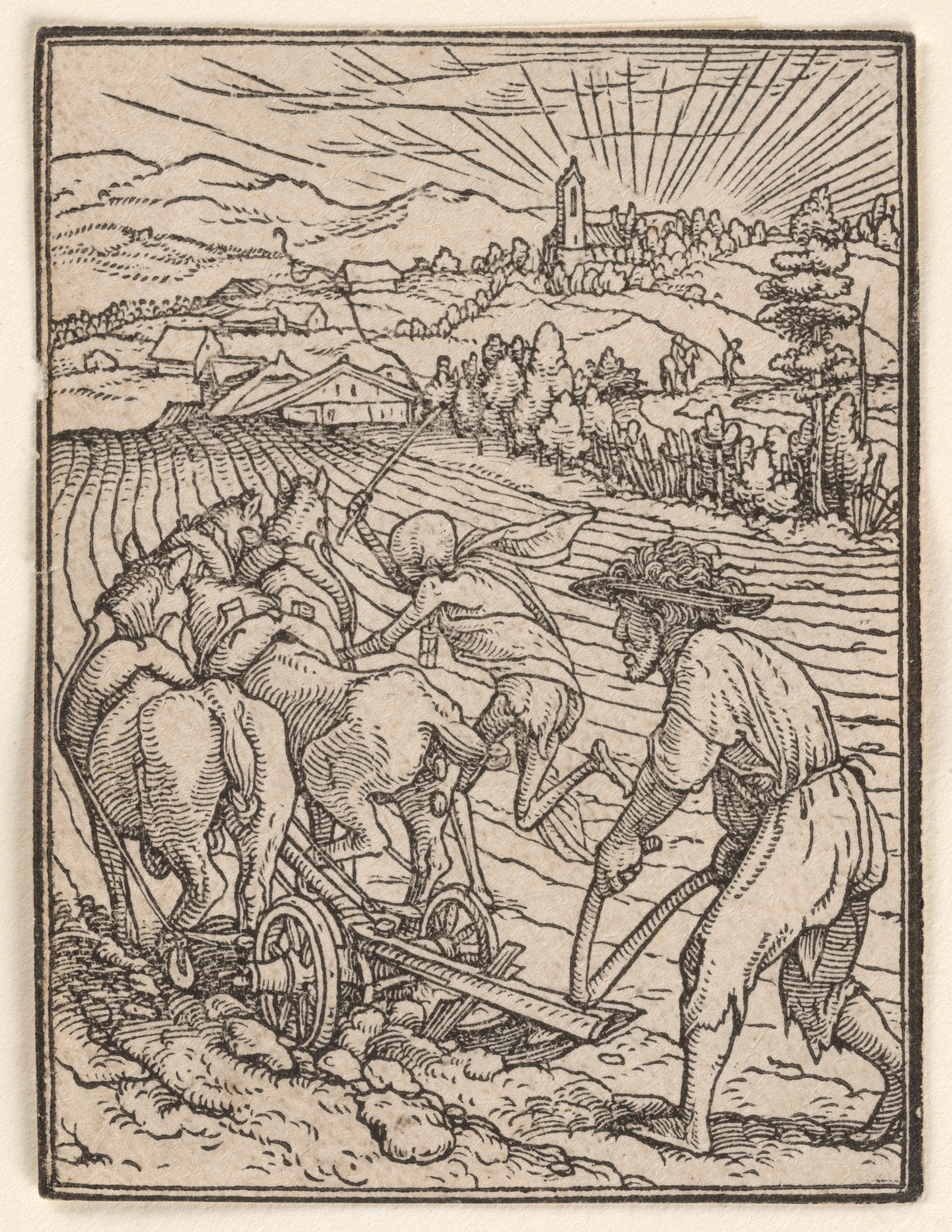
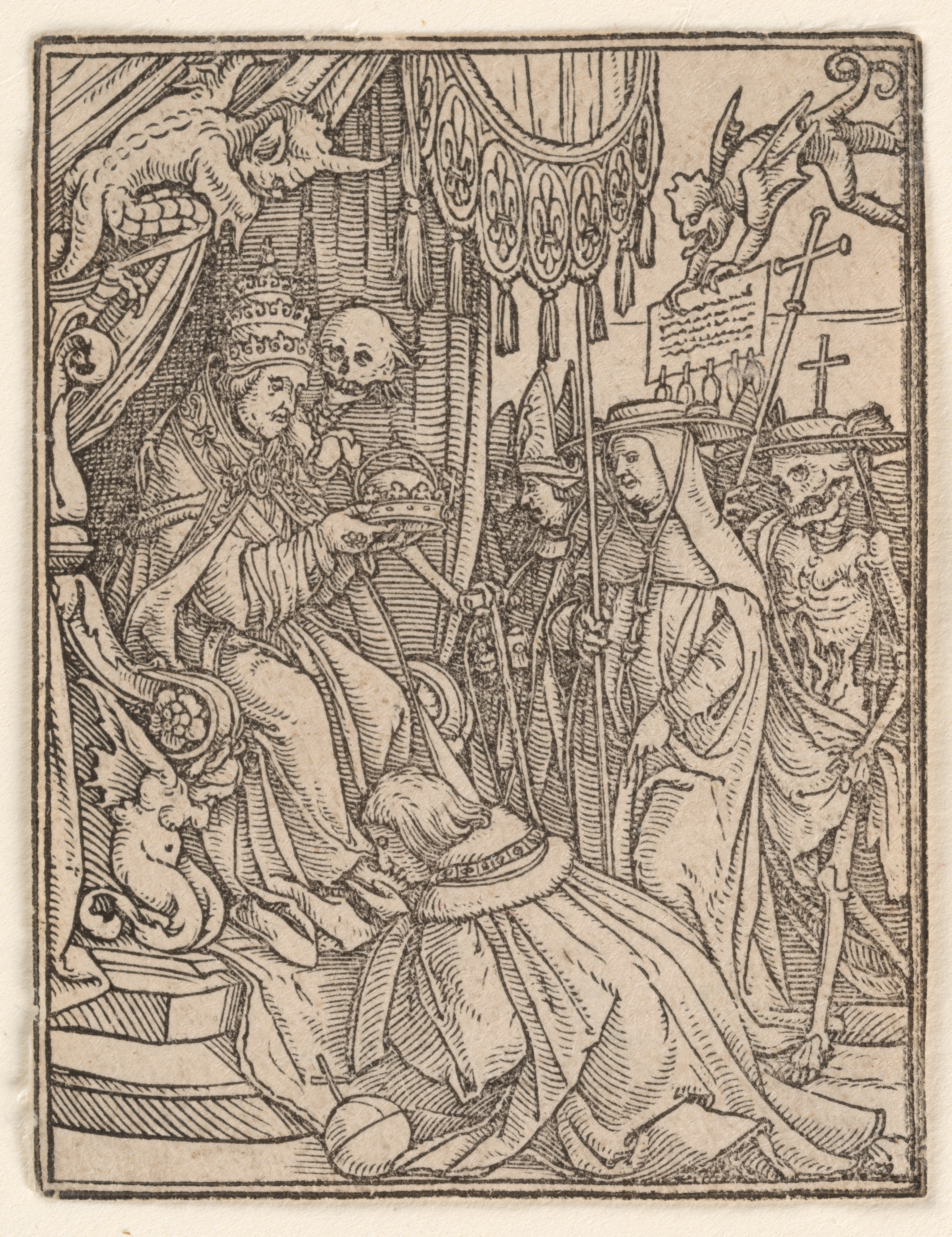
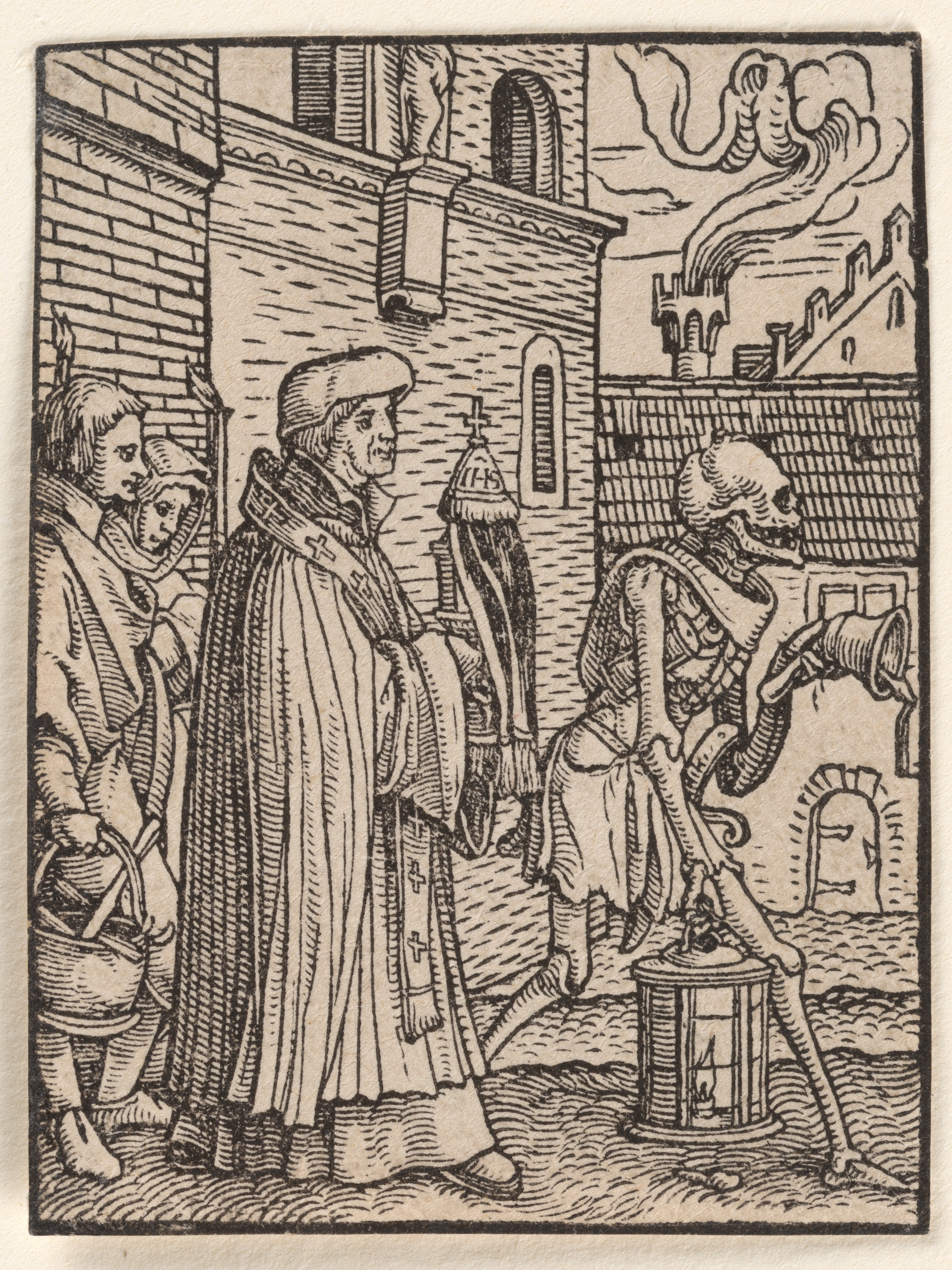
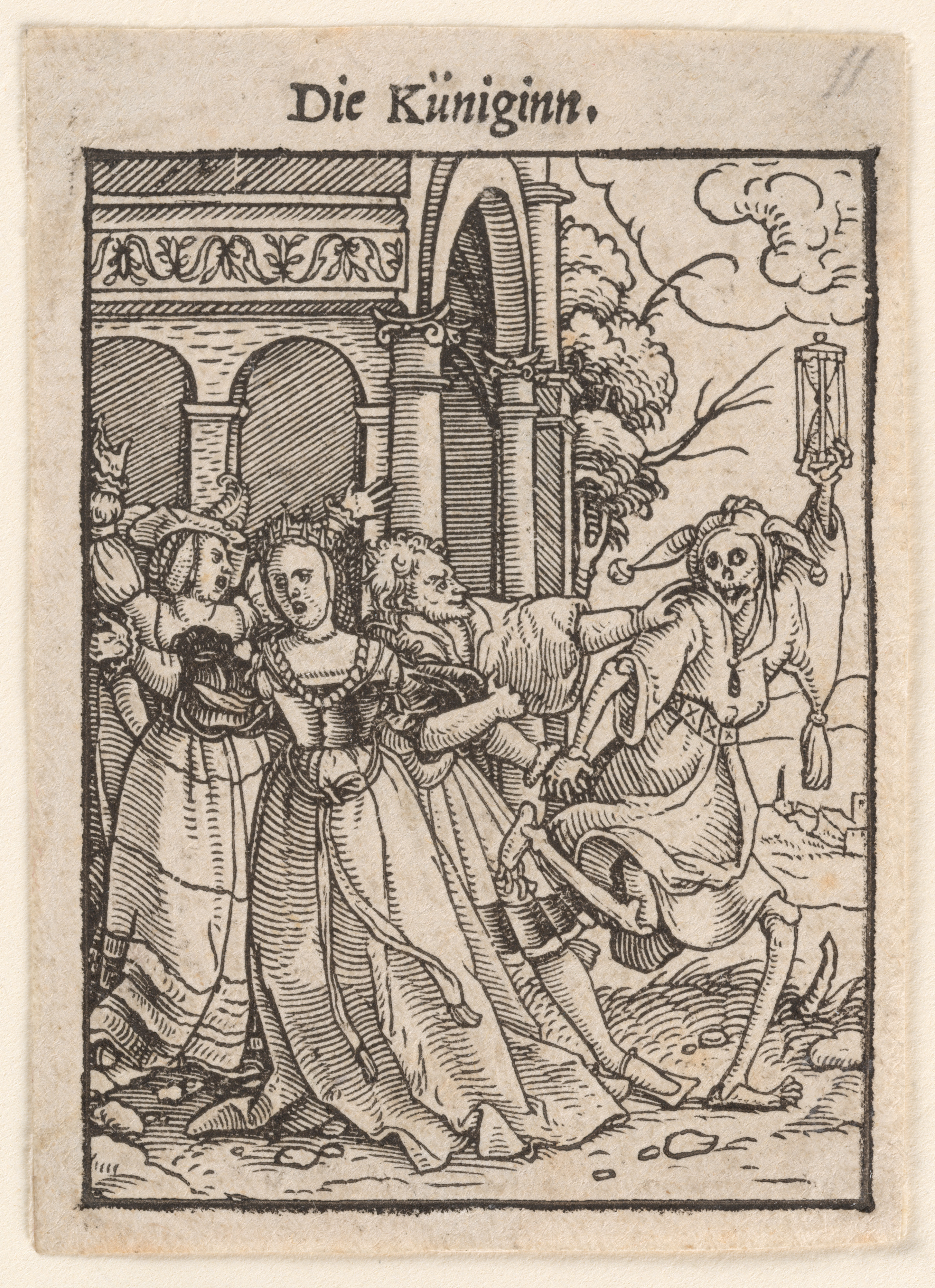
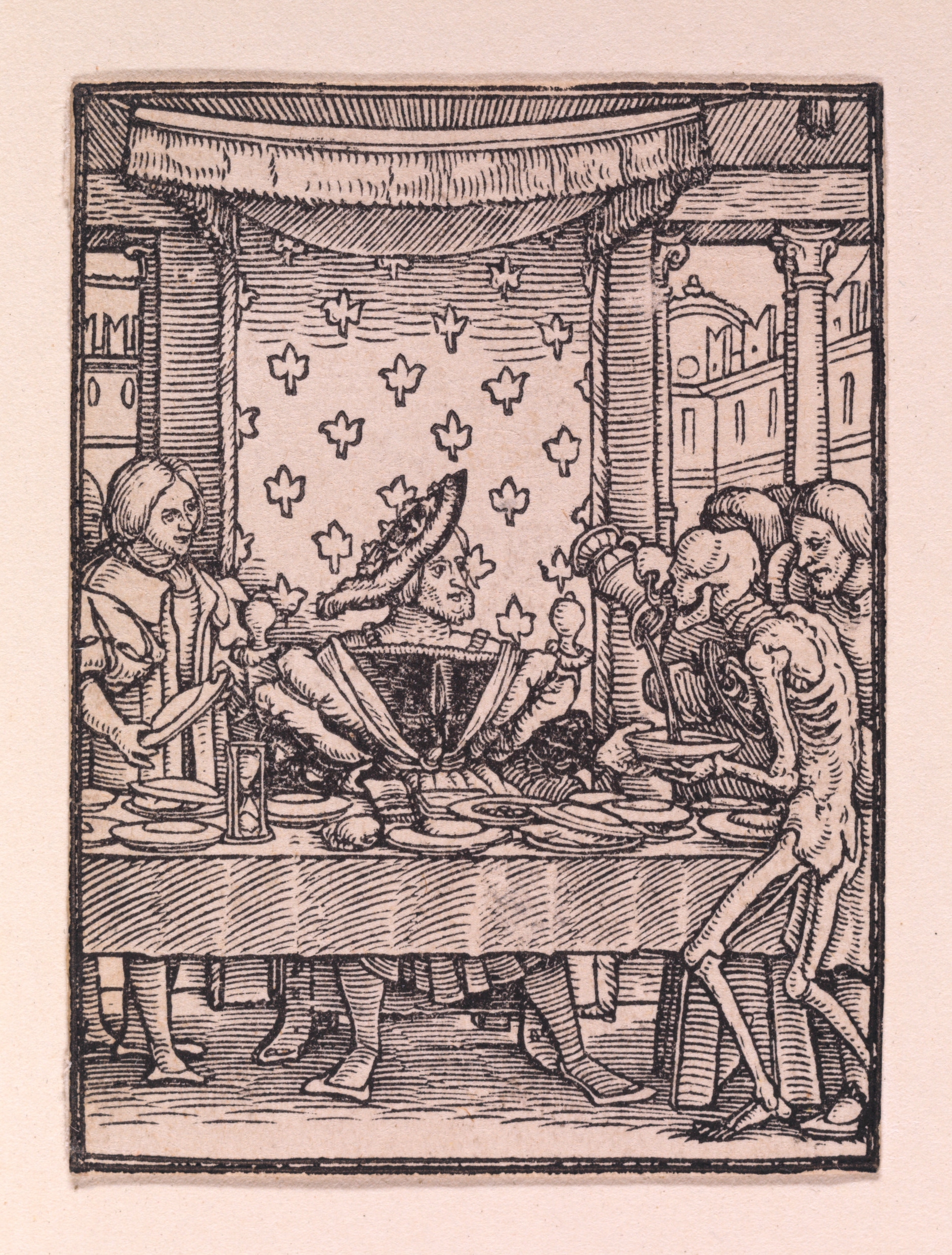
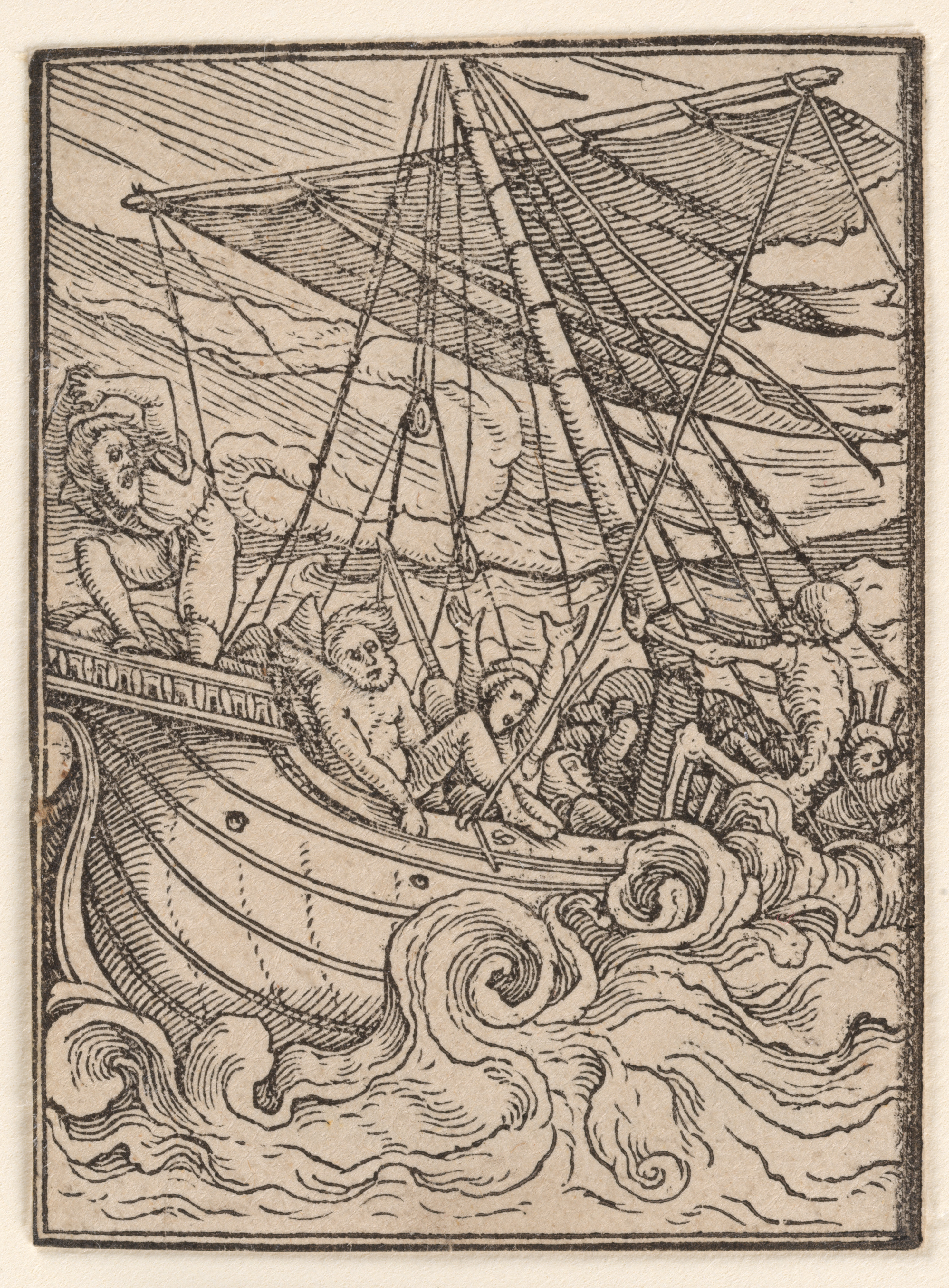
Hans Holbein the Younger created works such as "The Abbot, from 'The Dance of Death'" and "The Doctor (or Physician), from 'The Dance of Death'," both woodcuts from 1521. He also made prints like "Print of Designs for a Pommel, Quillons, and Locket" and "Print of Designs for Hilt and Sheath Fittings." These prints are ink on paper. The woodcuts are small, with sheet dimensions around 2 1/2 by 1 15/16 inches. The prints of designs are larger, with dimensions around 6 1/8 by 4 1/2 inches and 5 7/8 by 3 3/4 inches, respectively. All these works are part of The Metropolitan Museum of Art's collection.
Biography
Hans Holbein the Younger was born in Augsburg on January 1, 1497. He was a painter, printmaker, and illustrator, working in the German Renaissance and Northern Renaissance movements. His father, Hans Holbein the Elder, was also an influence on his work. Holbein the Younger created portraits and religious art. He was a citizen of the Holy Roman Empire, Switzerland, and France. He spoke German. He worked in several locations, including Bologna, Florence, Rome, Venice, Basel, Lucerne, and London. Among his notable works are "The Ambassadors" from 1533, "Madonna enthroned with child and two figures" from 1522, "Darmstadt Madonna" from 1526, and "The Body of the Dead Christ in the Tomb" from 1520. He also created "The Abbot, from 'The Dance of Death'" and "The Doctor (or Physician), from 'The Dance of Death'" in 1521. He died in London on November 29, 1543, from the plague.
Works