26 February 1808 – 10 February 1879
Honoré Daumier
Work
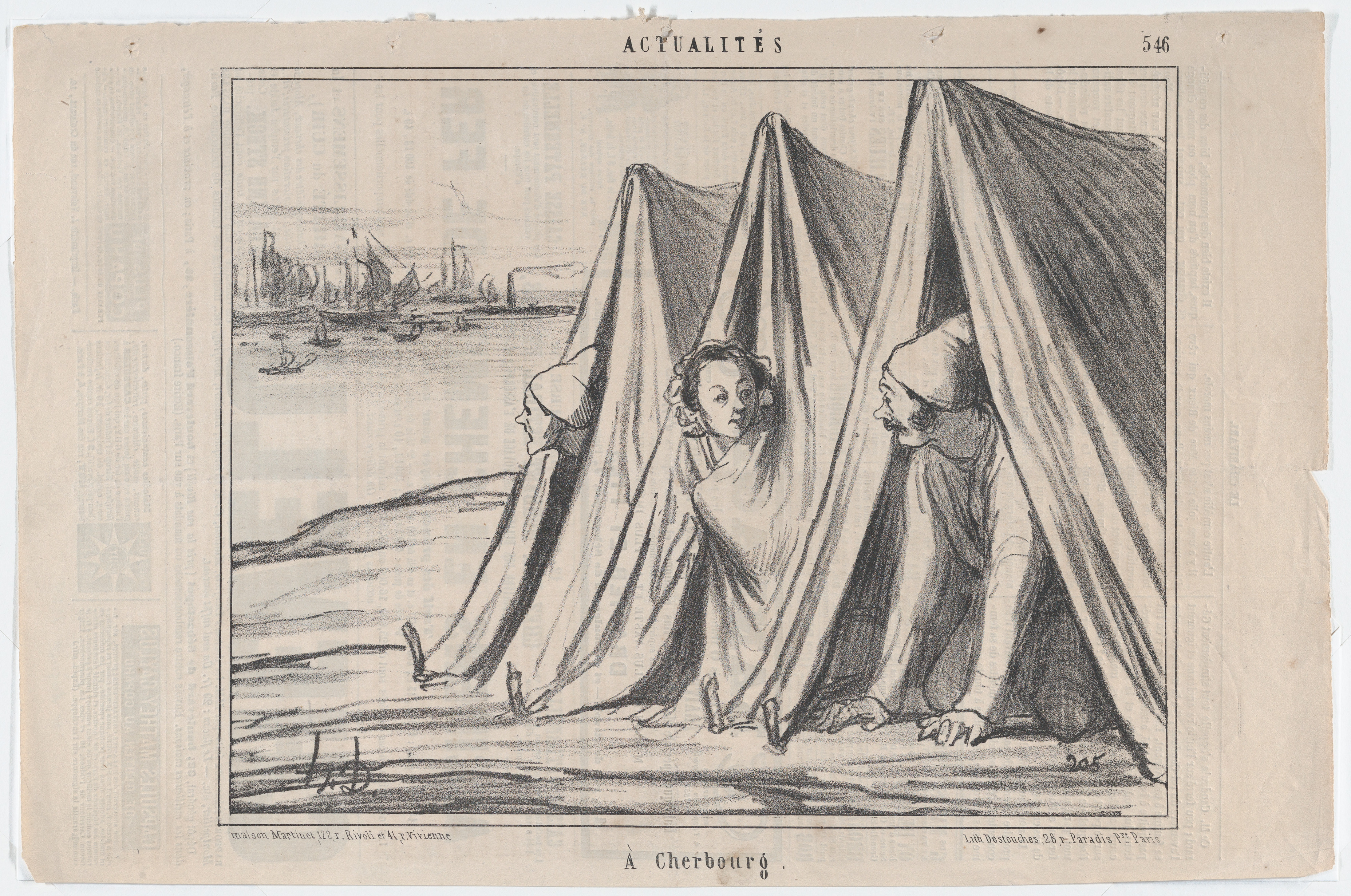
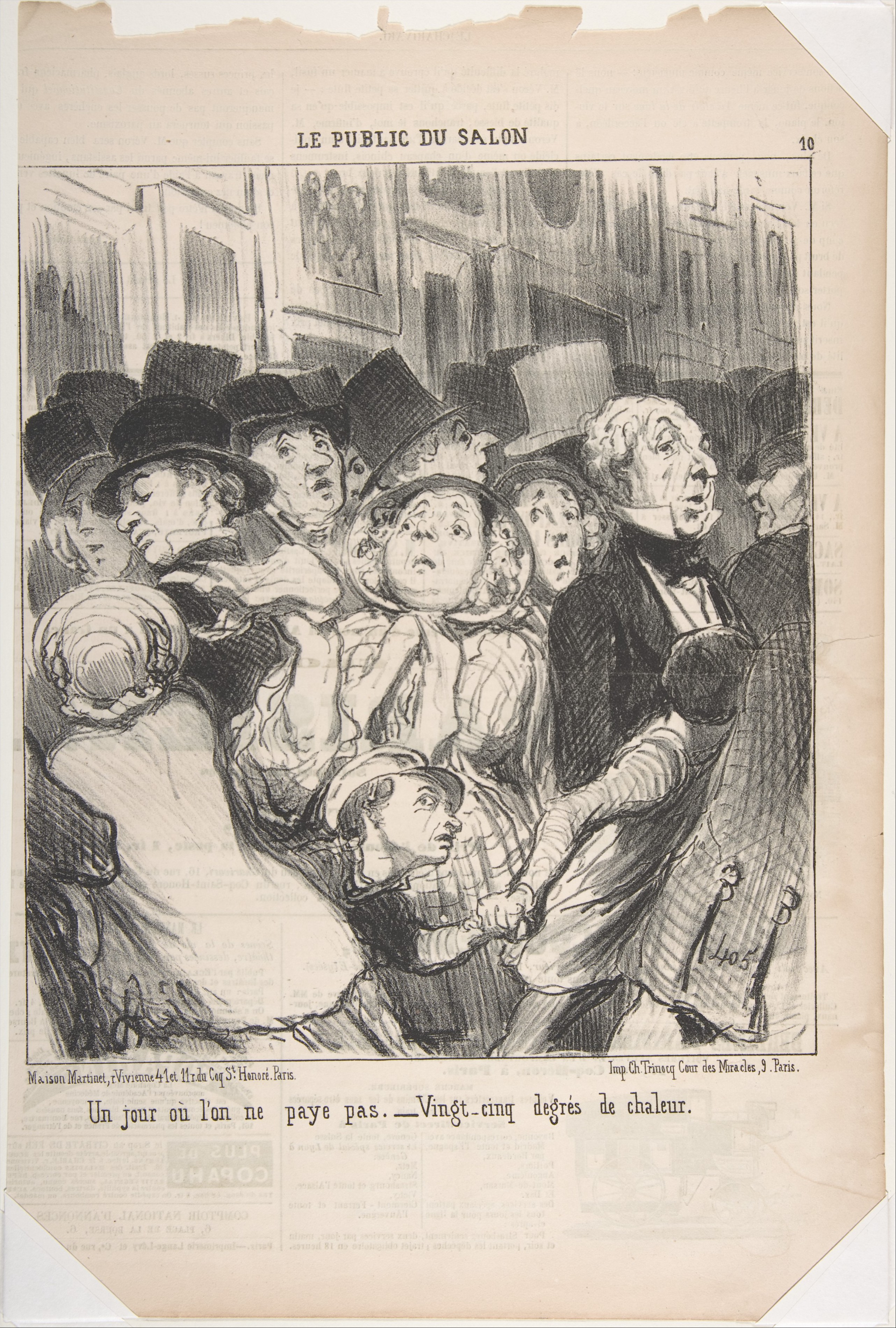
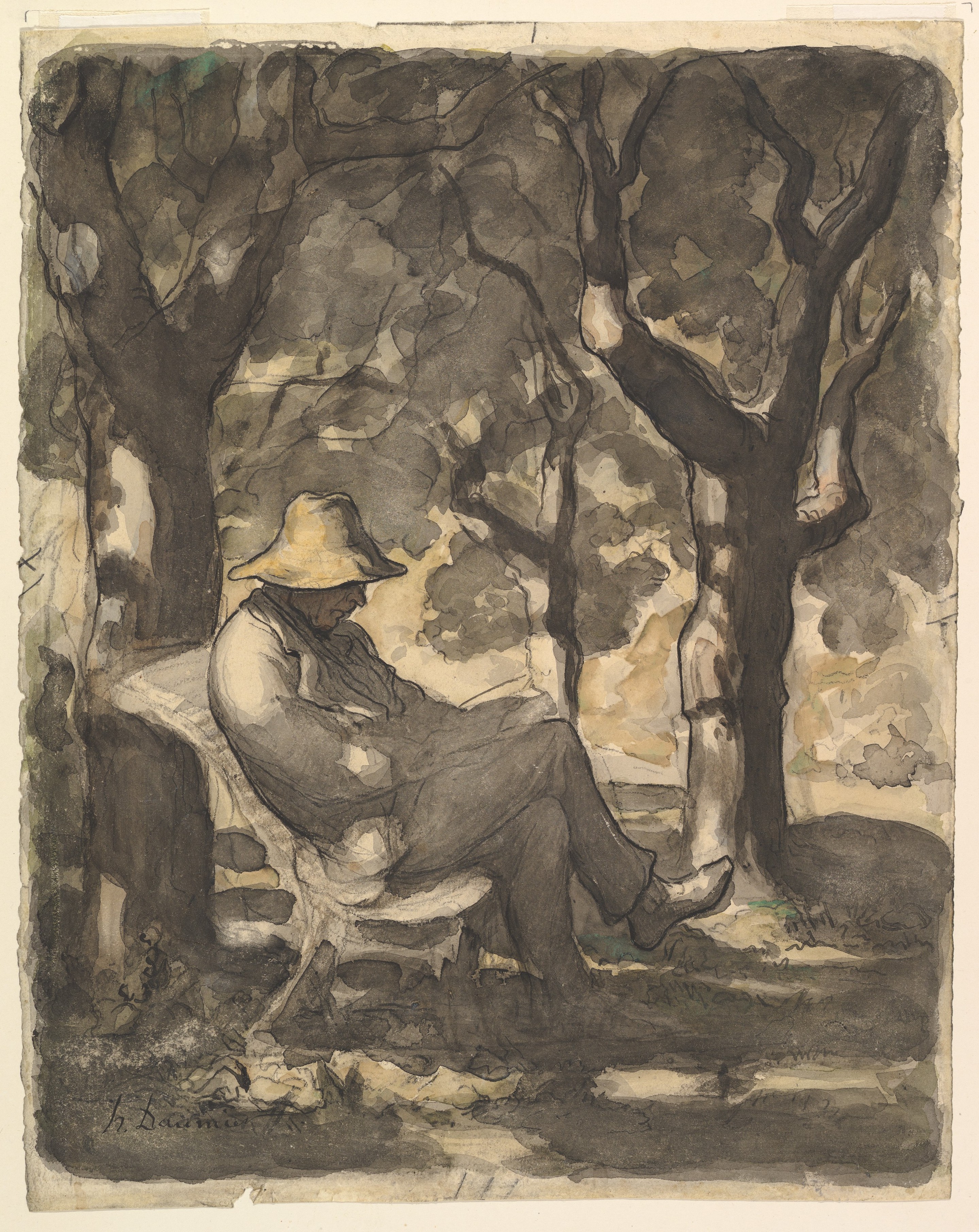
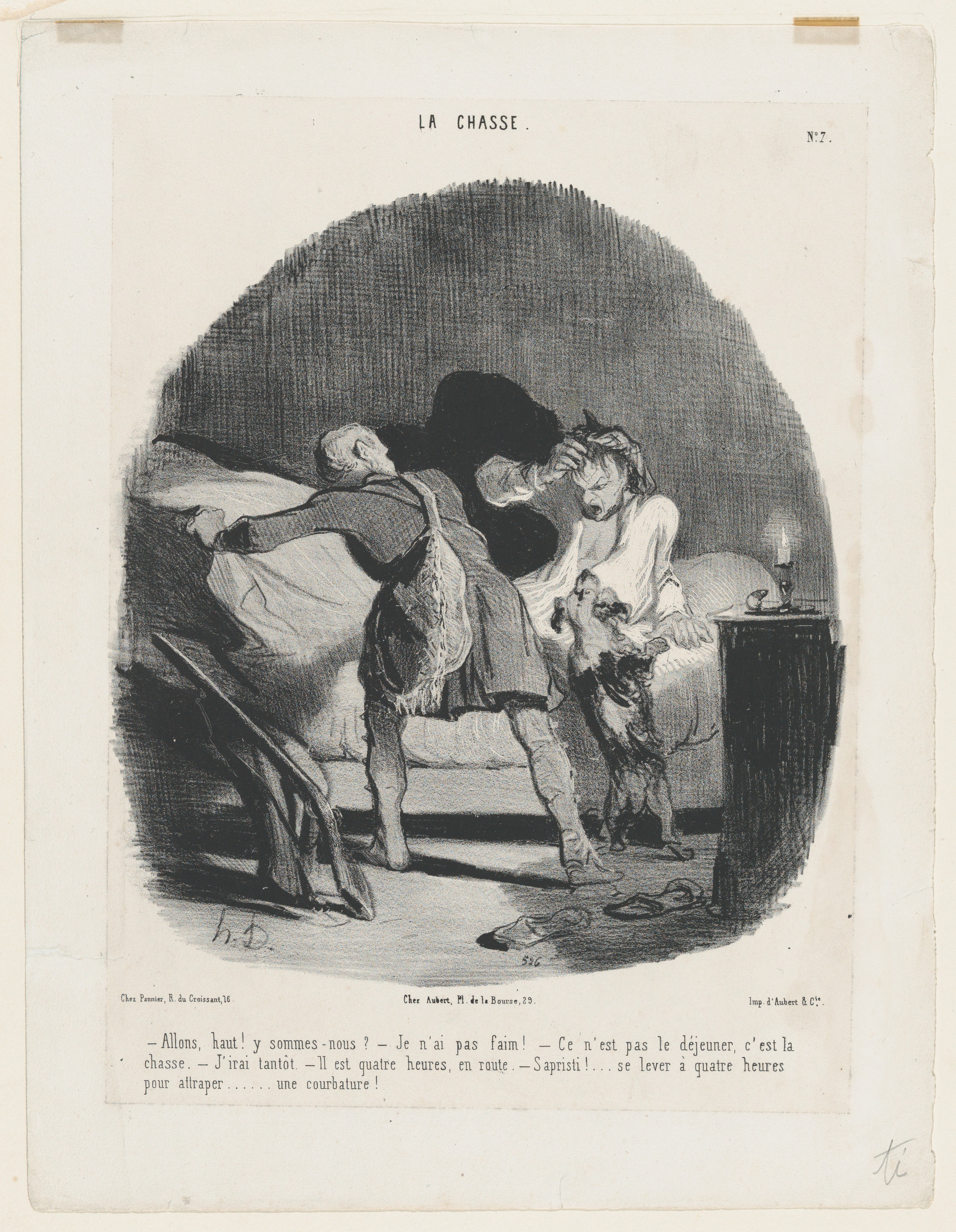
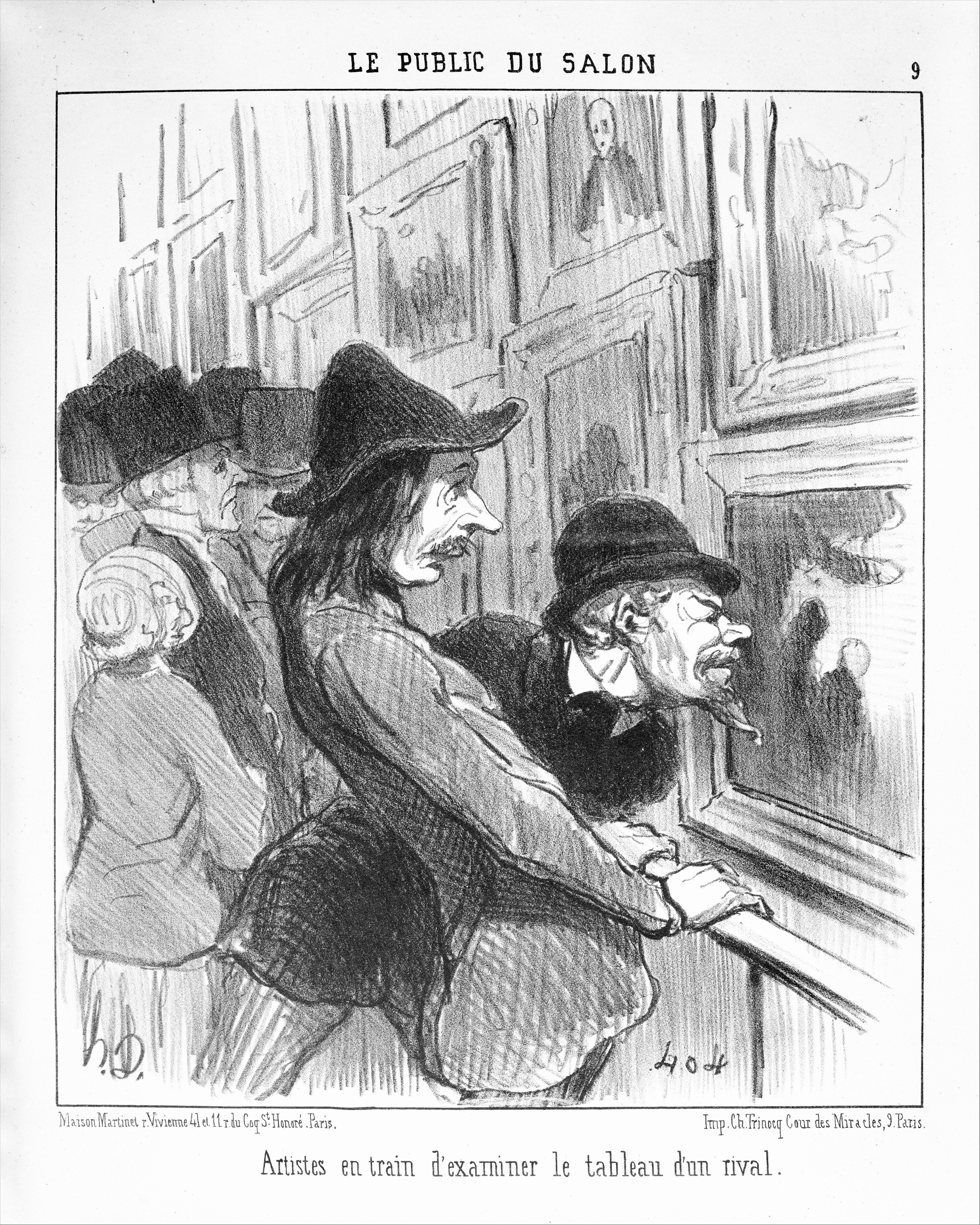
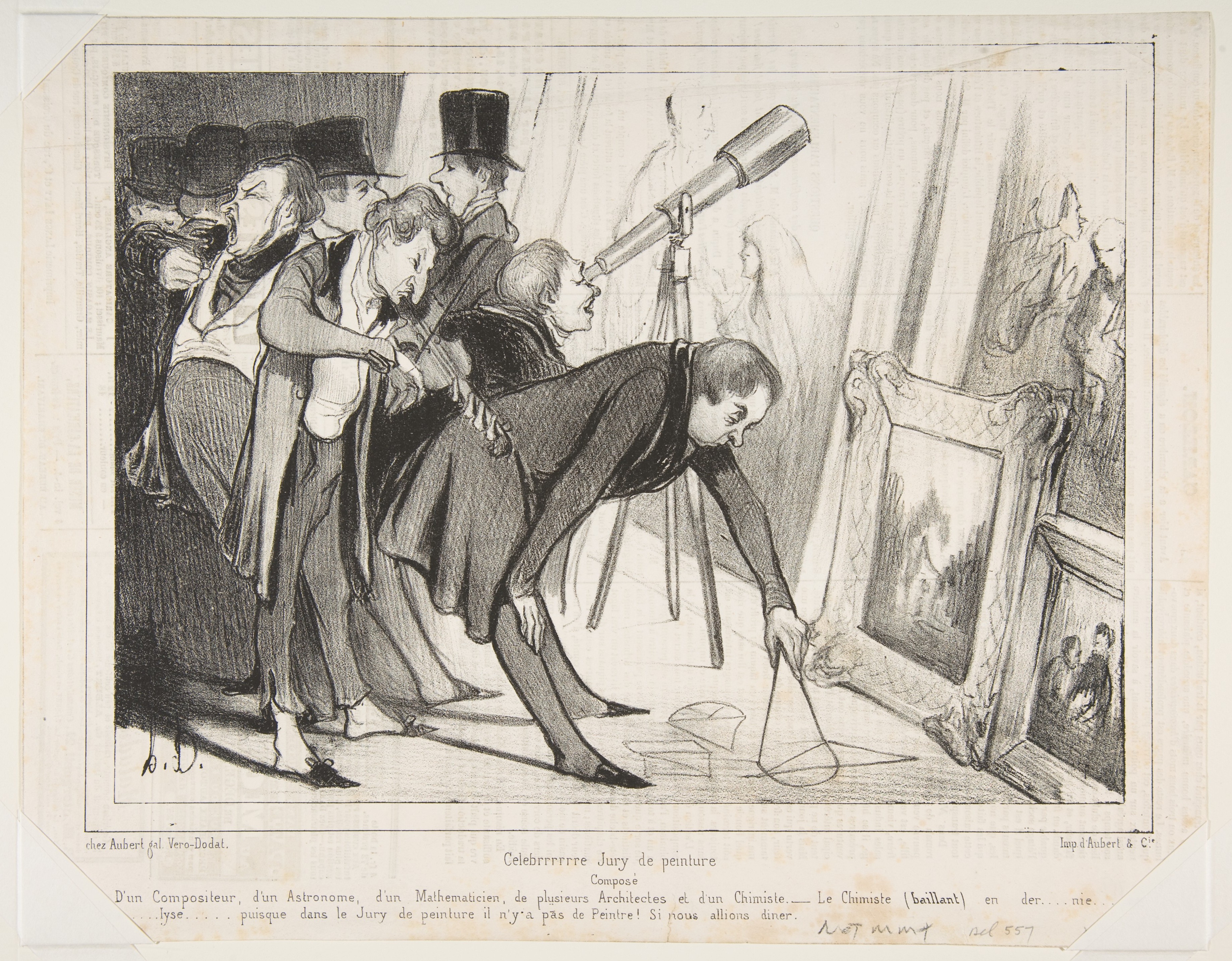
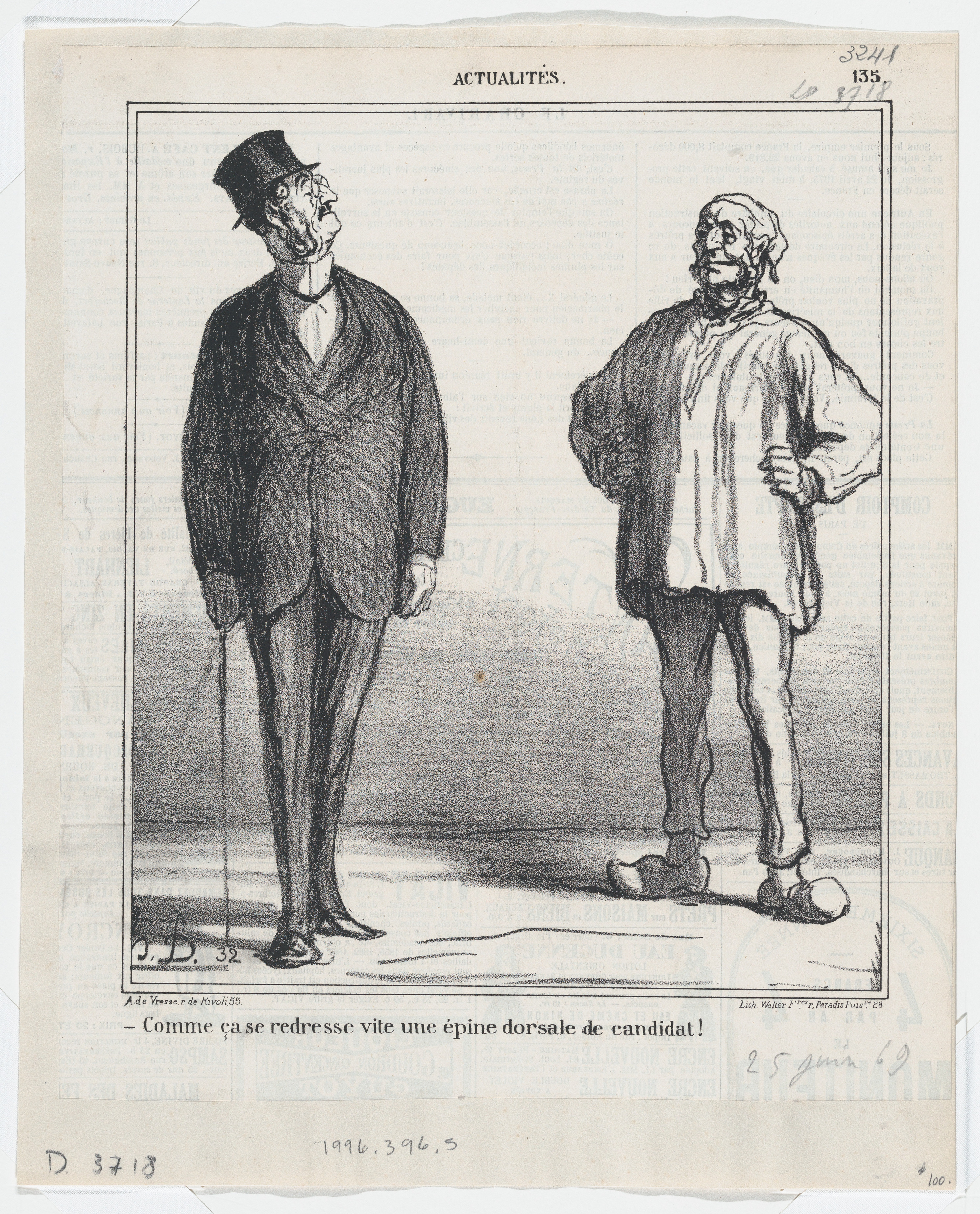
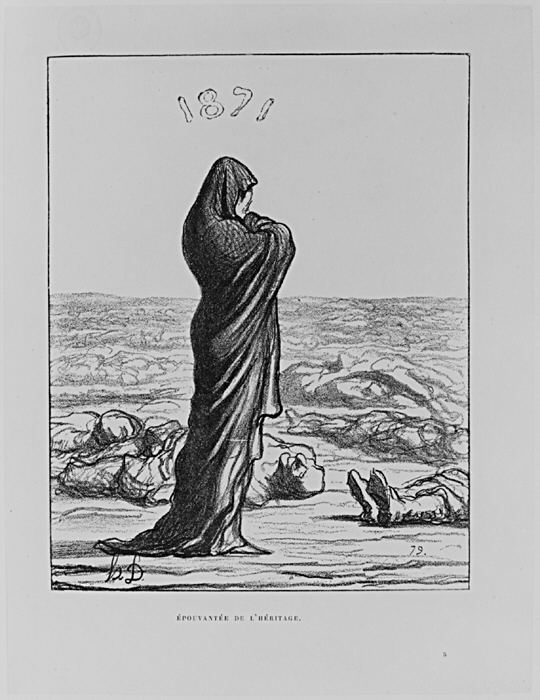
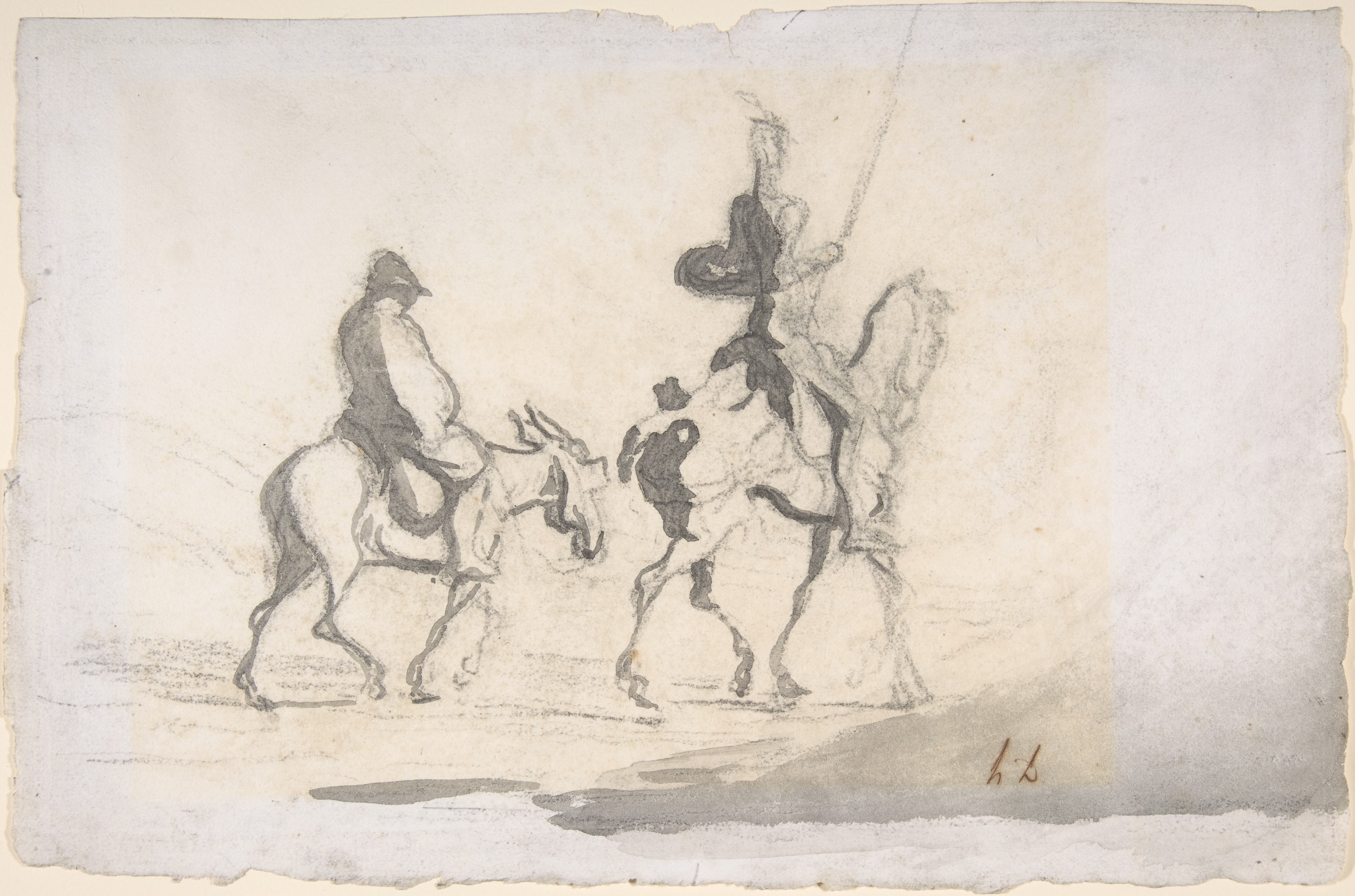
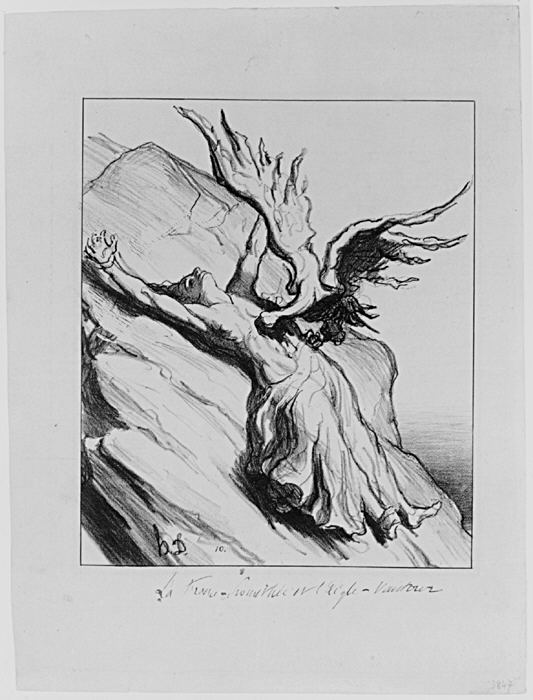
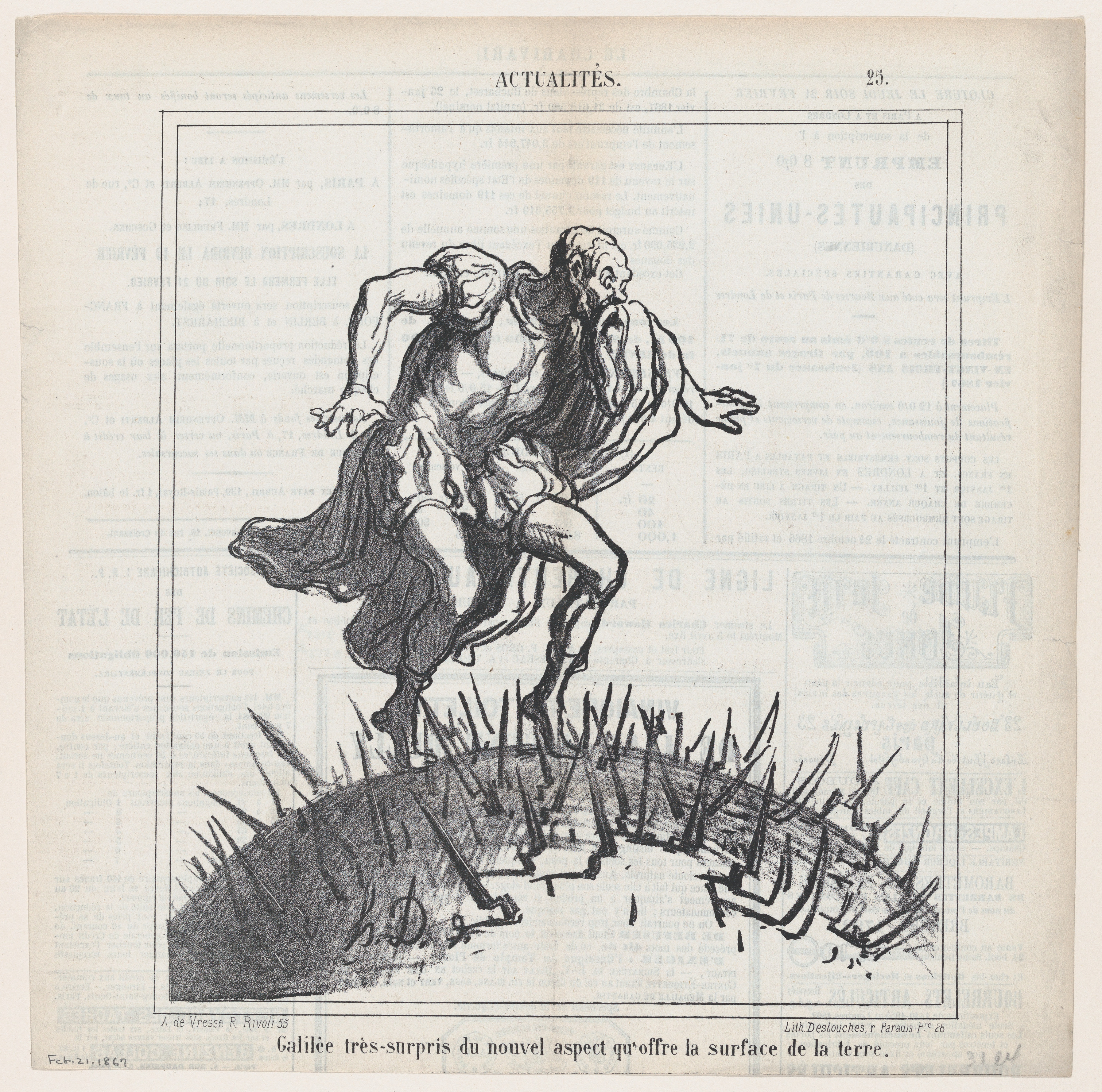
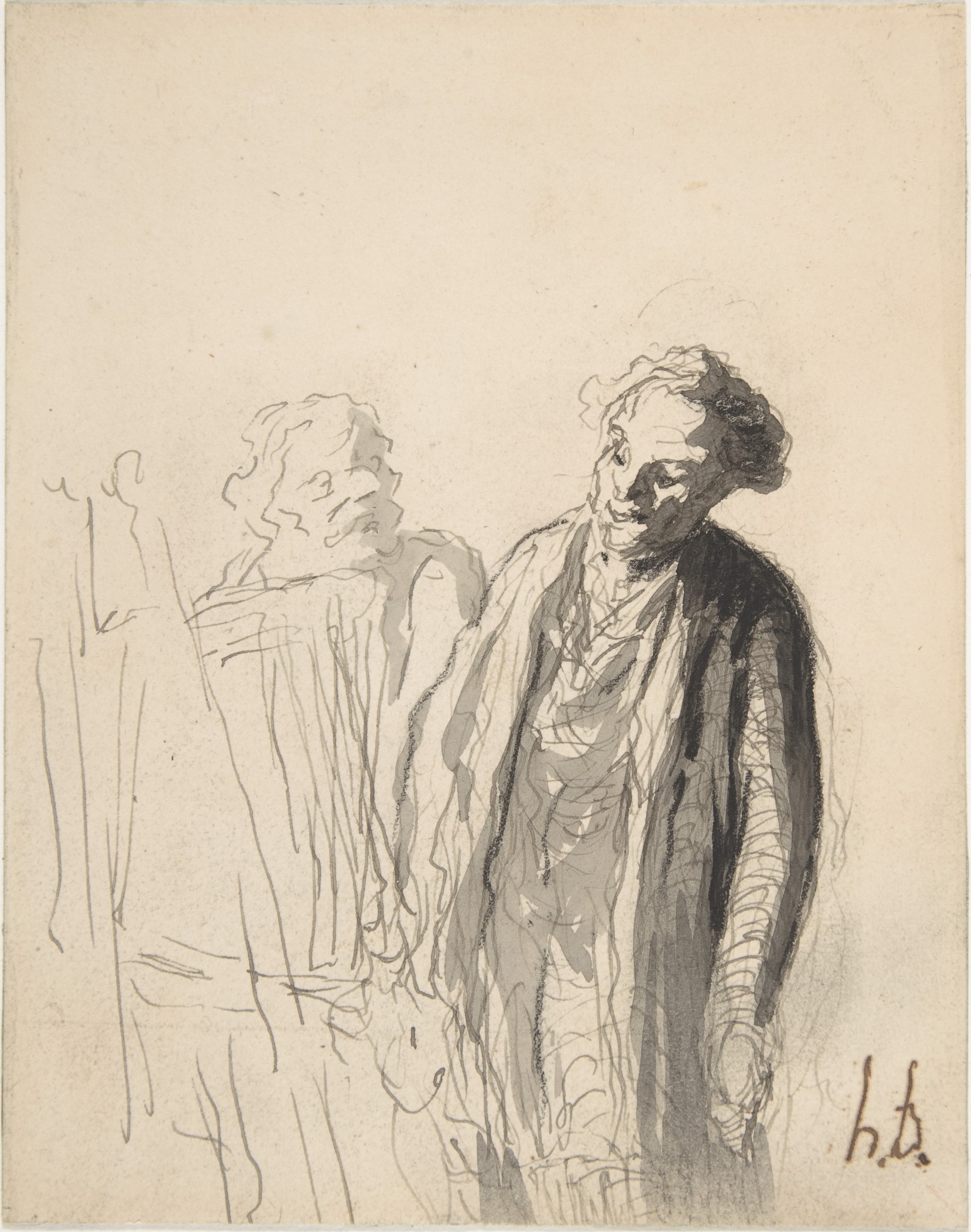
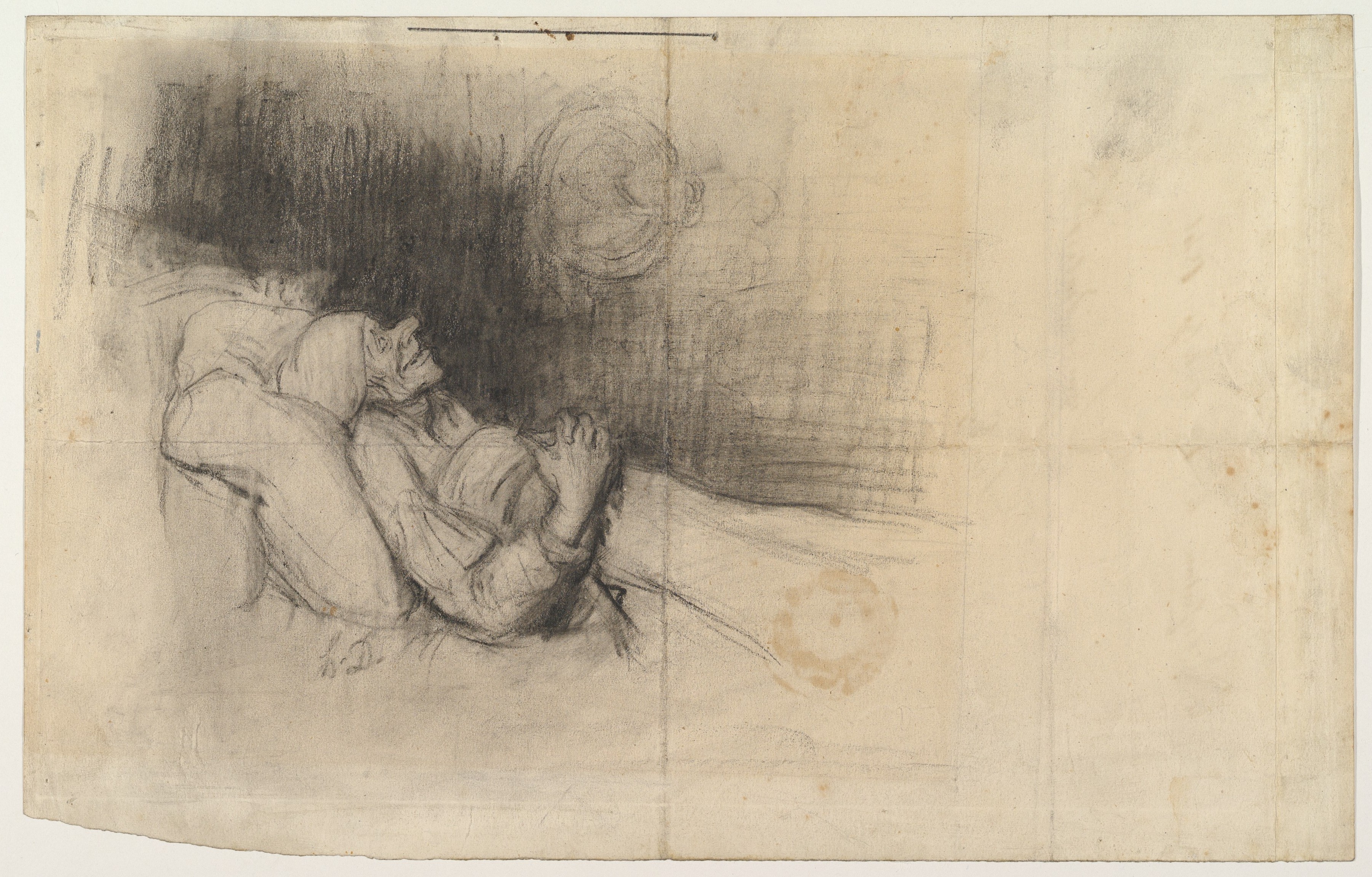
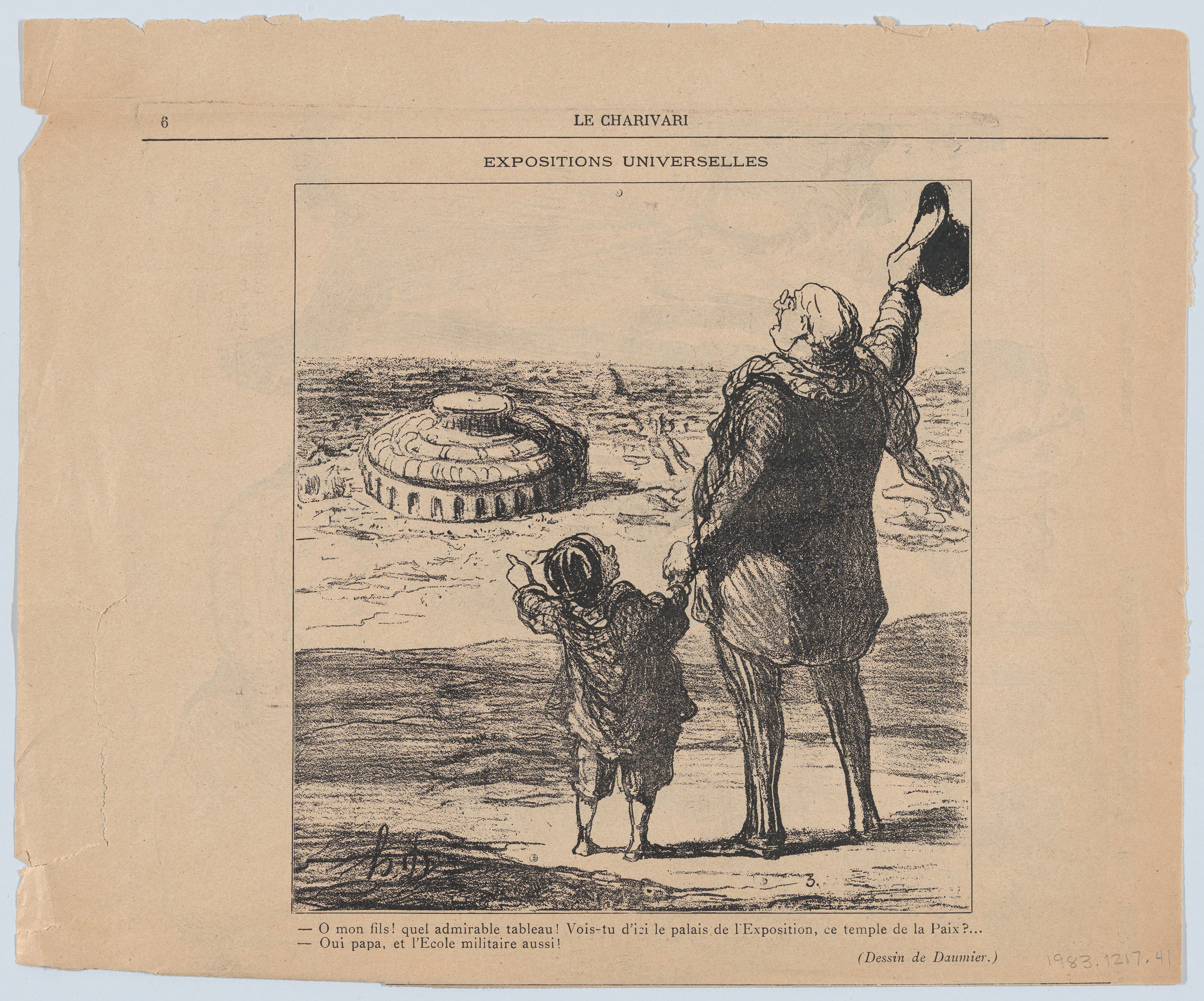
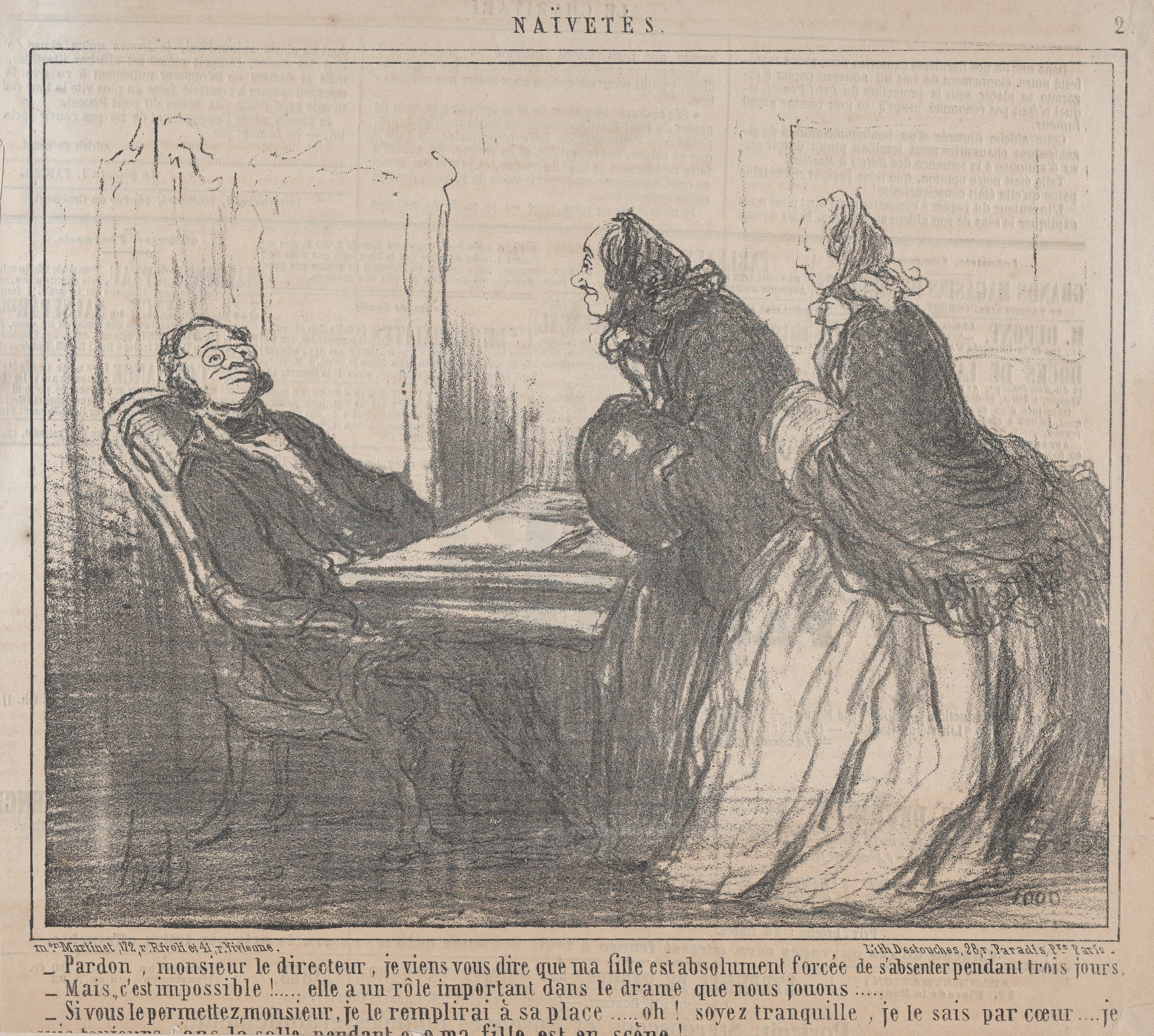
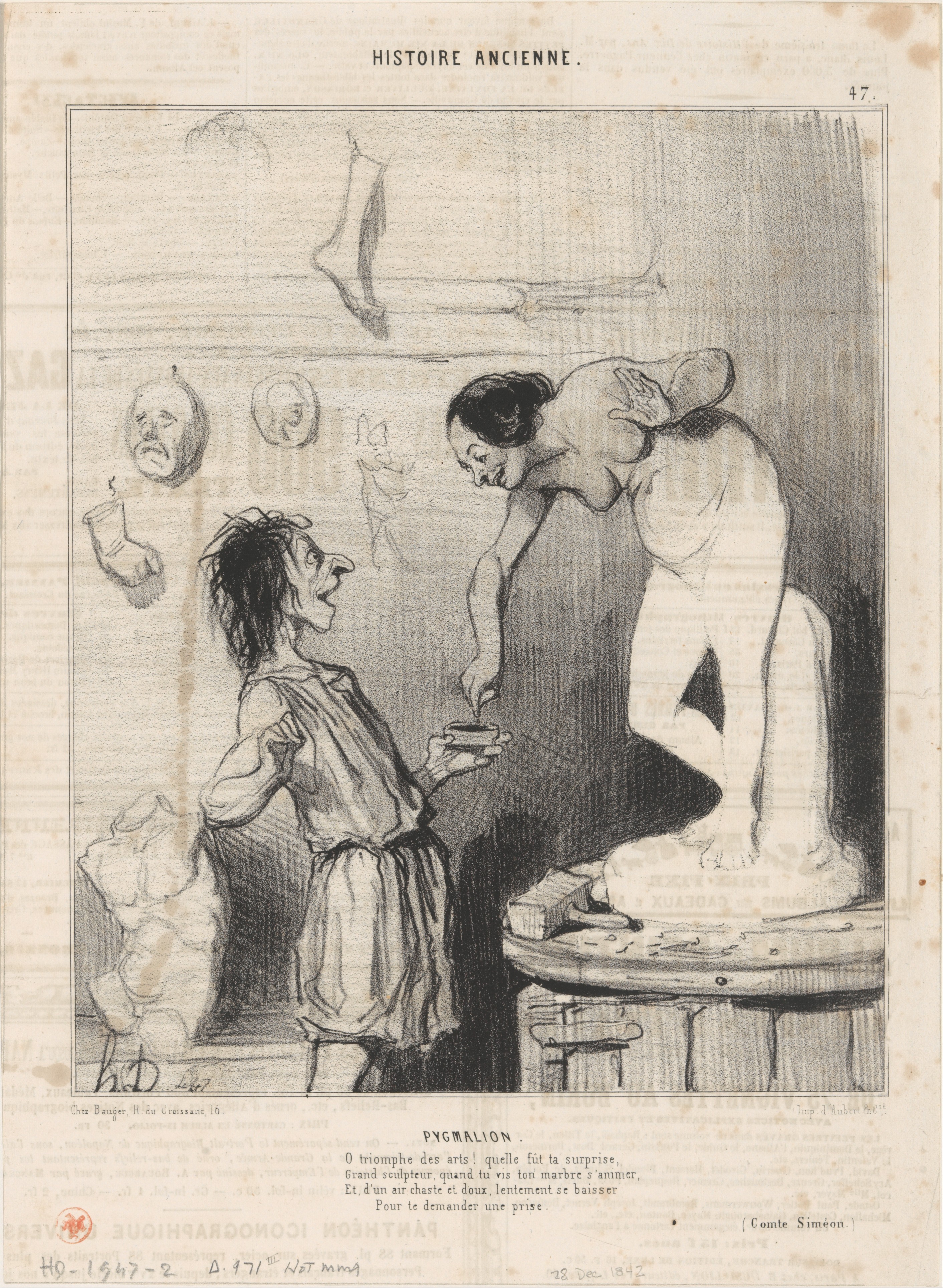
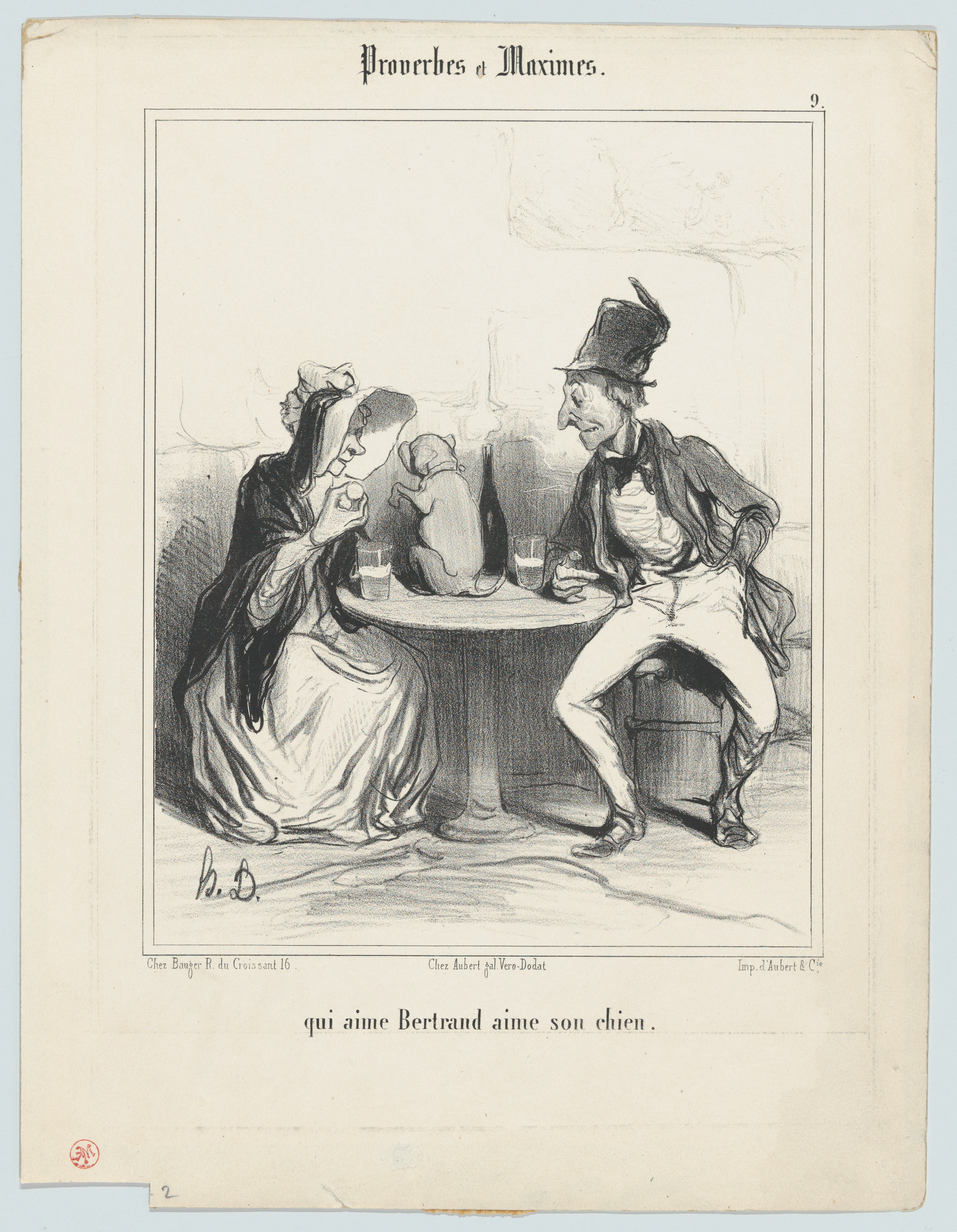
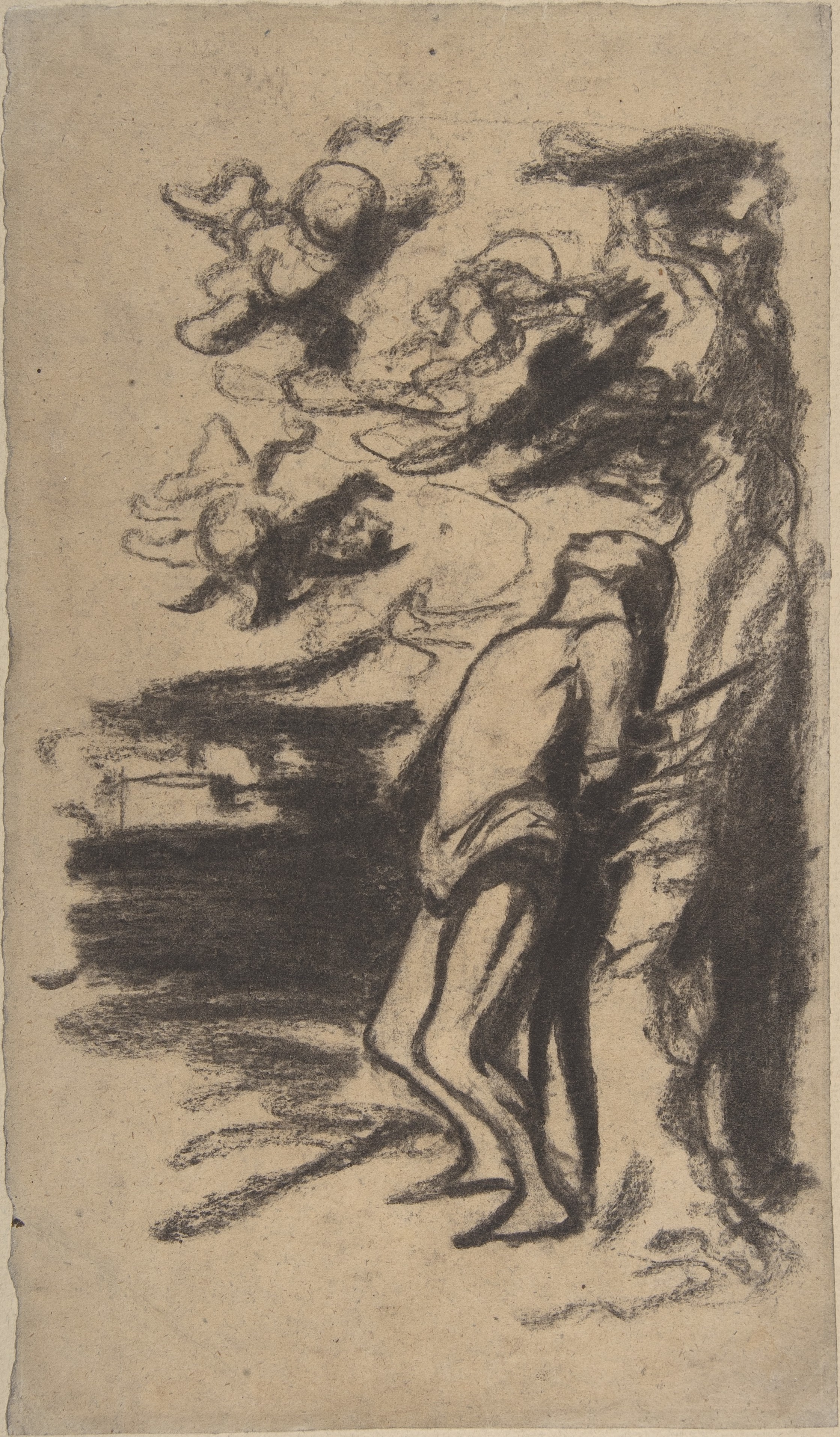
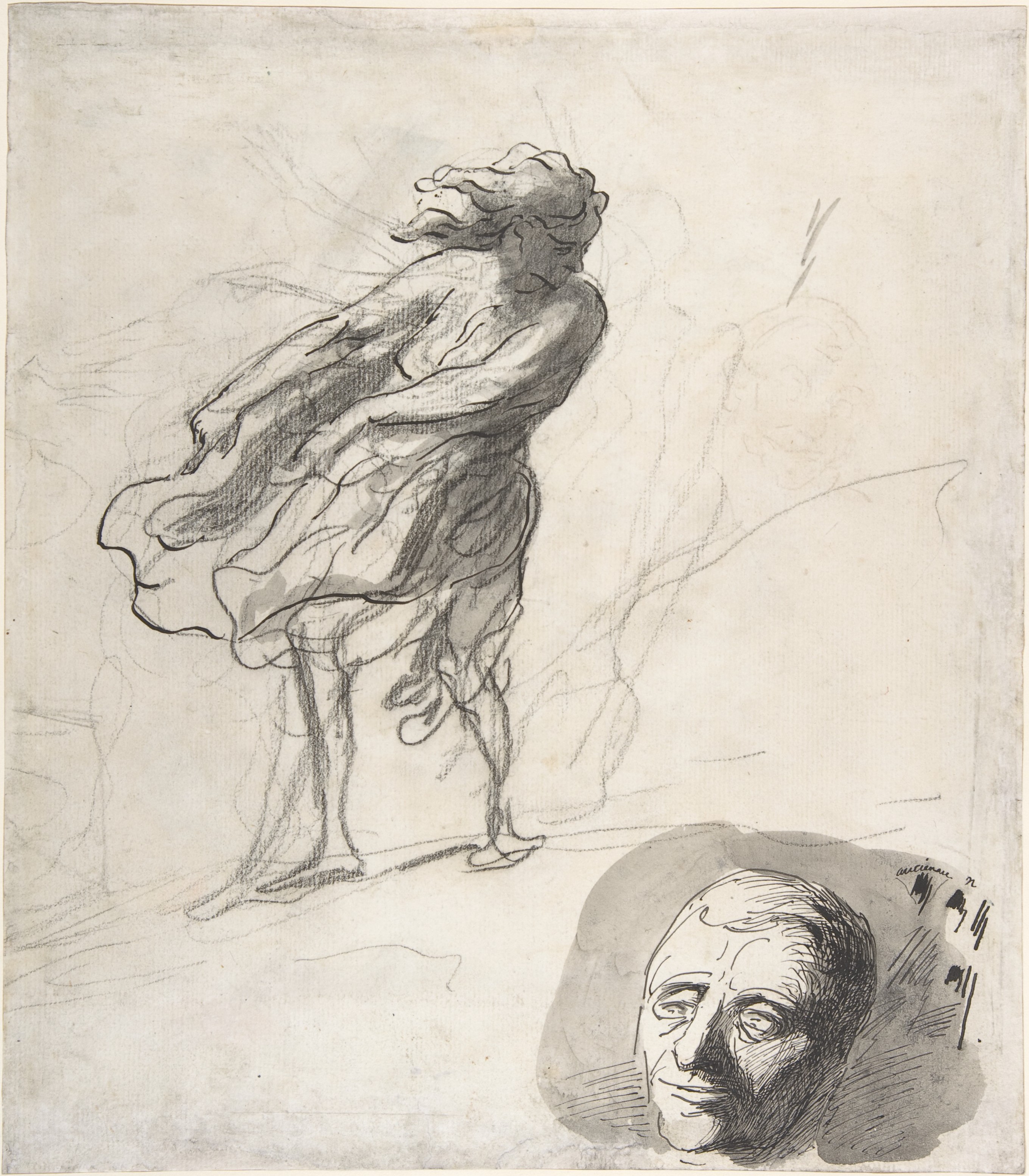
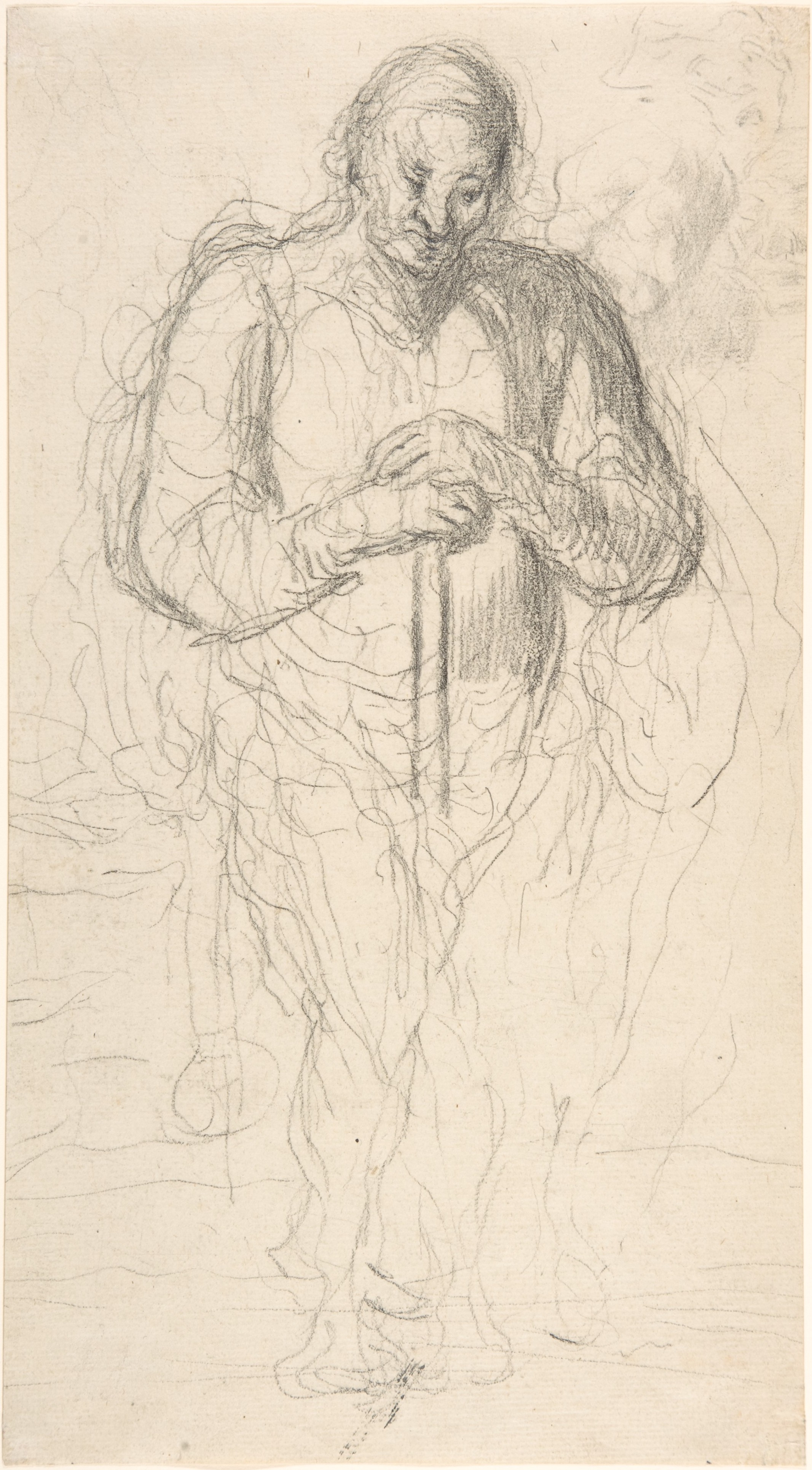
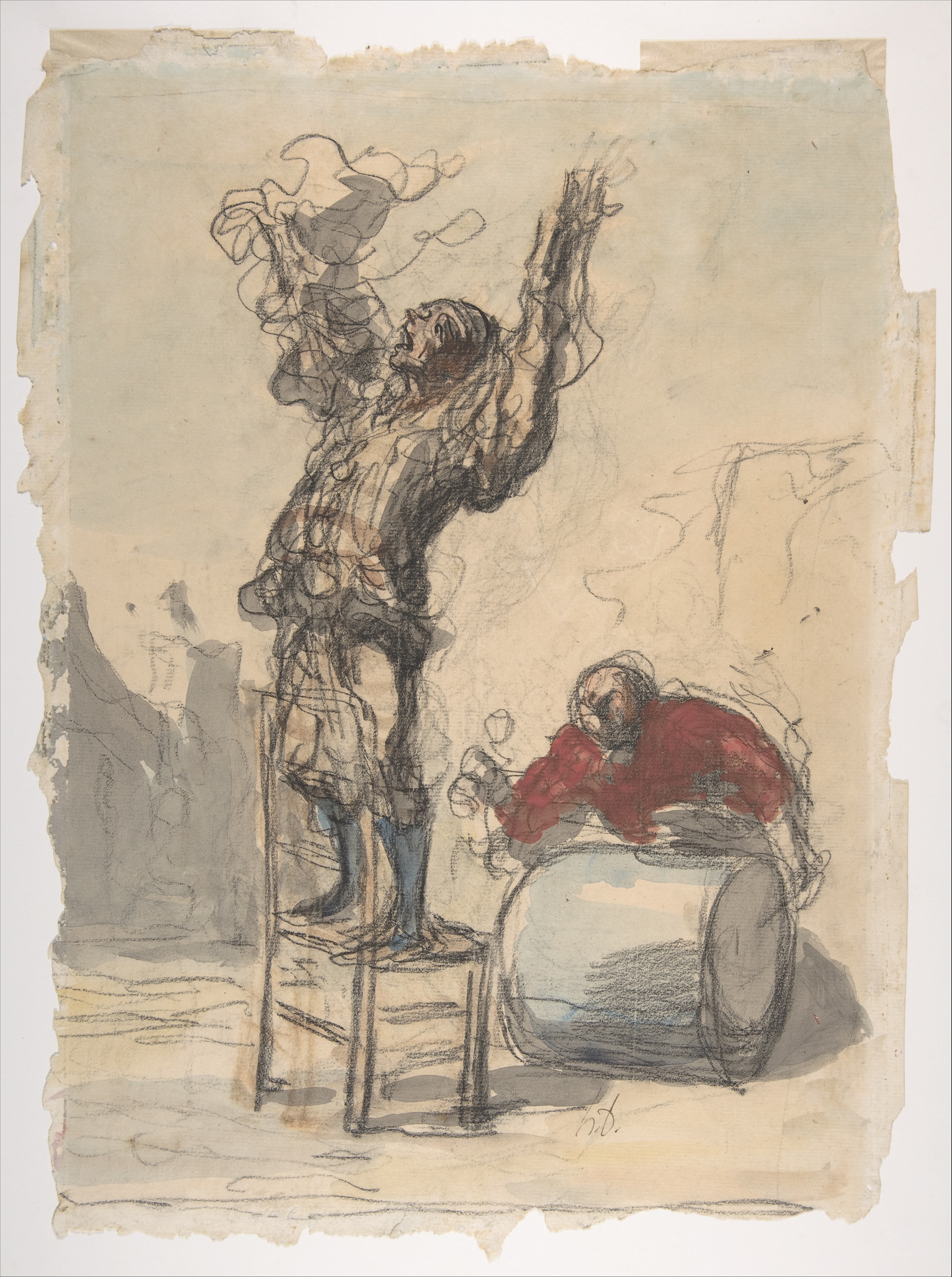
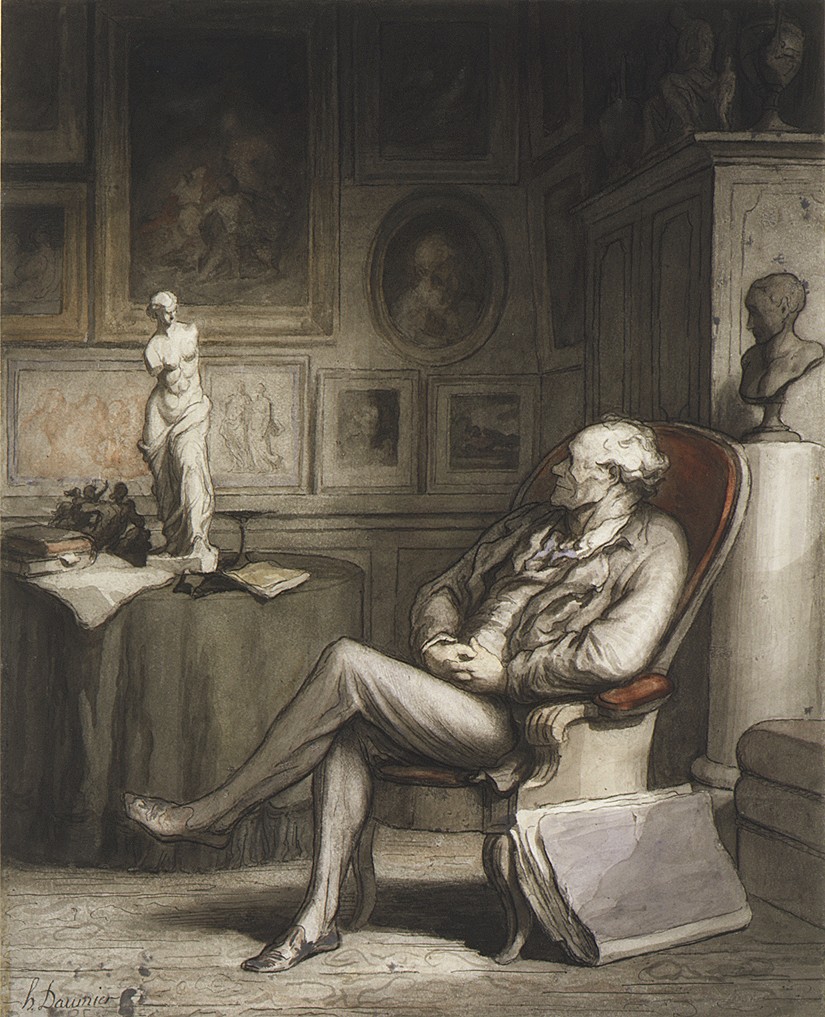
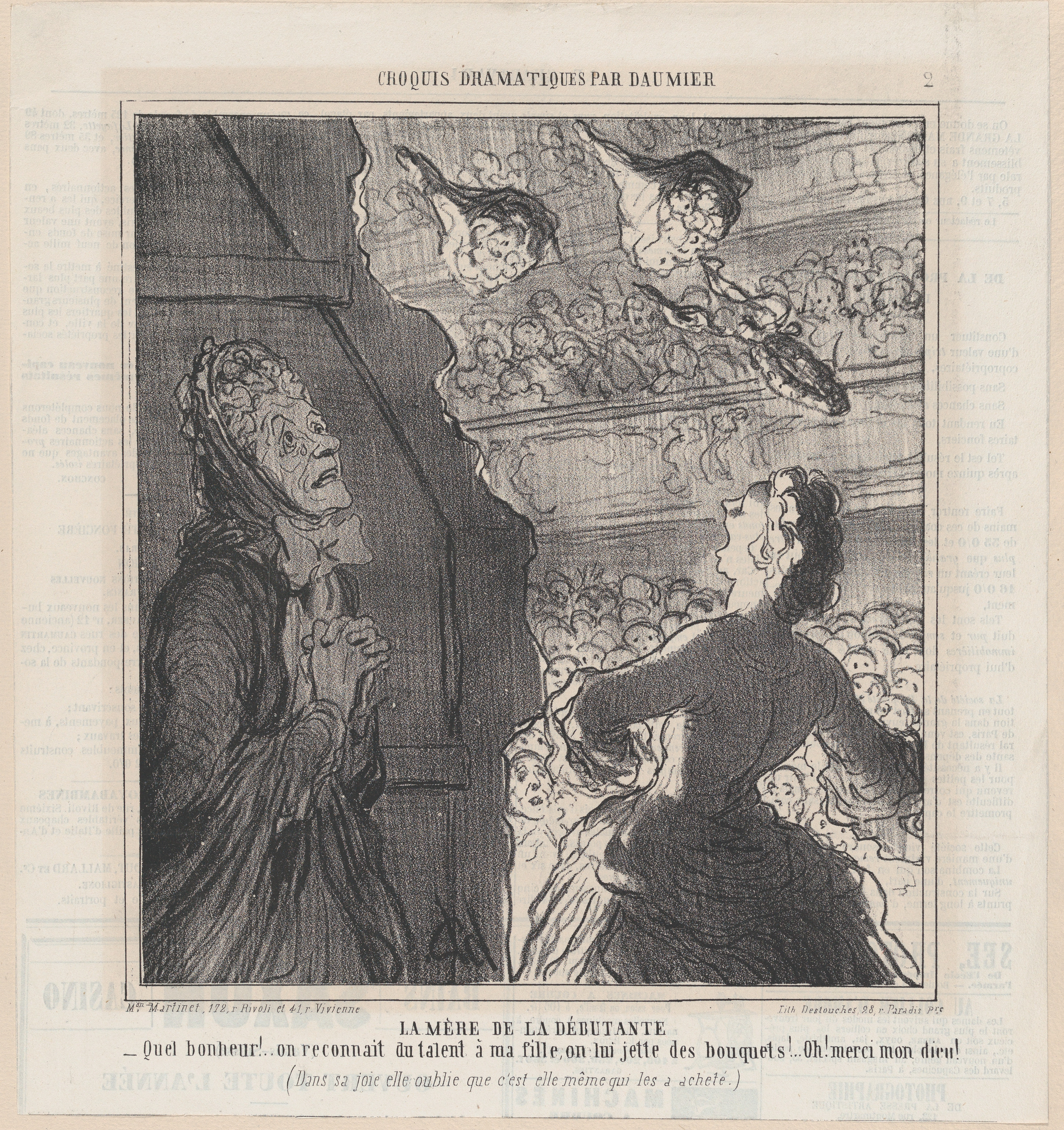
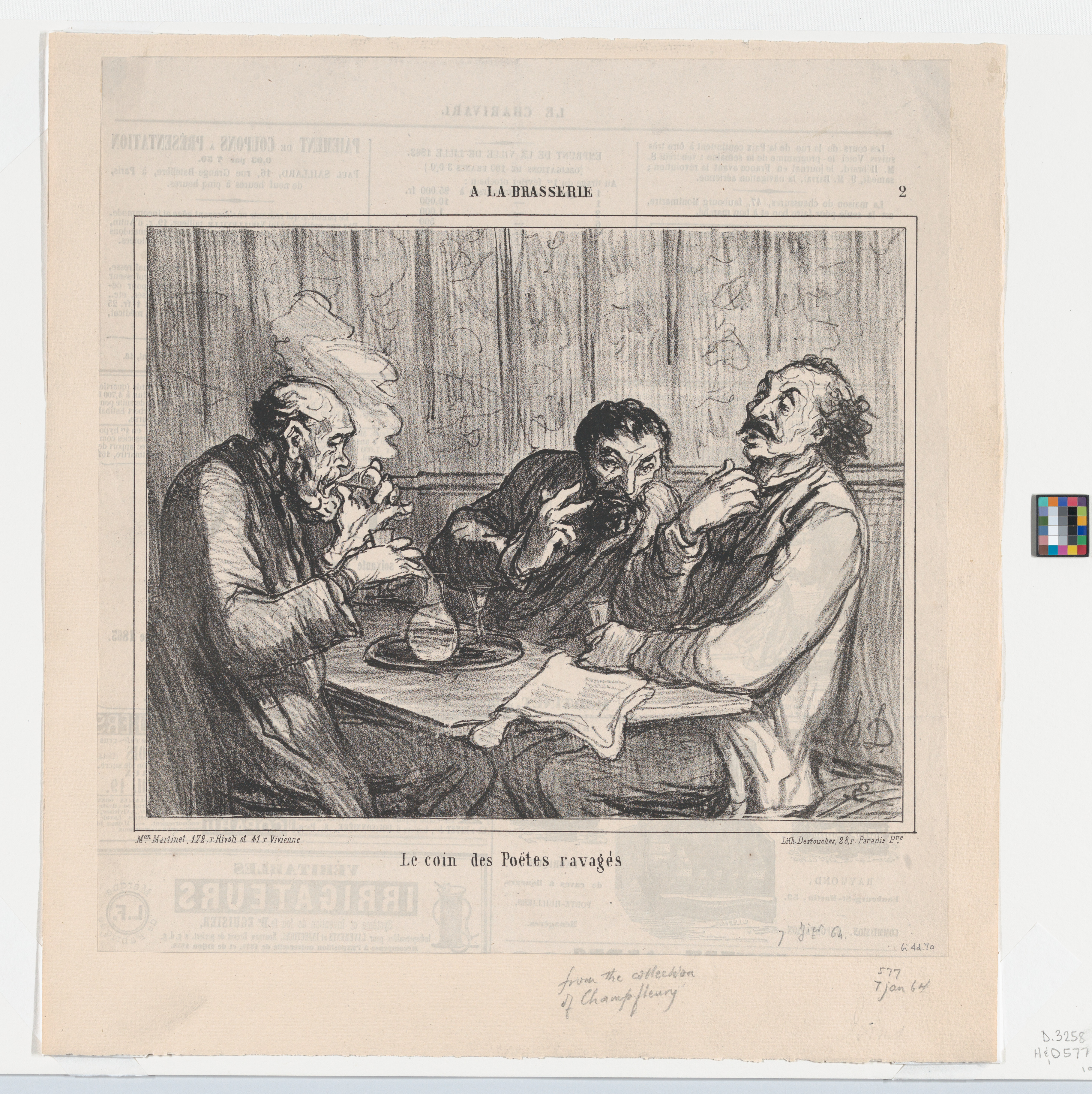
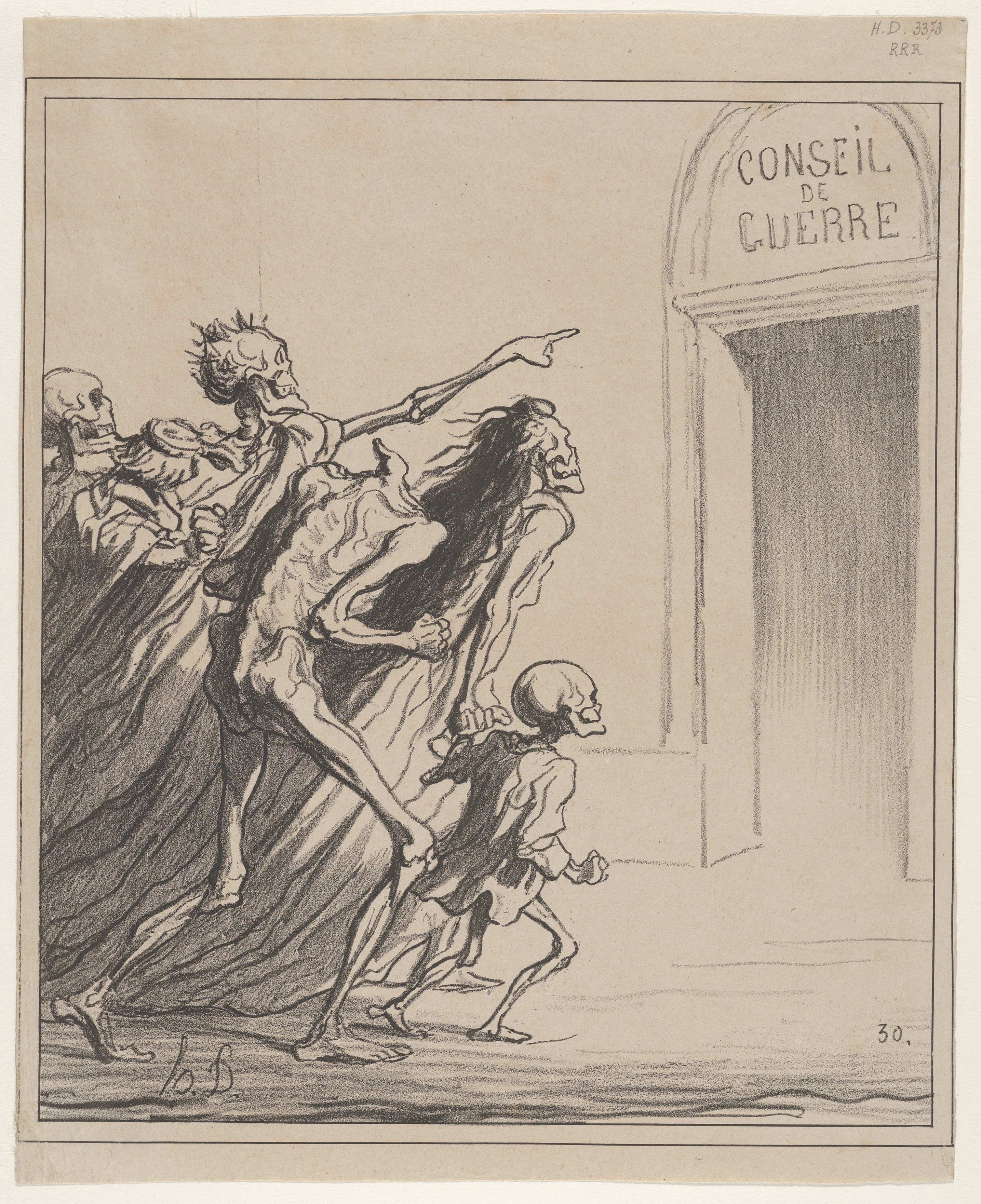
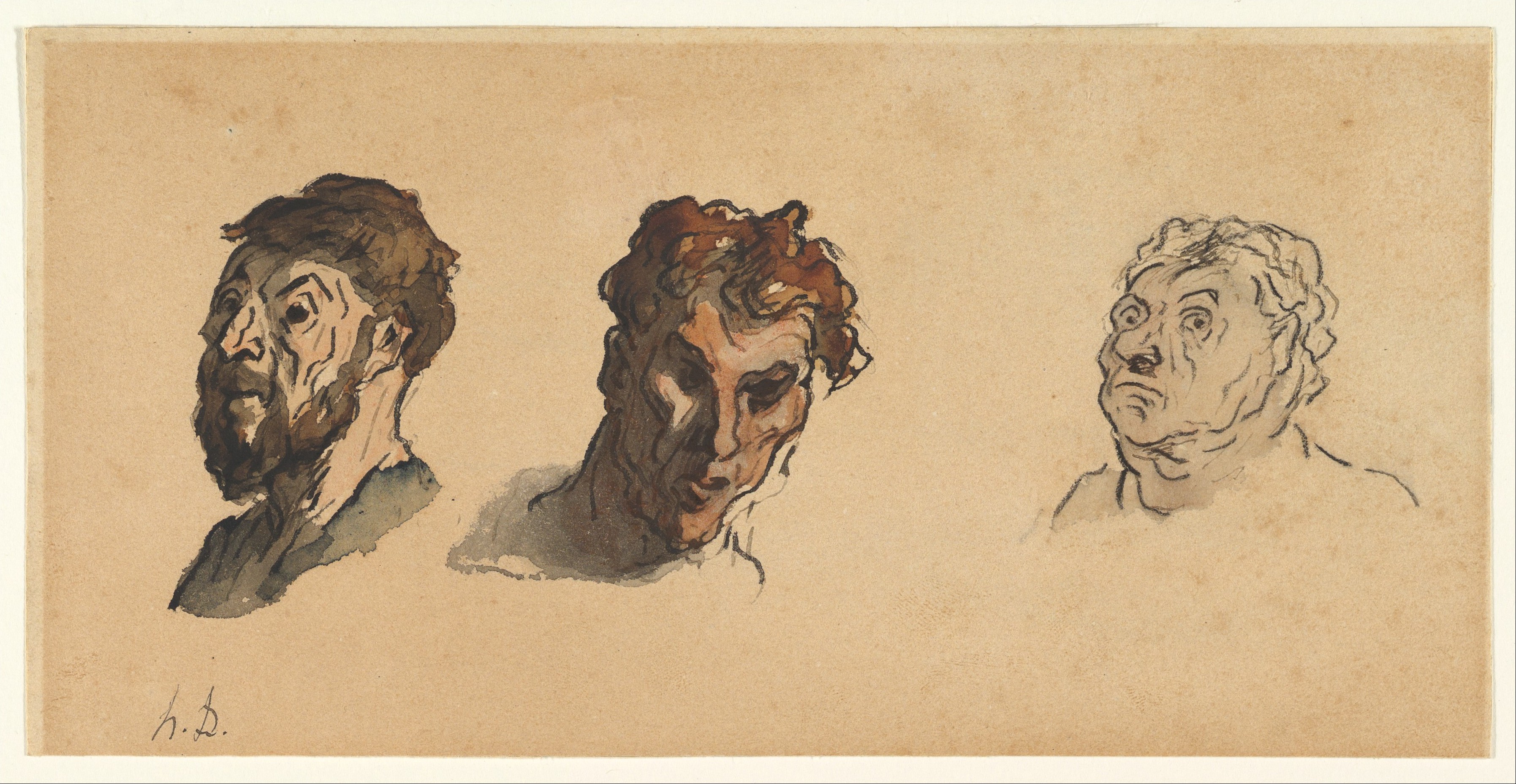
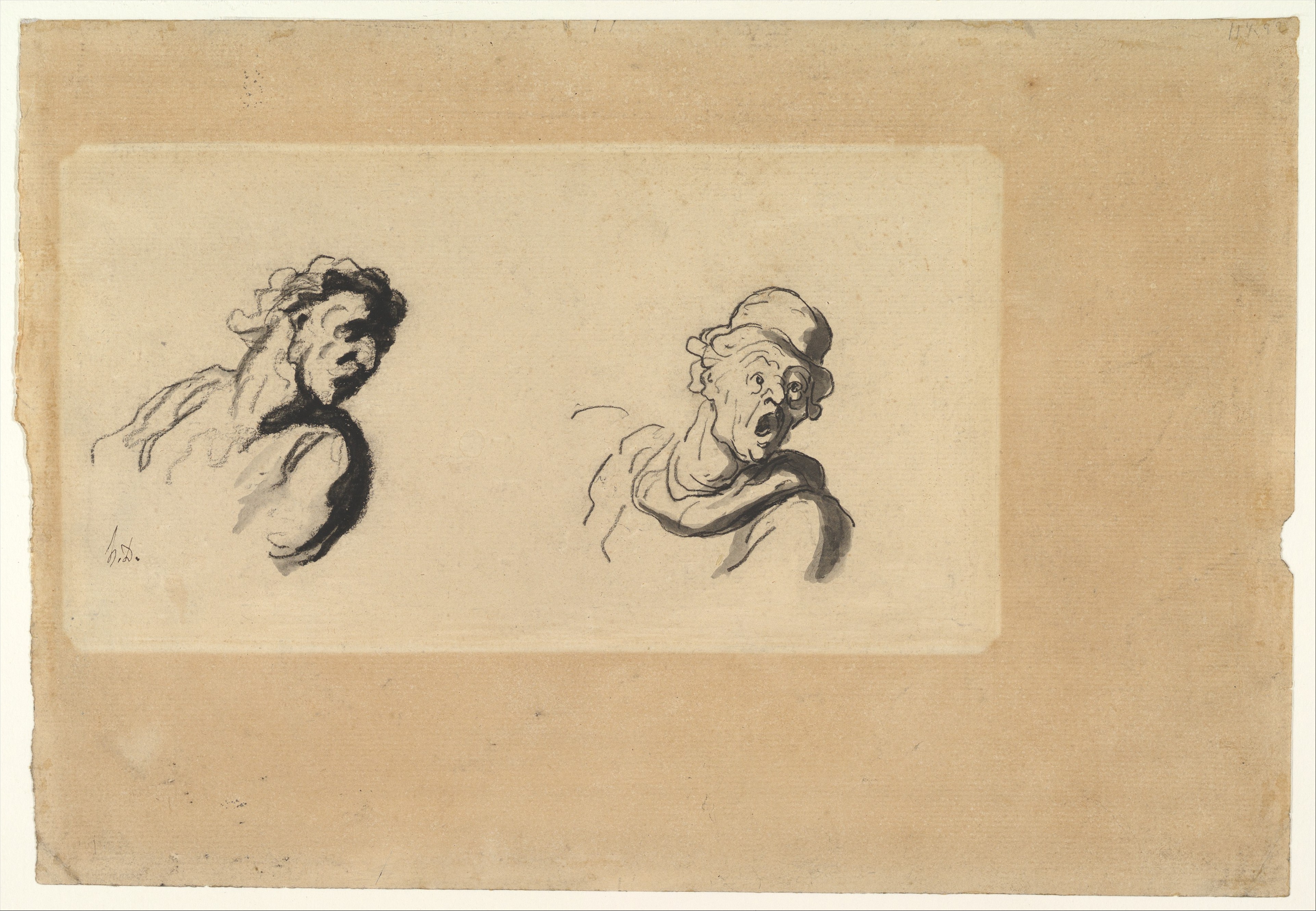
Honoré Daumier created a variety of works, including drawings and oil paintings. His drawings often feature black chalk and watercolor, sometimes with pen and ink or brush and wash. An example is "A Man Reading in a Garden," from 1860, which uses watercolor over black chalk, pen and black ink, and brush and gray wash on the recto, and pen and brown ink, brush and black gray wash, and lithographic crayon on the verso. "Don Quixote and Sancho Panza" is another drawing, made with black chalk and gray wash on wove paper. "Street Show (Paillasse)" from 1825, uses black chalk and watercolor on laid paper for the recto, with graphite and black chalk on the verso. Daumier also painted, as seen in his "Palette," an oil on wood piece from 1800.
Biography
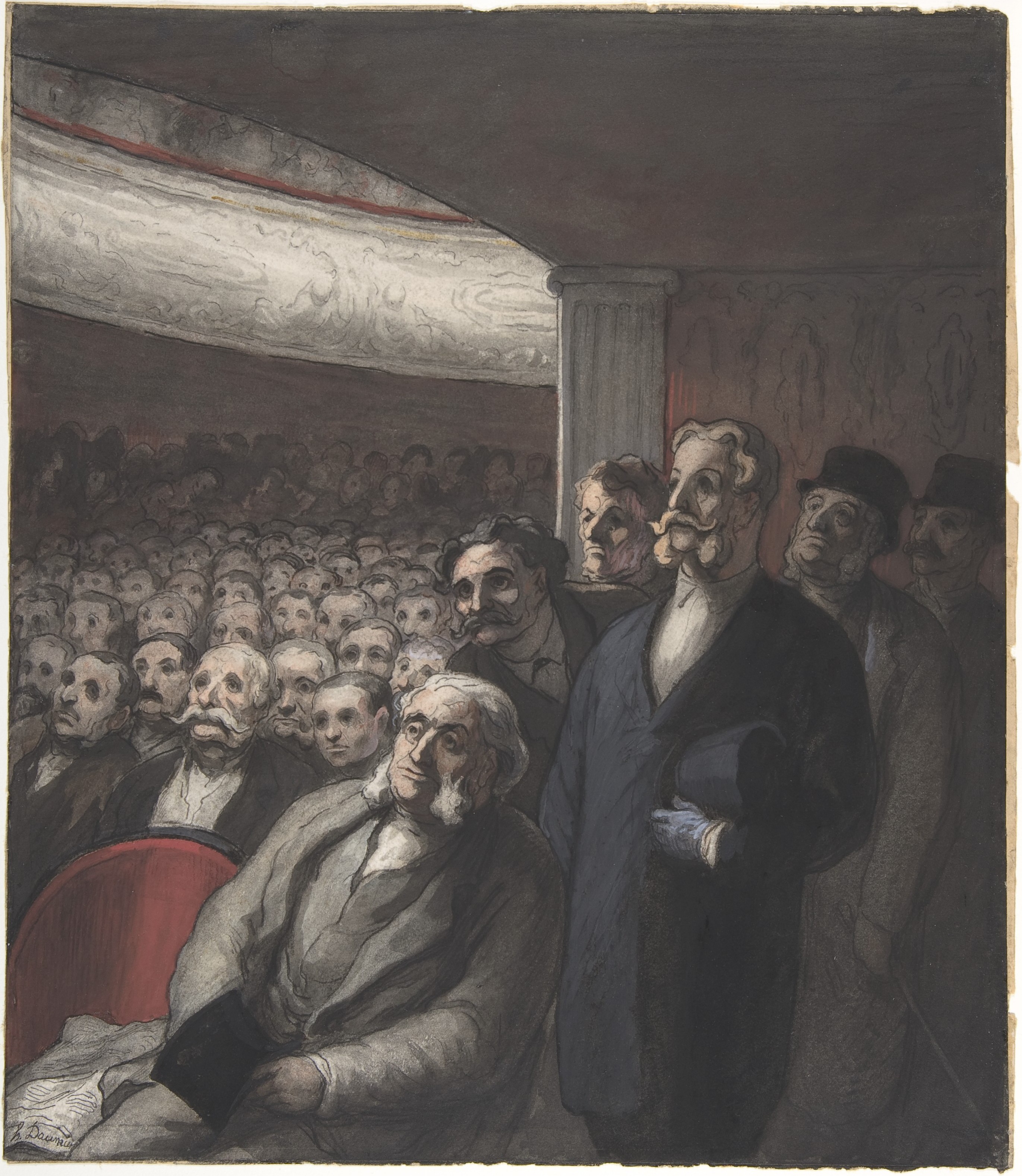
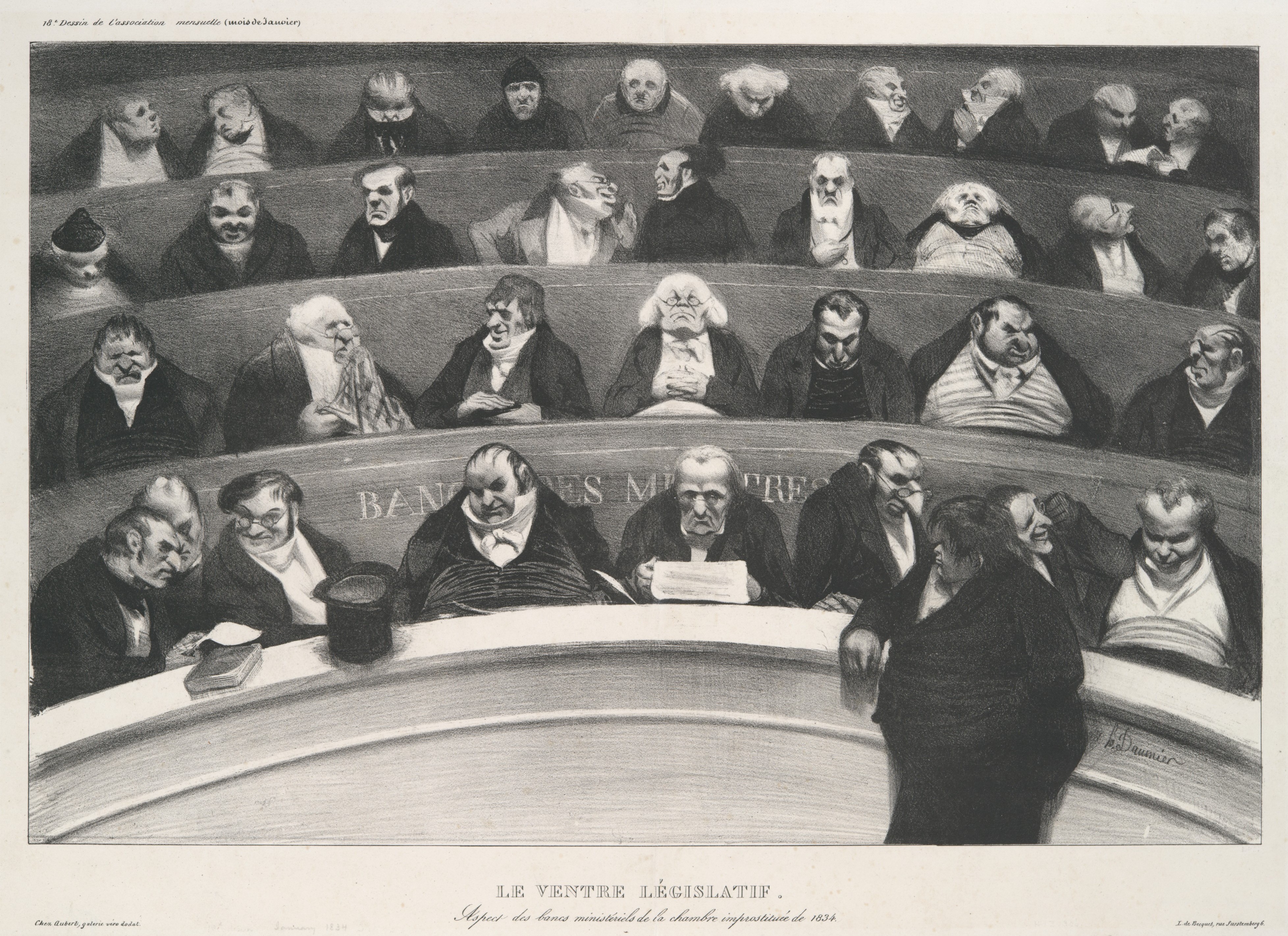
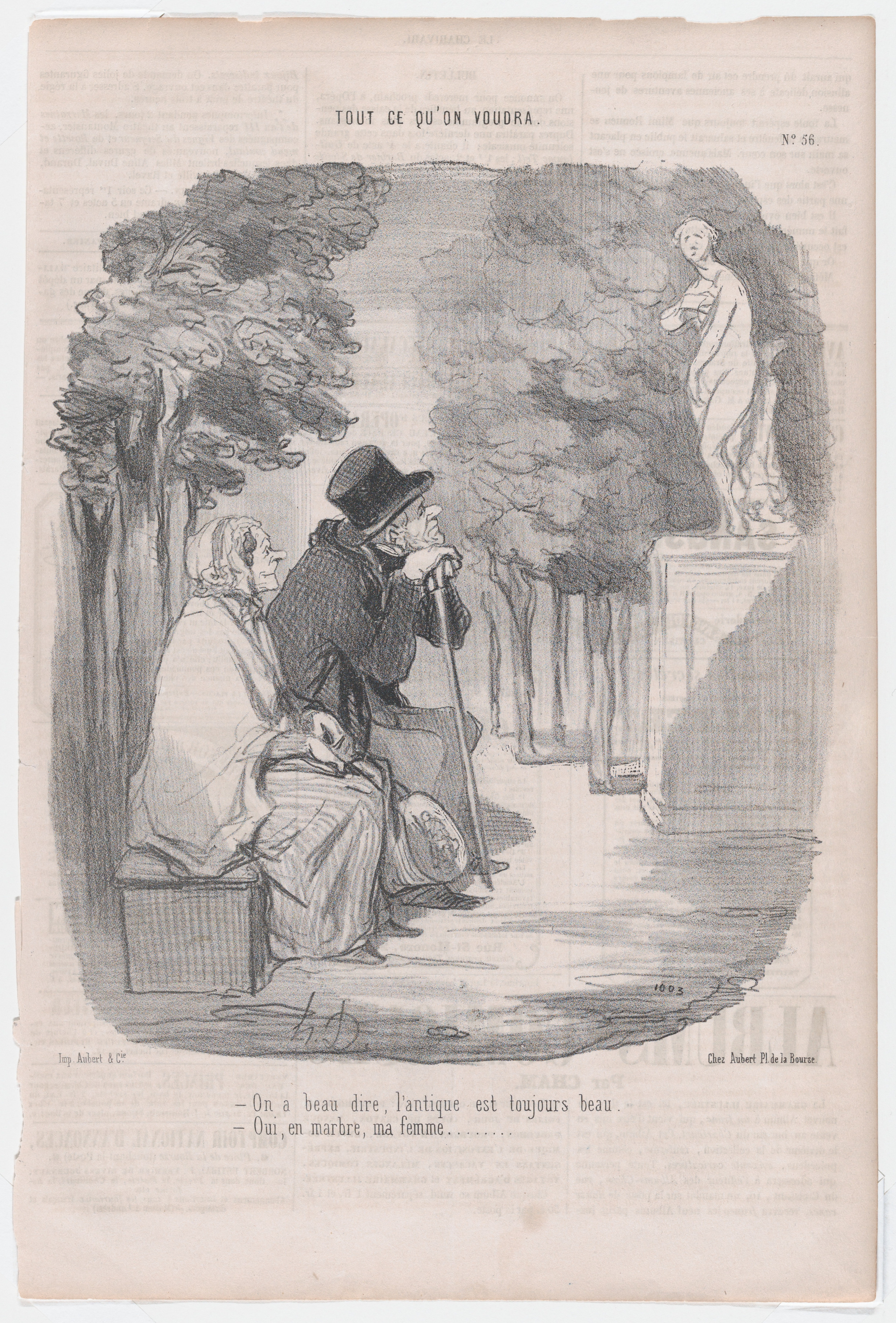
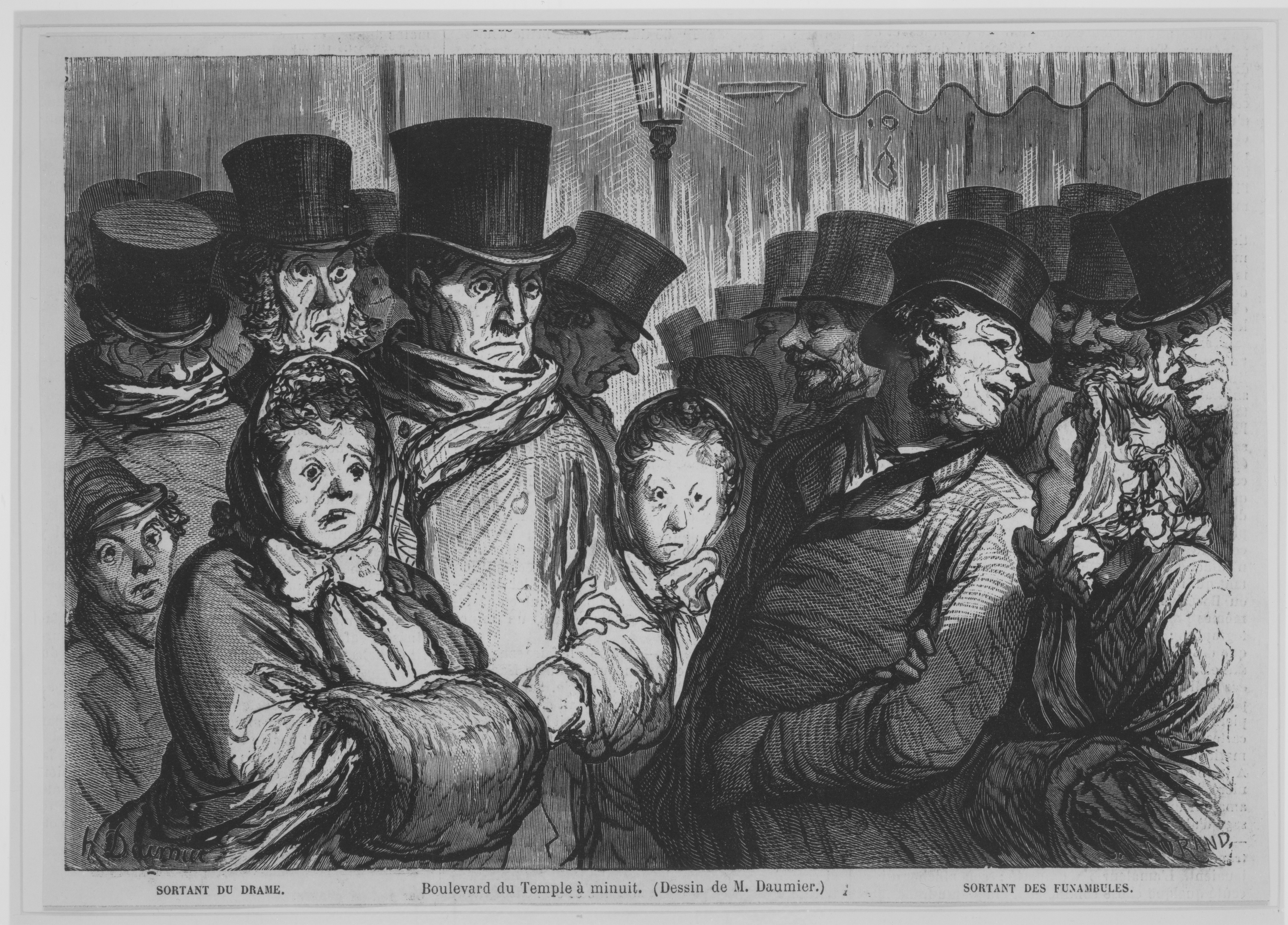
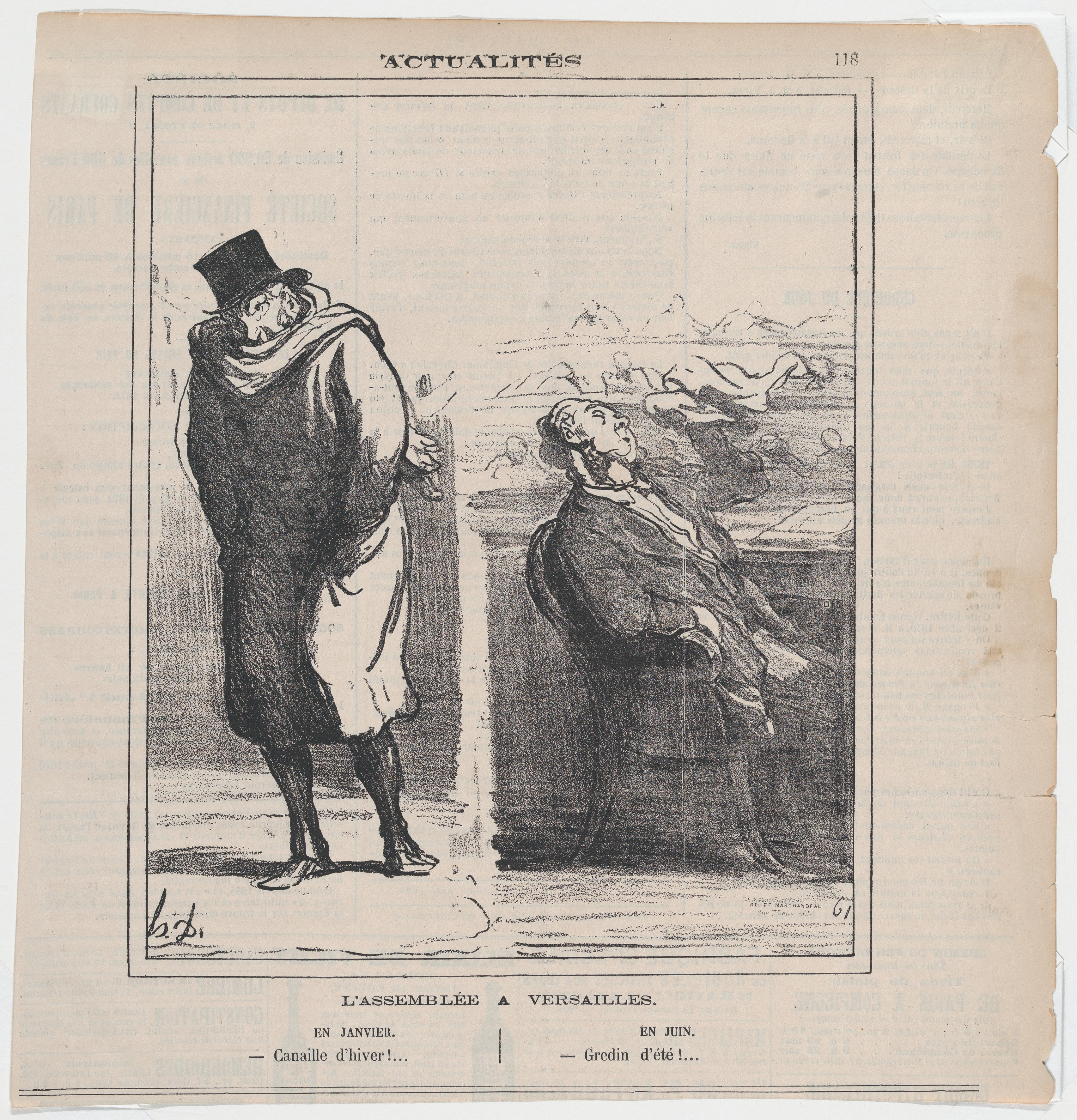
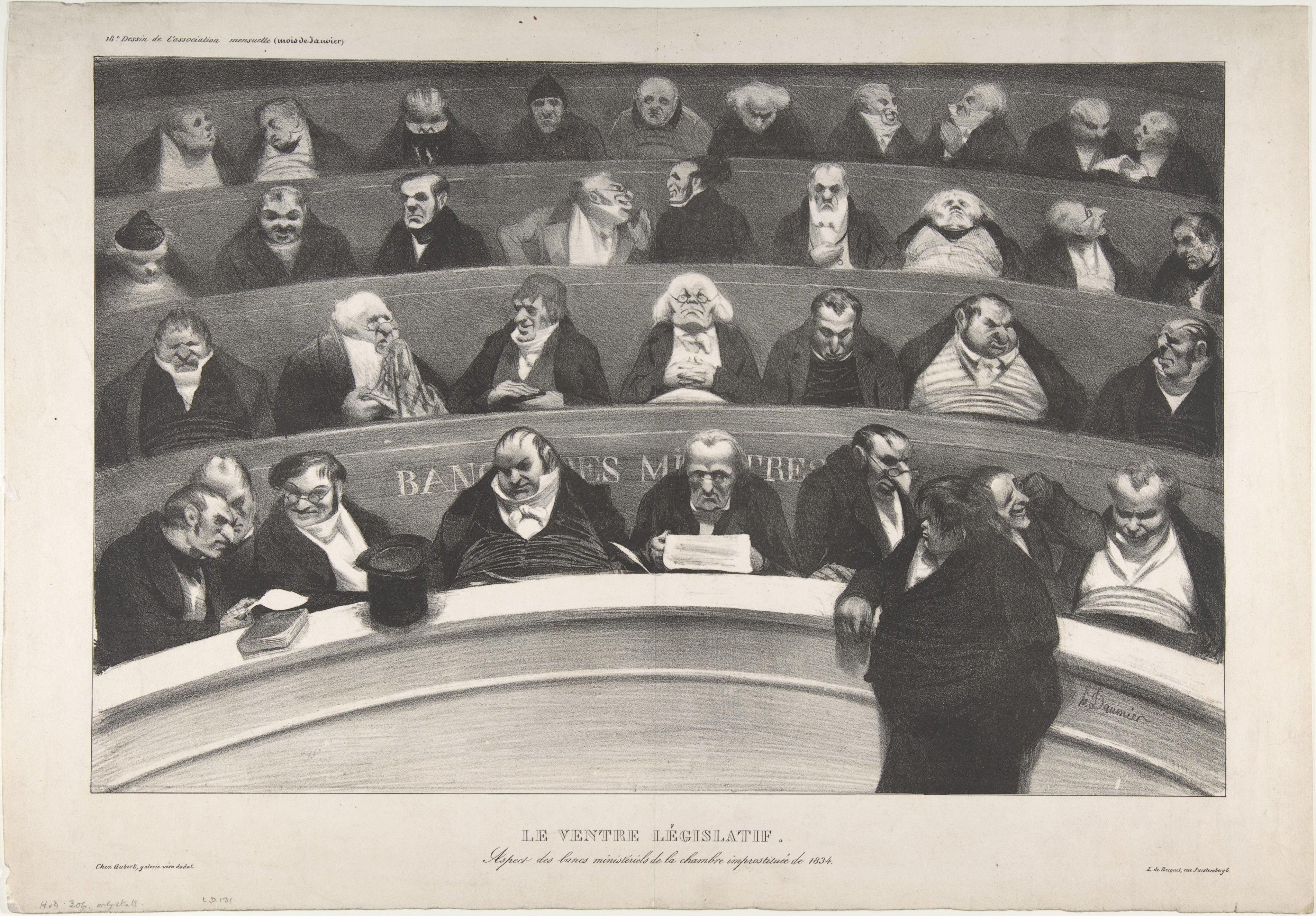
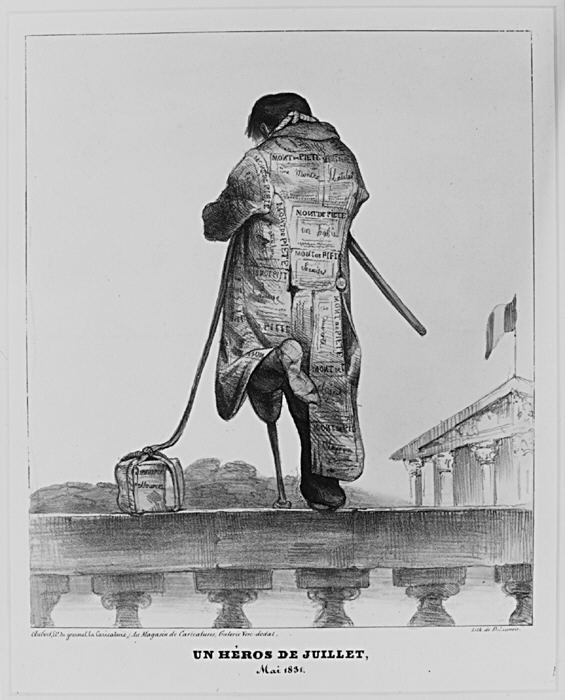
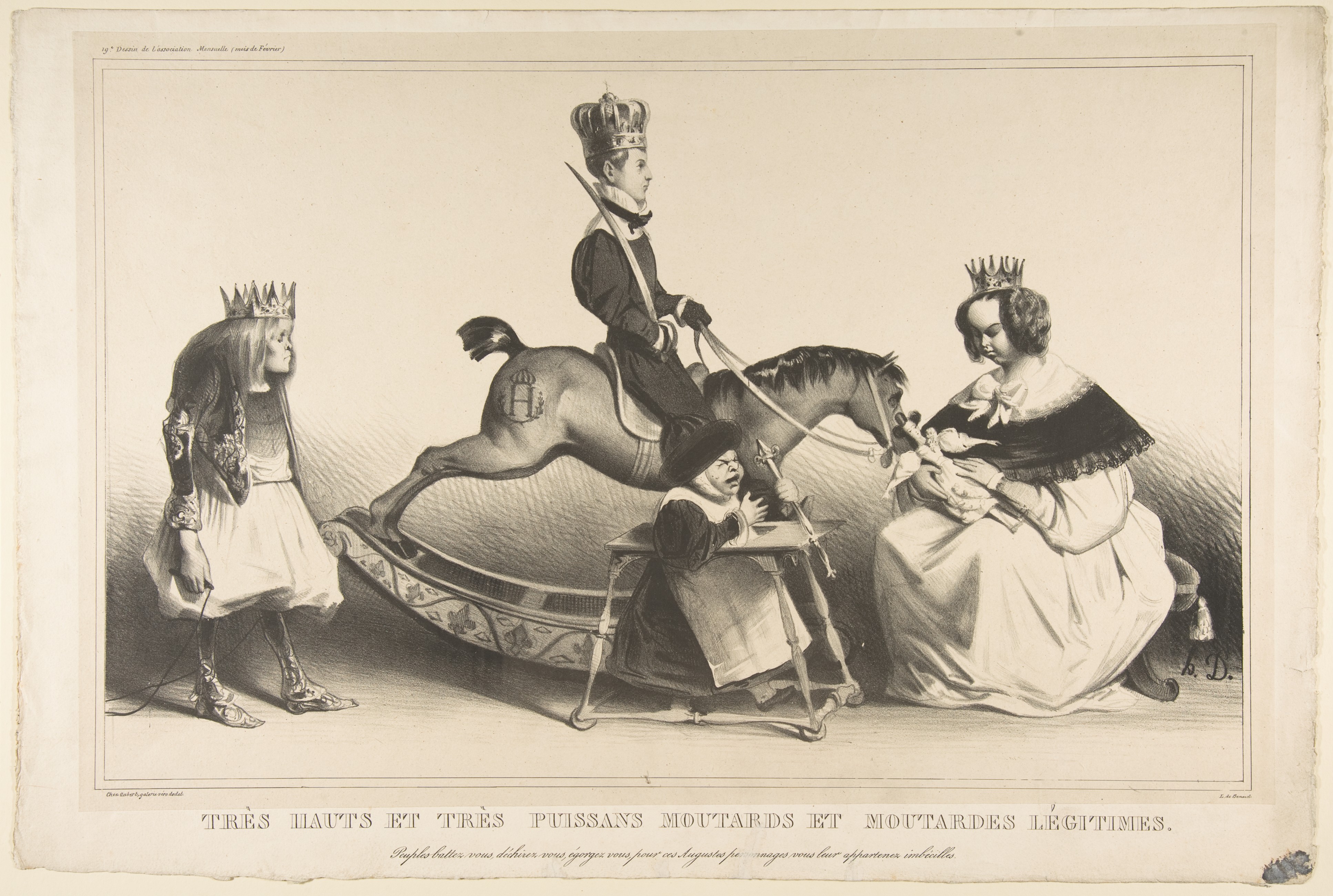
Honoré Daumier was born in Marseille, France, on February 26, 1808. He was a painter, architectural drafter, caricaturist, sculptor, lithographer, engraver, illustrator, and graphic artist, working in the realism movement. He was known for his caricatures and figure drawings. Daumier worked in Paris and Valmondois, where he also died. Among his notable works are "The Third-Class Carriage" from 1868, "The Melodrama" from 1860, "The Chess players" from 1865, "The Laundress" from 1863, and "Don Quijote and Sancho Panza" from 1868. He died in Valmondois on February 10, 1879.
Works