29 September 1518 – 31 May 1594 · Venice
Jacopo Tintoretto
Work
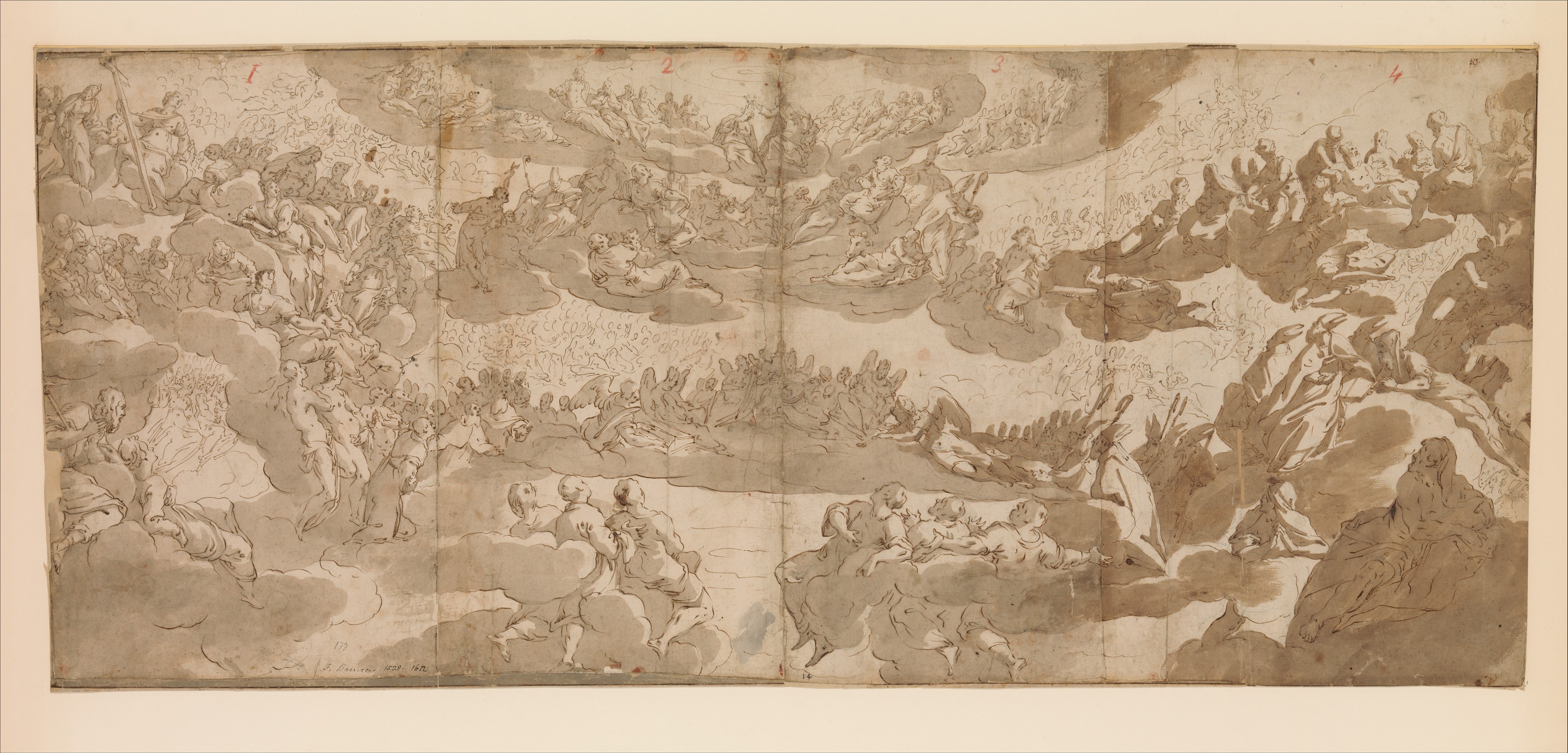
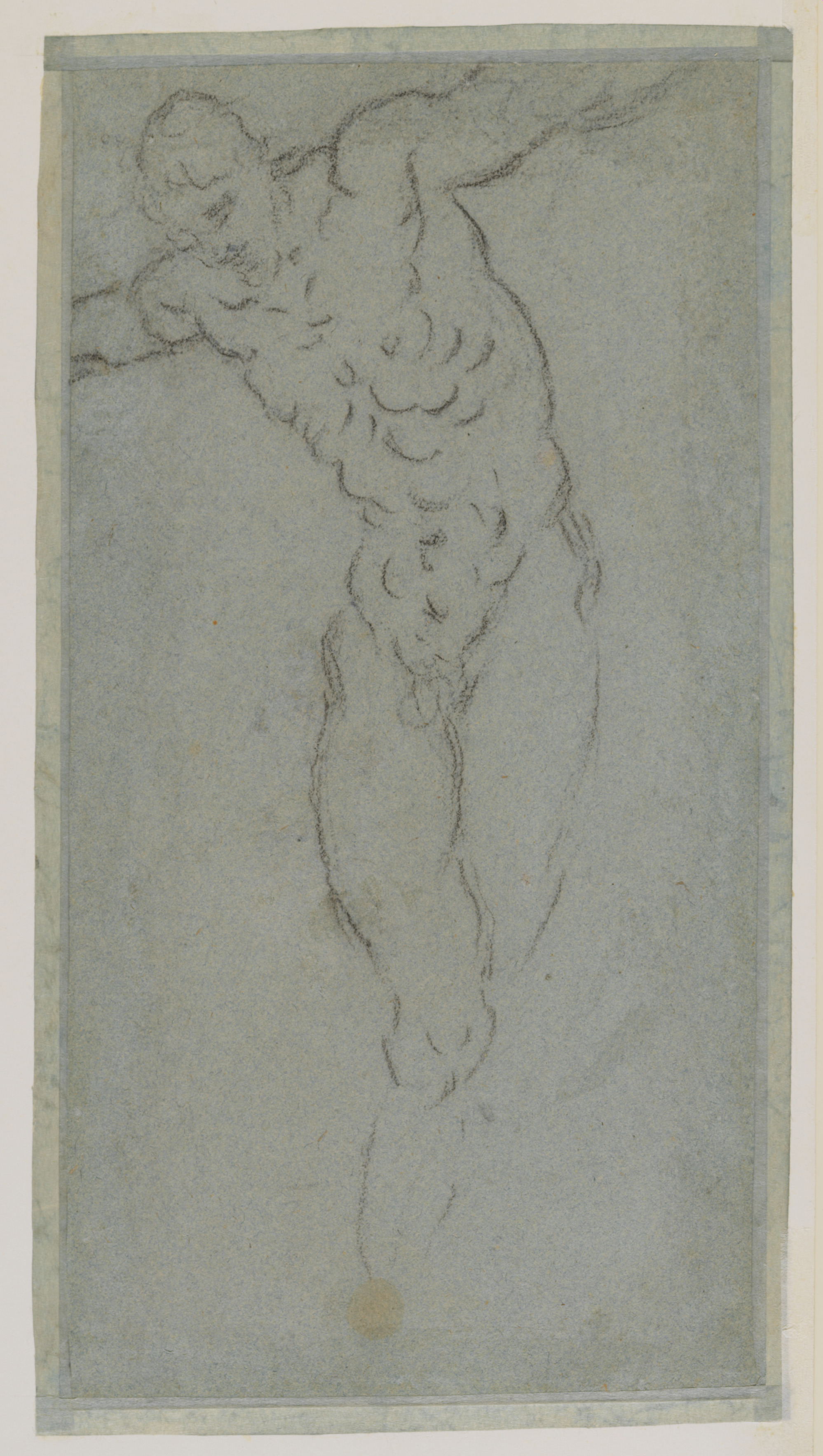
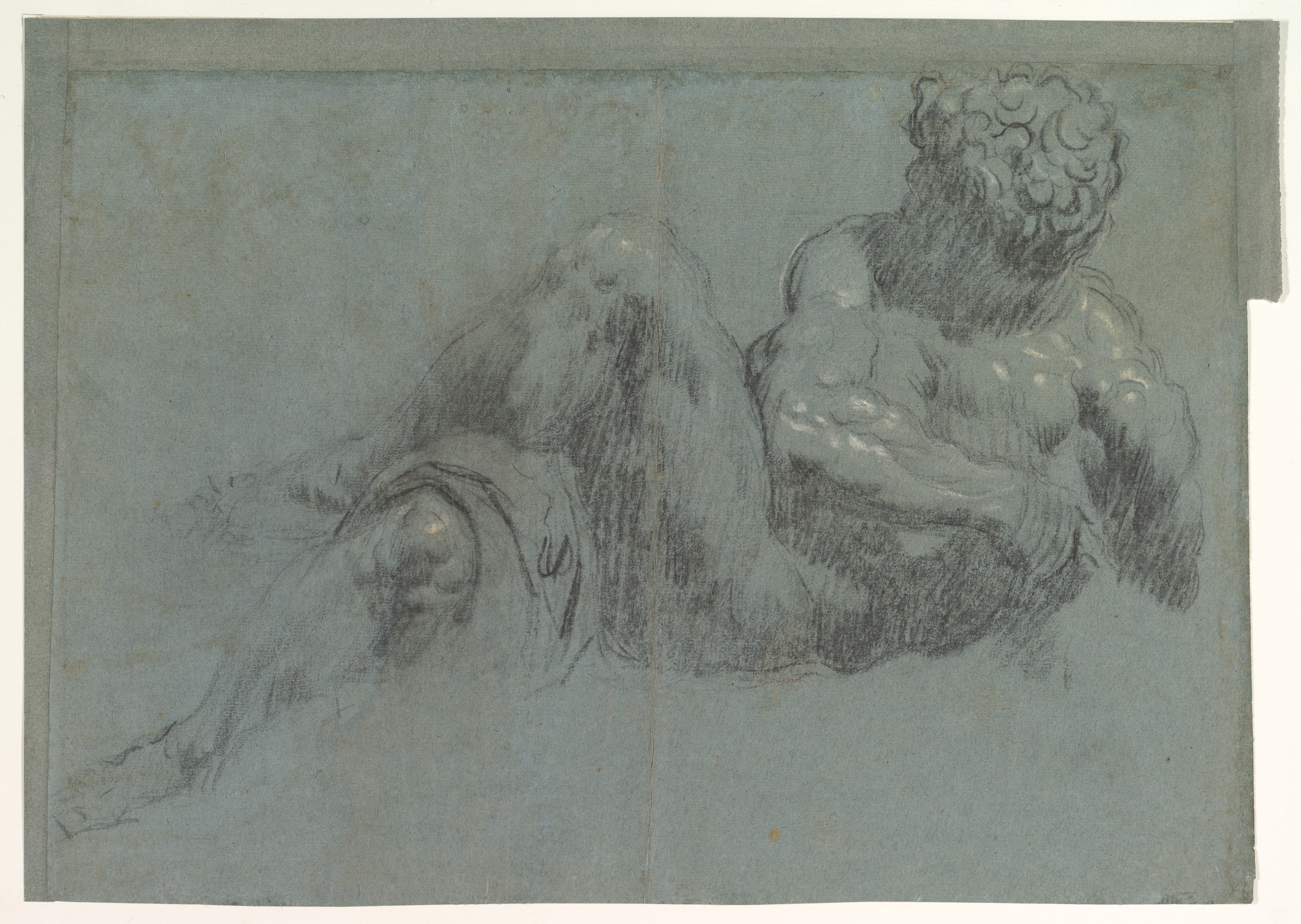
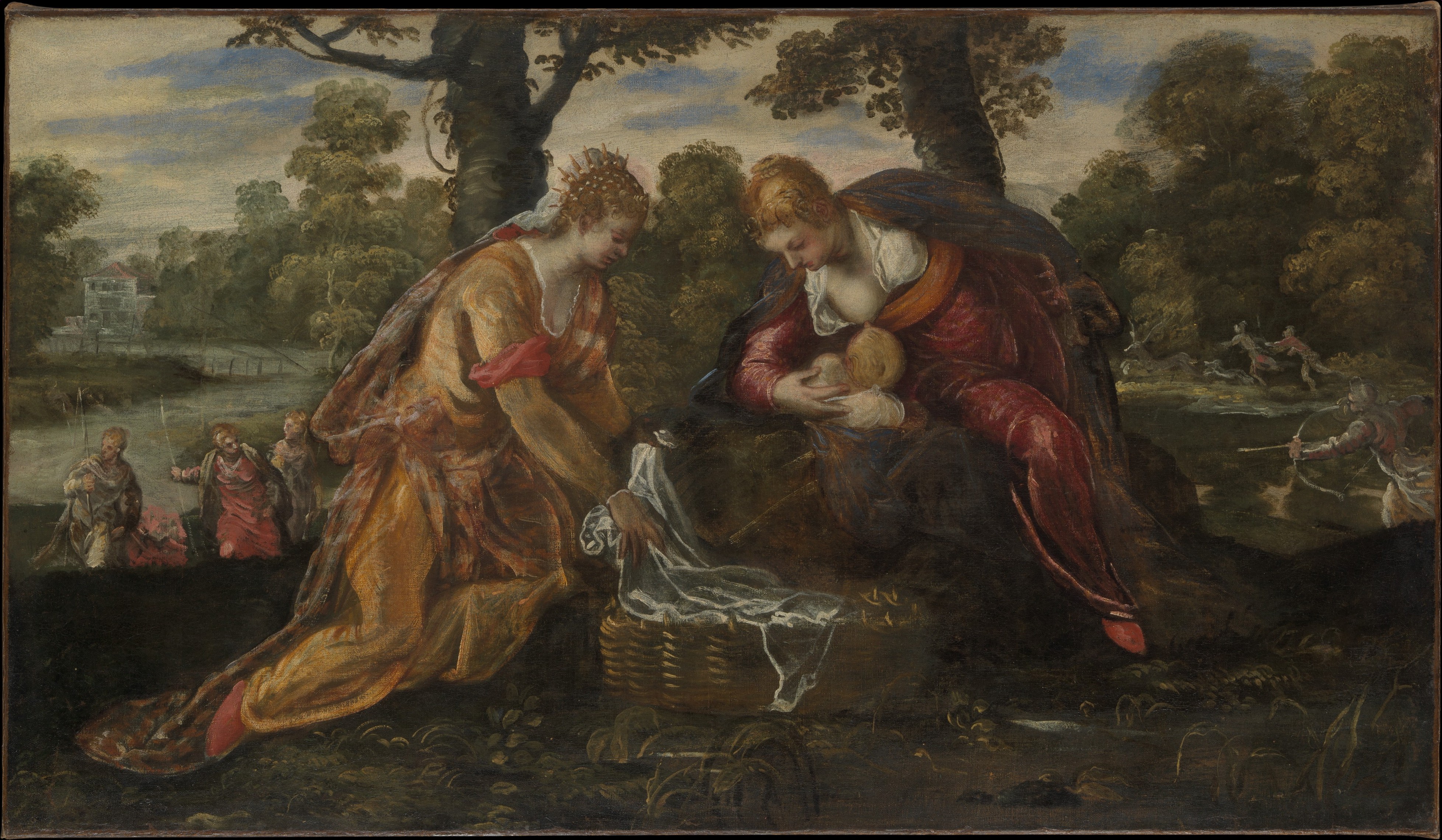
Jacopo Tintoretto worked in Venice, creating paintings and drawings. His oil on canvas painting, "The Finding of Moses," was completed in 1560. He also created another version of "The Finding of Moses" in 1545. His drawing "Study after Michelangelo's Giorno (recto and verso)" uses black and white chalk on blue paper. Another drawing, "Paradise," is made with pen and brown ink, washed. Both drawings are held in The Metropolitan Museum of Art. He also painted "St. Roch in Glory," "Crucifixion," and "Christ Washing the Disciples' Feet."
Biography
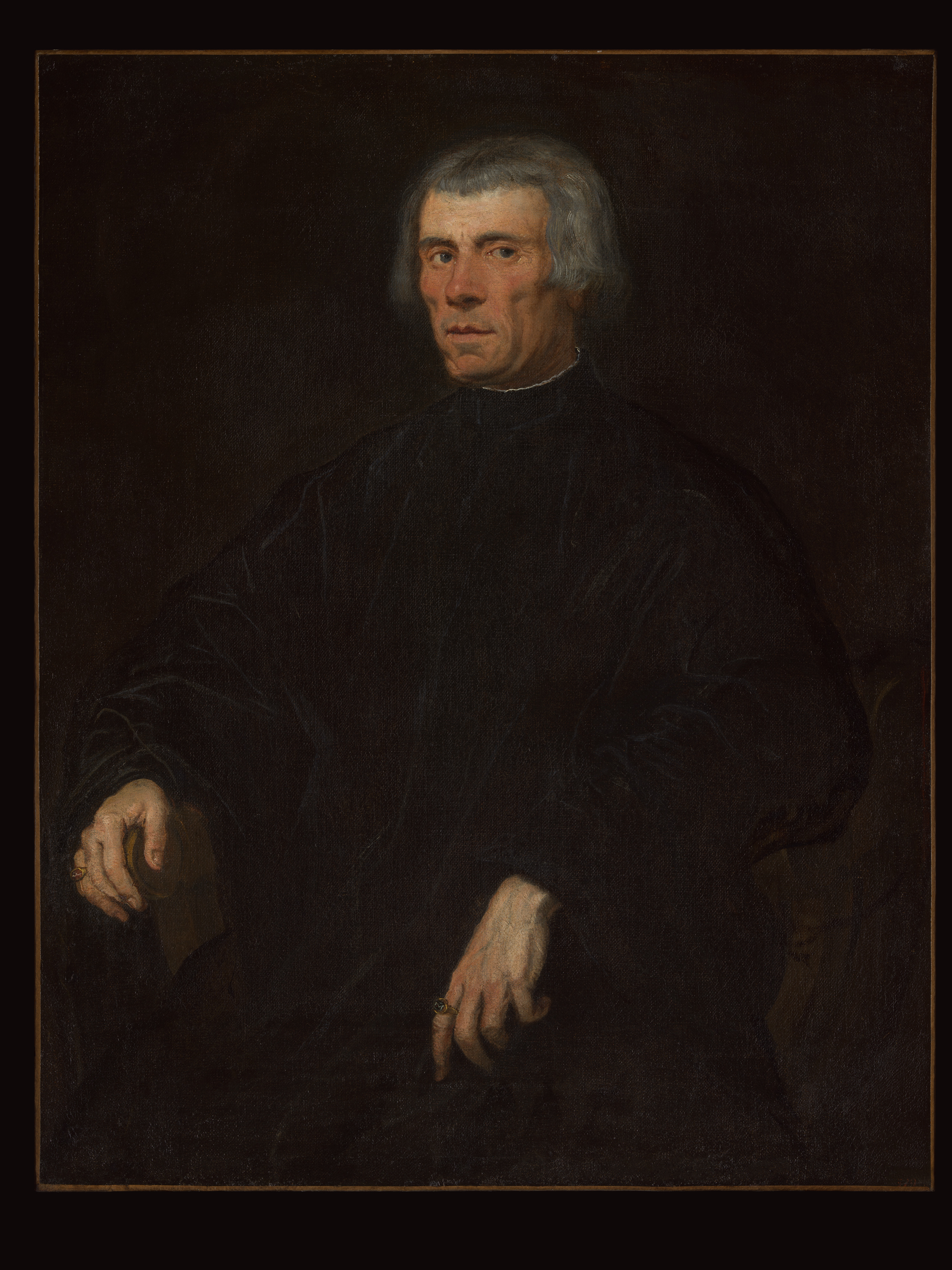
Jacopo Tintoretto was born in Venice on September 29, 1518. He was a painter, architectural drafter, and visual artist, and a citizen of the Republic of Venice. He spoke Italian. He was associated with the Mannerism movement and the Venetian school, working in genres such as Renaissance, religious painting, mythological painting, and allegory. He worked in Venice throughout his life. Among his notable works are "St. Roch in Glory" from 1564, "Crucifixion" from 1565, and "Christ Washing the Disciples' Feet" from 1548. He also painted "Portrait of a White-Bearded Man" in 1570, and two versions of "Judith and Holofernes," one in 1553 and another in 1577. Other works include "St Mark's Body Brought to Venice" (1564), "Tarquin and Lucretia" (1579), "Adoration of the Magi," "Old Man and a Boy" (1565), "Arachne challenges Minerva in a weaving contest" (1580), and "Diana and Endymion or Venus and Adonis" (1579). Jacopo Tintoretto died in Venice on May 31, 1594.
Works