31 October 1760 – 10 May 1849
Katsushika Hokusai
Work
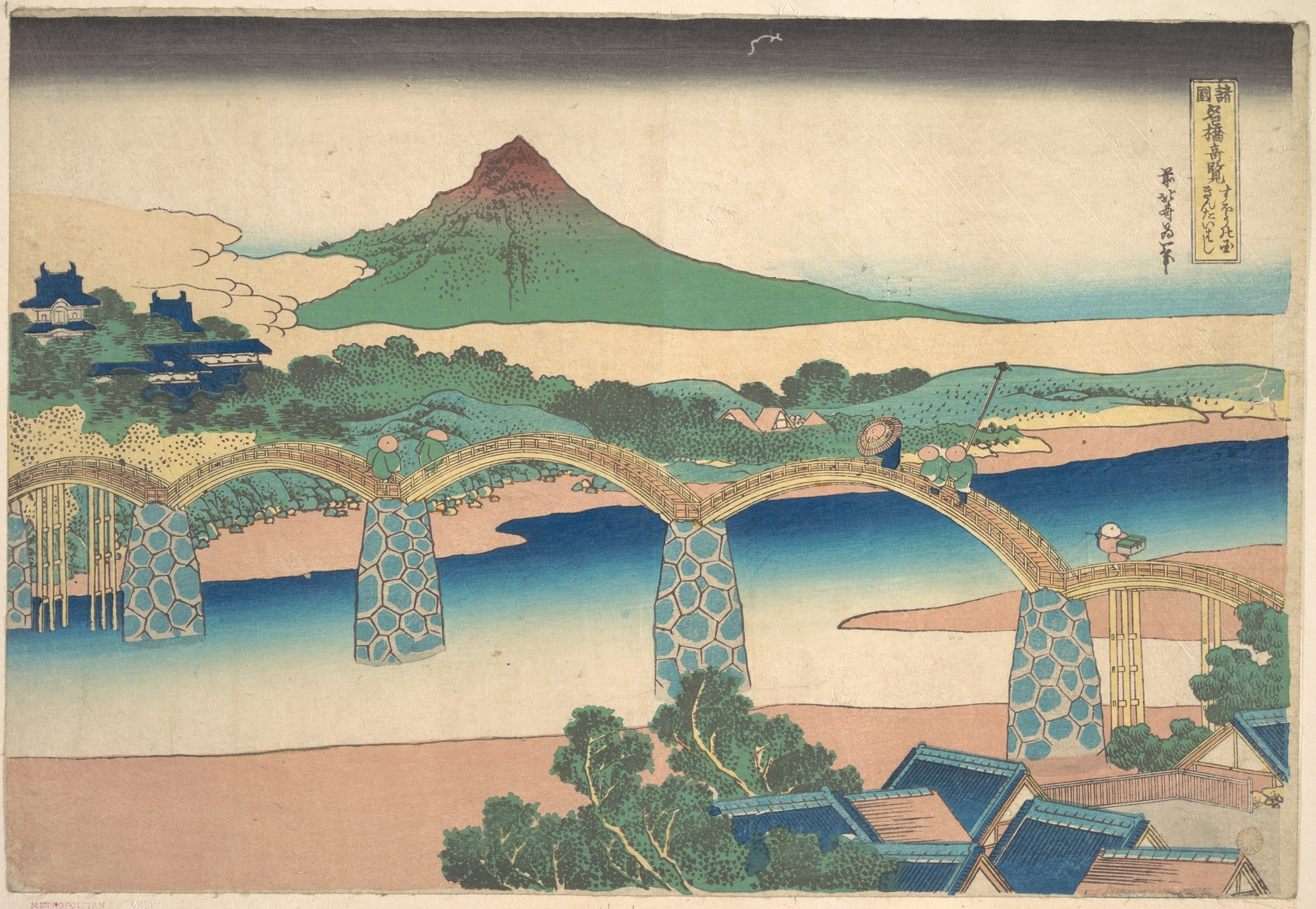
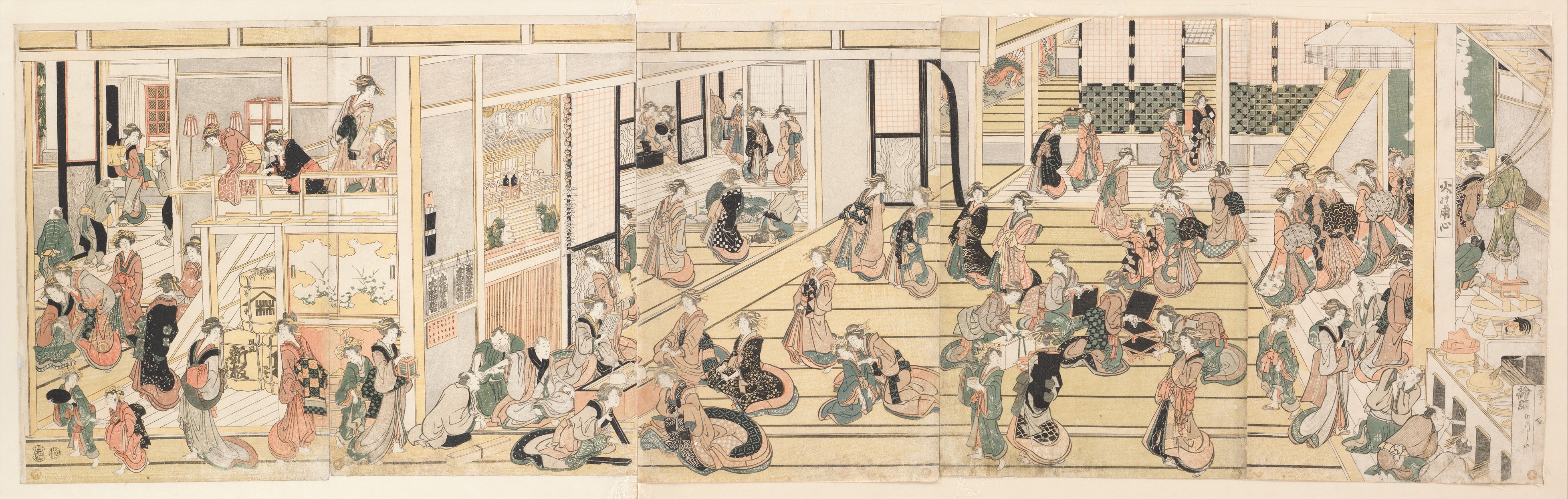
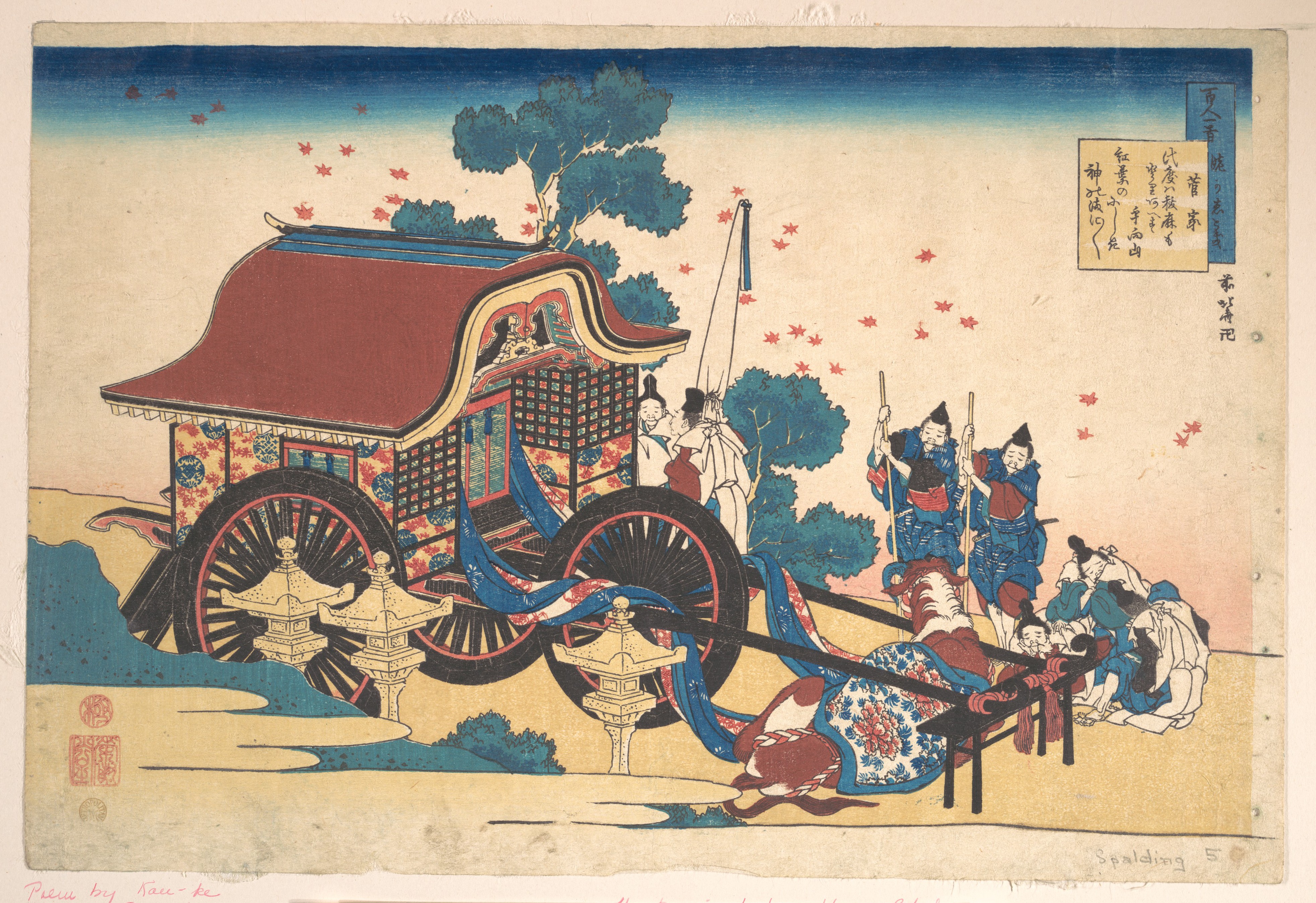
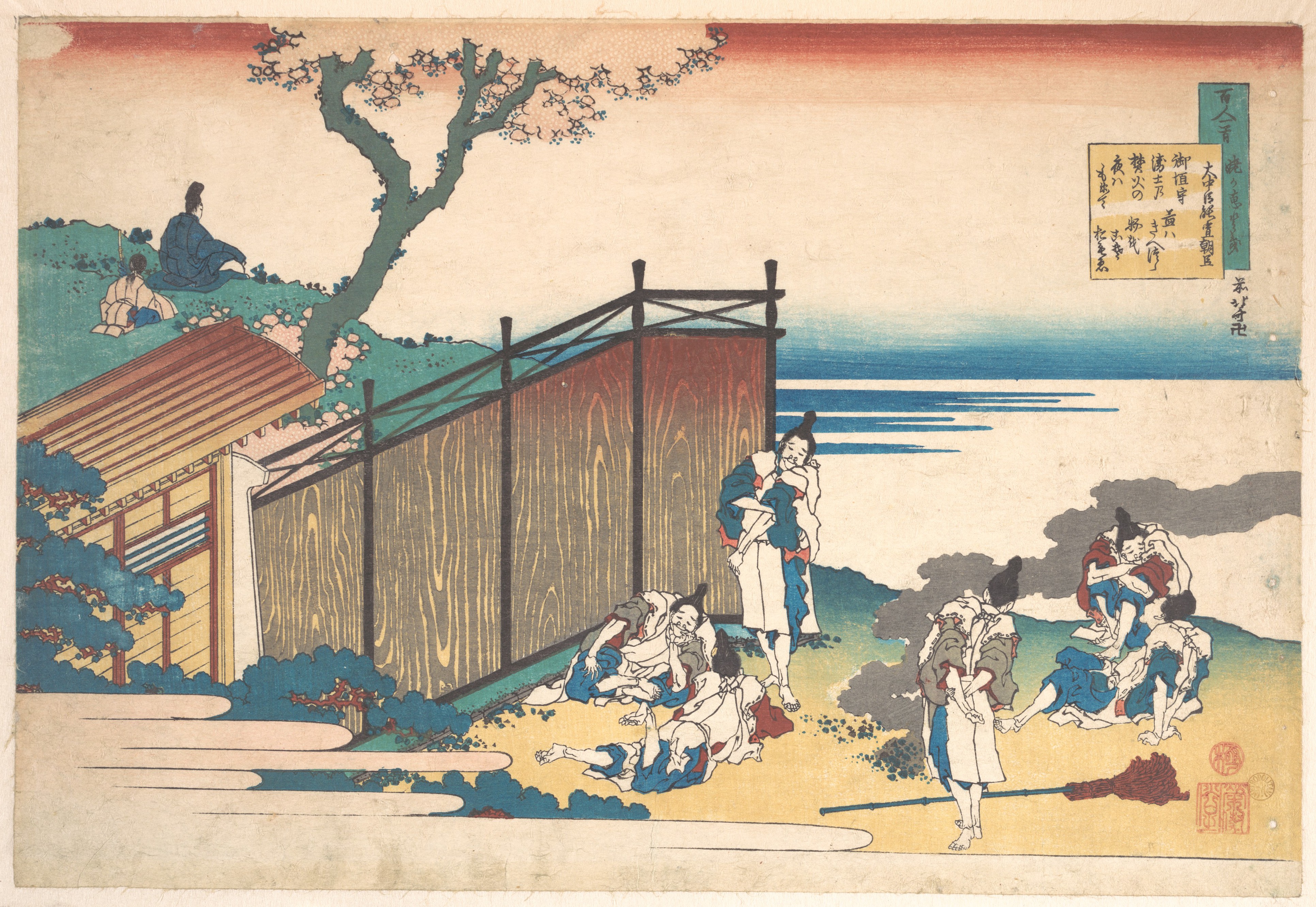
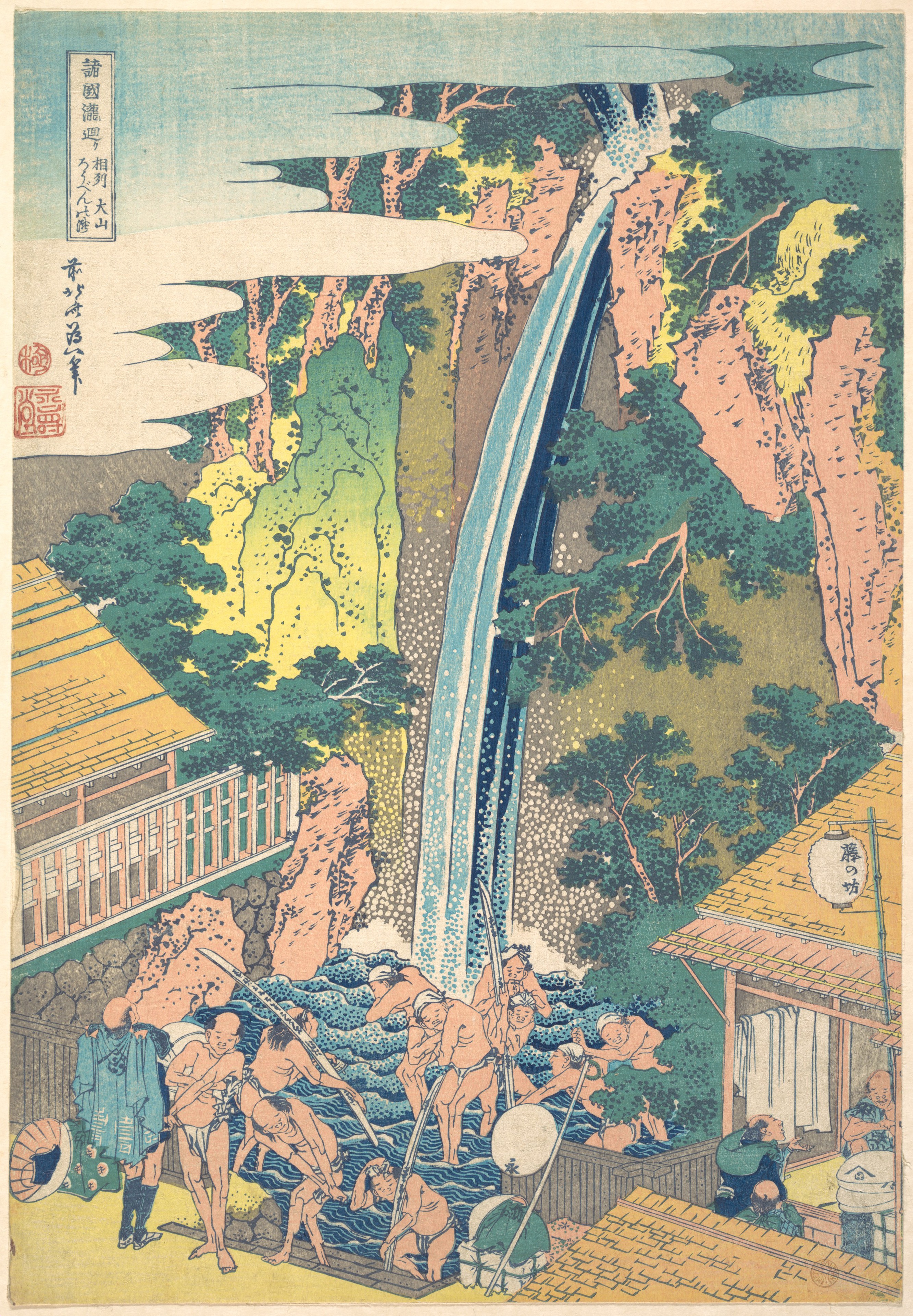
Katsushika Hokusai created woodblock prints using ink and color on paper. His works include "New Year's Day at the Ōgiya Brothel, Yoshiwara," from 1794, which is a pentaptych measuring 14 15/32 x 48 1/2 inches. He also created another "New Year's Day at the Ōgiya Brothel, Yoshiwara" in 1817. Another print is "Rōben Waterfall at Ōyama in Sagami Province (Sōshū Ōyama Rōben no taki), from the series A Tour of Waterfalls in Various Provinces (Shokoku taki meguri)," which measures 14 3/4 x 10 1/4 inches. Both of these works are in The Metropolitan Museum of Art.
Biography
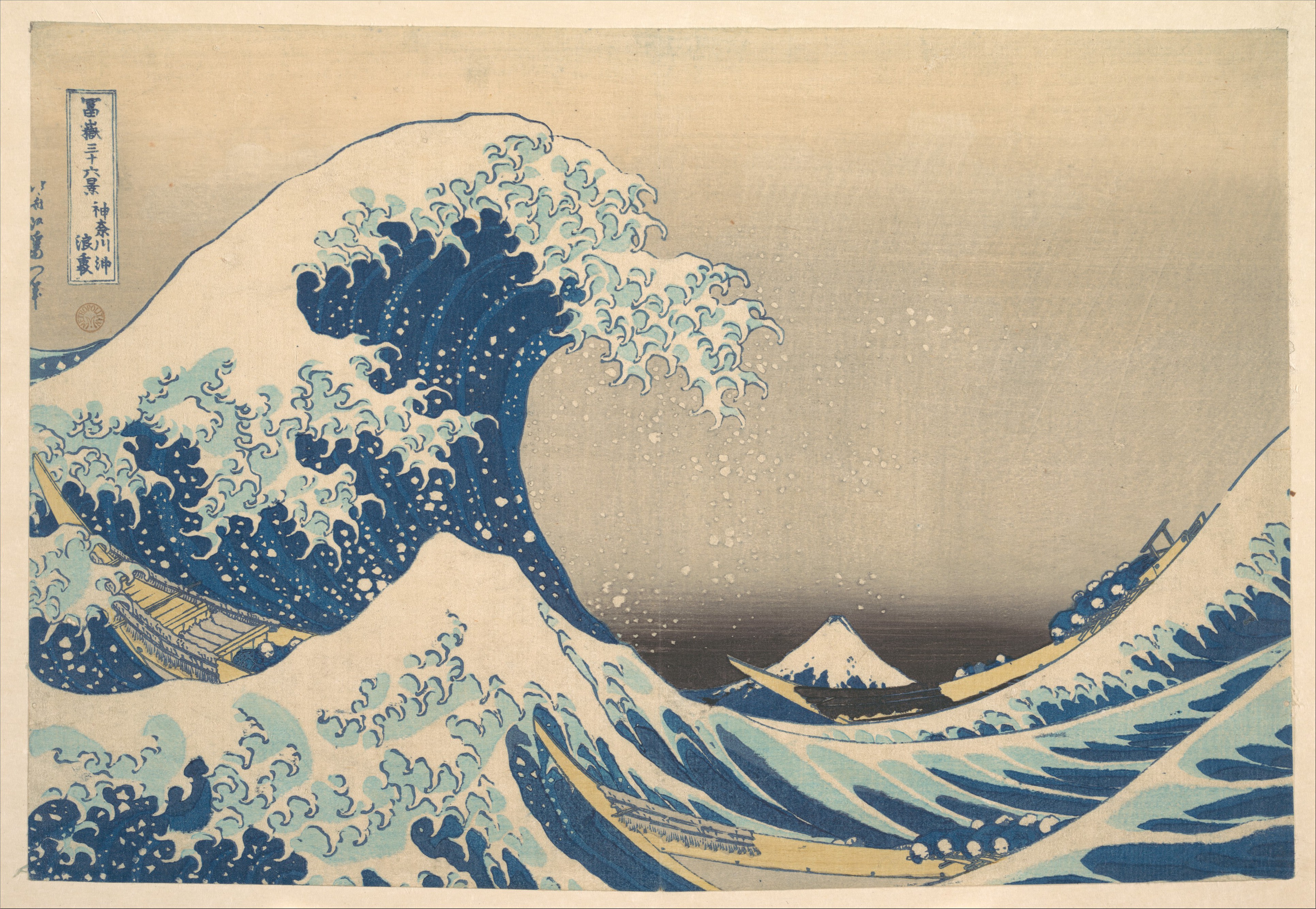
Katsushika Hokusai was born on October 31, 1760, in Honjo, Japan. He was a Japanese artist, working as a painter, xylographer, illustrator, and printmaker in the ukiyo-e style. He was associated with the ukiyo-e, Japonisme, and Kasei culture movements, and was known for woodblock printing in Japan. His work focused on genres such as ukiyo-e and portraiture. Hokusai's notable works include "Thirty-six Views of Mount Fuji" (1830), "The Dream of the Fisherman's Wife" (1820), "Hokusai Manga" (1814), "Ehon Chūkyō," "A Tour of the Waterfalls of the Provinces," "Oceans of Wisdom" (1834), "Watermelon" (1839), "Great Daruma" (1817), "The Great Wave off Kanagawa" (1900), and "Fine Wind, Clear Morning" (1830). He resided in Uraga and worked in Edo and other parts of Japan. Katsushika Hokusai died on May 10, 1849, in Asakusa.
Works