6 March 1475 – 18 February 1564
Michelangelo Buonarroti
Work
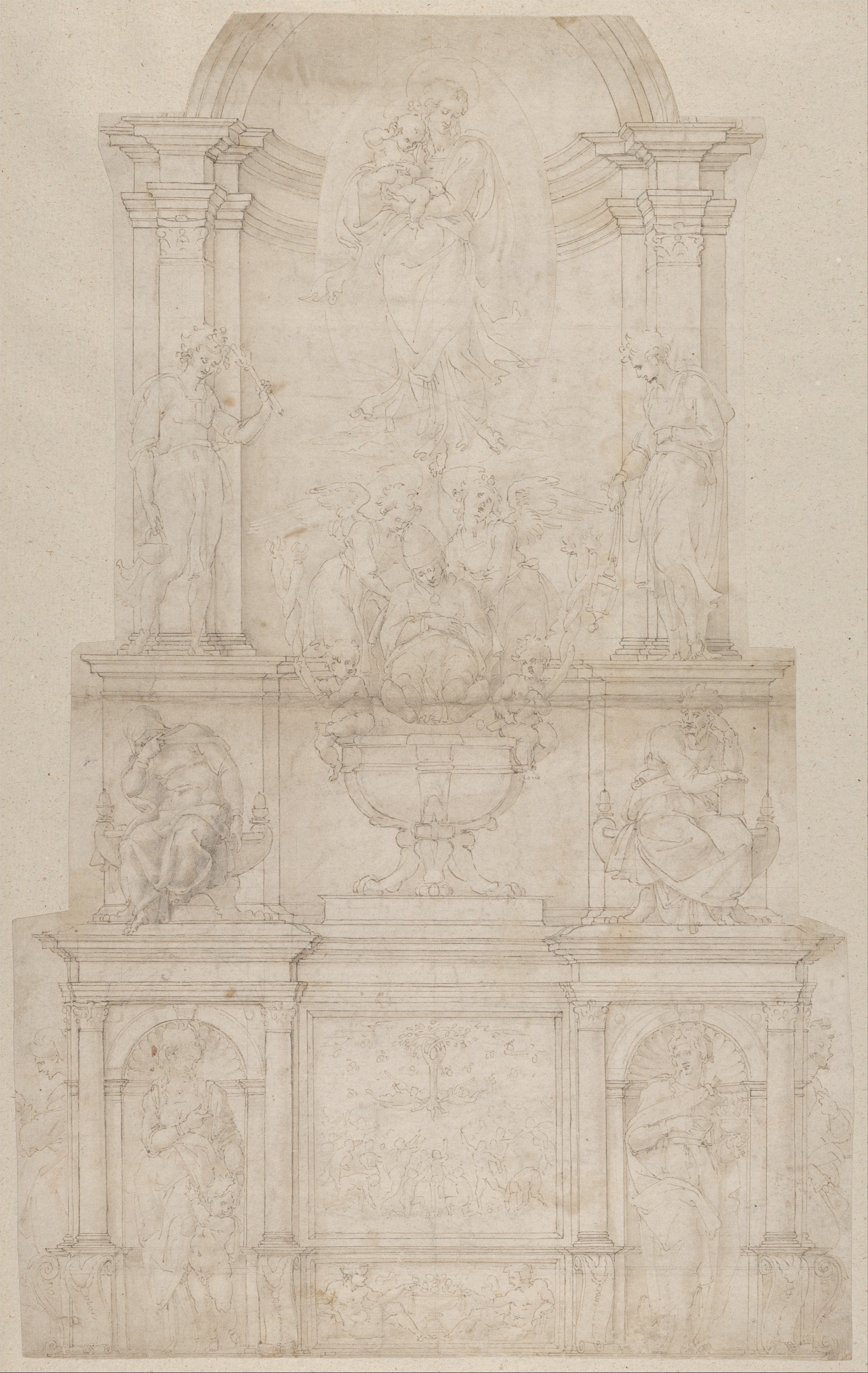
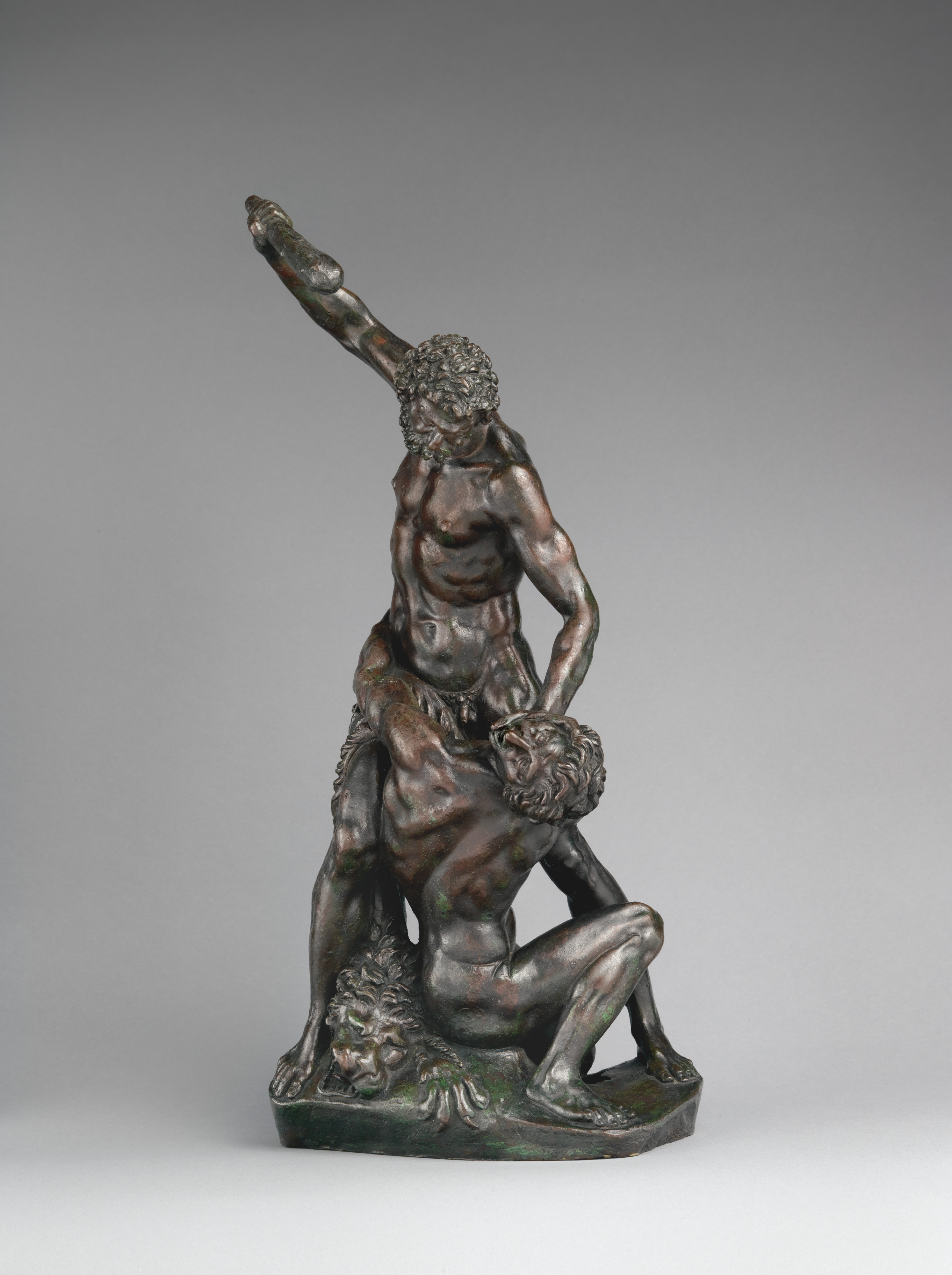
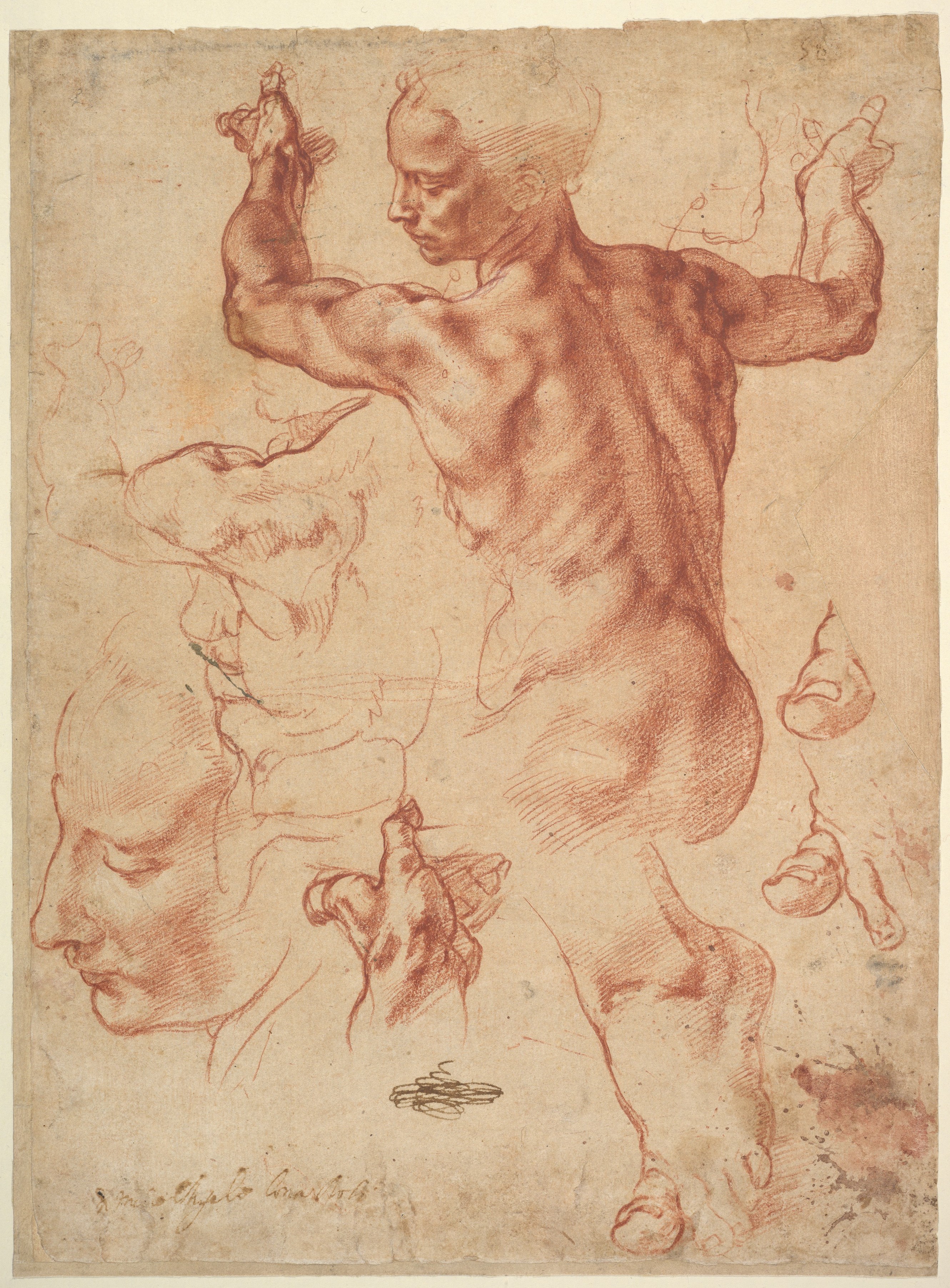
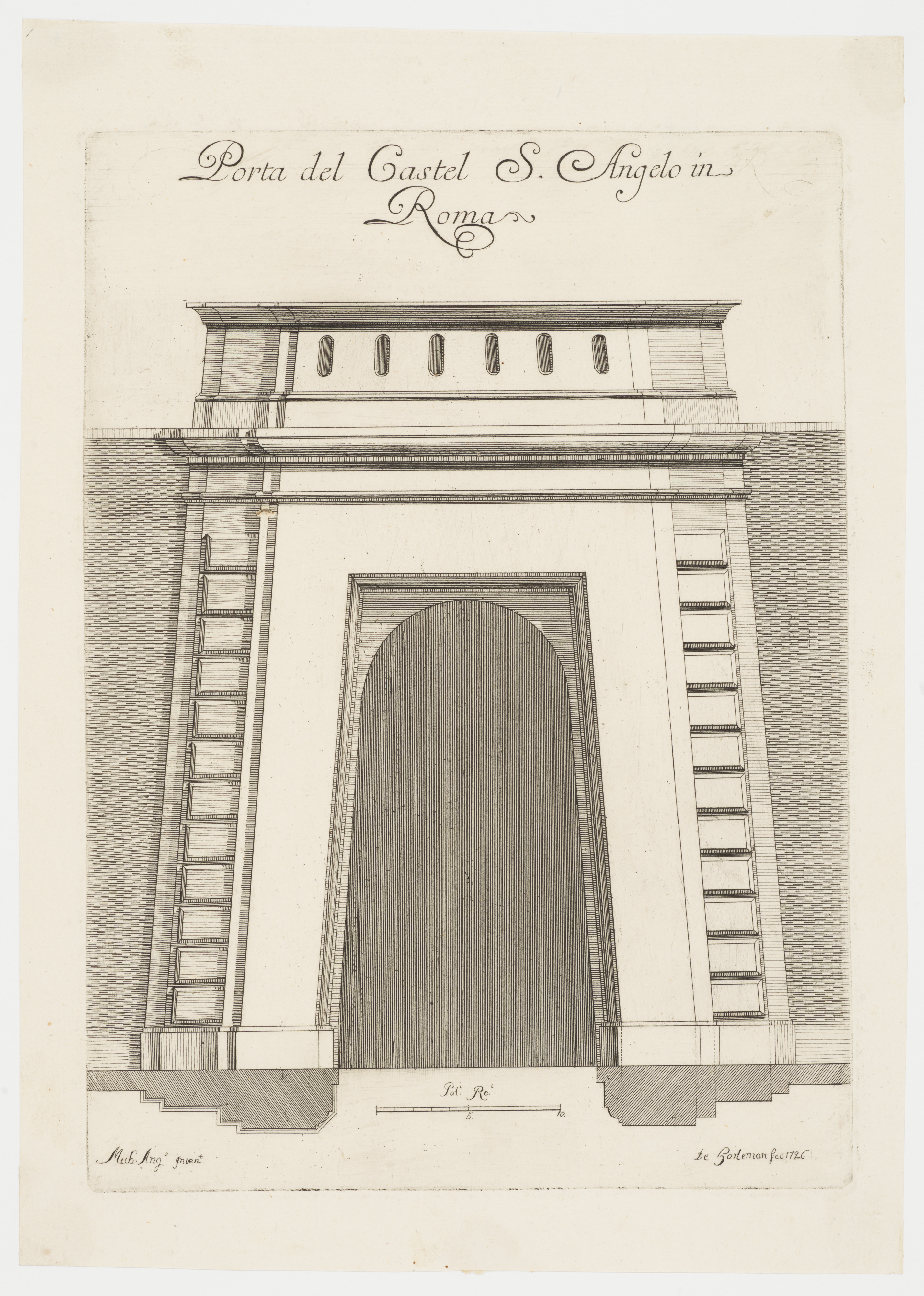
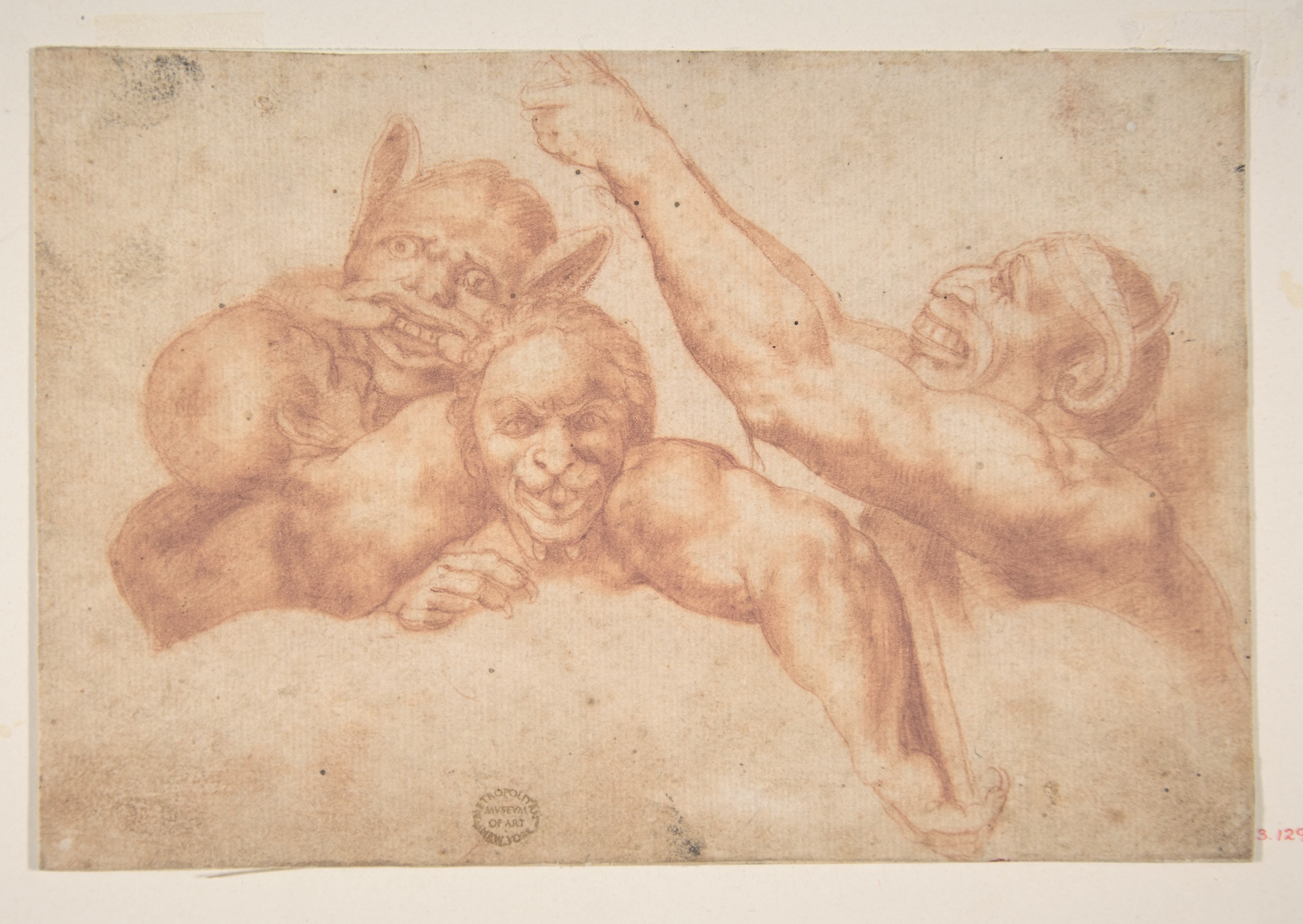
Michelangelo Buonarroti created a wide range of works, including sculptures, paintings, and architectural designs. His sculptures include two versions of the "Pietà," one from 1550 and another from 1505, as well as "Hercules and Cacus," "Samson and the Philistines," "Dying Slave," "Rebellious Captive," and "Moses." He also produced numerous drawings and studies, such as "Anatomical Study of a Knee," "Studies for the Libyan Sibyl (recto); Studies for the Libyan Sibyl and a small Sketch for a Seated Figure (verso)," "Christ and the Two Thieves Crucified," "Architectural Study," "Anatomical Studies of a Leg (recto); Study of a Leg (verso)," and "Sketches of a Funeral Monument, a Niche with Statues, a Helmet in the Shape of a Human Head, an Entablature and a Female Statue." His architectural work is represented by "Design for the Tomb of Pope Julius II della Rovere," "Porta del Castel S. Angelo in Roma," and "A Figure and Some Architectural Details." Other notable works include "Dawn," "Evening," "Lorenzo de Medici," "The Day (one of a pair)," "The Dusk (one of a pair)," and "The Last Judgment," along with a "Study of Figures from Michelangelo's Last Judgment, Sistine Chapel."
Biography
Michelangelo Buonarroti was born on March 6, 1475, in Caprese Michelangelo, Republic of Florence. His father was Lodovico di Leonardo Buonarroti Simoni, and his mother was Francesca di Neri del Miniato Siena. He received his education at the University of Florence. Michelangelo was a sculptor, architectural drafter, painter, architect, poet, general contractor, and writer. He worked in Florence, Bologna, Rome, and Venice. He is associated with the High Renaissance and Renaissance painting movements. His work often explored Christian art and homoeroticism. Among his many creations are two works titled "Pietà," one from 1550 and another from 1505. Other works include "Hercules and Cacus," "Anatomical Study of a Knee," "Dawn," "Samson and the Philistines," "Study of Figures from Michelangelo's Last Judgment, Sistine Chapel," and "A Figure and Some Architectural Details." He also created "Studies for the Libyan Sibyl (recto); Studies for the Libyan Sibyl and a small Sketch for a Seated Figure (verso)," "Evening," "Design for the Tomb of Pope Julius II della Rovere," "Christ and the Two Thieves Crucified," "Lorenzo de Medici," "The Day (one of a pair)," "Architectural Study," "Dying Slave," "Rebellious Captive," "The Last Judgment," "Moses," "The Dusk (one of a pair)," "Porta del Castel S. Angelo in Roma," "Sketches of a Funeral Monument, a Niche with Statues, a Helmet in the Shape of a Human Head, an Entablature and a Female Statue," and "Anatomical Studies of a Leg (recto); Study of a Leg (verso)." Michelangelo Buonarroti died on February 18, 1564, in Rome.
Works