25 October 1881 – 8 April 1973 · Málaga
Pablo Picasso
Work
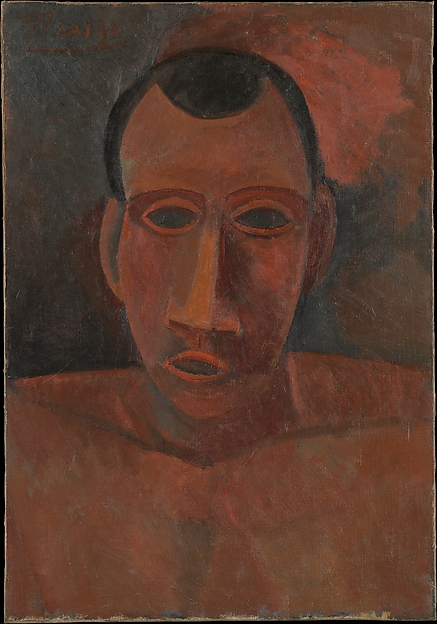
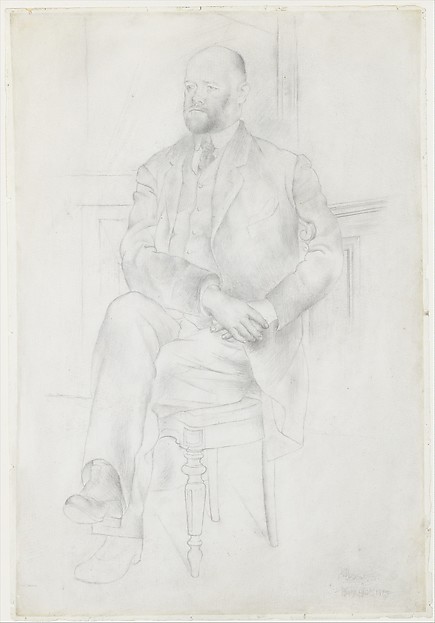
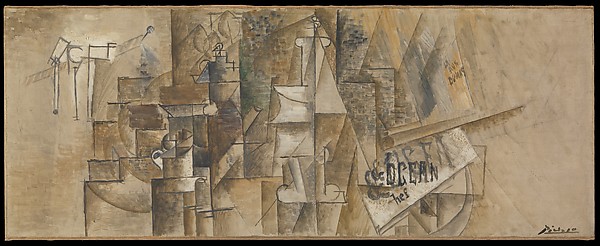
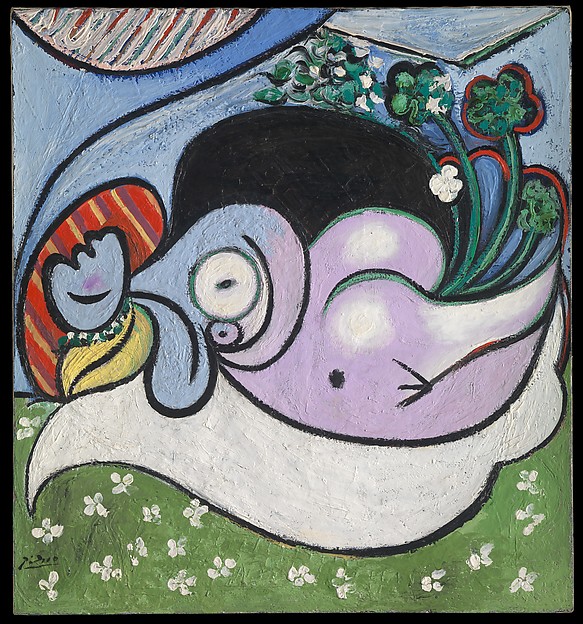
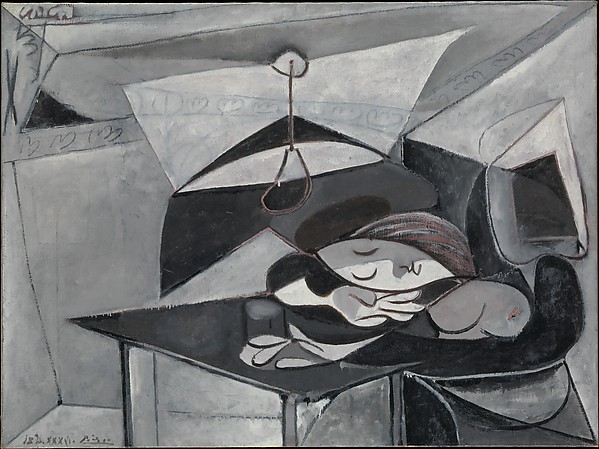
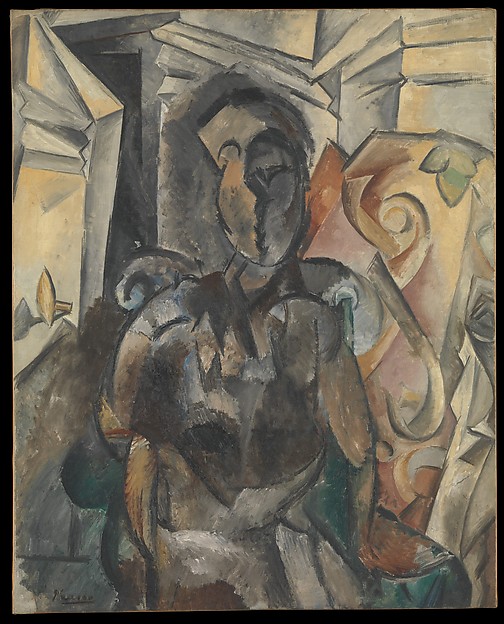
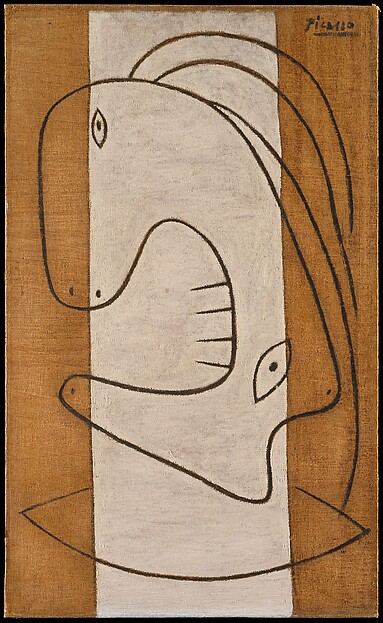
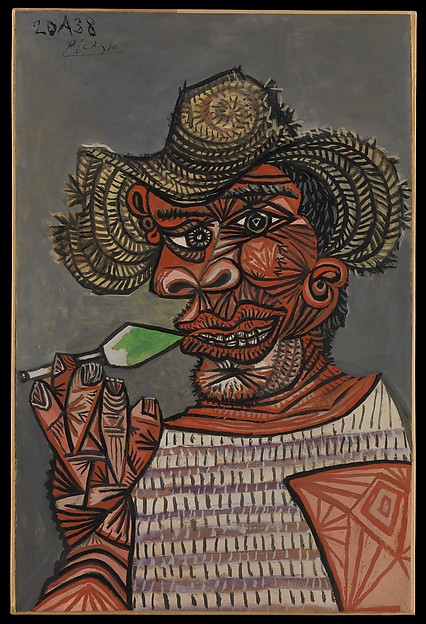
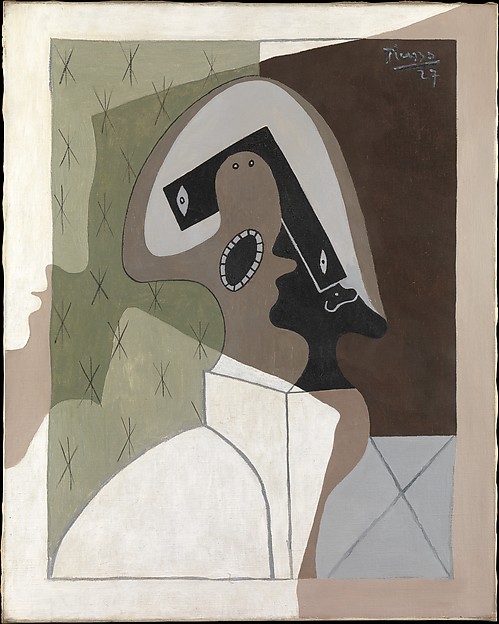
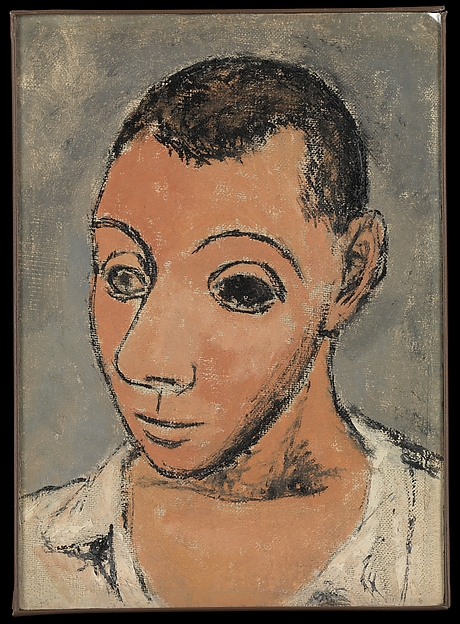
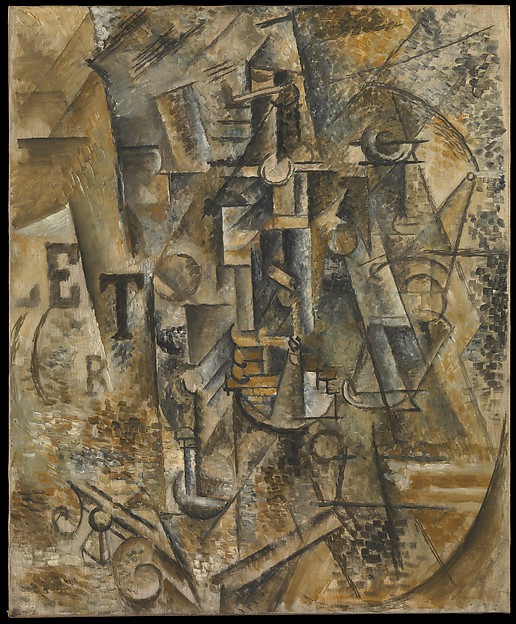
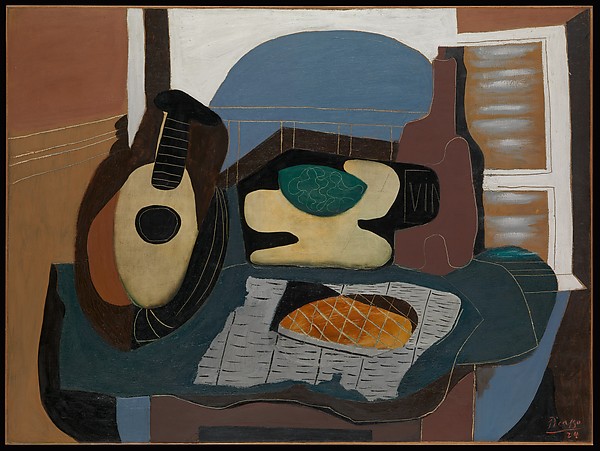
Pablo Picasso worked in various mediums, including painting, sculpture, printmaking, and ceramics. His subjects included portraits, nudes, and figures, and he also produced graphic art and history paintings. He was a key figure in the Cubist movement, but his work also touched on Post-impressionism and Surrealism. Picasso worked in many locations throughout his life, including Paris, Royan, Aix-en-Provence, Avignon, Antibes, Schoorl, A Coruña, Barcelona, and Madrid. His notable works include "Guernica" from 1937, "Les Demoiselles d'Avignon" from 1907, and "Three Musicians" from 1921. He also created "Science and Charity" in 1897 and "Garçon à la pipe" in 1905. The "Chicago Picasso" is a sculpture from 1967, and "Massacre in Korea" is a painting from 1951. Picasso's diverse output reflects his continuous exploration of different styles and forms.
Biography
Pablo Picasso was born in Málaga, Spain, on October 25, 1881. His father was José Ruiz Blasco, and his mother was Maria Picasso. He was a Spanish citizen and spoke Catalan, French, and Spanish. Picasso received his education at the Royal Academy of Fine Arts of San Fernando. He began his artistic career in Spain, working in places like A Coruña, Barcelona, and Madrid. He later moved to France, where he resided in places such as the Château of Vauvenargues, Mas Notre-Dame-de-Vie de Mougins, and rue des Grands-Augustins. He also worked in Paris, Royan, Aix-en-Provence, Avignon, and Antibes. He also worked in Schoorl. Picasso was a painter, sculptor, printmaker, choreographer, ceramicist, poster artist, illustrator, and photographer. He was a central figure in the Cubist movement, but his work also showed influences from Post-impressionism and Surrealism. His art included genres such as graphics, ceramic, figurative art, self-portraits, portraits, nudes, figures, and history painting. He also ventured into jewelry design. Throughout his career, Picasso was influenced by other artists, including Henri Rousseau, Paul Cézanne, and Maria Prymachenko, as well as by African sculpture. Some of his most recognized works include "Guernica" (1937), "Les Demoiselles d'Avignon" (1907), and "Three Musicians" (1921). He also created "Science and Charity" (1897), "Garçon à la pipe" (1905), "Chicago Picasso" (1967), and "Massacre in Korea" (1951). Pablo Picasso died of natural causes, specifically pulmonary edema and heart failure, on April 8, 1973, in Mas Notre-Dame-de-Vie de Mougins, Mougins.
Works