19 January 1839 – 22 October 1906 · Aix-en-Provence
Paul Cézanne
Work
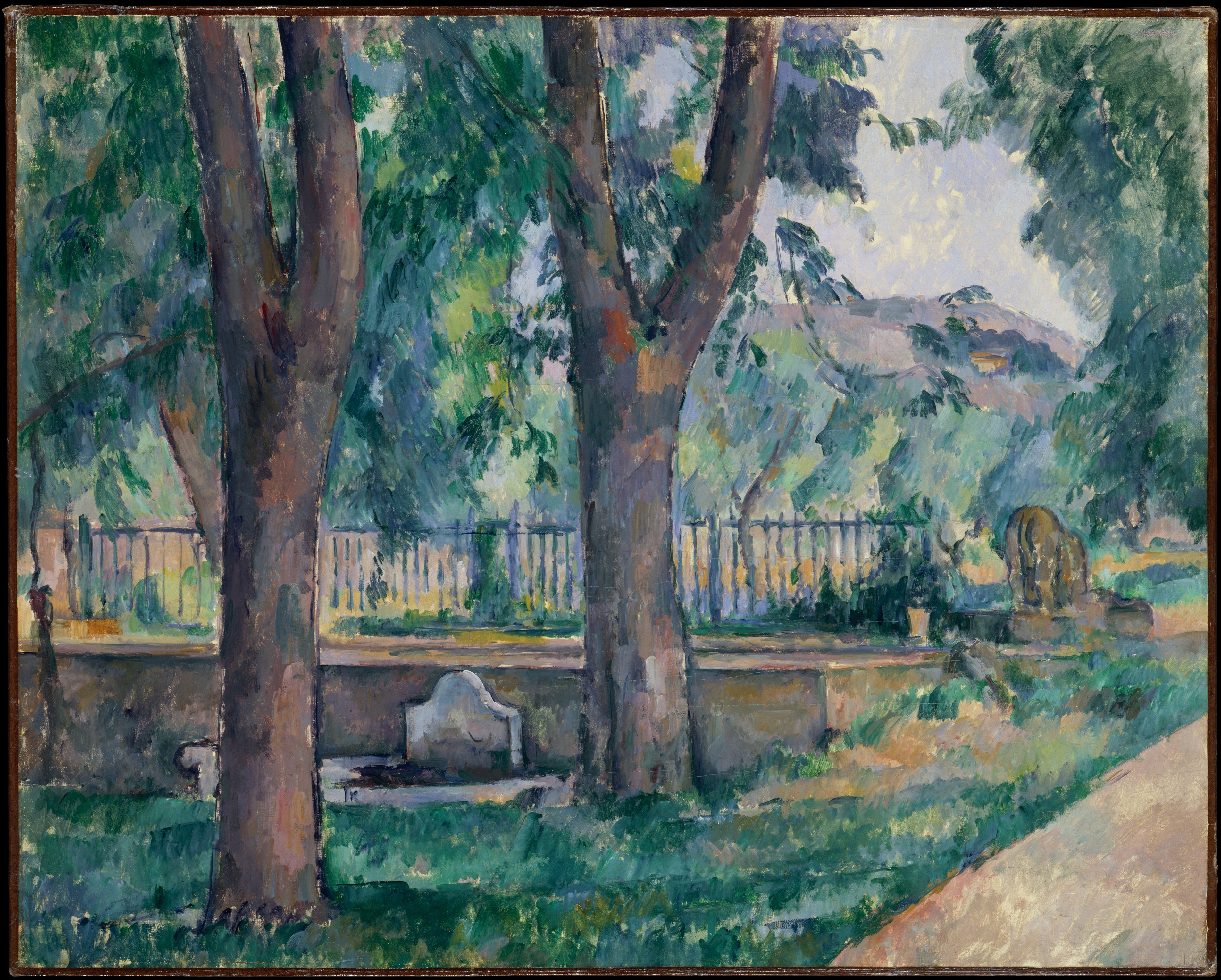
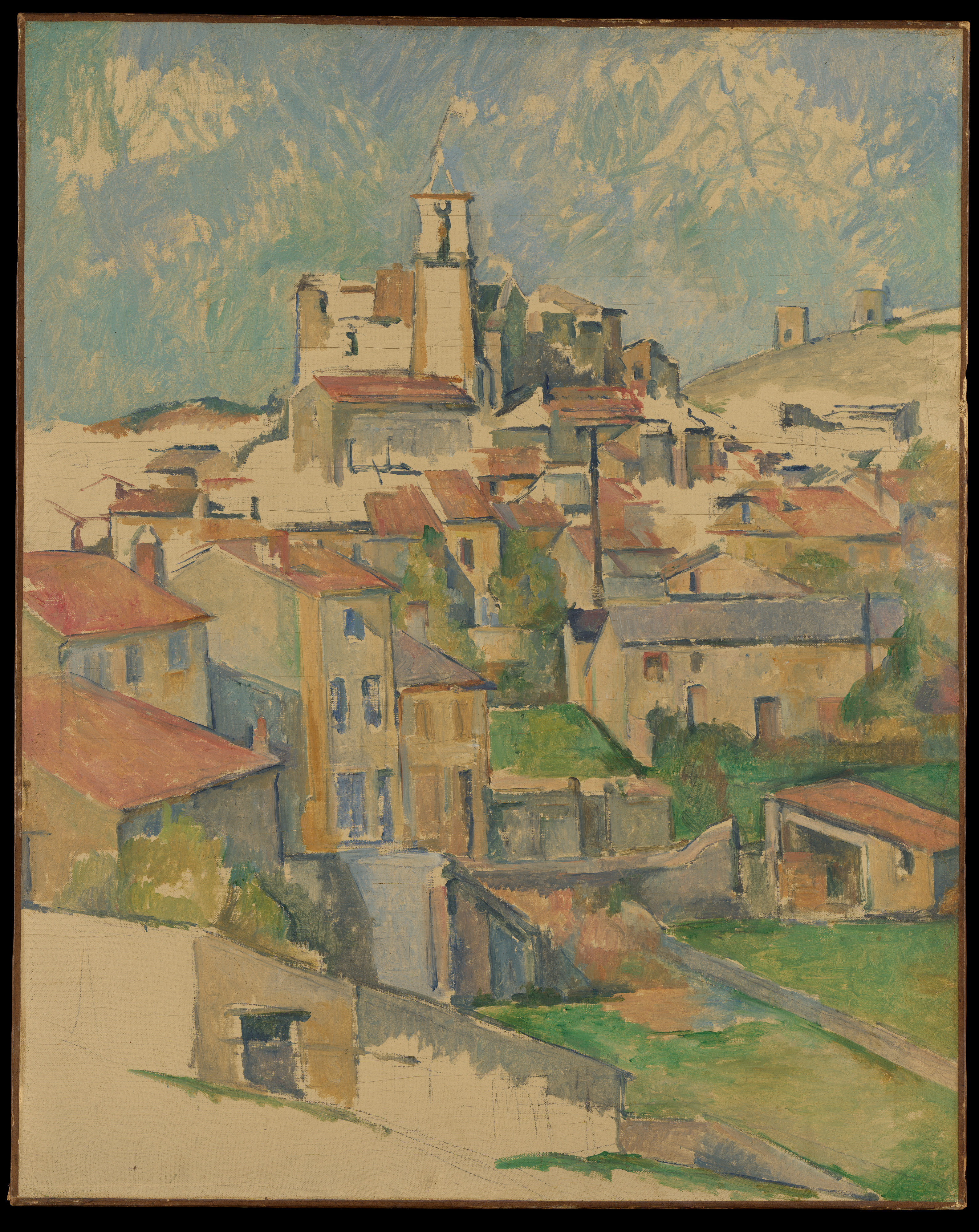
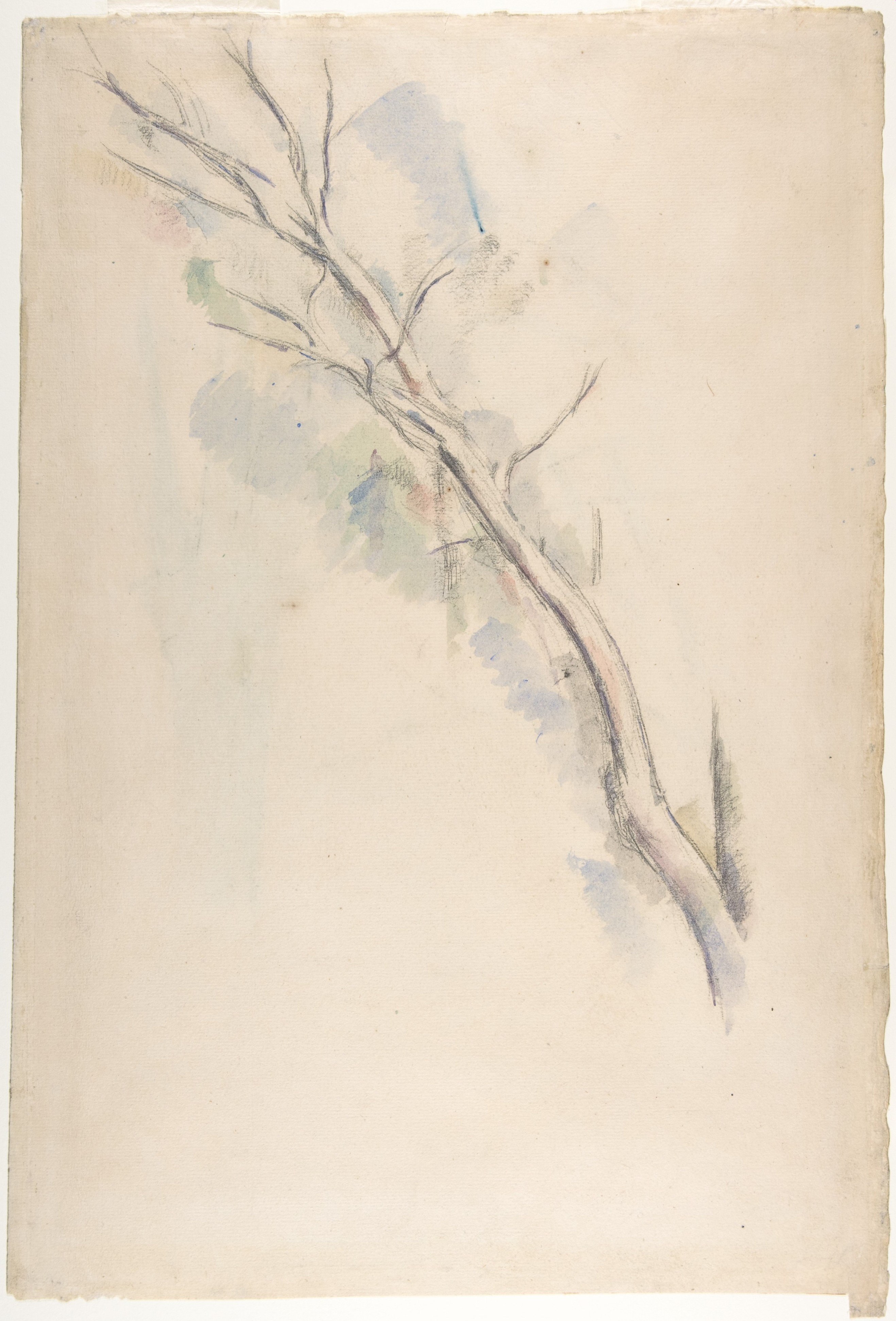
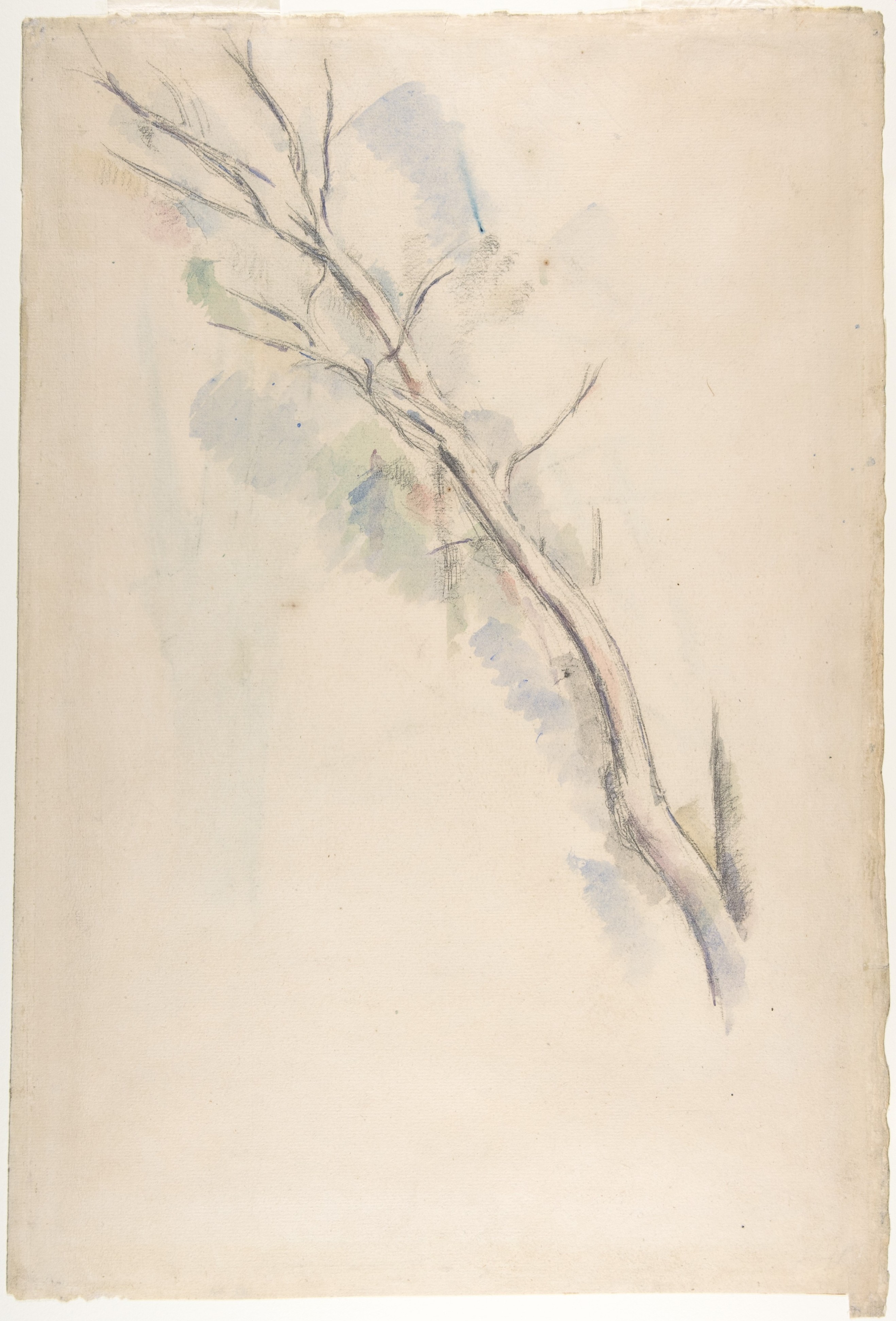
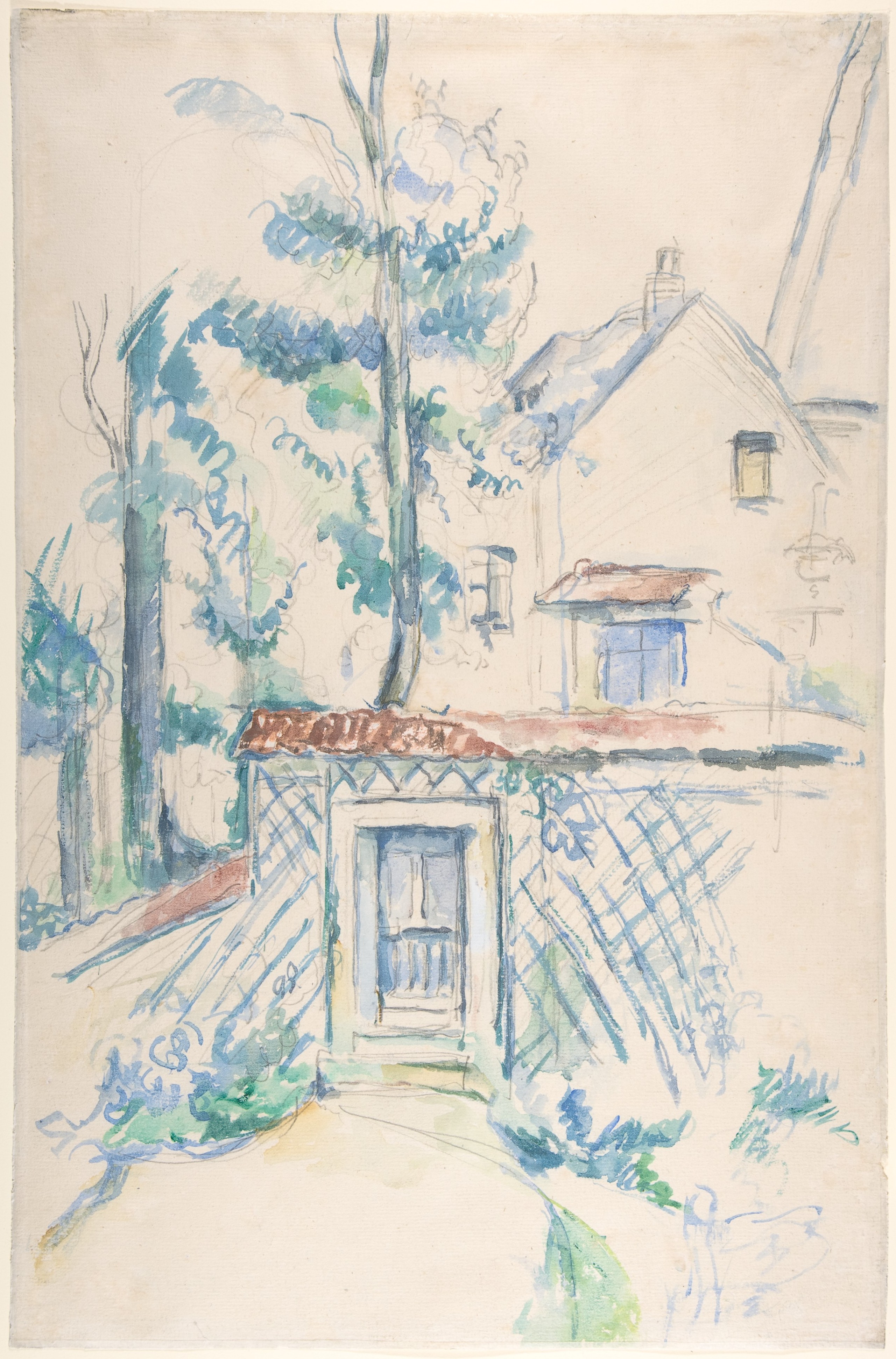
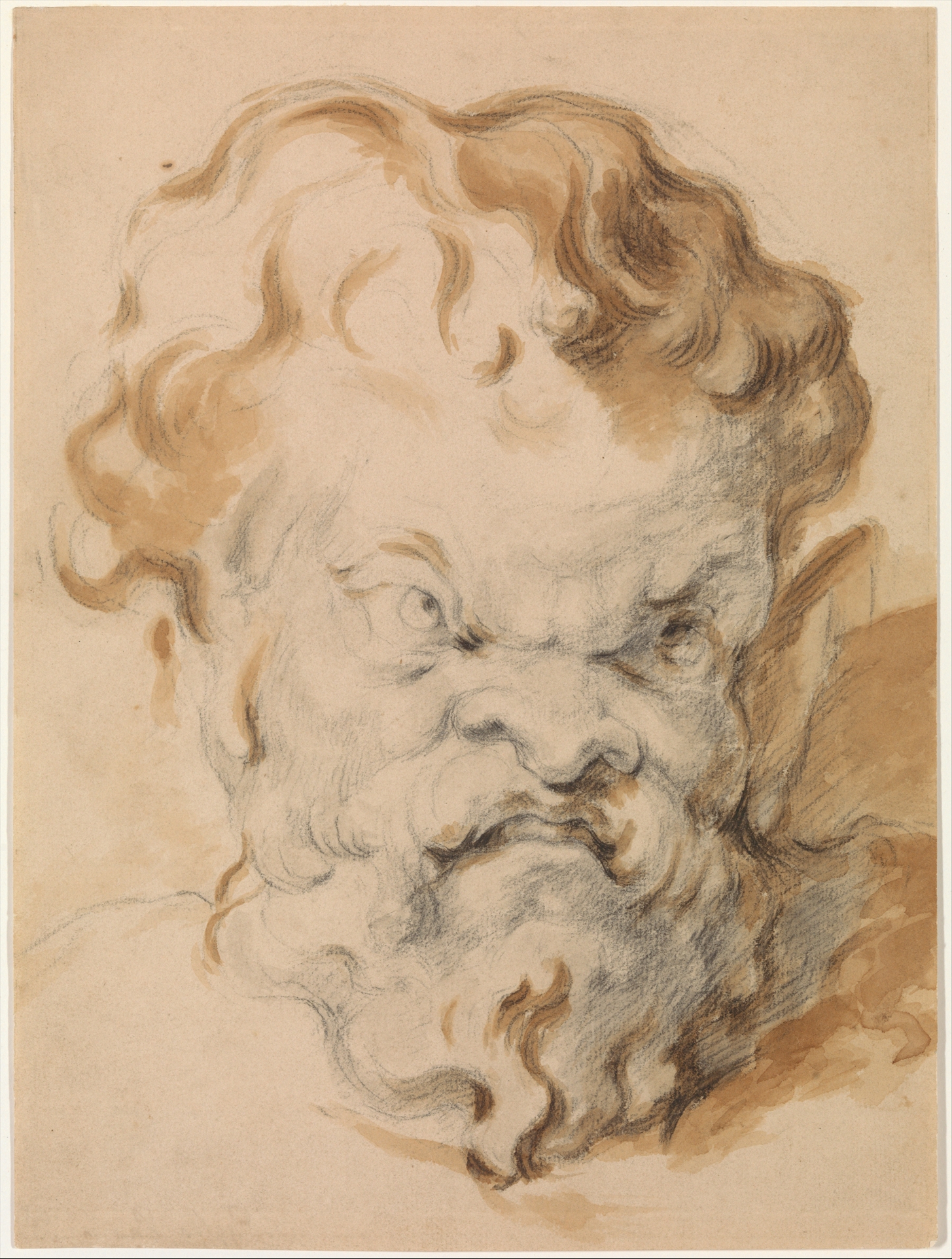
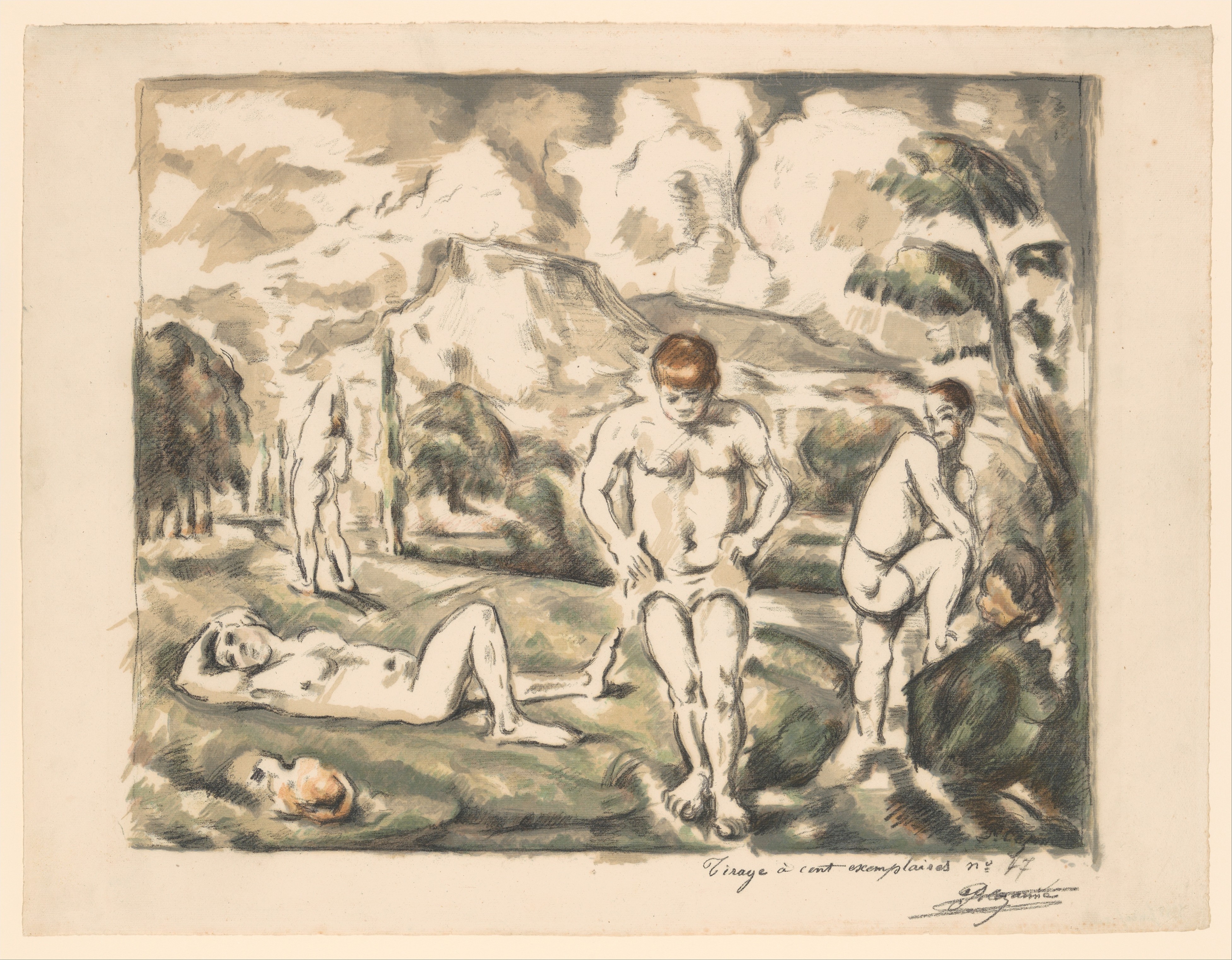
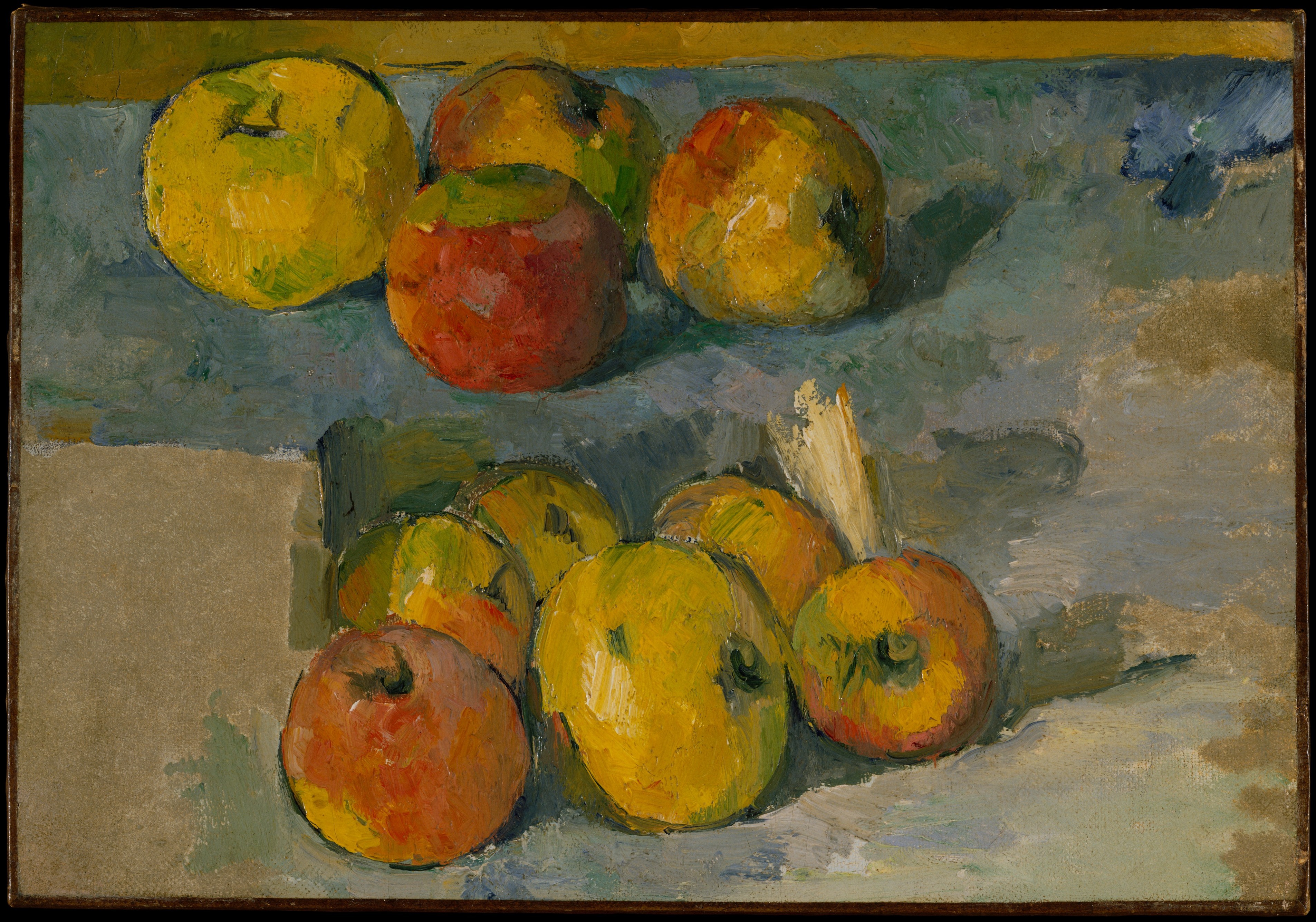
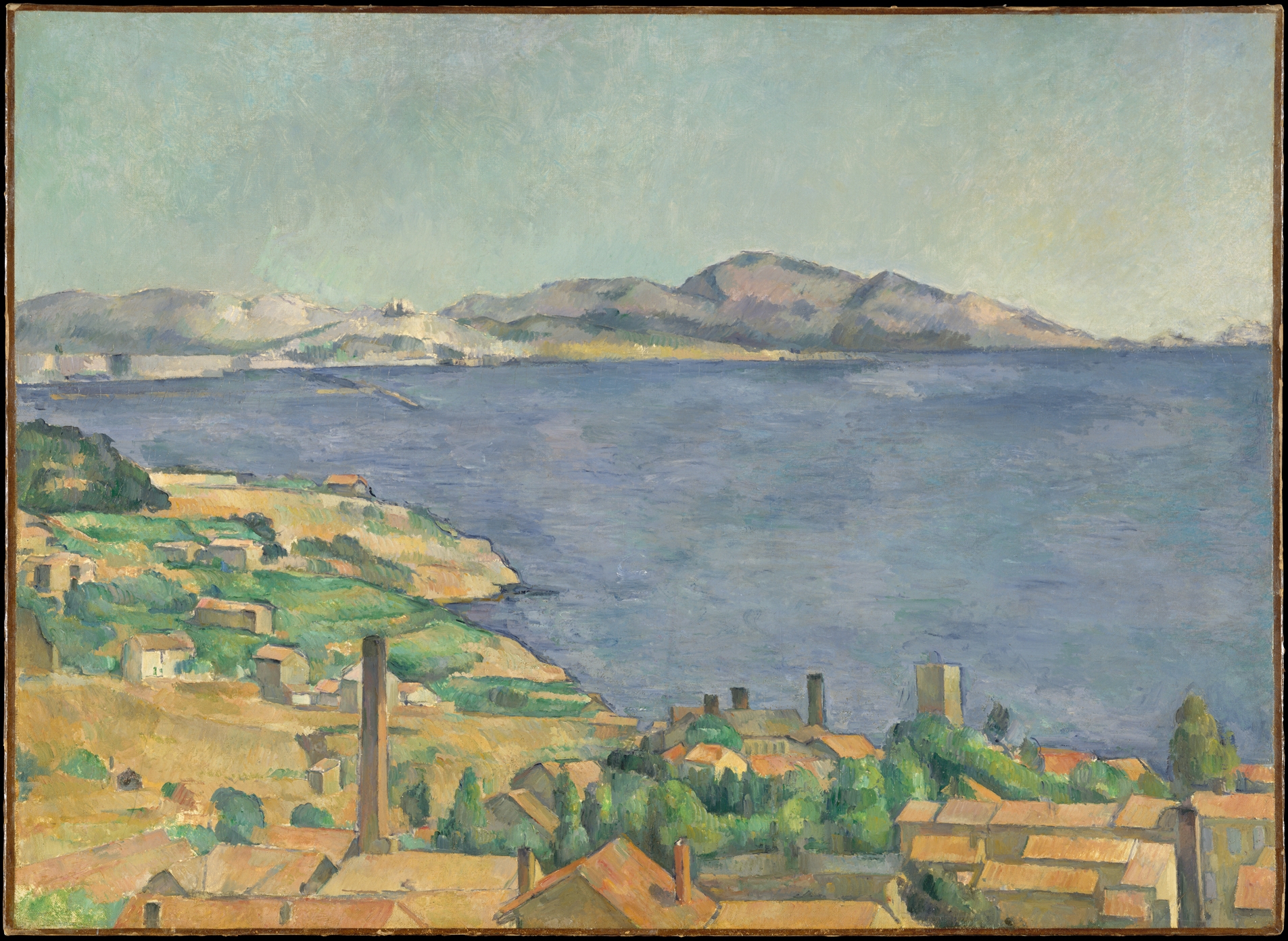
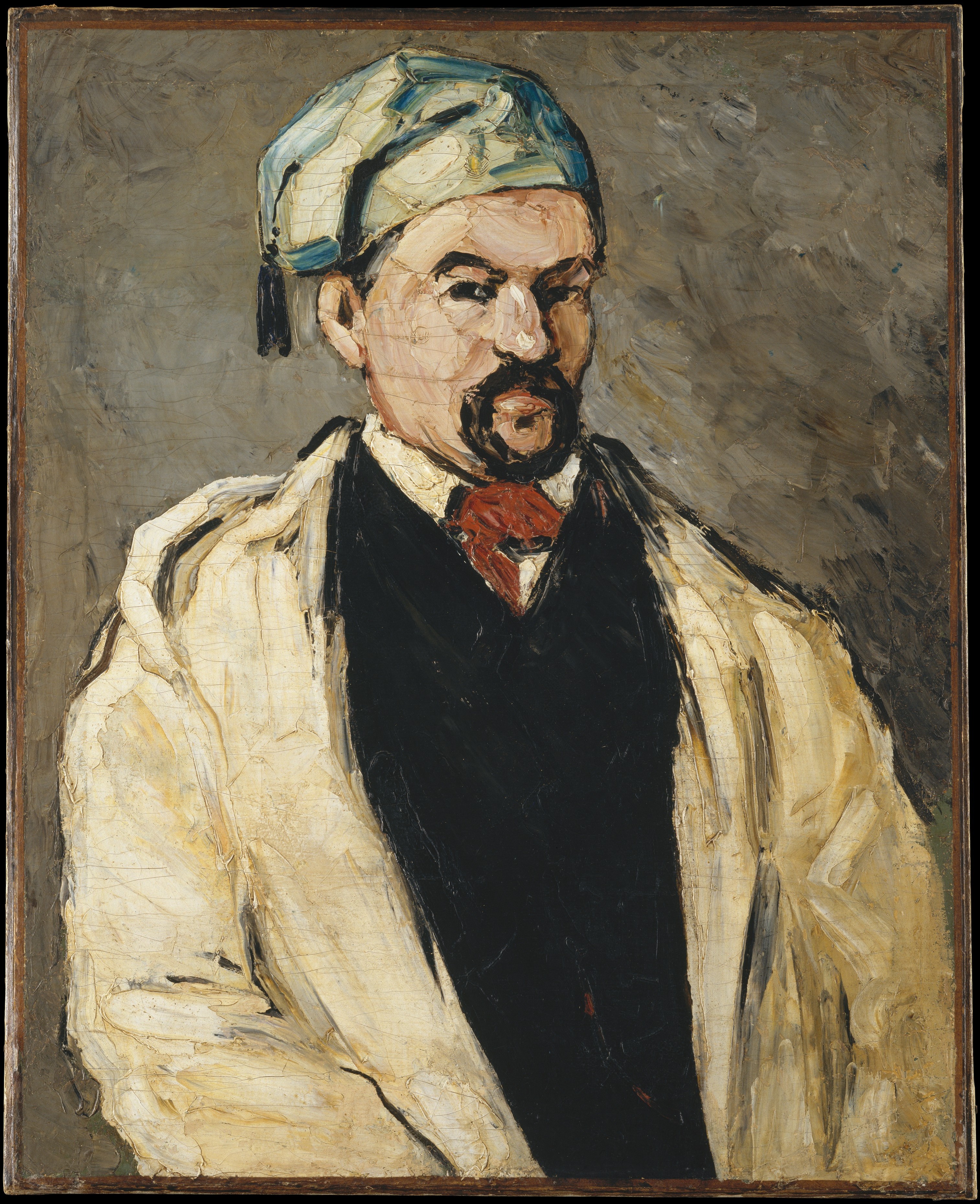
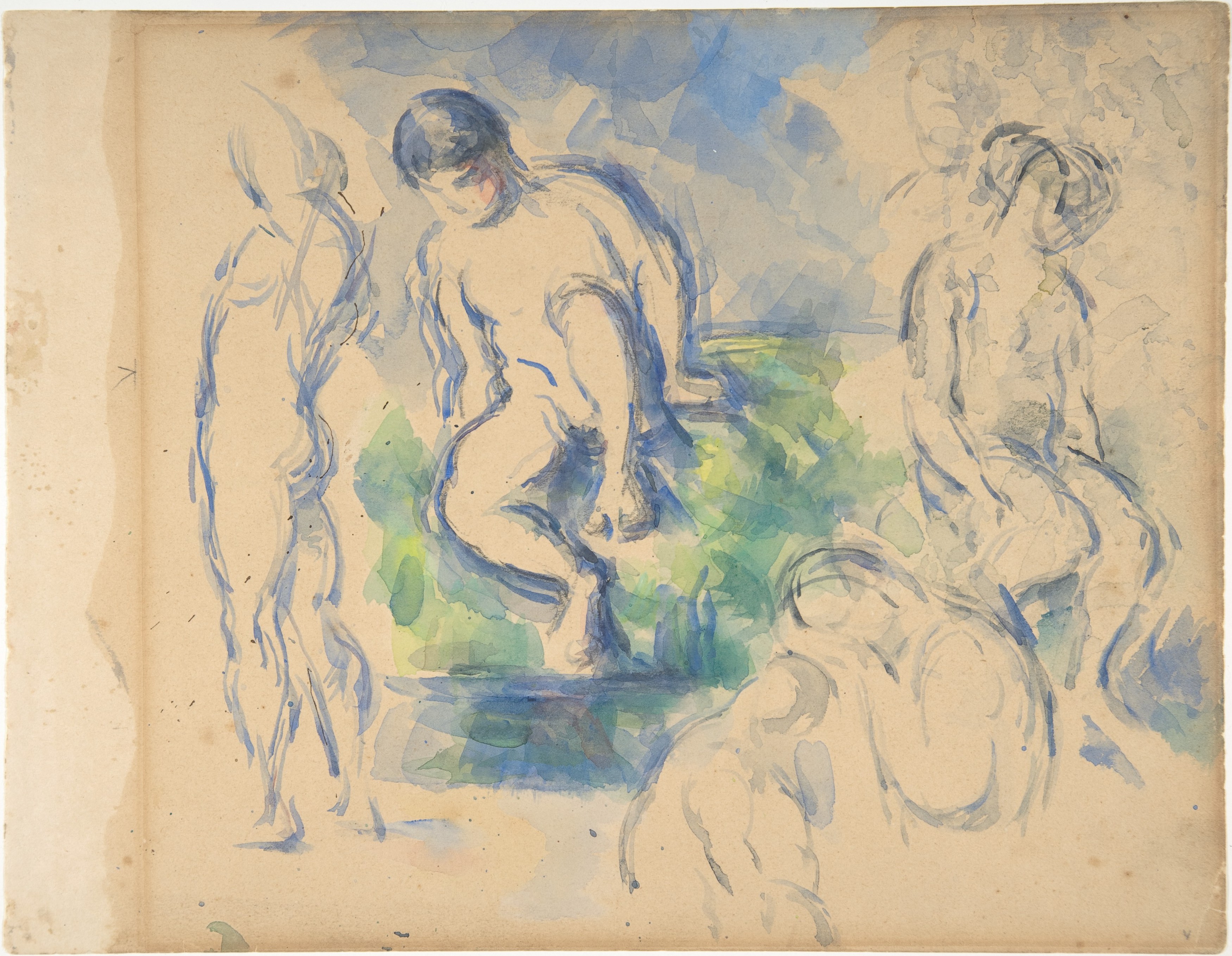
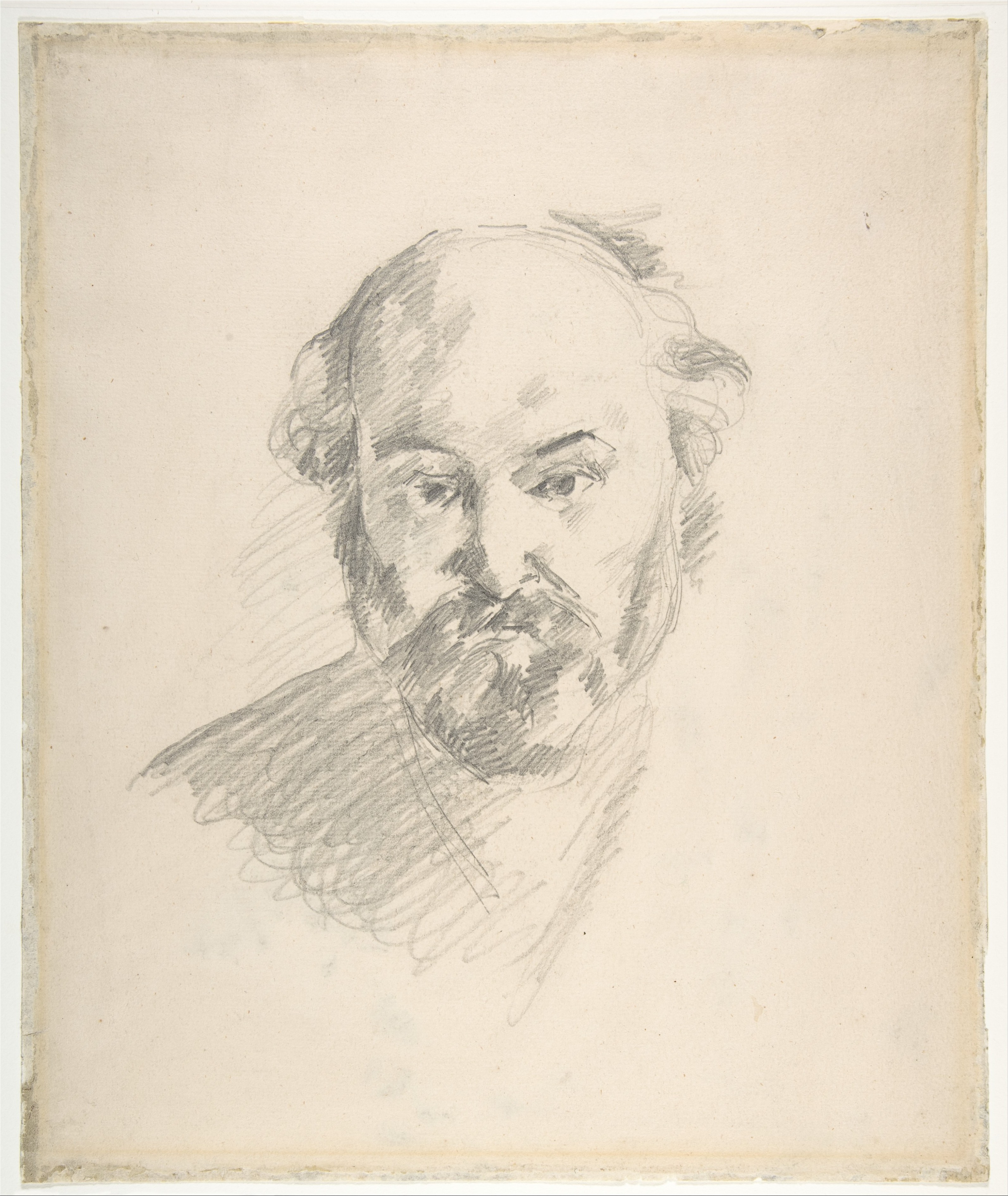
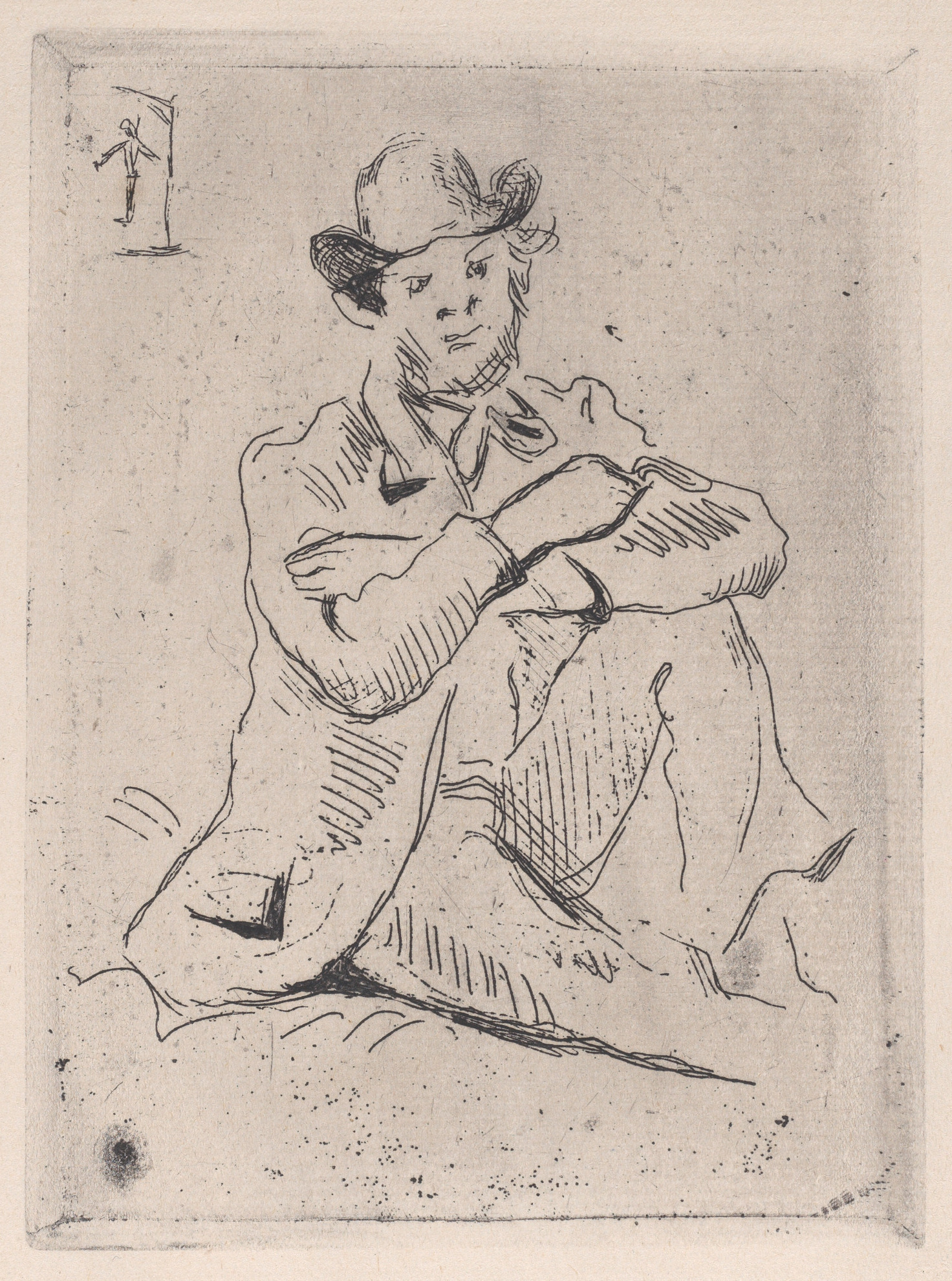
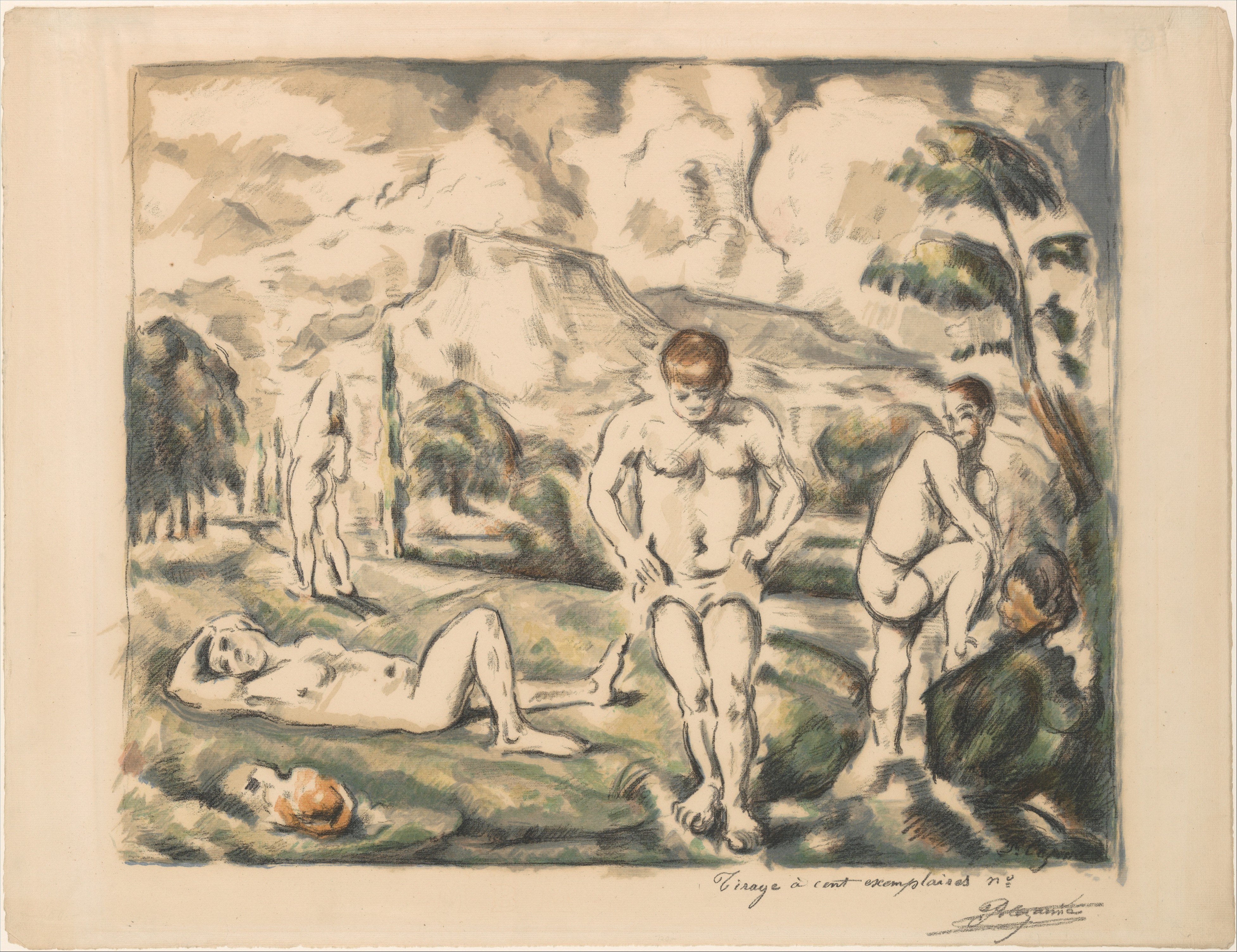
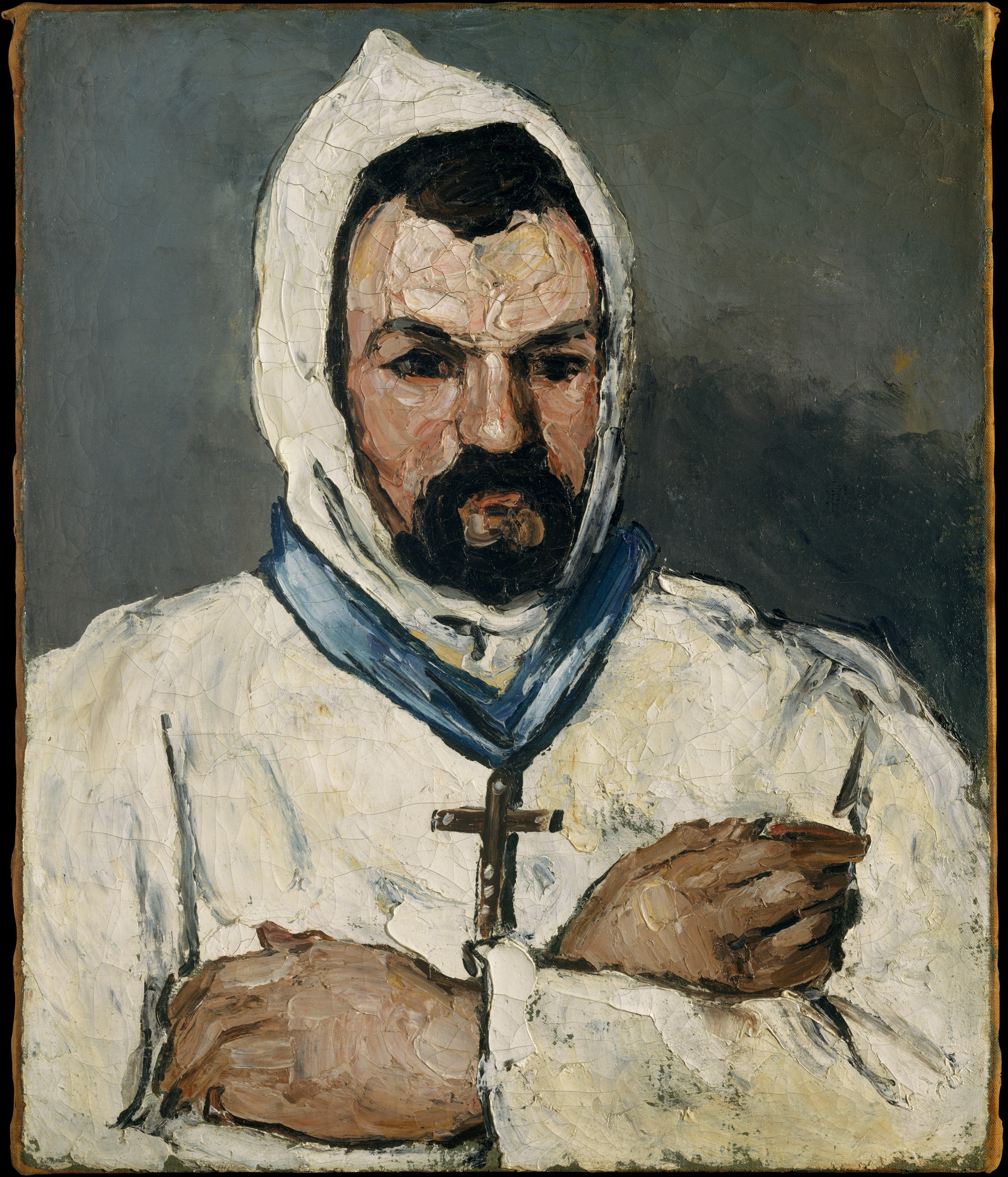
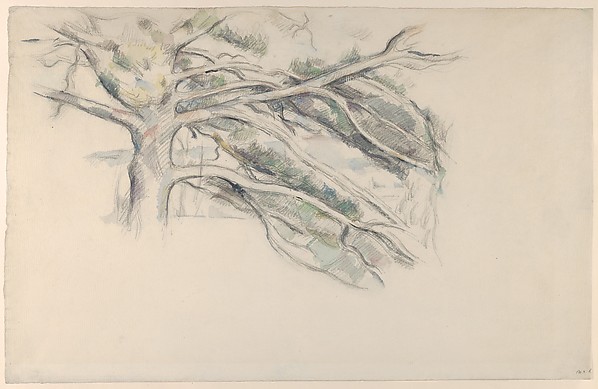
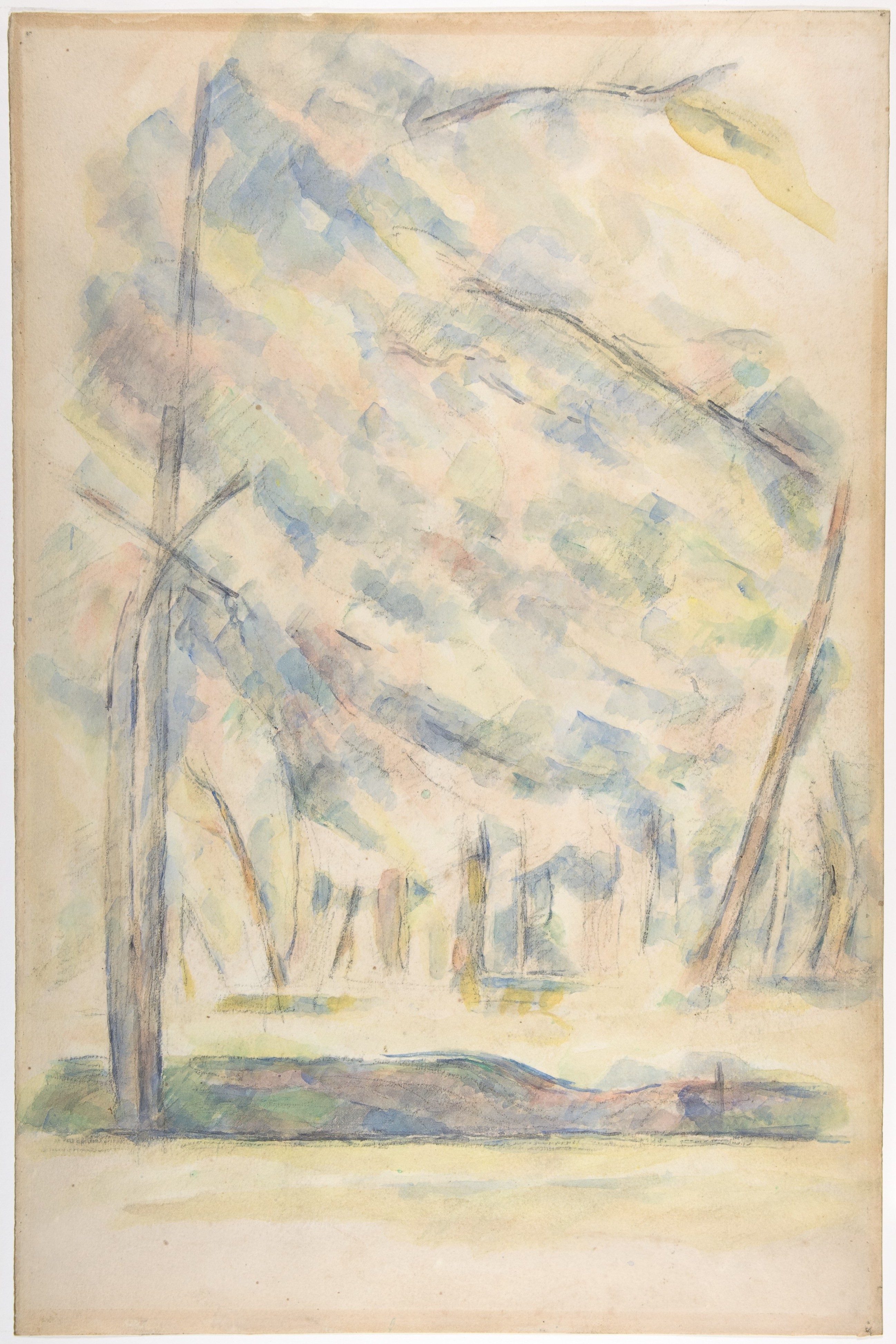
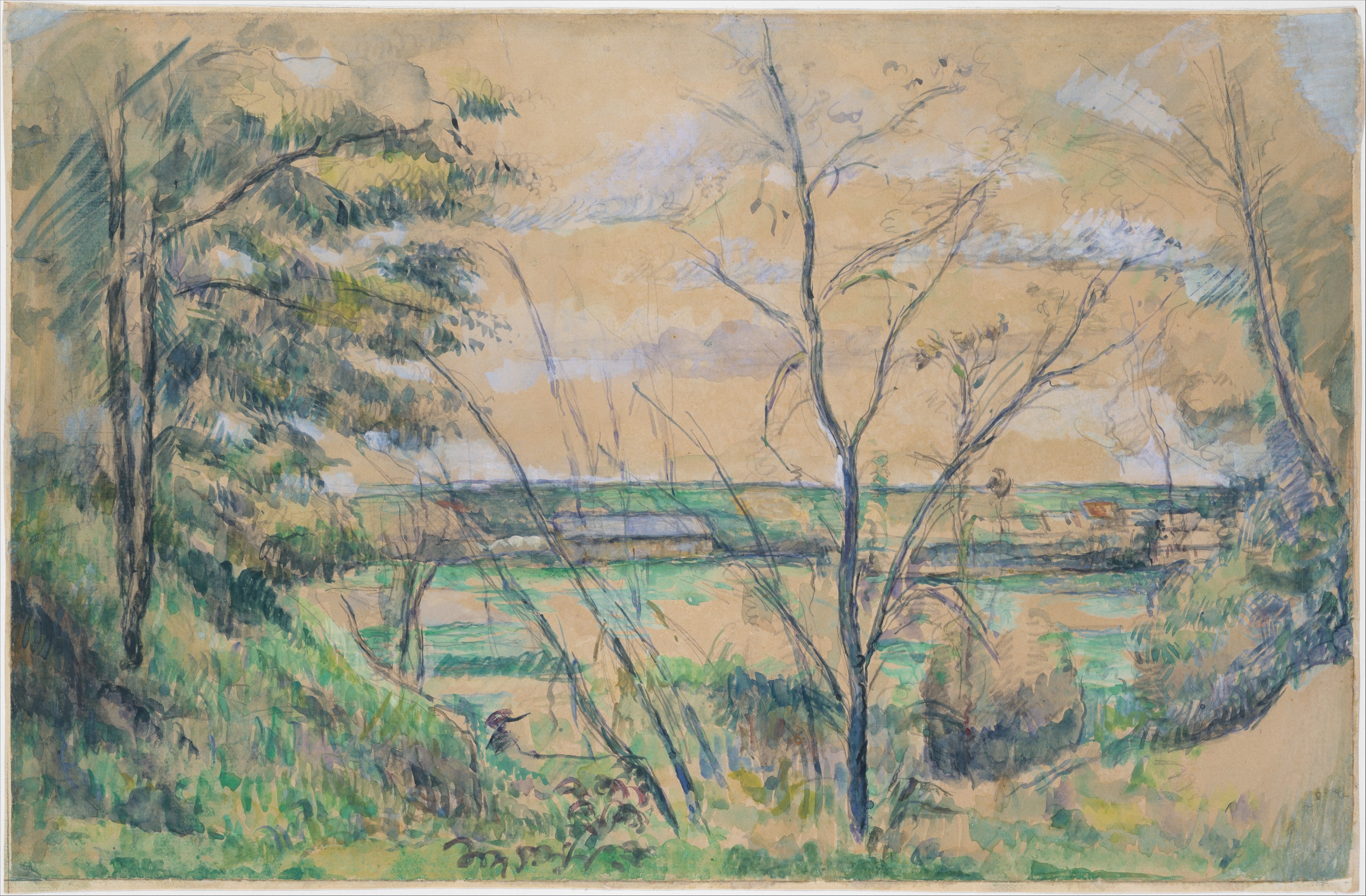
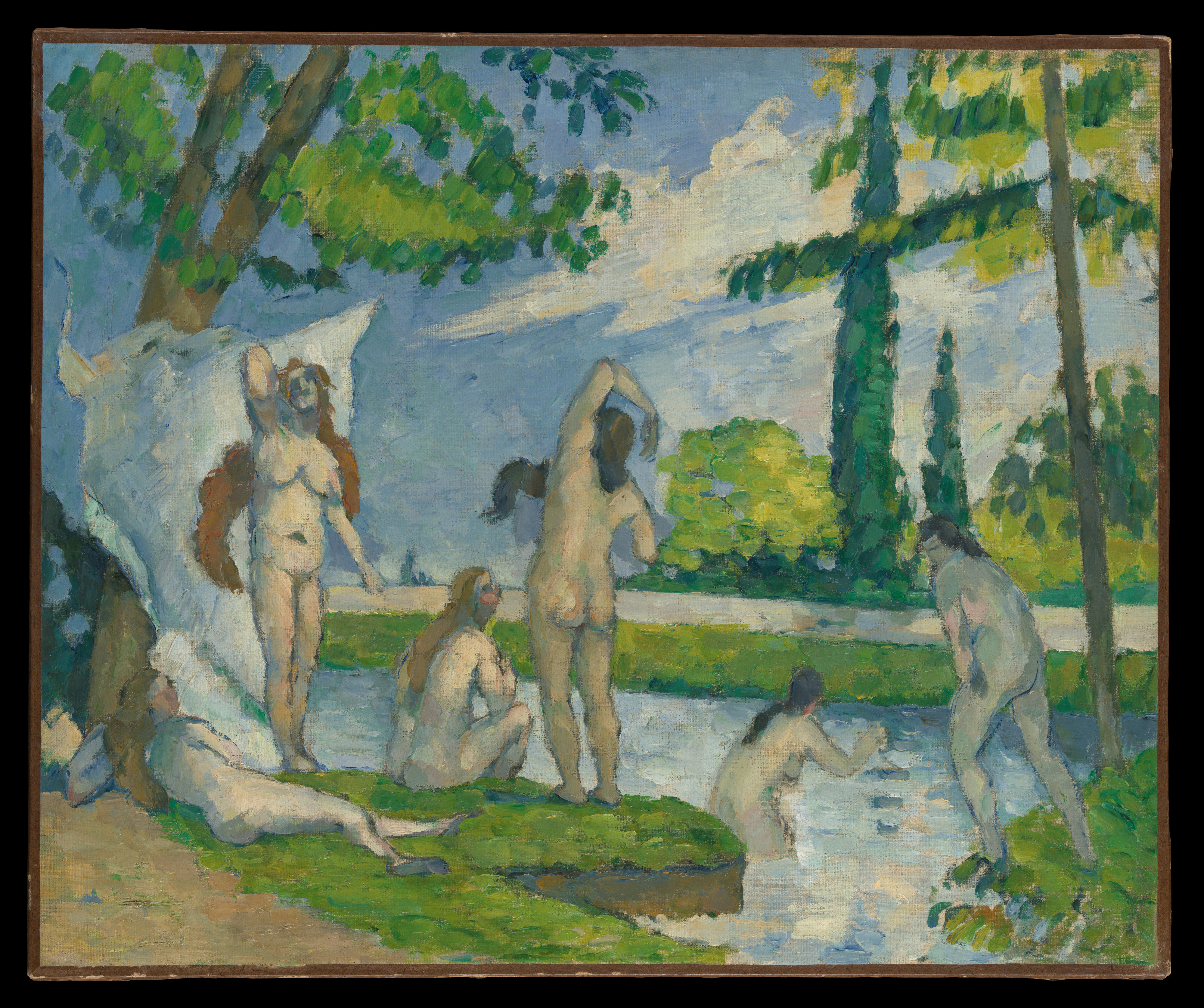
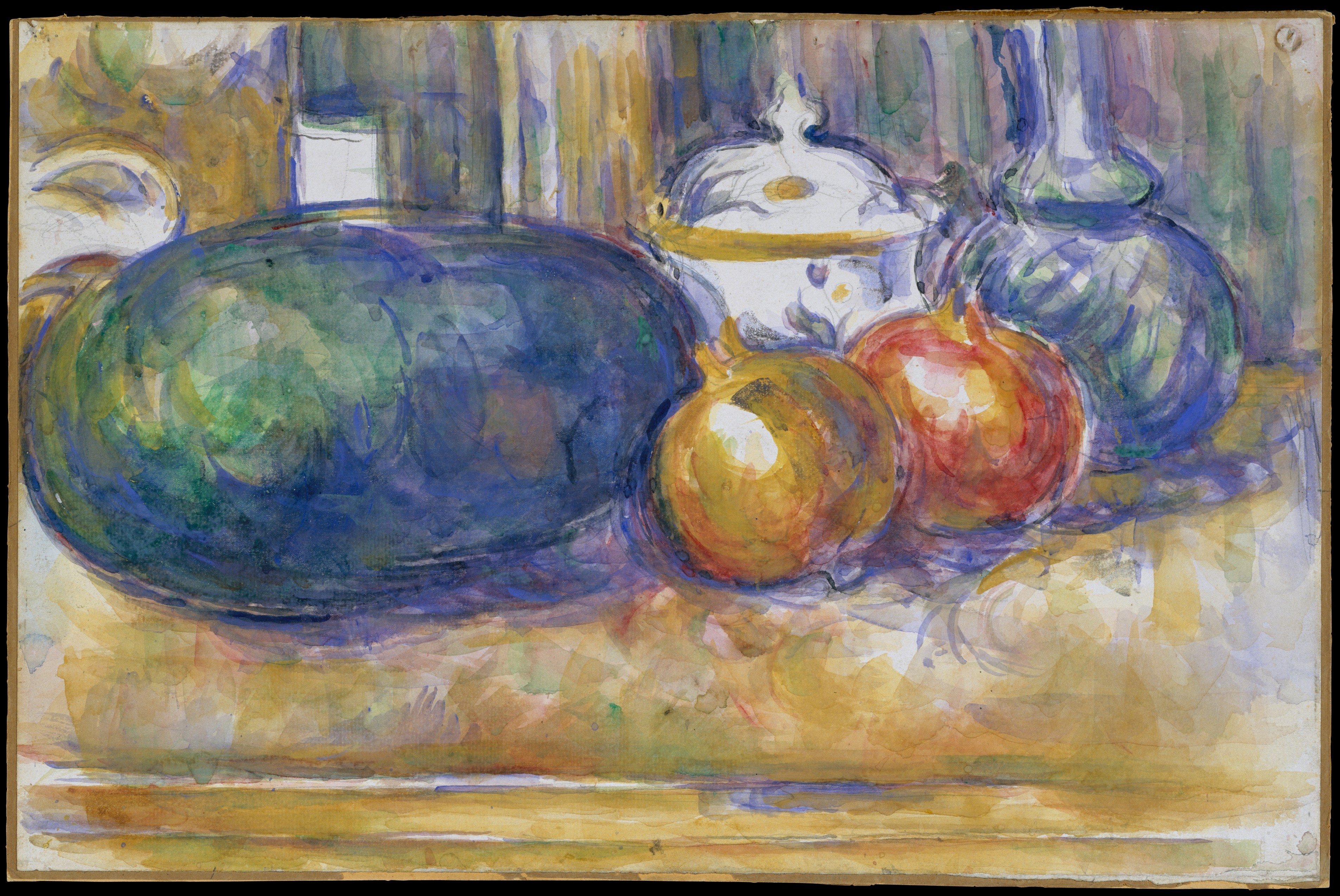
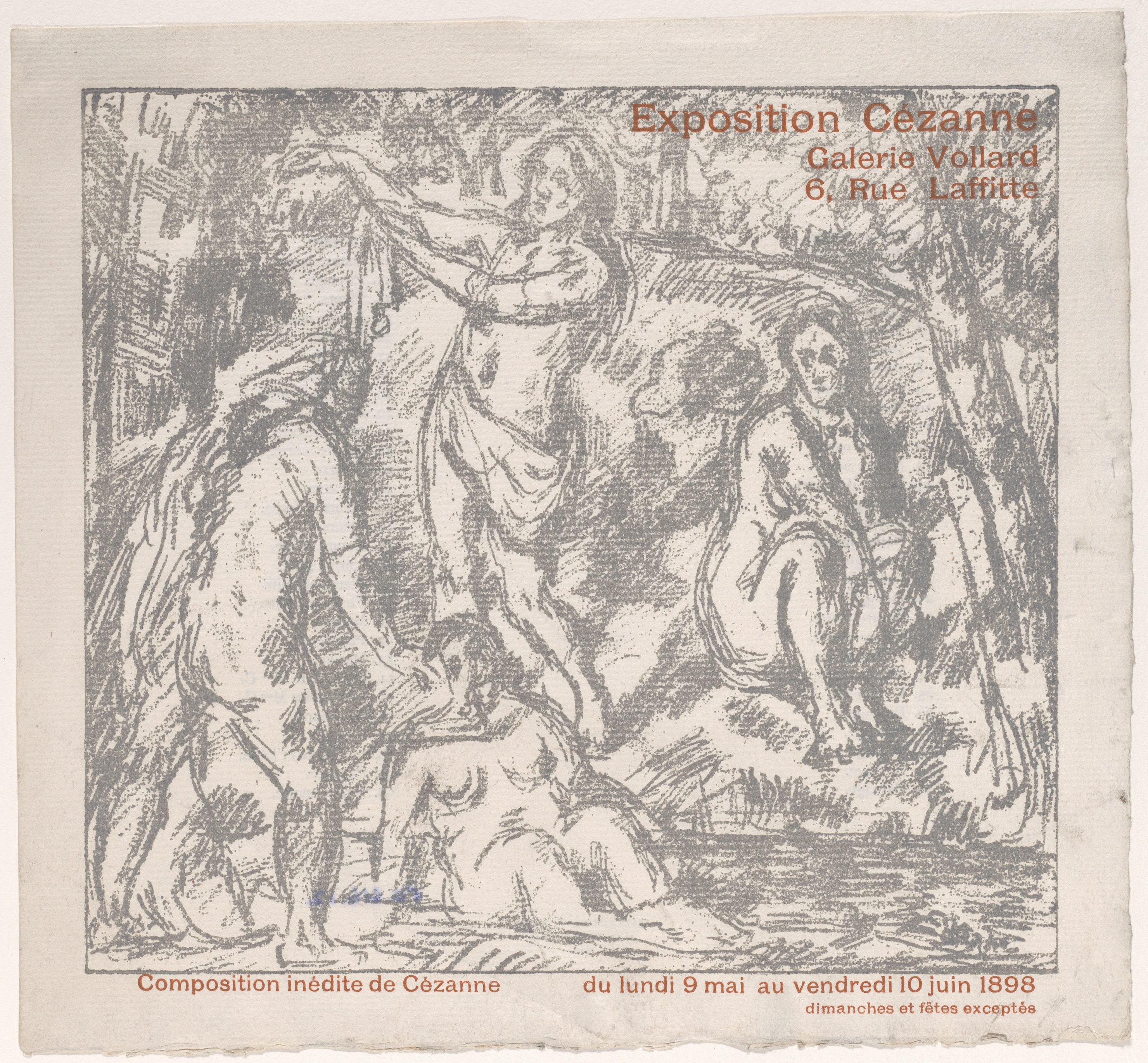
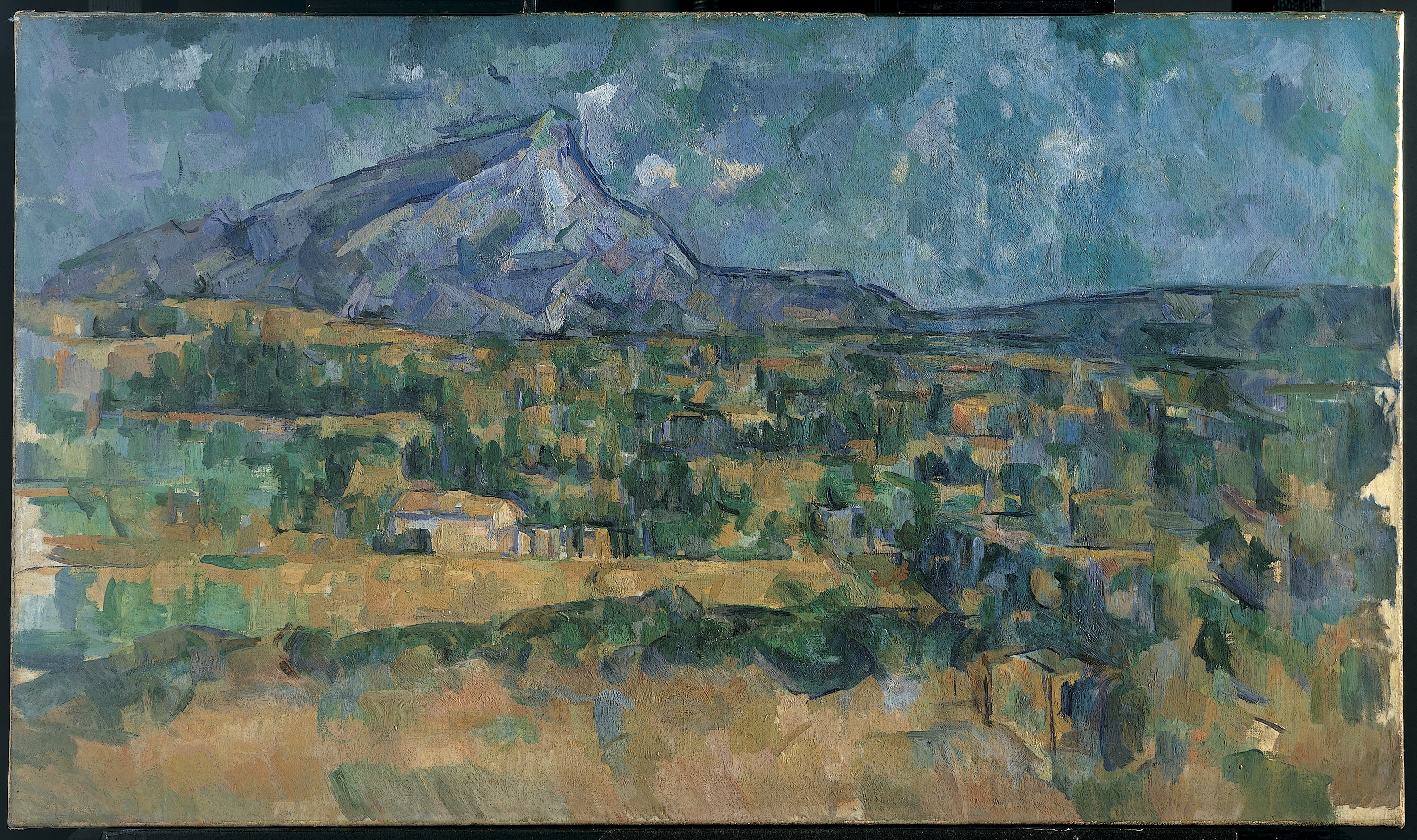
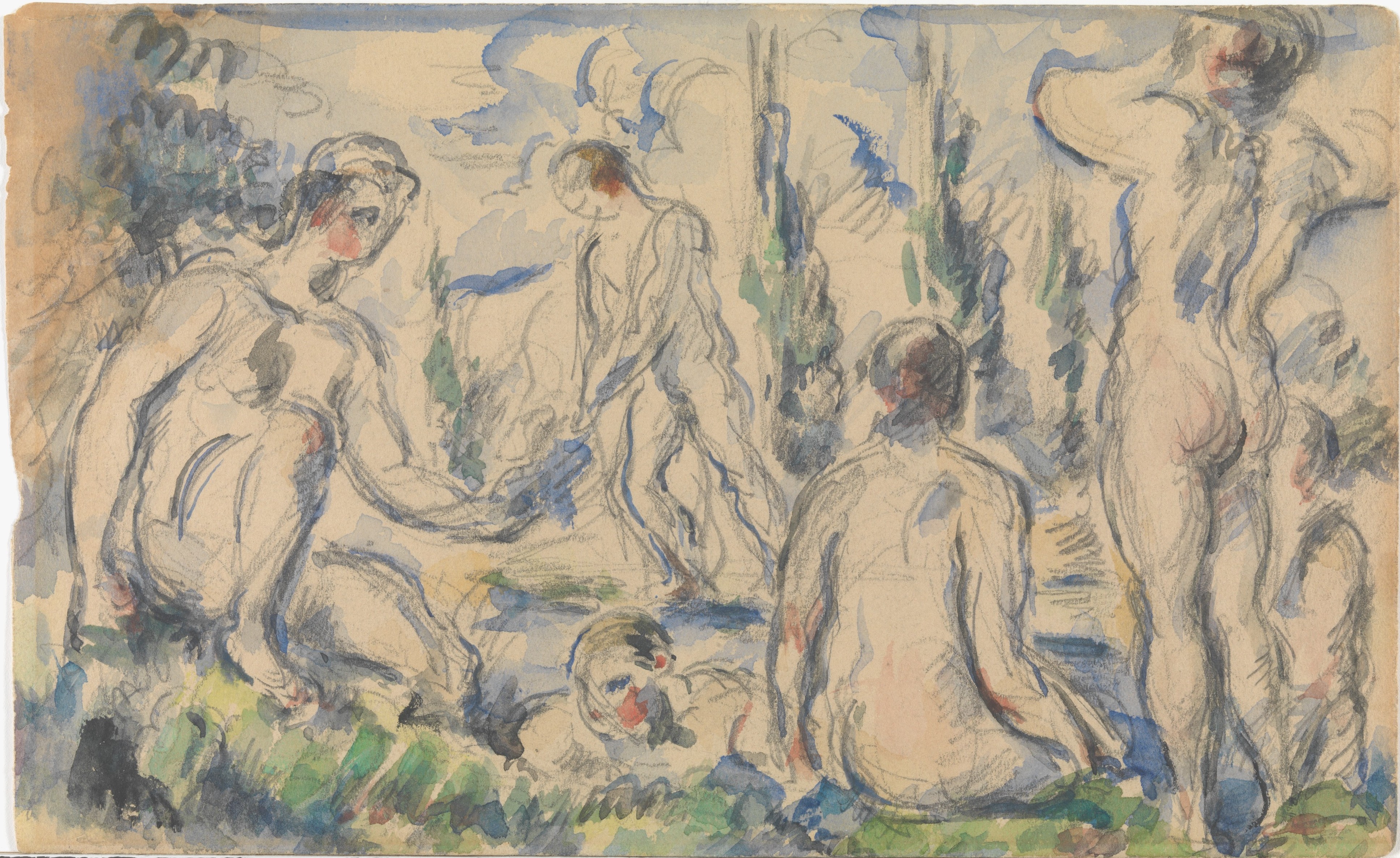
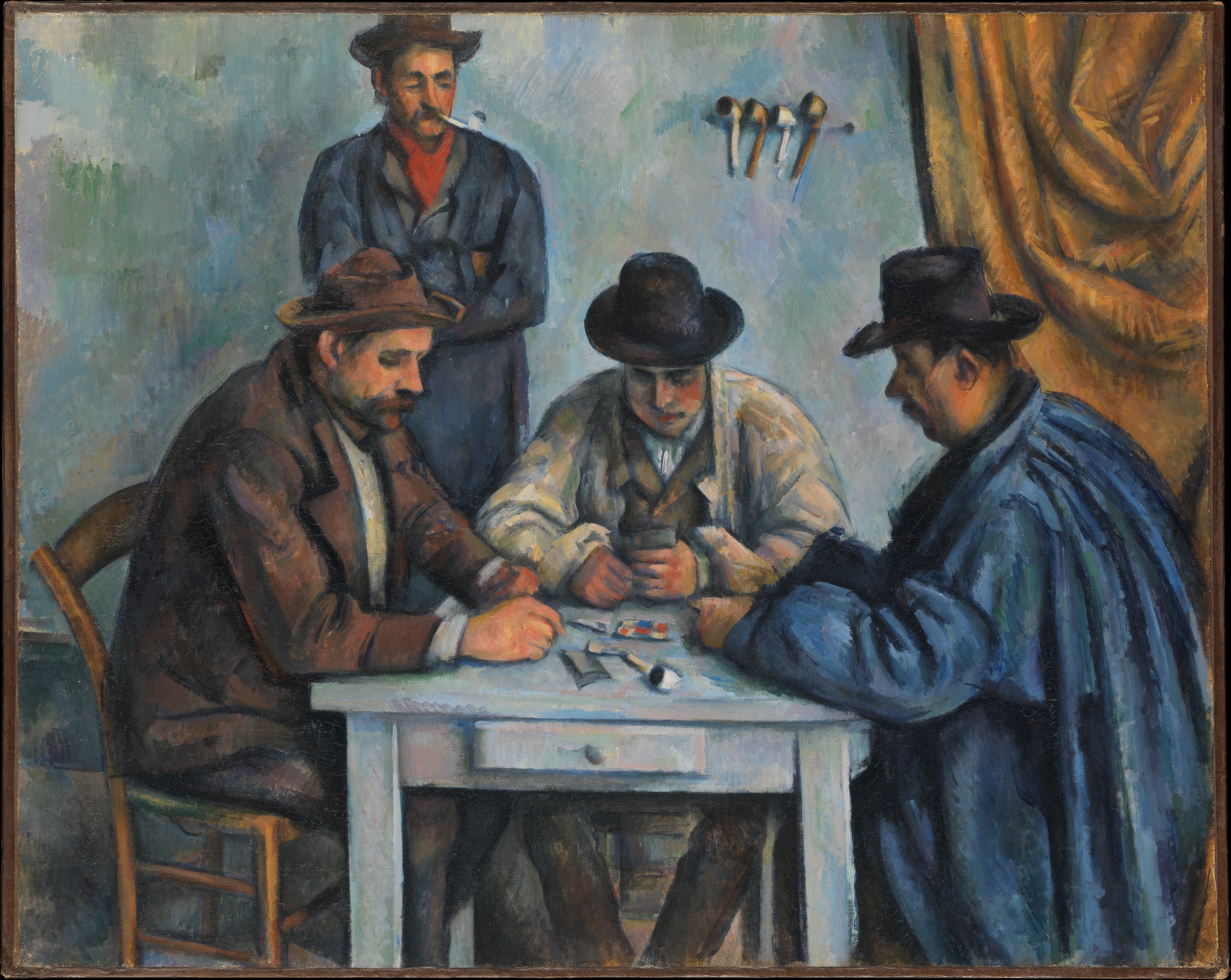
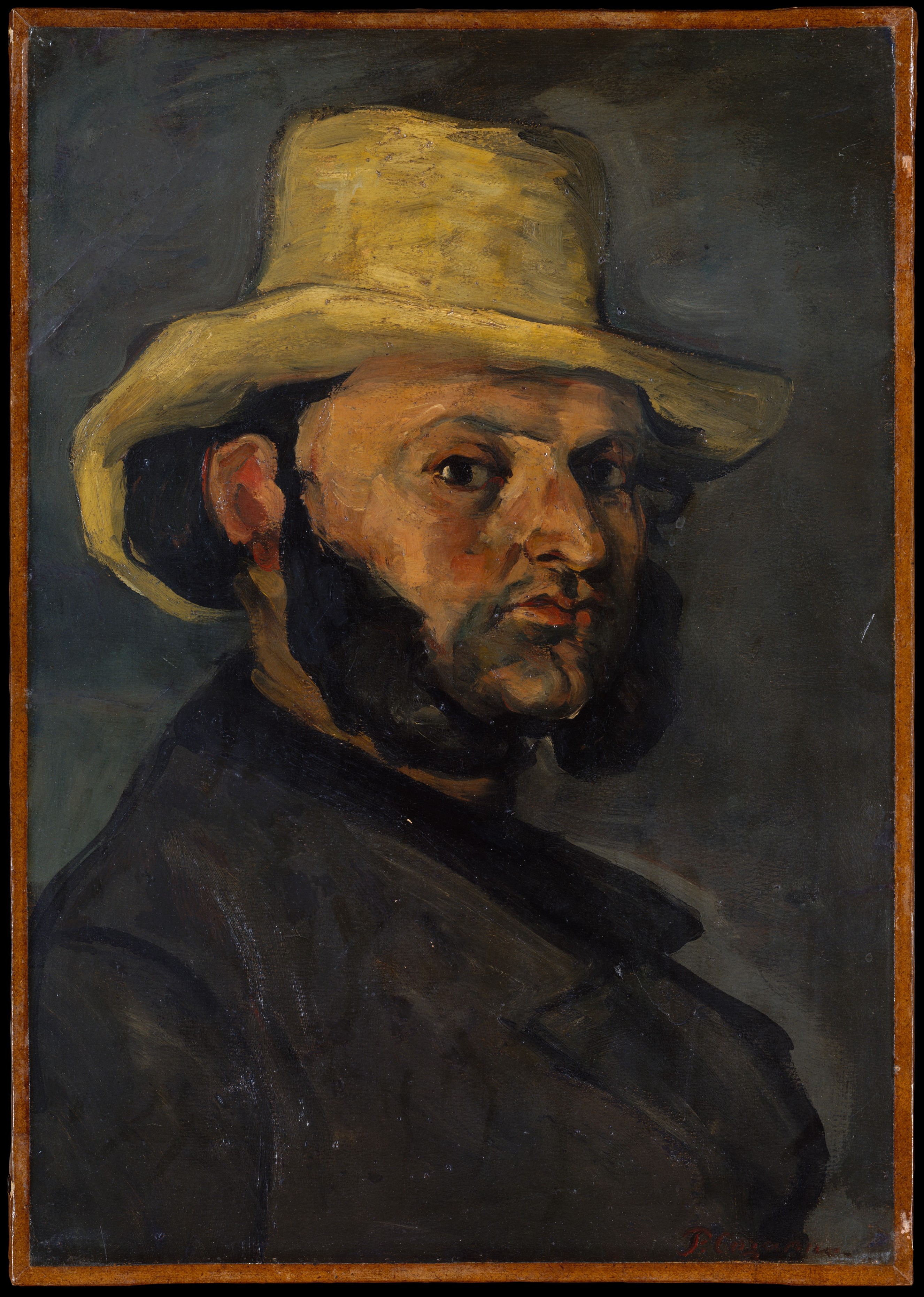
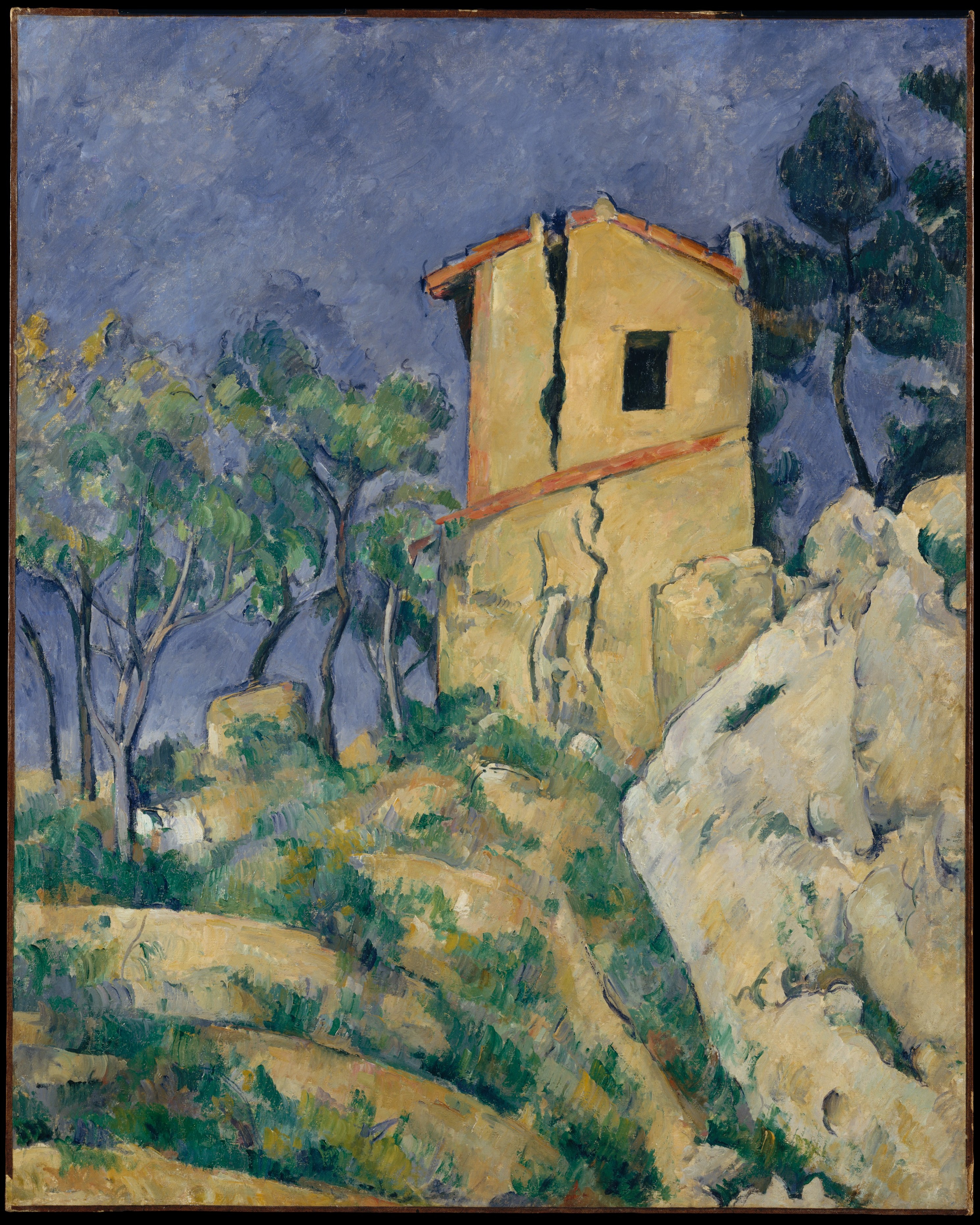
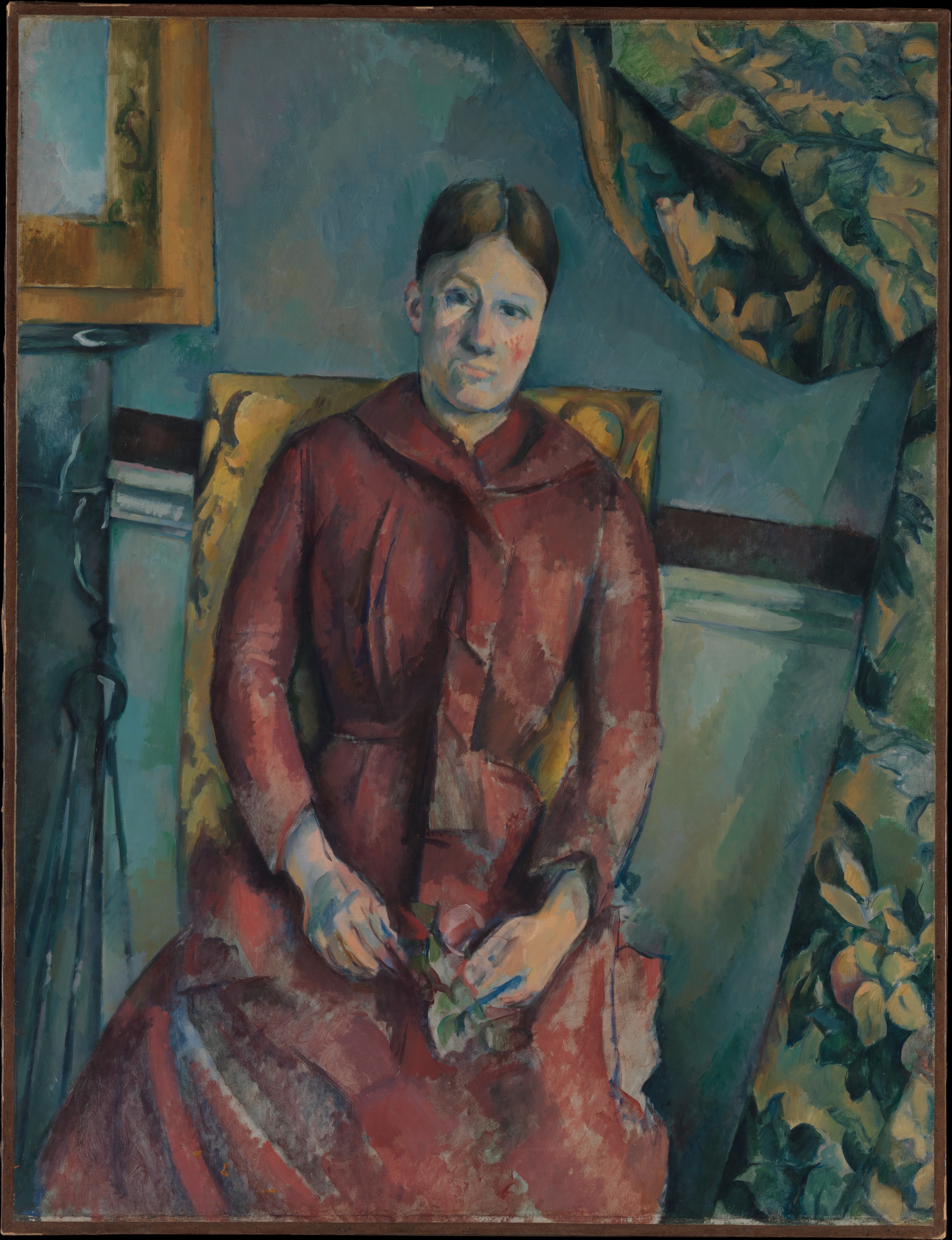
Paul Cézanne worked with various materials, including graphite, watercolor, and washes. His subjects included bathers, trees, landscapes, and portraits. Among his drawings are "Studies of a tree (recto and verso)" from 1875, which uses graphite with green, blue, and yellow washes on the recto, and graphite with green, blue, and purple washes on the verso. The sheet measures 19 3/4 x 13 3/4 inches. "Portrait of the Artist (recto); Fragment of a Landscape Study (verso)" from 1875 is a graphite drawing measuring 13 7/16 x 11 3/16 inches. He also created several works featuring bathers, such as "Baigneurs (Bathers)" from 1887, and "Bathers (recto); Still Life (verso)" from 1885, which is a watercolor over graphite on the recto and watercolor on the verso, measuring 8 5/16 x 10 11/16 inches. Another work is "Les Baigneurs, grande planche (Large Bathers)" from 1896, and a different "Baigneurs (Bathers)" from 1897.
Biography
Paul Cézanne was born in Aix-en-Provence, France, on January 19, 1839. His father was Louis-Auguste Cézanne, and his mother was Anne Elisabeth Aubert. He received his education at Académie Suisse. He was a painter, printmaker, lithographer, and draftsperson, associated with Post-impressionism. His work included still life, genre painting, landscape painting, and portraits. Cézanne worked in various locations throughout his life, including Diller, Auvers-sur-Oise, Chantilly, Giverny, Marseille, Paris, Pontoise, Fontainebleau, Aix-en-Provence, Switzerland, and Louveciennes. He also resided in Gardanne and on quai d'Anjou. His work was influenced by Eugène Delacroix and Gustave Courbet. Paul Cézanne died in Aix-en-Provence on October 22, 1906, from pneumonia.
Works