7 June 1848 – 9 May 1903 · Paris
Paul Gauguin
Work
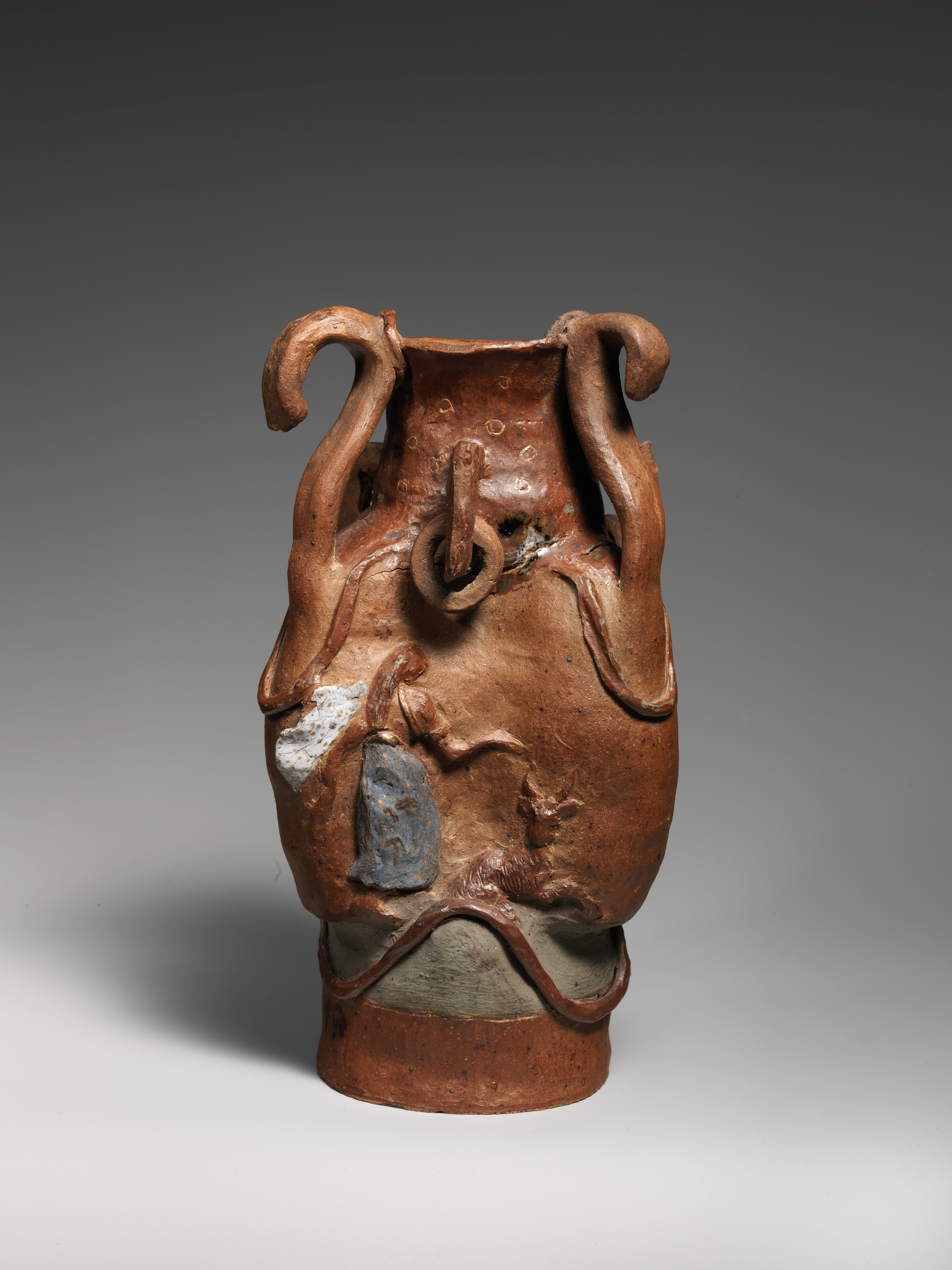
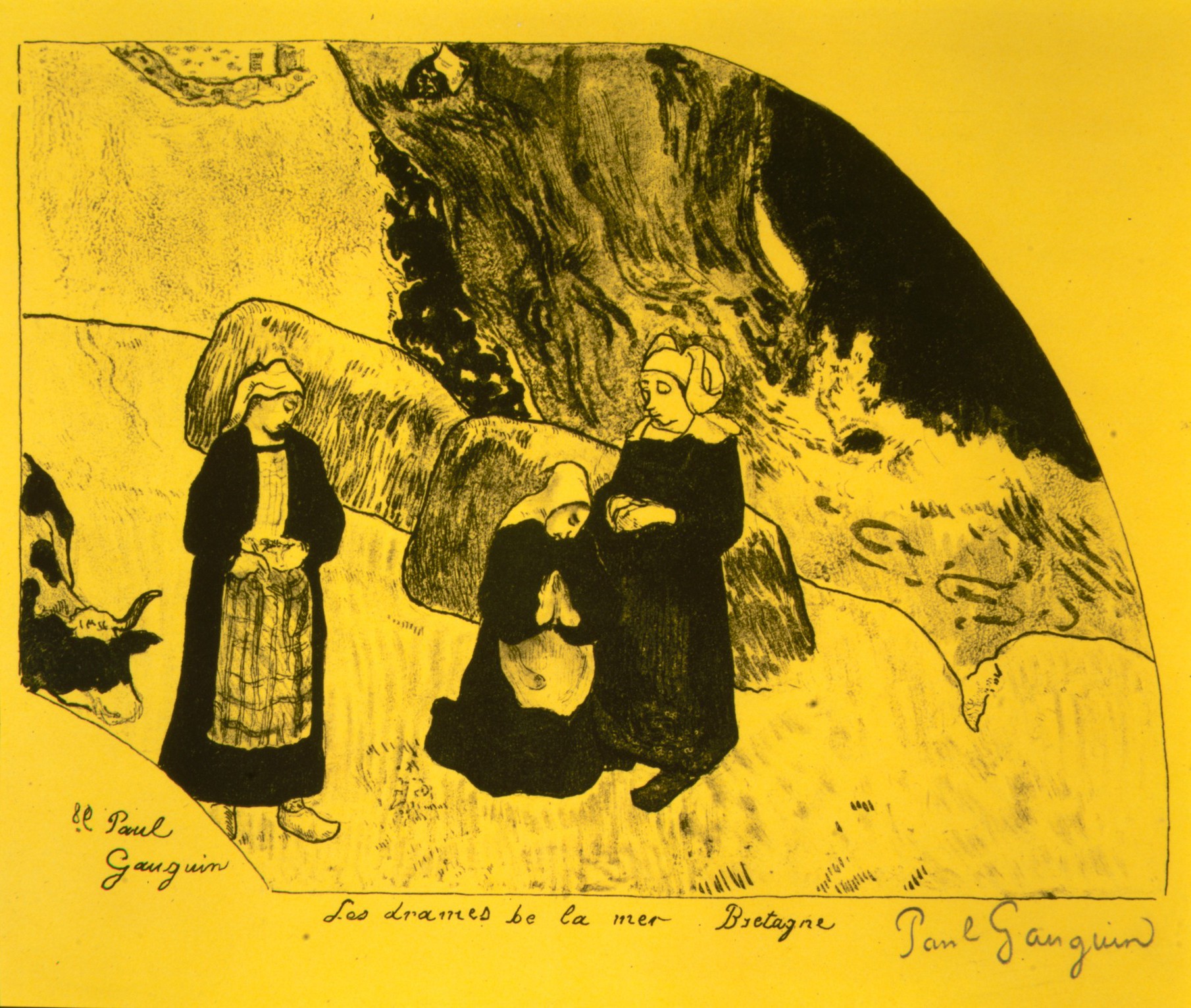
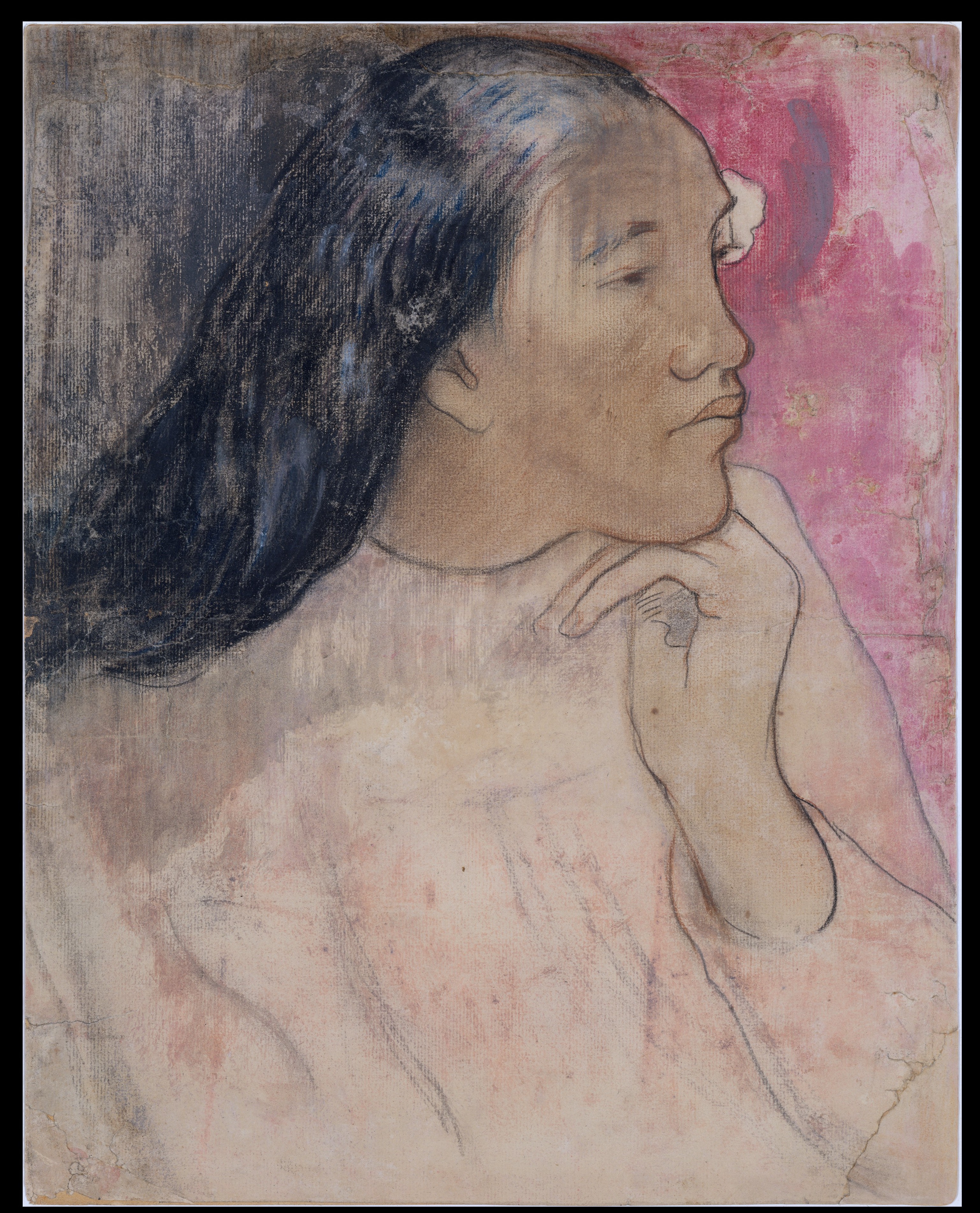
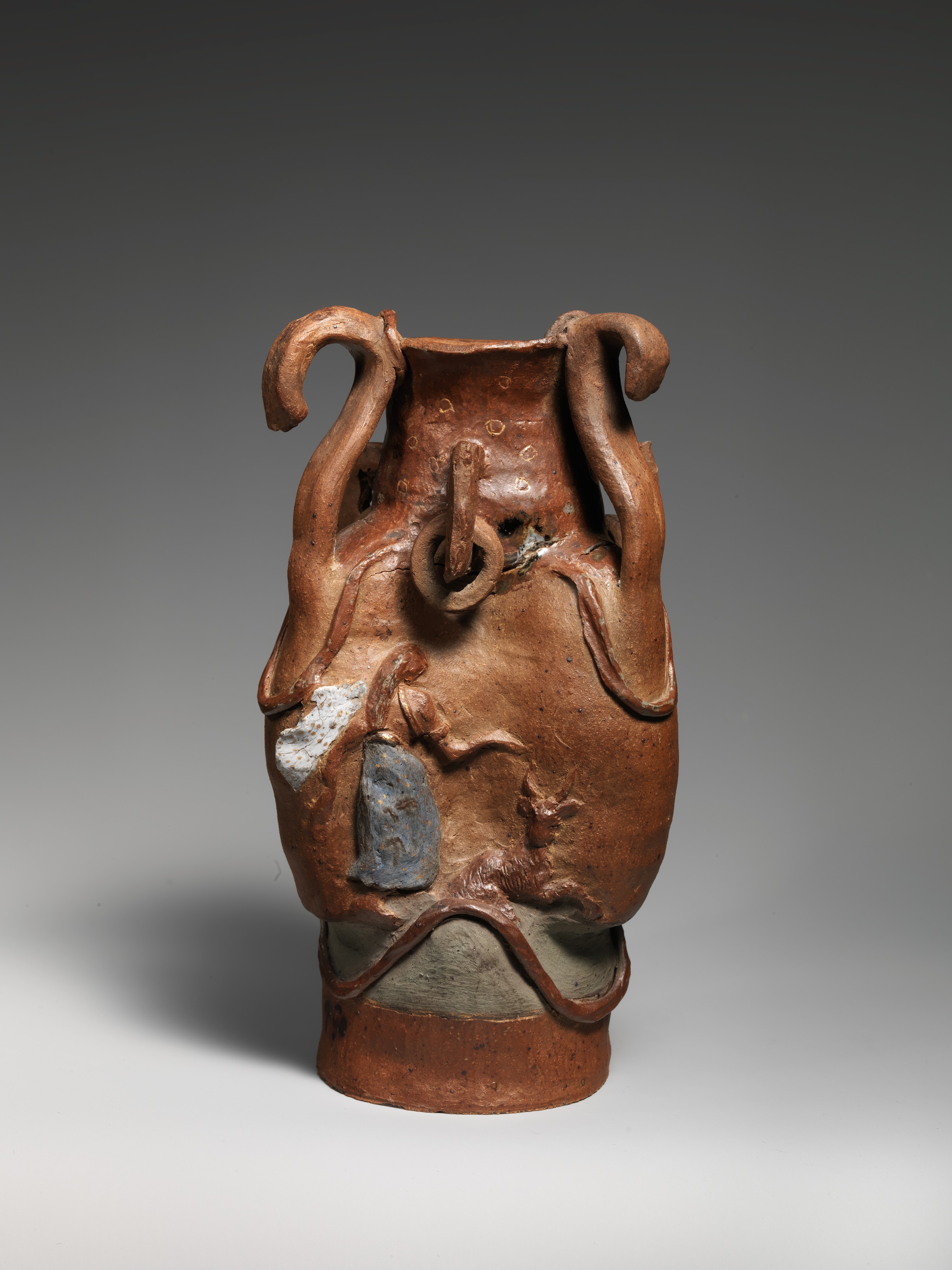
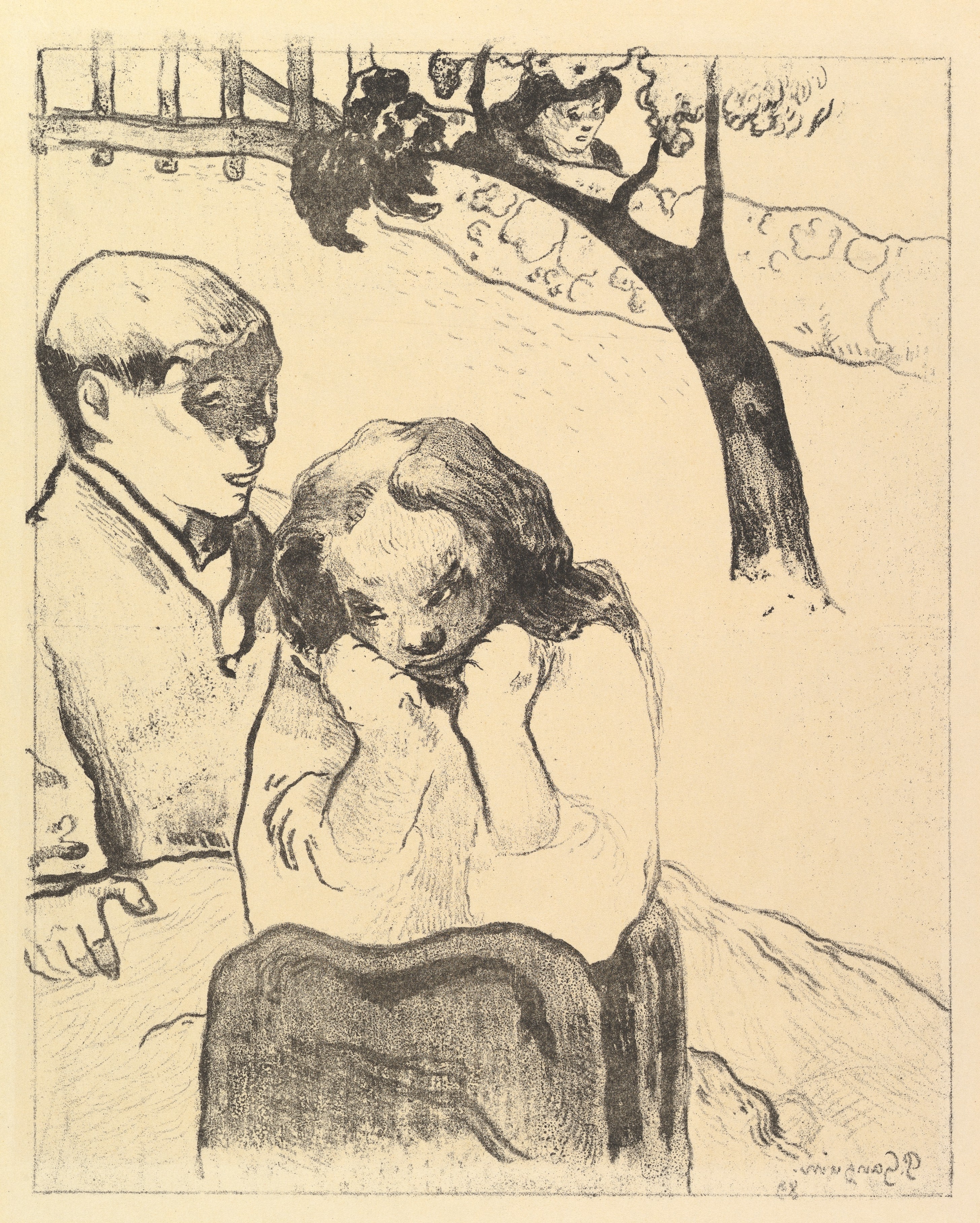
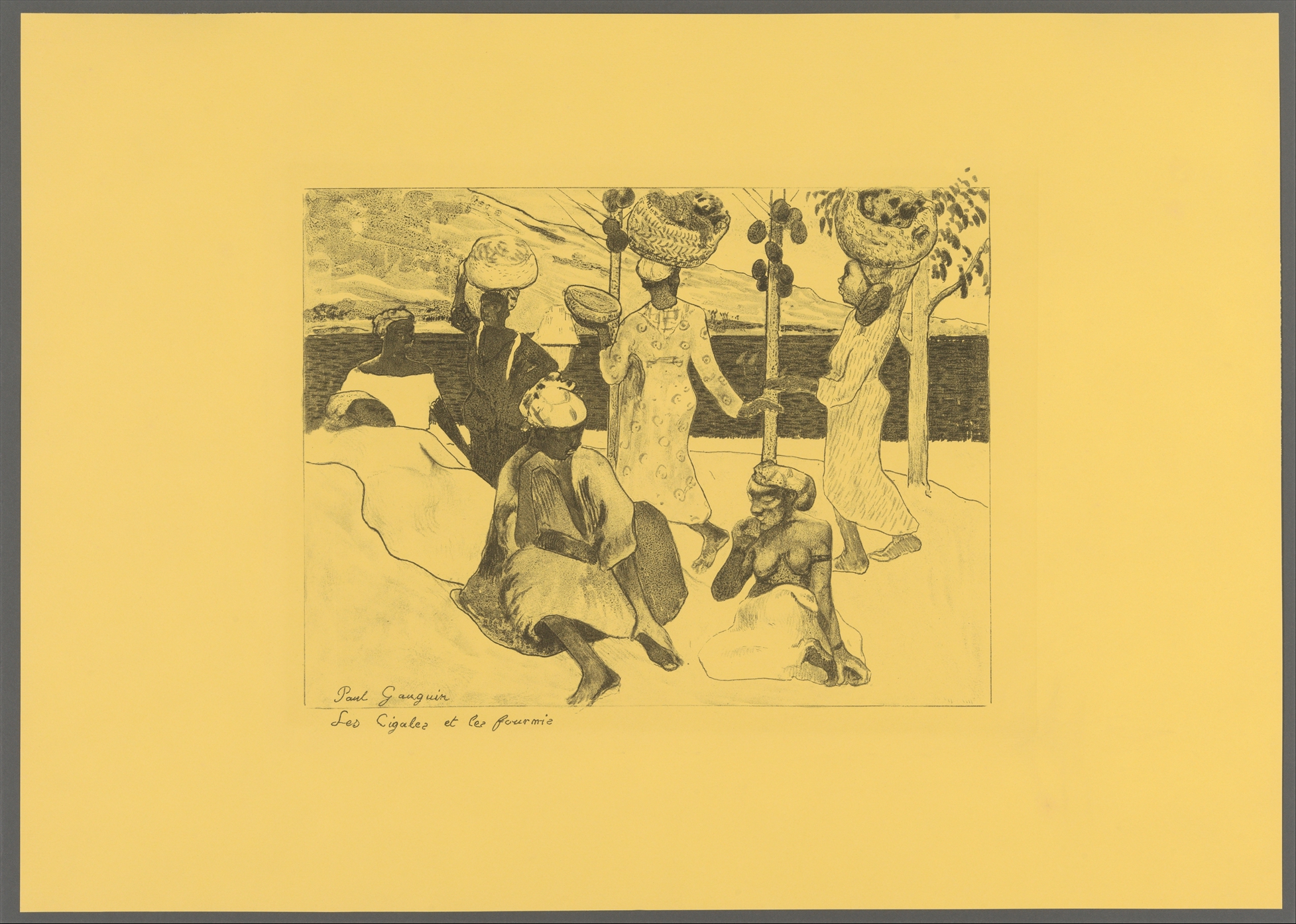
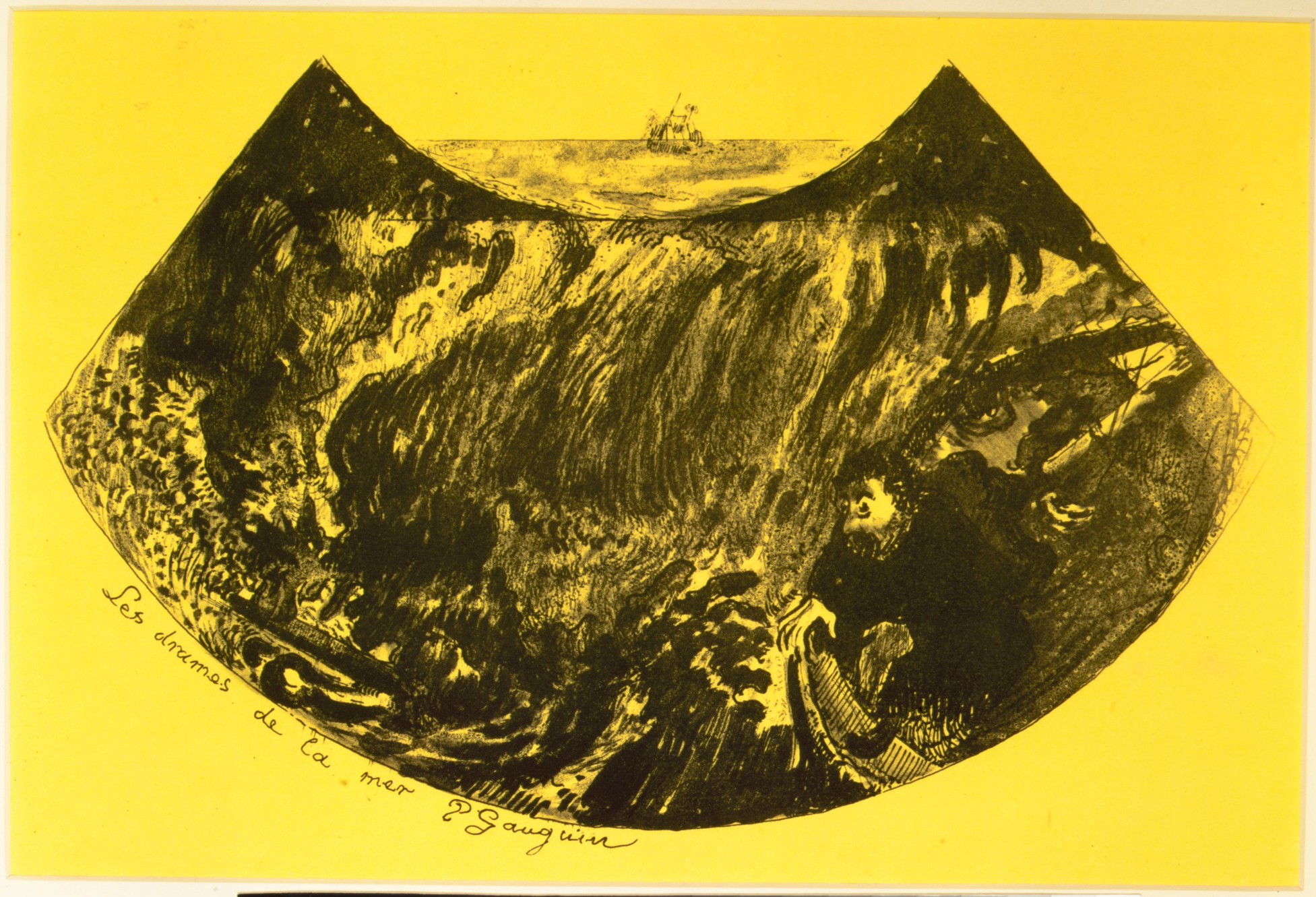
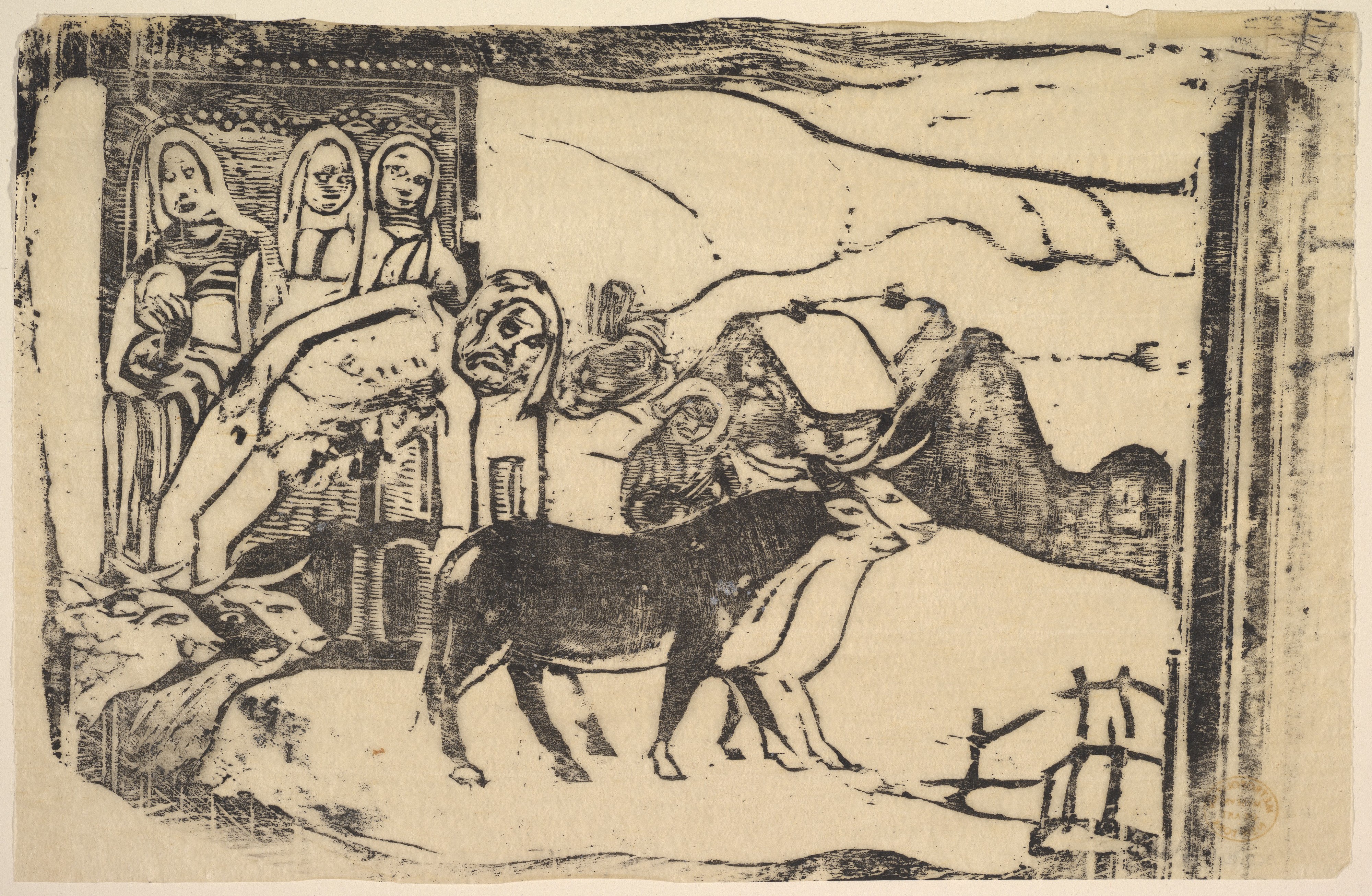
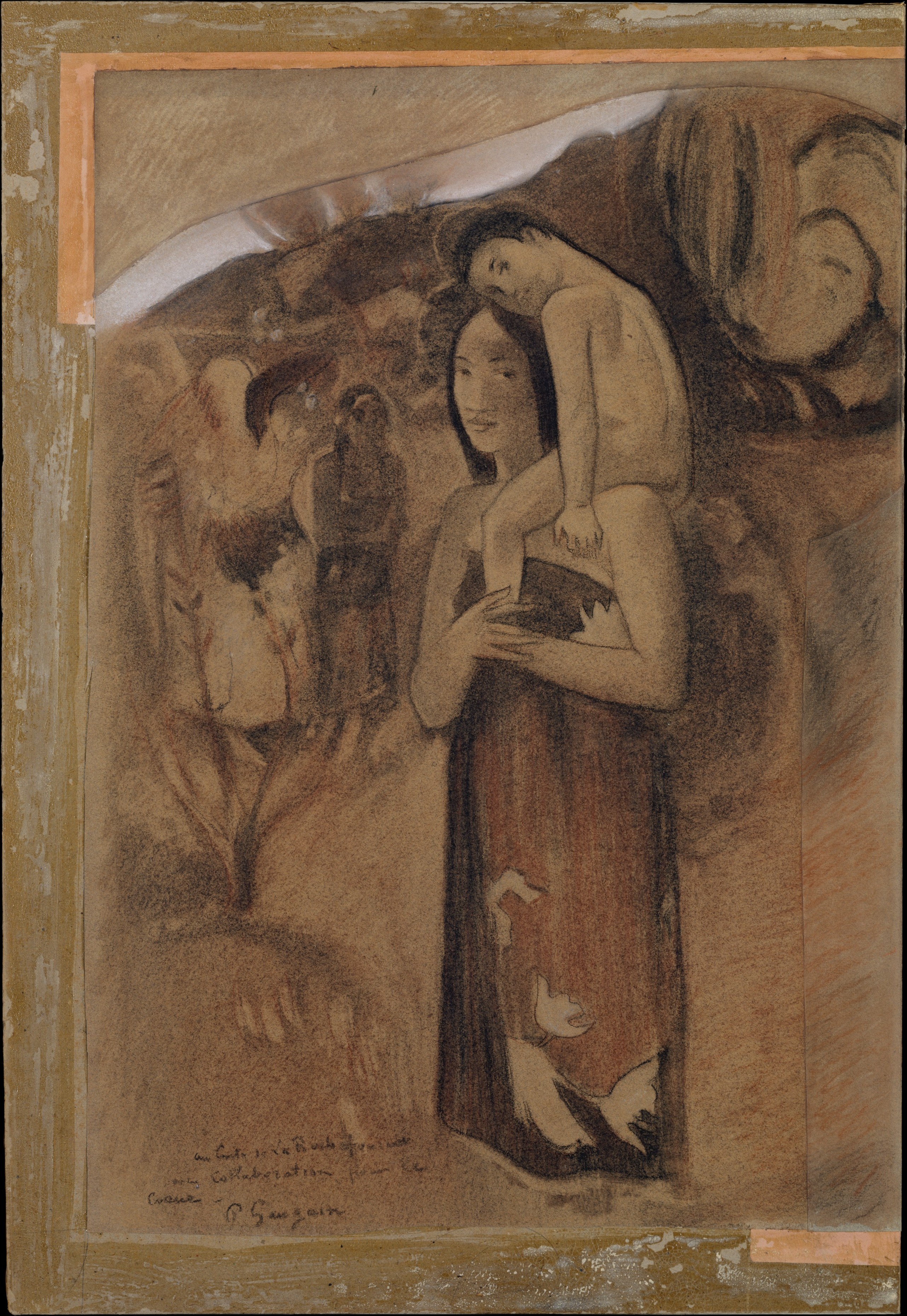
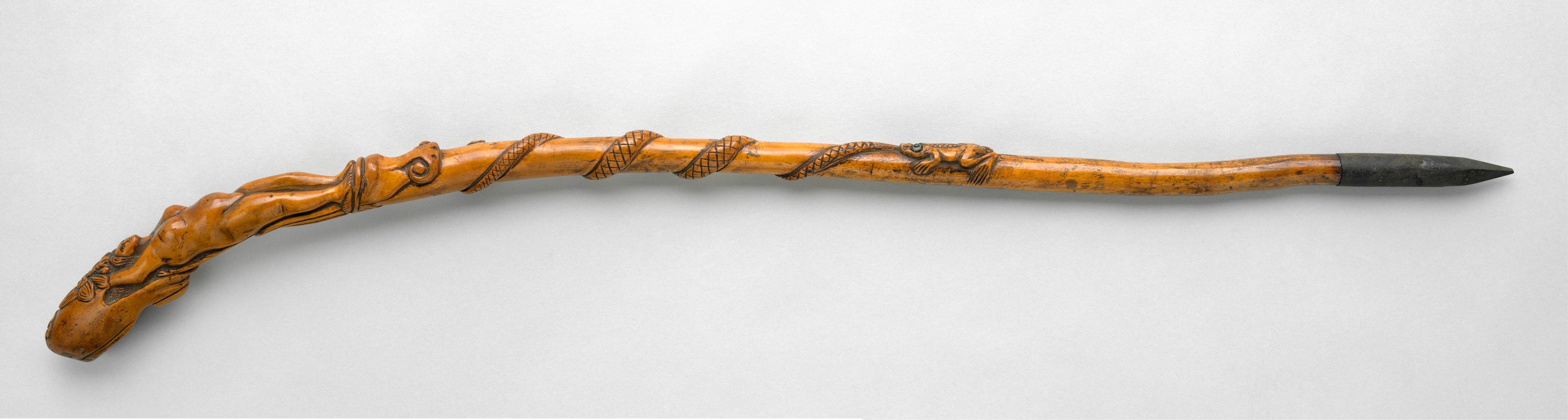
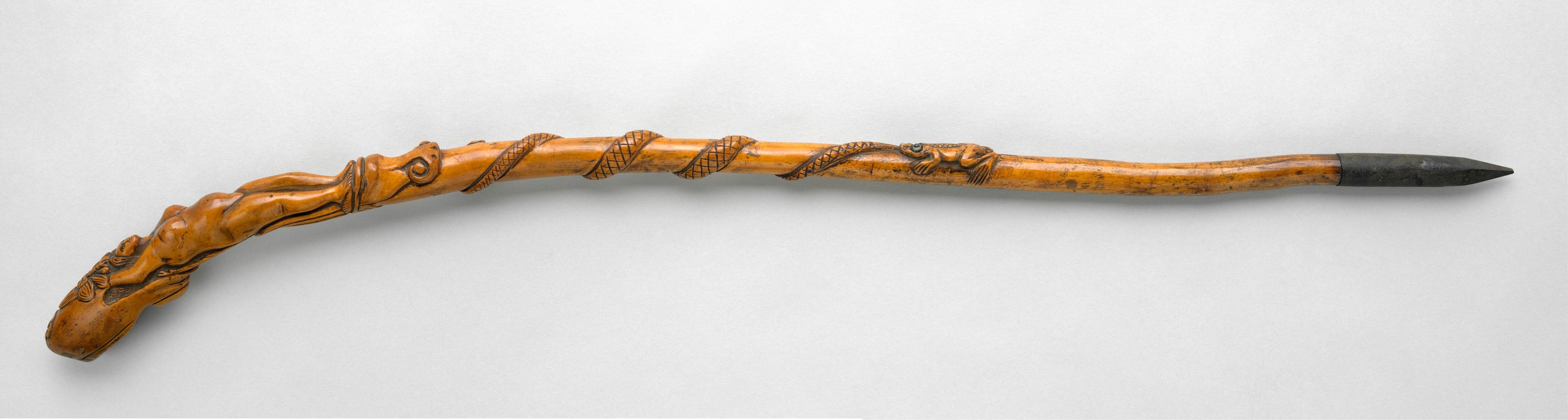
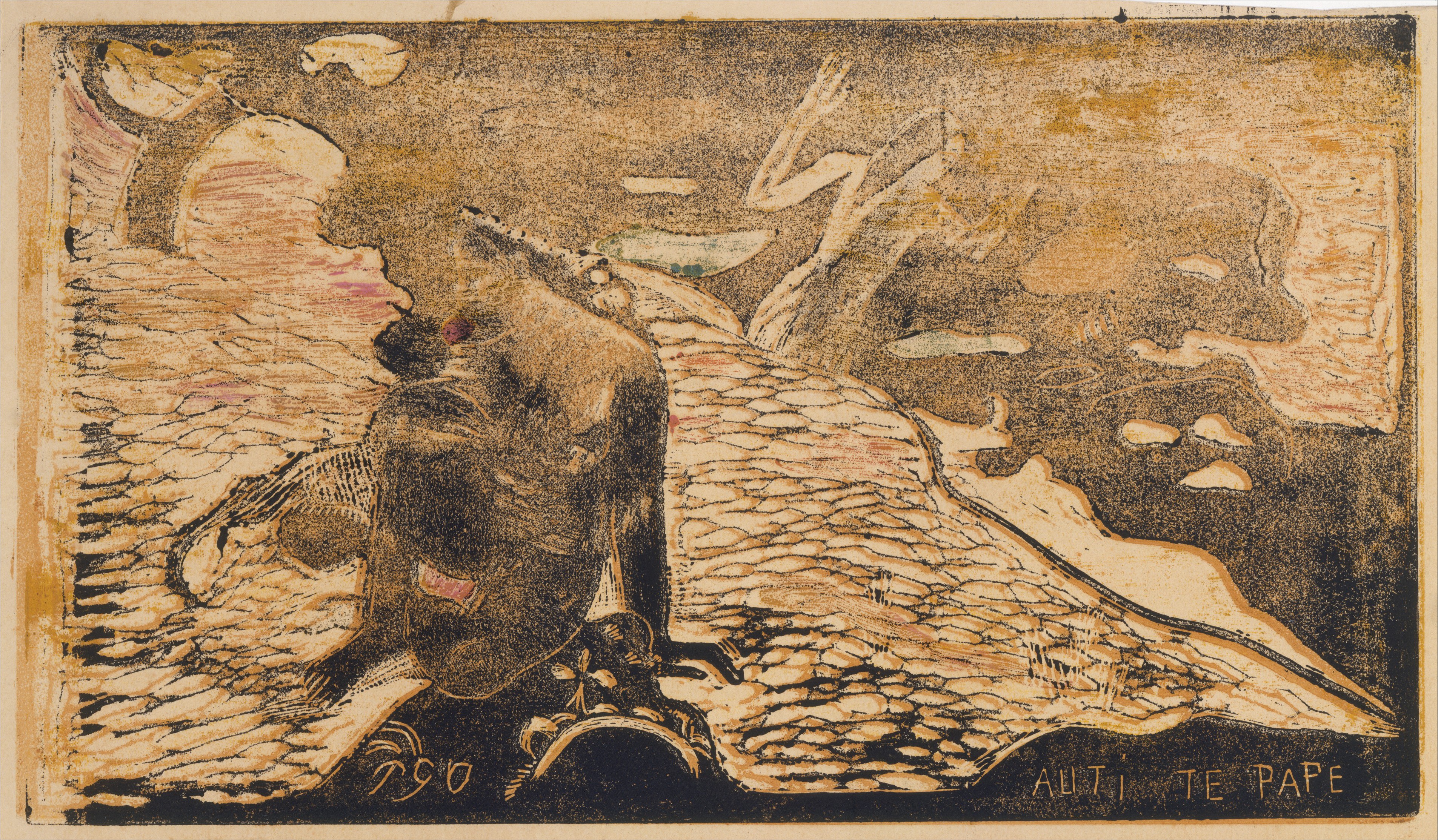
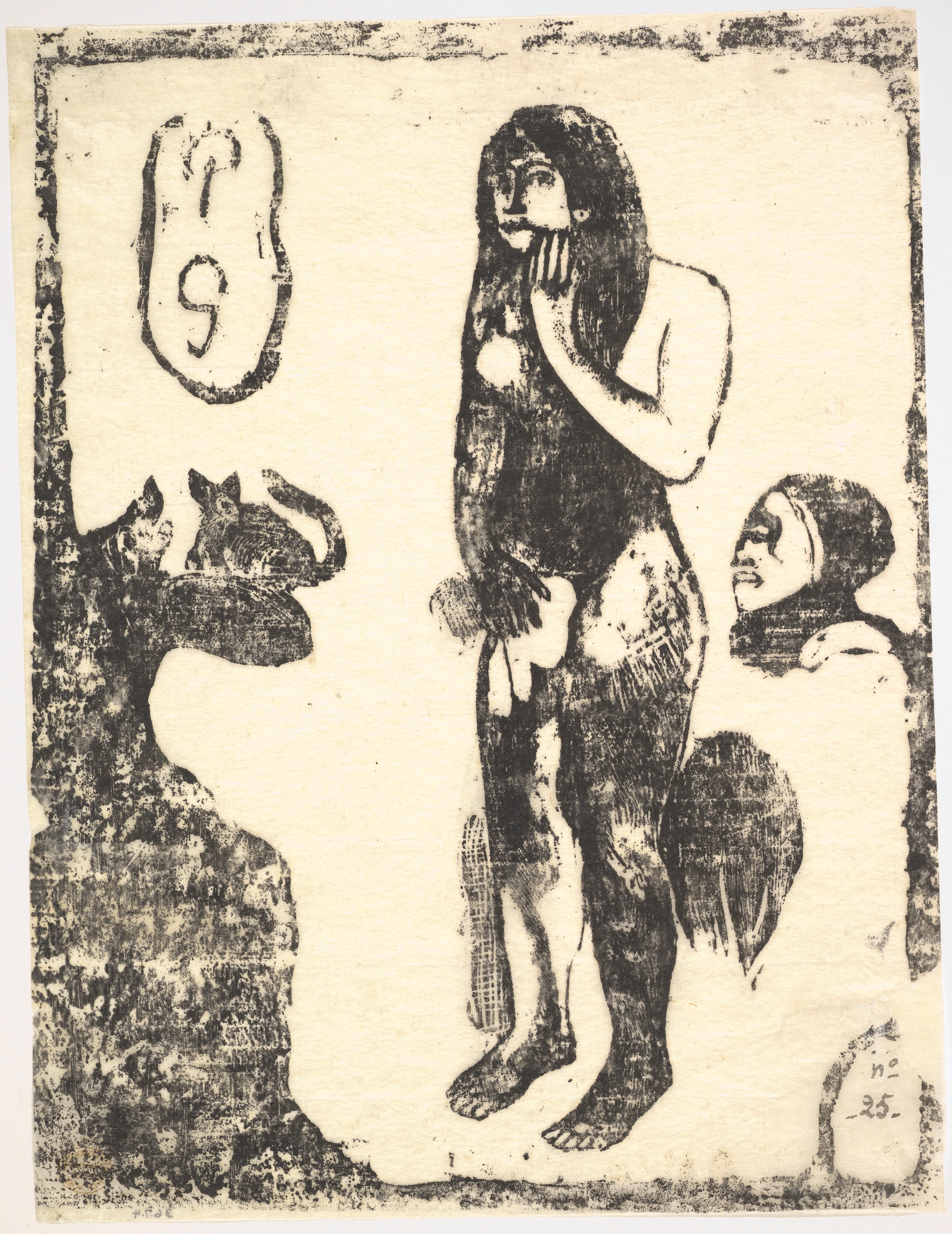
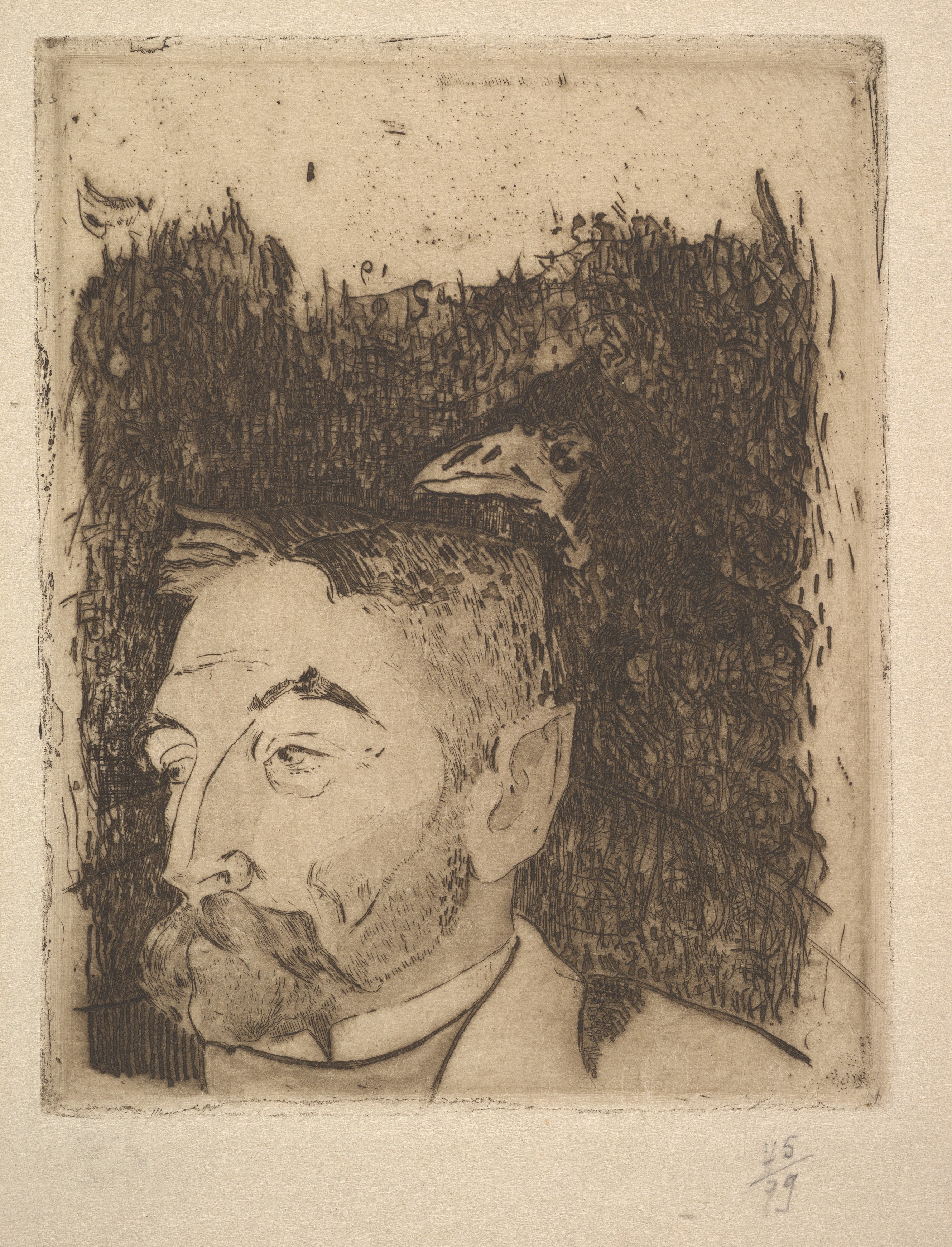
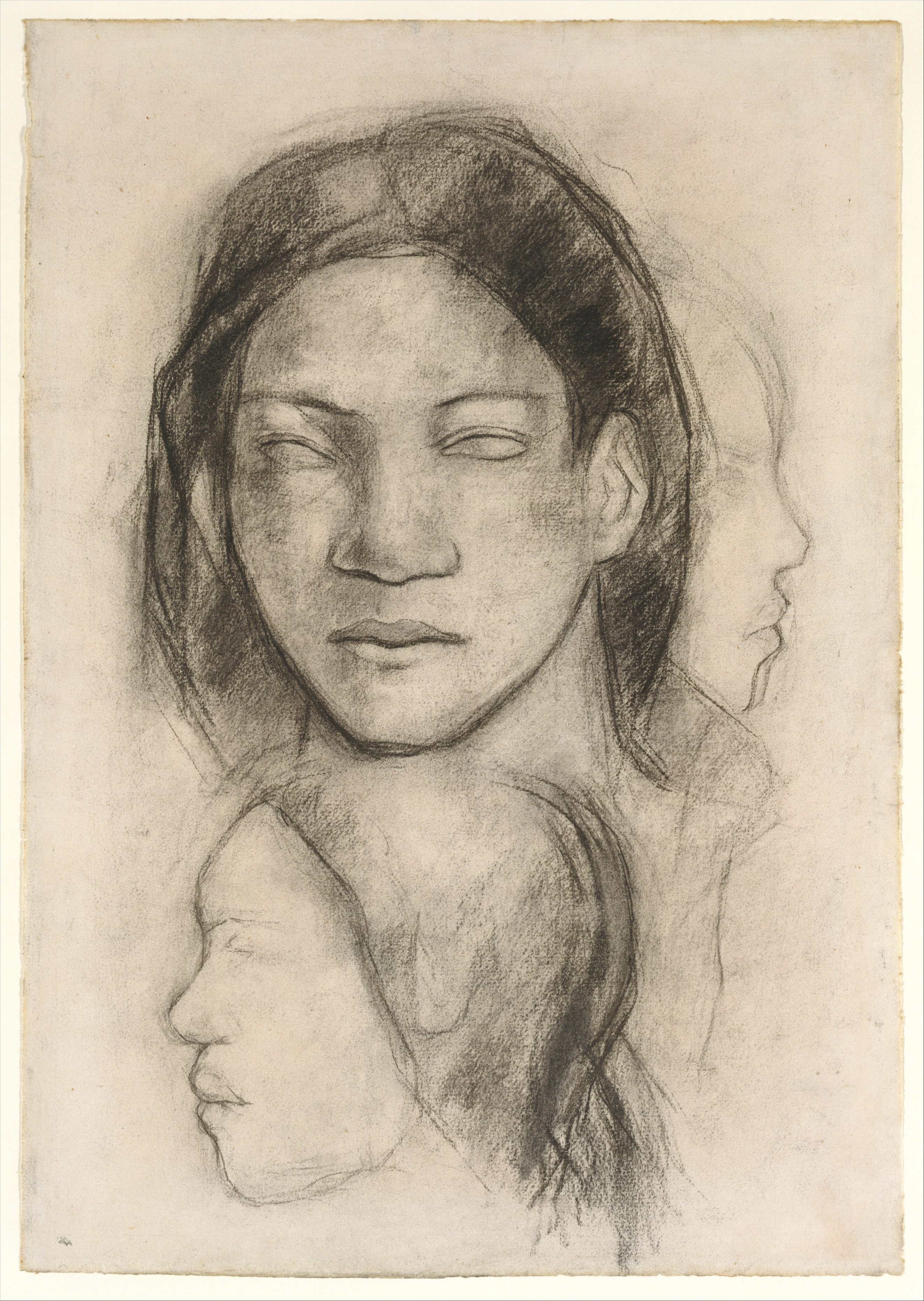
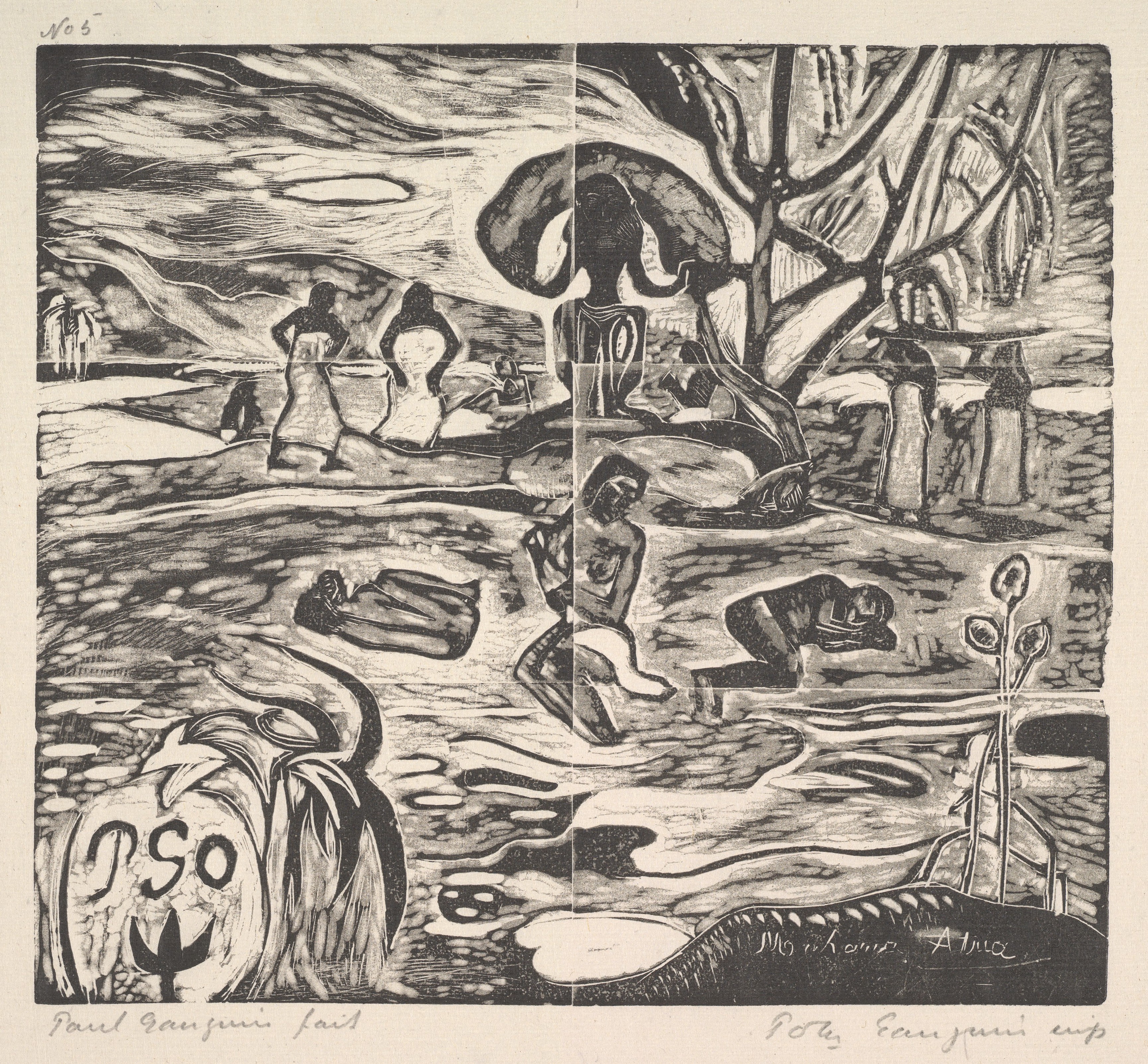
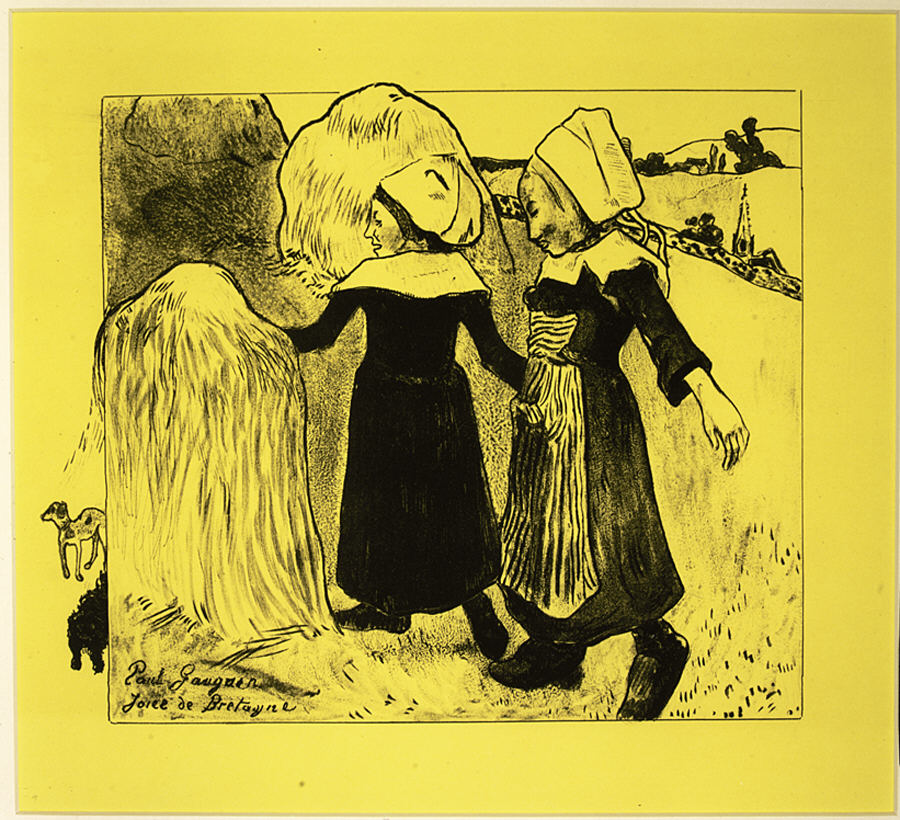
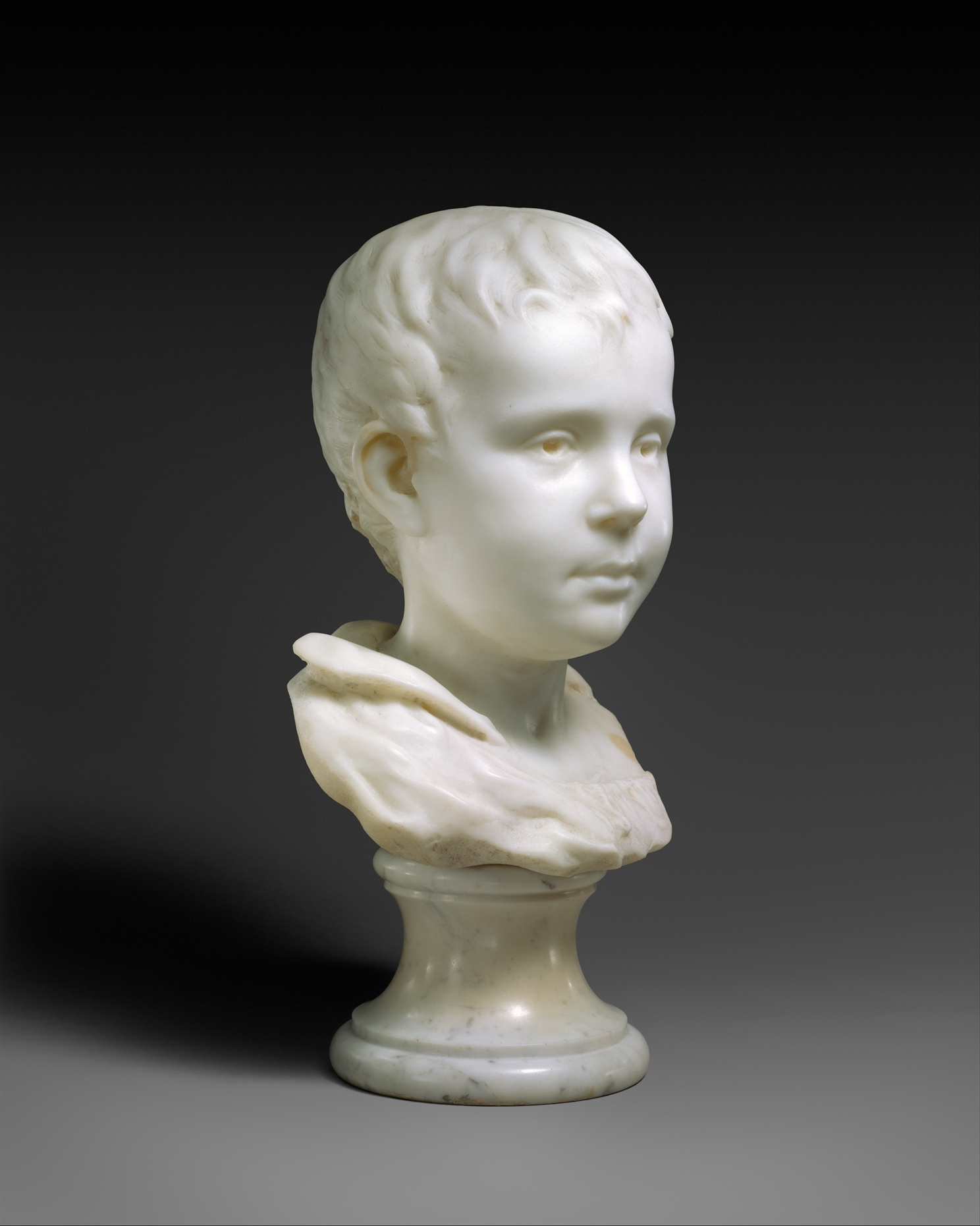
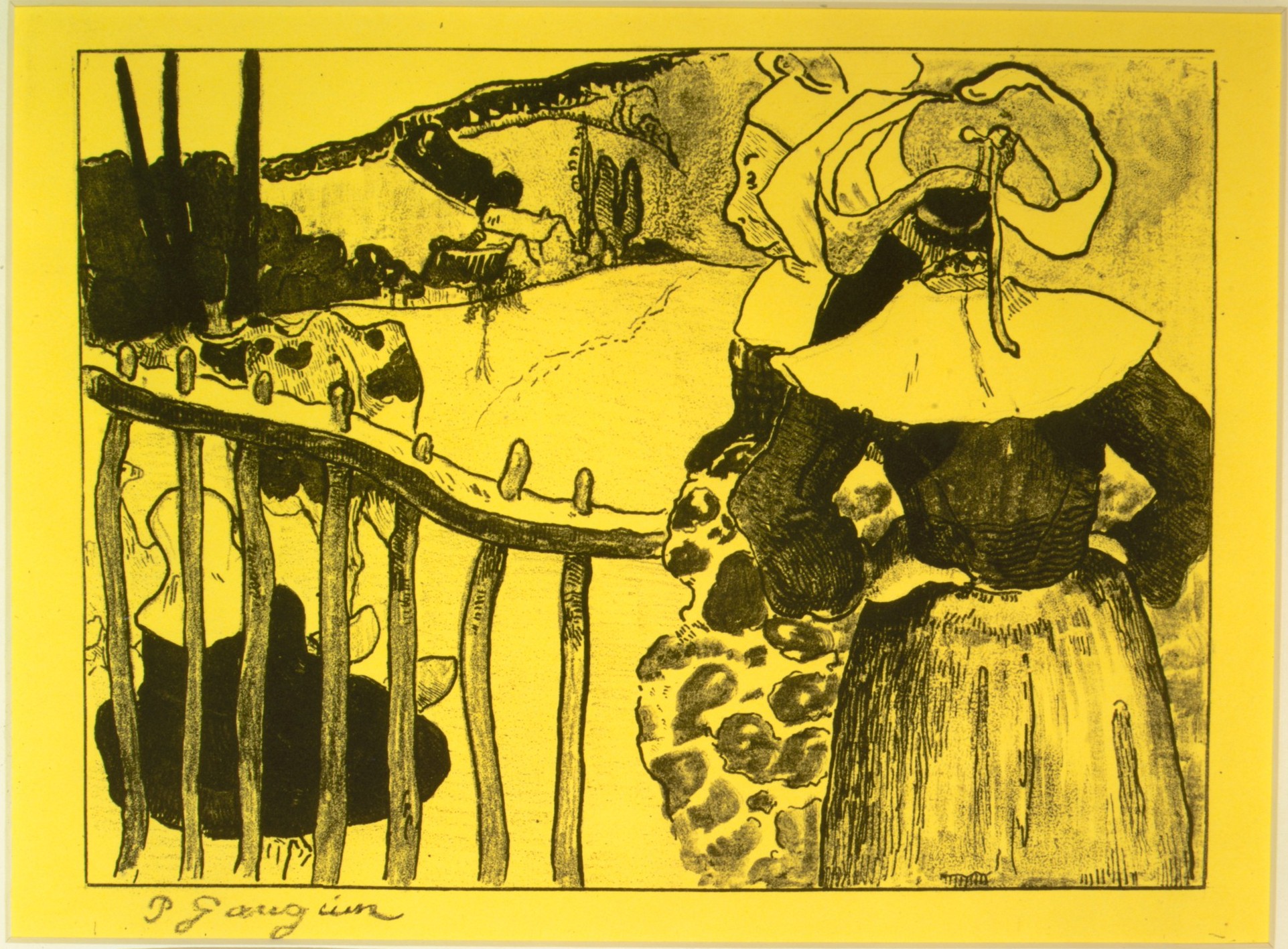
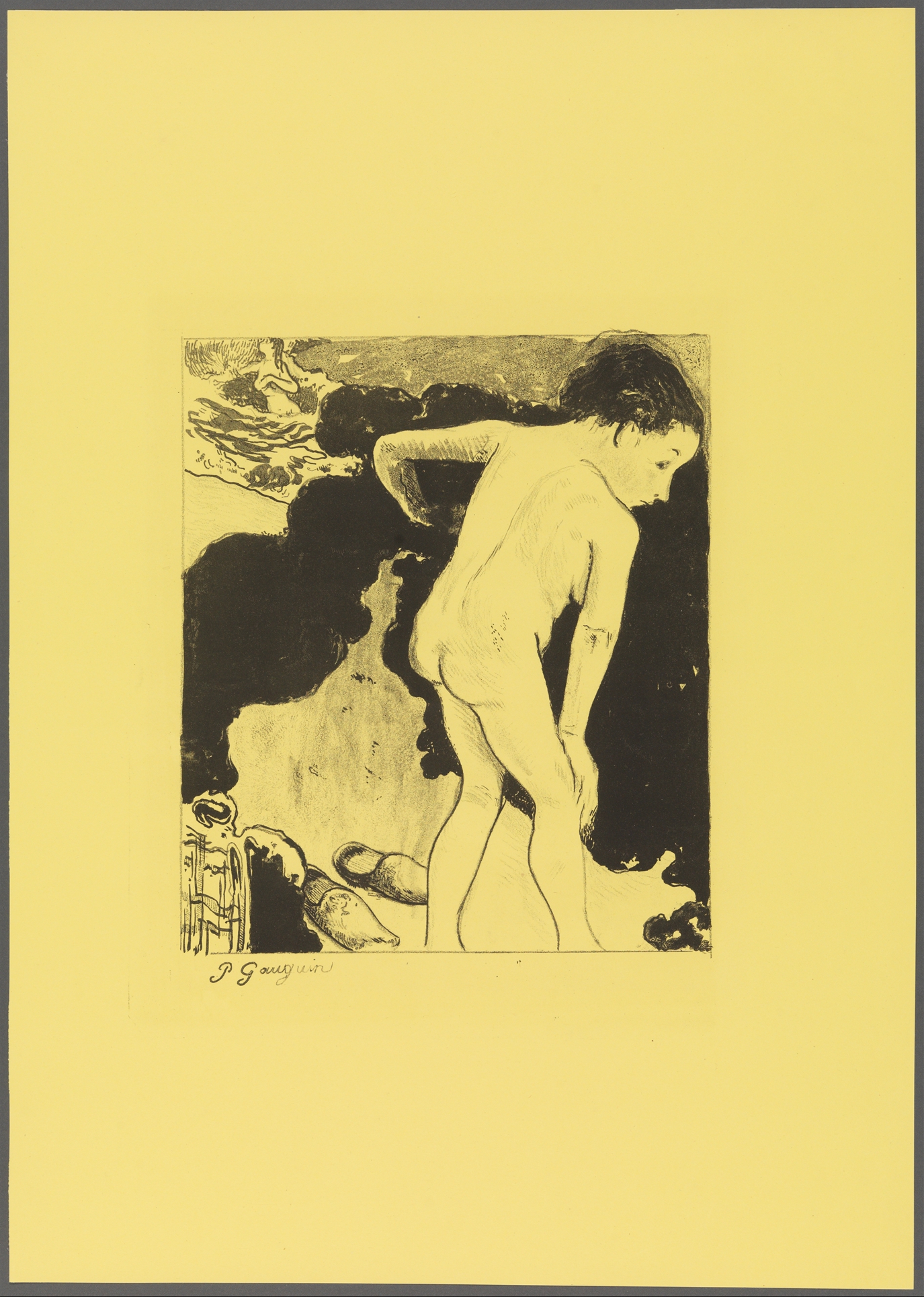
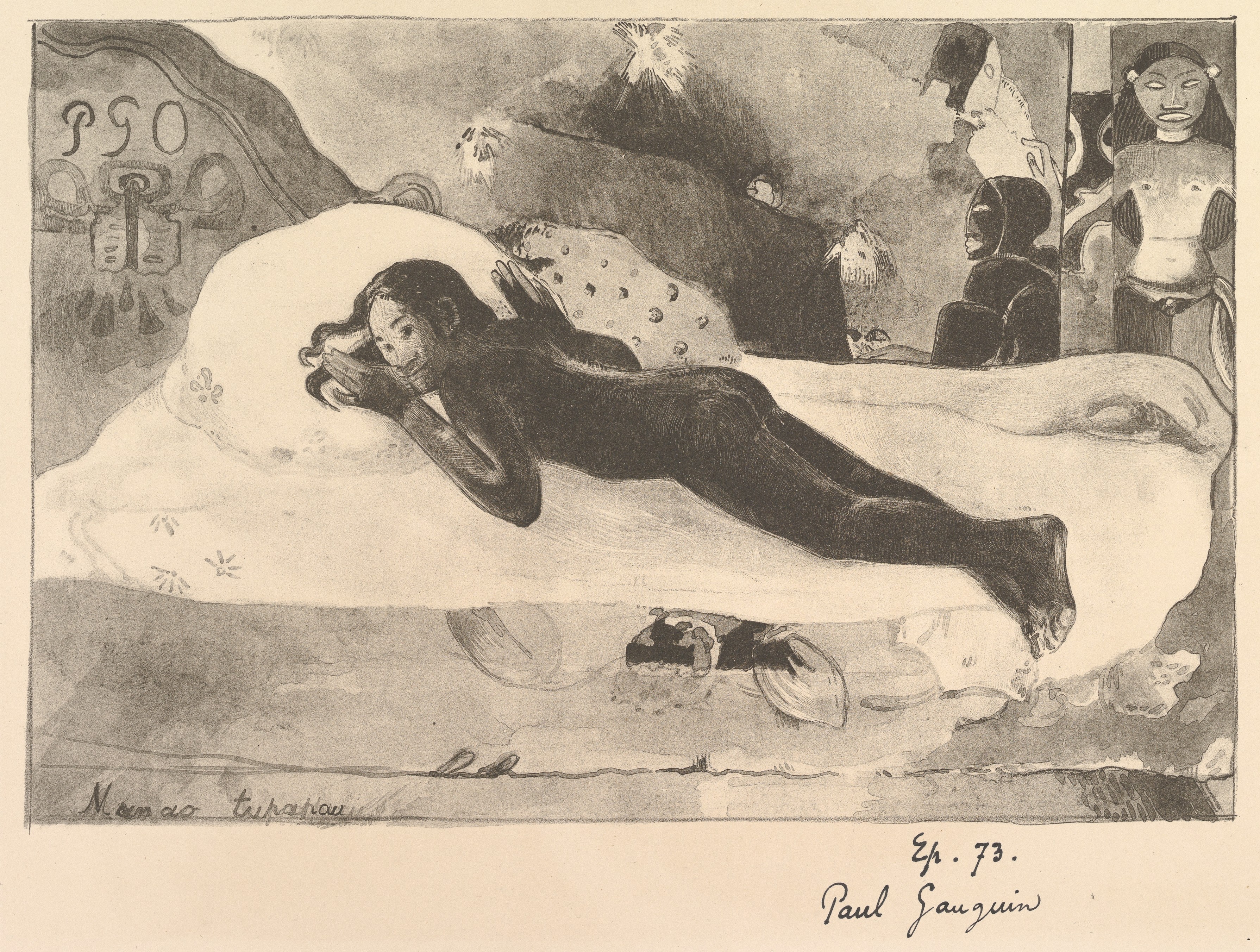
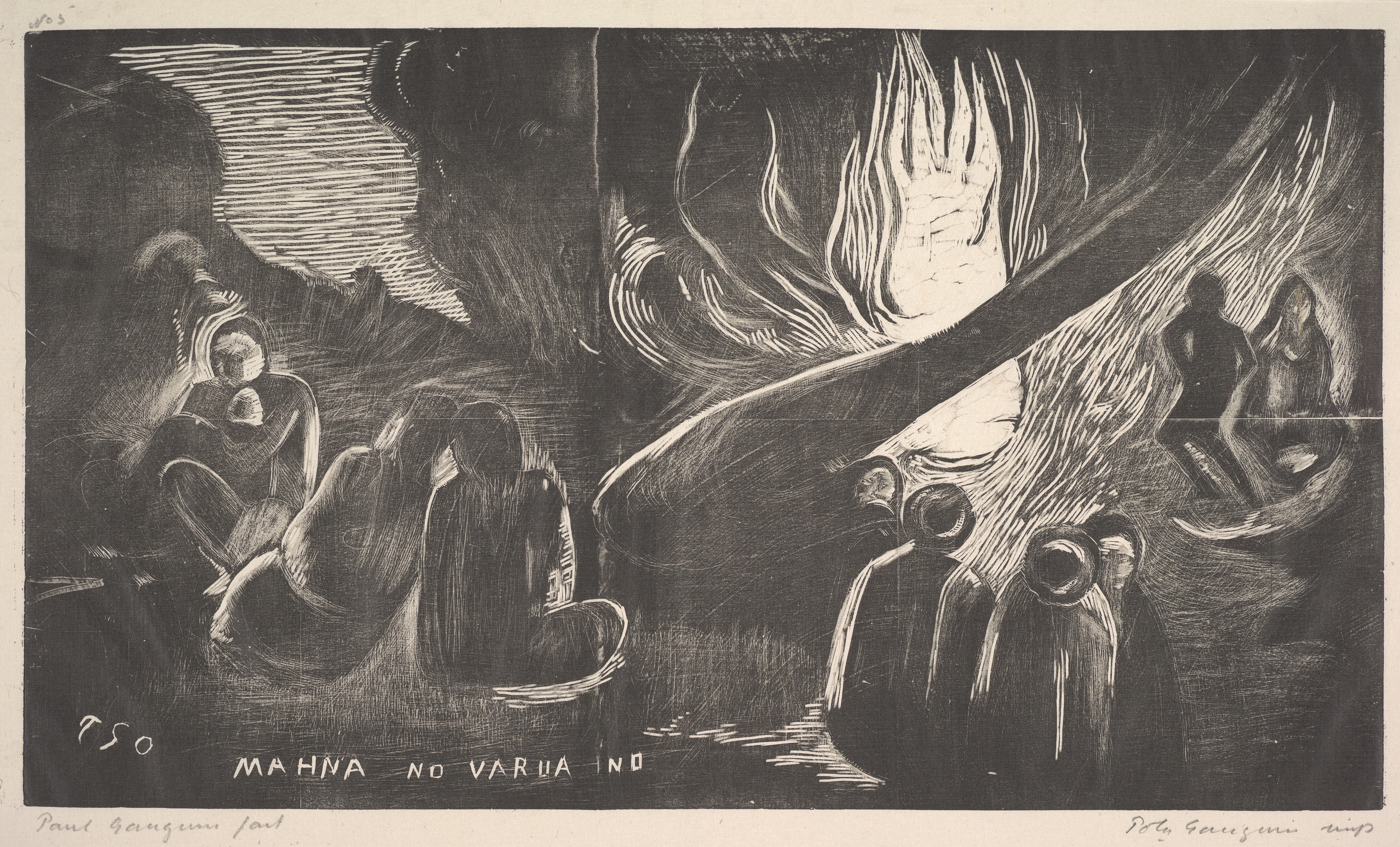
Paul Gauguin created various works, including the 1889 painting The Yellow Christ and the 1892 Manaò tupapaú. He also made the 1888 painting Hail Mary (Ia Orana Maria). In 1883, he sculpted a Walking stick with a female nude and a Breton sabot on the handle from boxwood, mother-of-pearl, glass, and iron. He also created a marble sculpture in 1877 titled Emile Gauguin (1874–1955), the artist's son. Another notable work is the 1888 painting Vincent van Gogh Painting Sunflowers. In 1882, he produced a stoneware Vessel with Women and Goats. The Metropolitan Museum of Art holds his sculpture Emile Gauguin (1874–1955), the artist's son, and his drawing Hail Mary (Ia Orana Maria). The museum also has his sculpture Walking stick with a female nude and a Breton sabot on the handle and his ceramic Vessel with Women and Goats.
Biography
Paul Gauguin was born in Paris on June 7, 1848. His father was Clovis Gauguin, and his mother was Aline Chazal. He was a French citizen. He studied at the lycée Pothier. He worked in Paris, Martinique, Pont-Aven, Arles, Tahiti, the Marquesas Islands, Copenhagen, French Polynesia, Céret, and Panama. He resided in Frederiksberg, Nørregade, Paris, and Tahiti. He was influenced by Katsushika Hokusai, Eugène Delacroix, Paul Cézanne, Claude Monet, Camille Pissarro, and Edgar Degas. He created The Yellow Christ in 1889 and Manaò tupapaú in 1892. He also painted Vincent van Gogh Painting Sunflowers in 1888. Paul Gauguin died on May 9, 1903, in Atuona, Fatu-Hiva, from natural causes, specifically syphilis.
Works
P Vincent van Gogh Painting Sunflowers