3 June 1877 – 23 March 1953 · Le Havre
Raoul Dufy
Work
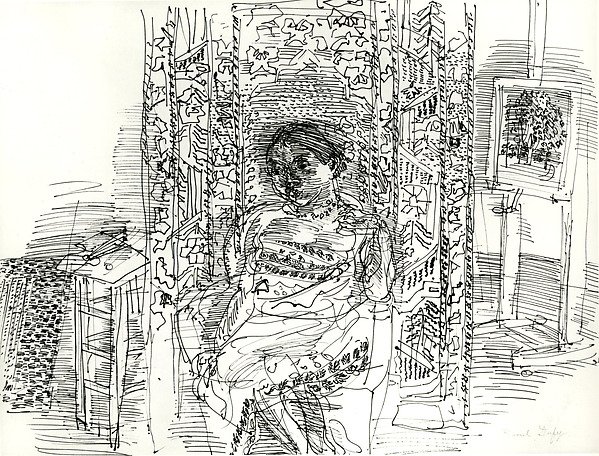
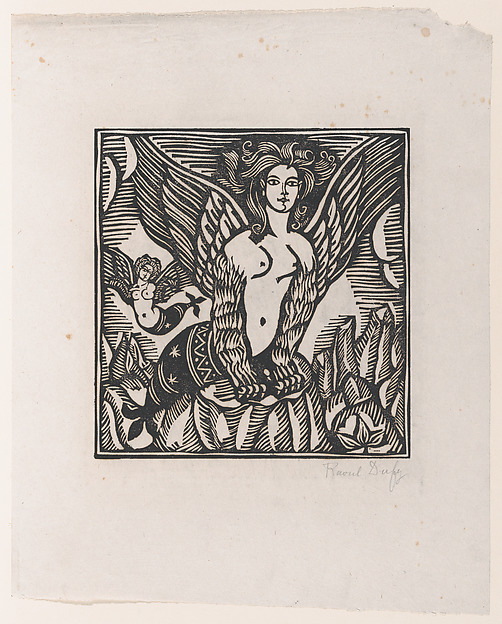
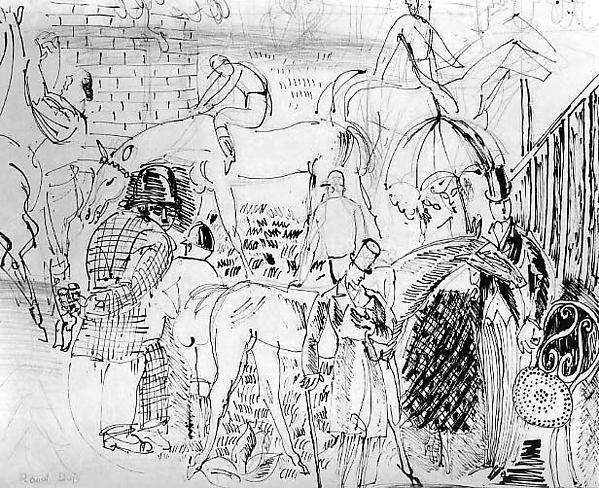
Raoul Dufy created a diverse body of work across various mediums, including paintings, lithographs, and graphic art. His subjects ranged from landscapes and seascapes, such as "The Lighthouse at Honfleur" from 1928 and "Dusk at La Baie des Anges, Nice" from 1922, to still lifes like "Floral Still Life" (1928) and "Still-Life with Mirror, Fruit Dish and Almonds" (1947). He also depicted figures and scenes of daily life, as seen in "Five Swimmers" (1926), "Model in the Artist's Studio" (1928), and "La Moisson" (The Harvester) from 1907. Dufy explored equestrian themes with "Study for the painting 'Le Paddock'" (1913) and "Ascot" (1938), and captured floral arrangements in "Basket of Flowers" (1924). Other notable works include "Boardwalk with Palm Tree" (1925) and "Venus with Seashell" (1925).
Biography
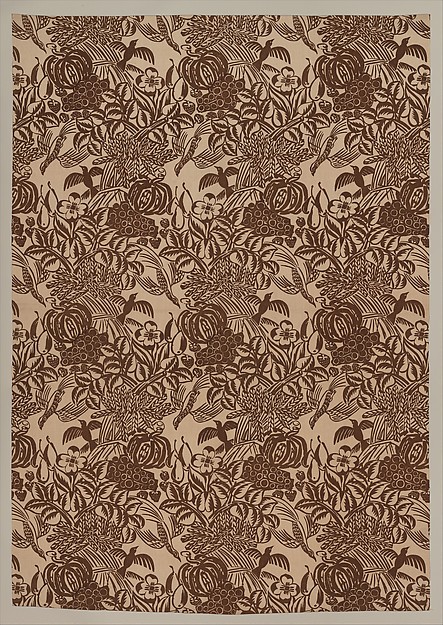
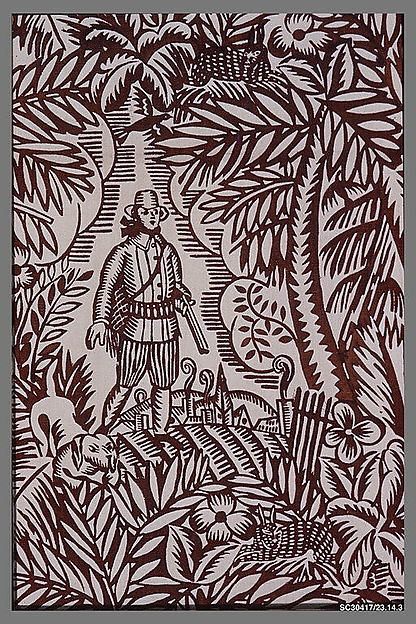
Raoul Dufy, a French painter, lithographer, and graphic artist, was born on June 3, 1877, in Le Havre, France. He also worked as a draftsperson, textile artist, ceramicist, wood engraver, and illustrator. Dufy received his education at the École supérieure d'art du Havre, the École supérieure d'art et design Le Havre-Rouen, and the Beaux-Arts de Paris. His work is associated with the Fauvism movement, and he painted portraits among other genres. Claude Monet was an influence on his artistic development. Dufy's notable works include "La Fée Électricité" from 1937. He died on March 23, 1953, in Forcalquier, France, from natural causes, specifically rheumatoid arthritis and internal bleeding.
Works
Notable works
- Model in the Artist's Studio (1928). Model in the Artist's Studio, by Raoul Dufy, from 1928, is an oil on canvas in The Metropolitan Museum of Art. 9 cm). The collection recorded this work in 1928. The immediate recording of this painting in the collection in the year of its creation suggests a direct acquisition or a close relationship with the artist. The subject matter, featuring female nudes and doors, indicates a focus on the interior world of the artist's creative space. The dimensions suggest a medium-sized canvas, suitable for an easel painting, offering a glimpse into the artistic process.
- Vallauris (1928). Vallauris, by Raoul Dufy, from 1928, is a watercolor and gouache on paper in The Metropolitan Museum of Art. The work measures 19 7/8 × 25 3/4 in. 4 cm). The collection records the date of the work as approximately 1928. The painting depicts a landscape with houses, hills, and trees. The medium allows for a certain fluidity and transparency in the depiction of these natural and architectural elements. The scale of the work suggests an intimate yet expansive view of the scene, inviting a close examination of the artist's technique and rendering of the subjects.