6 April 1483 – 6 April 1520 · Urbino
Raffaello Sanzio
Work
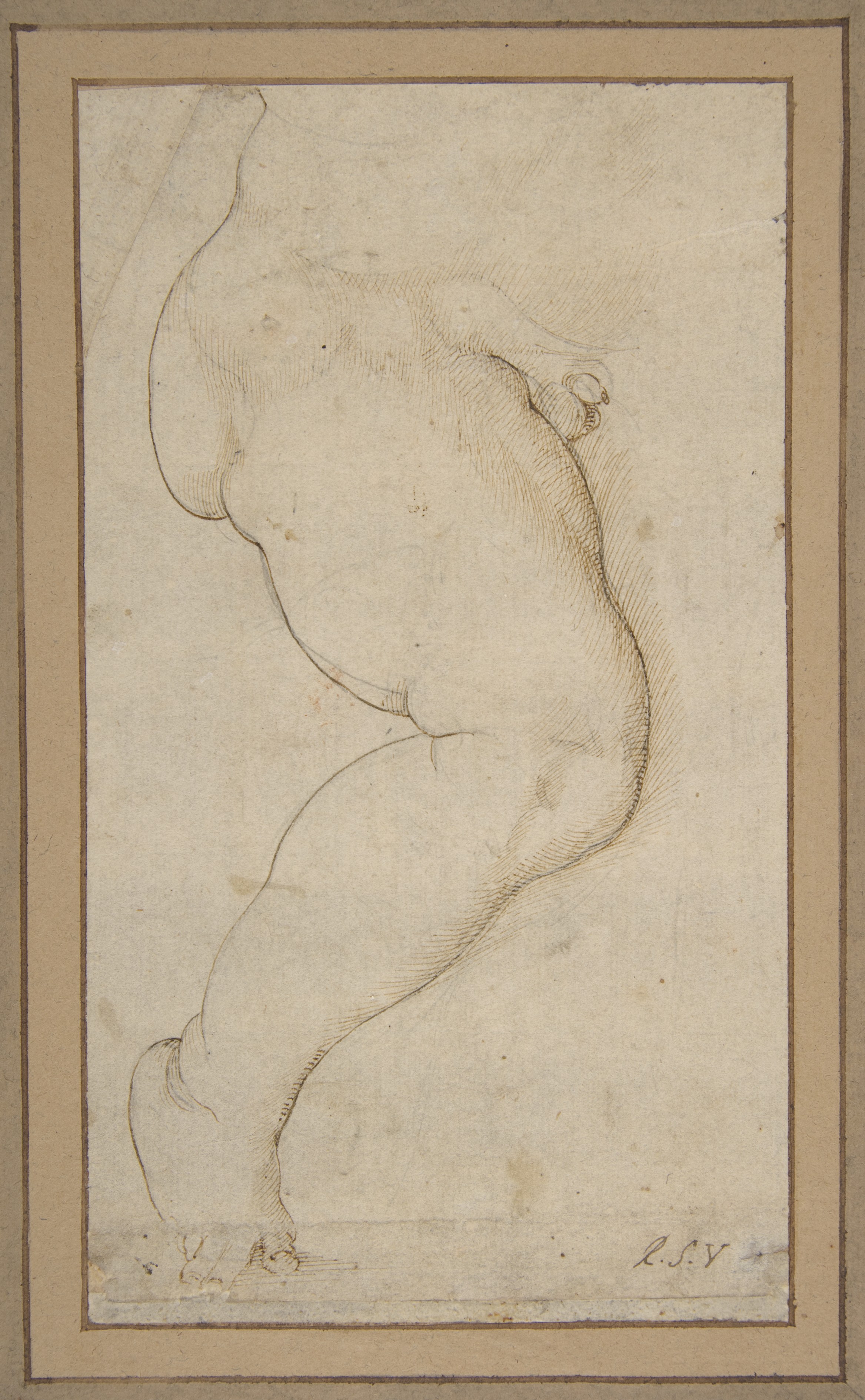
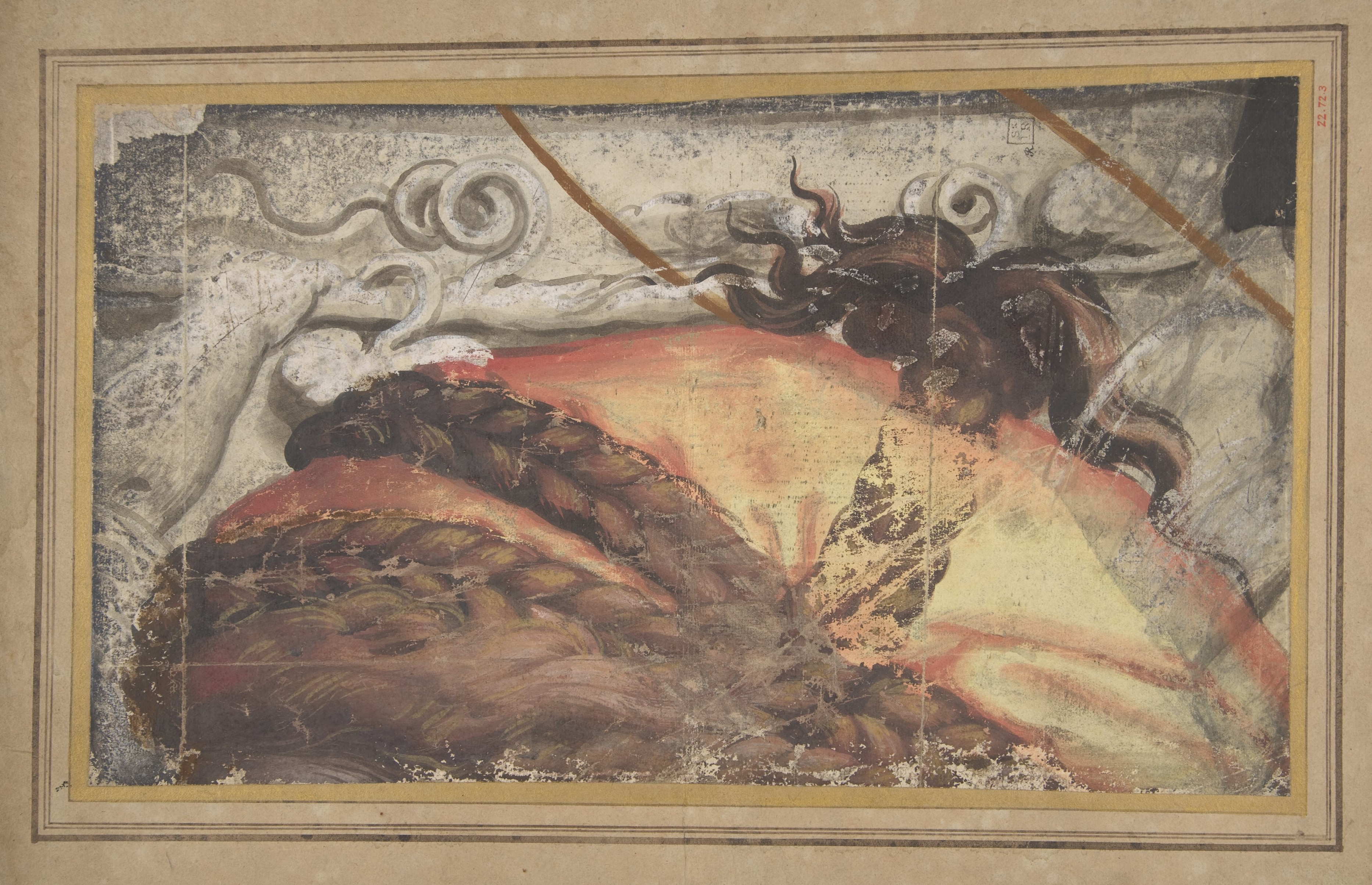
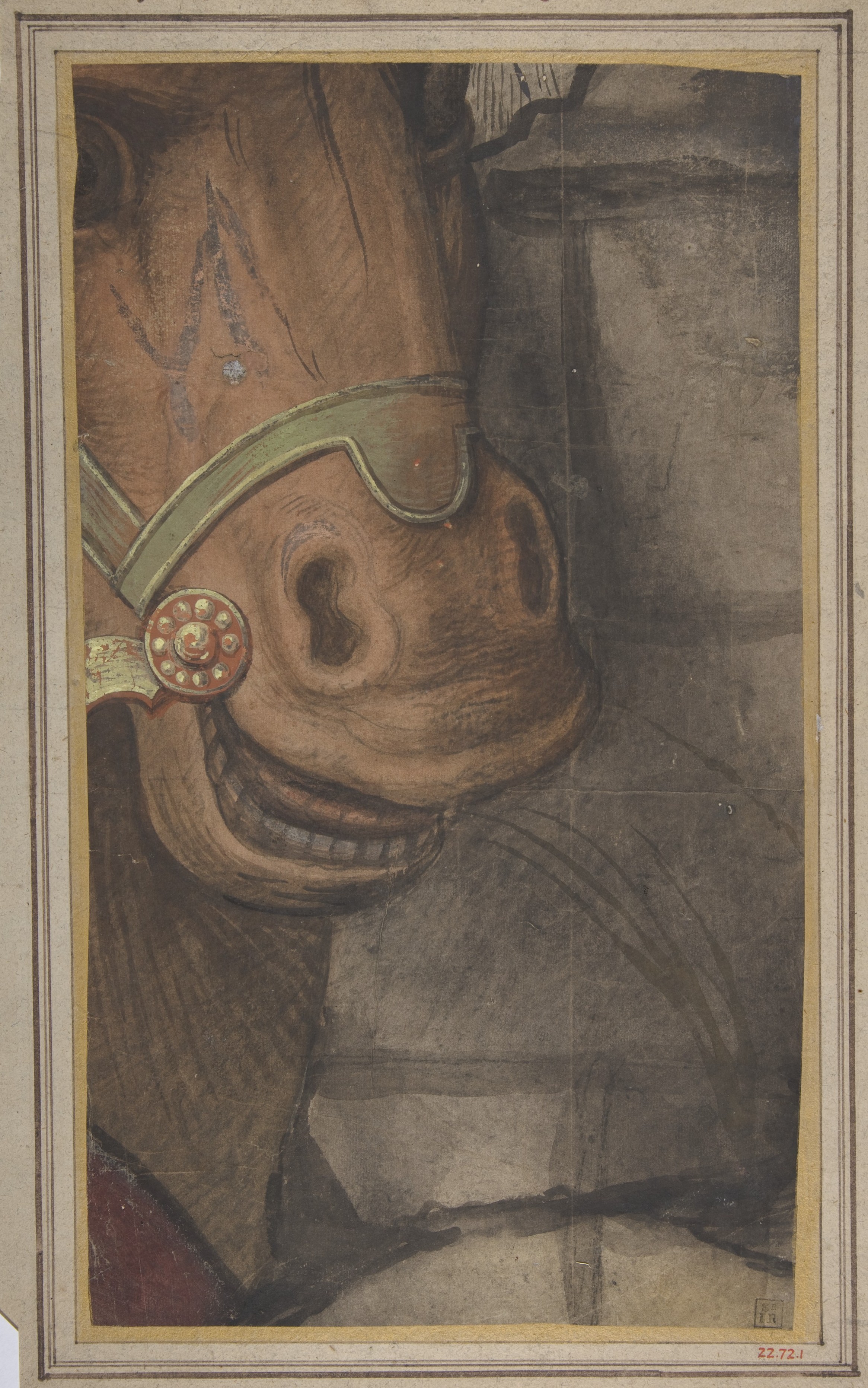
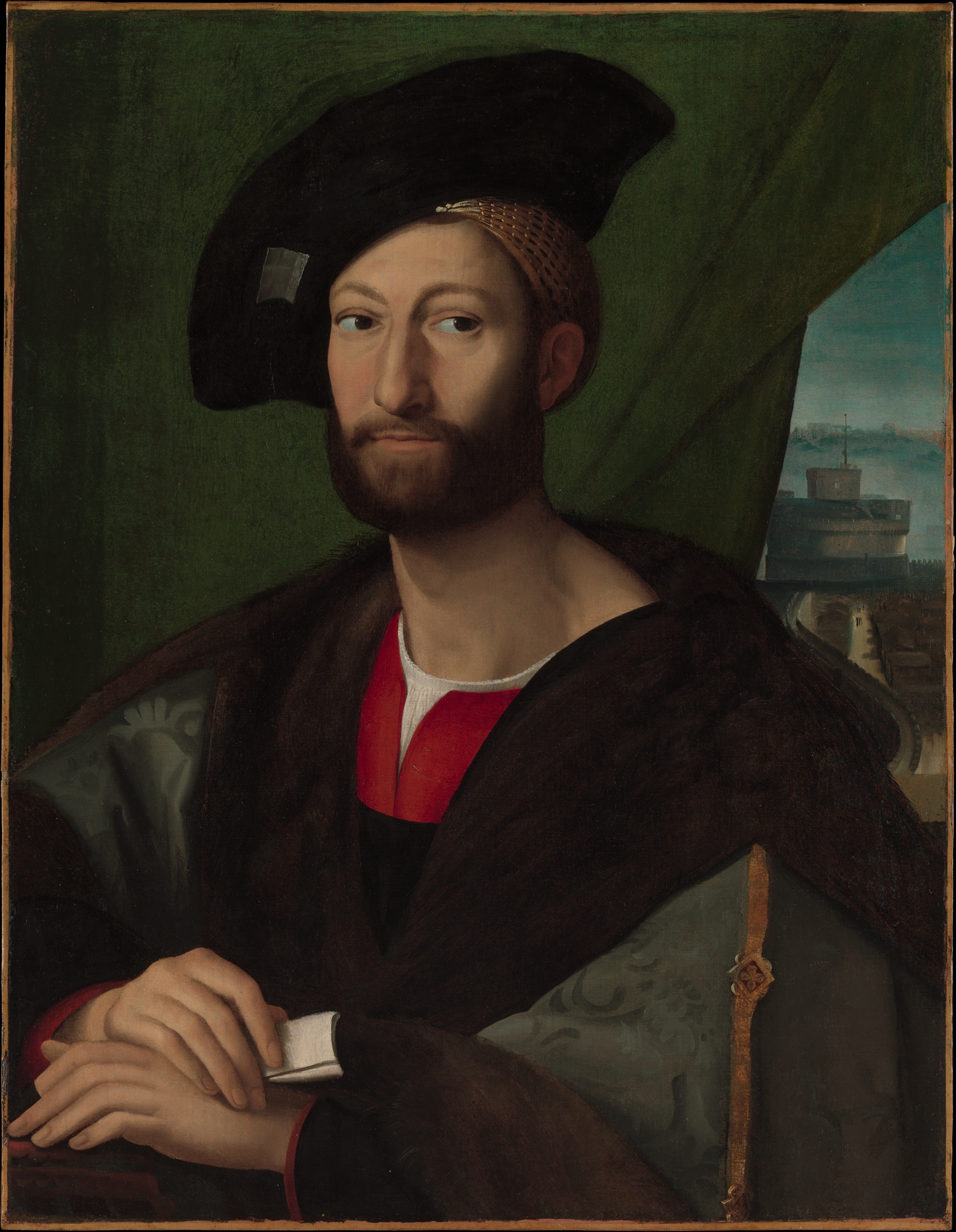
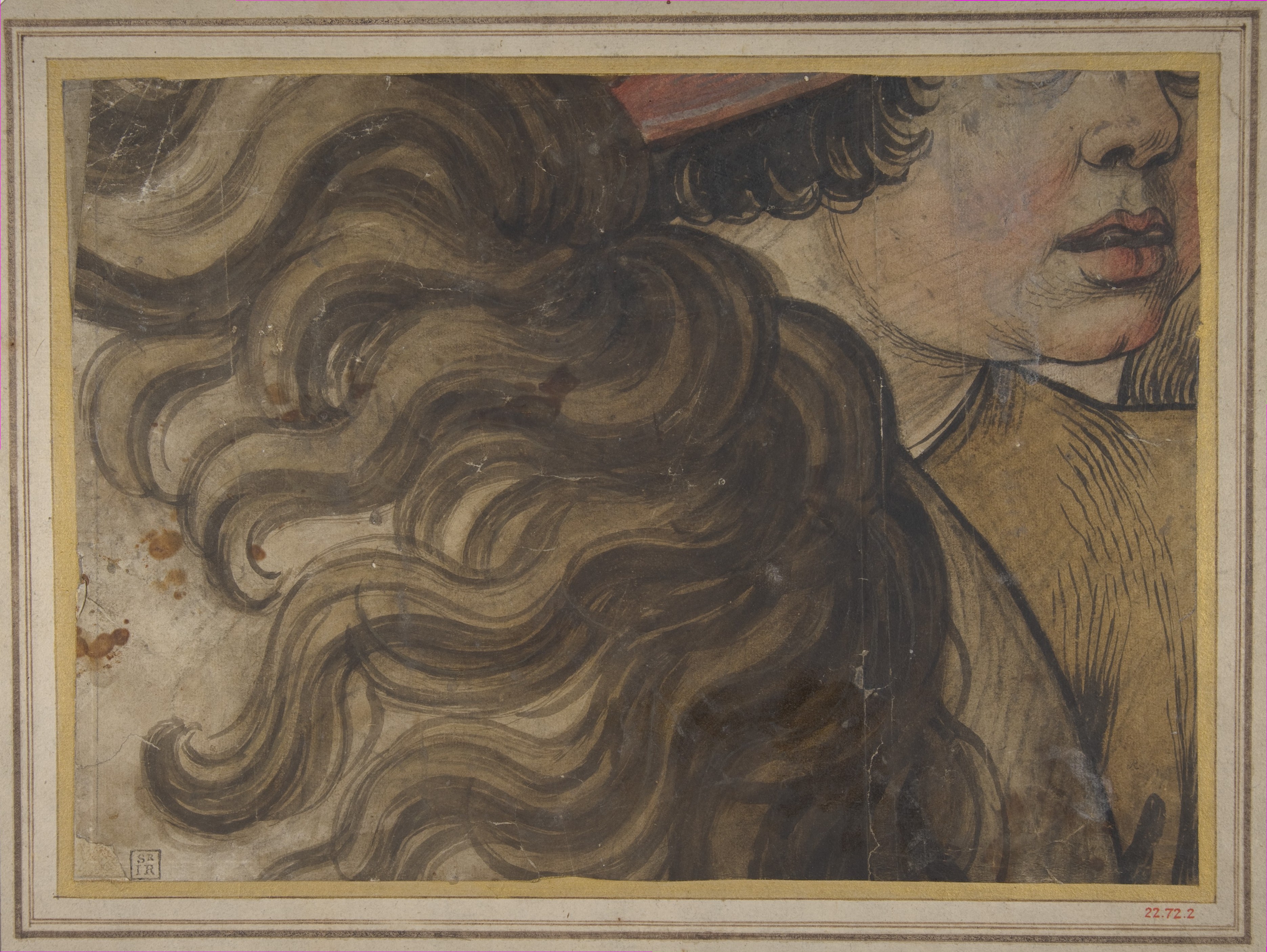
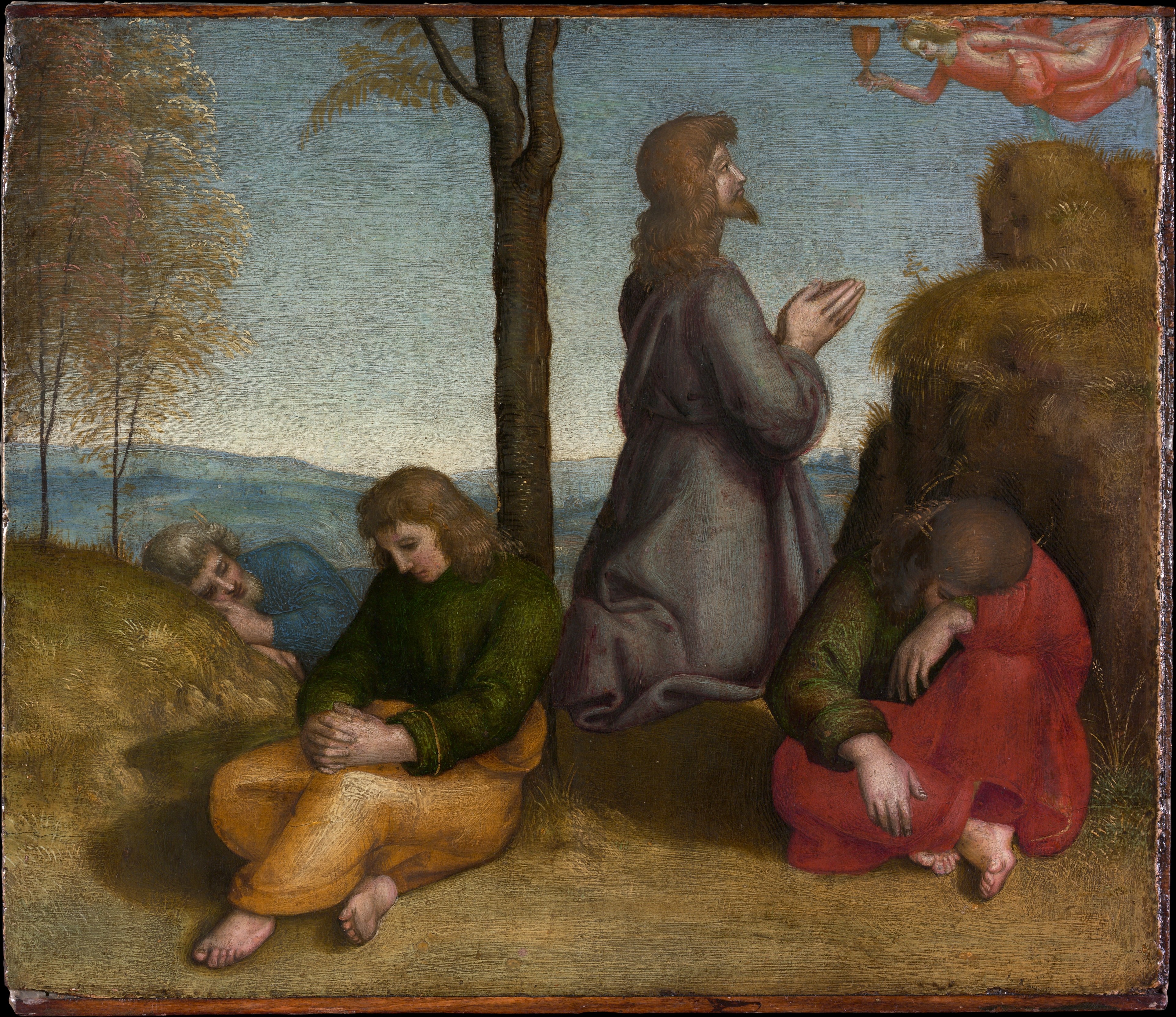
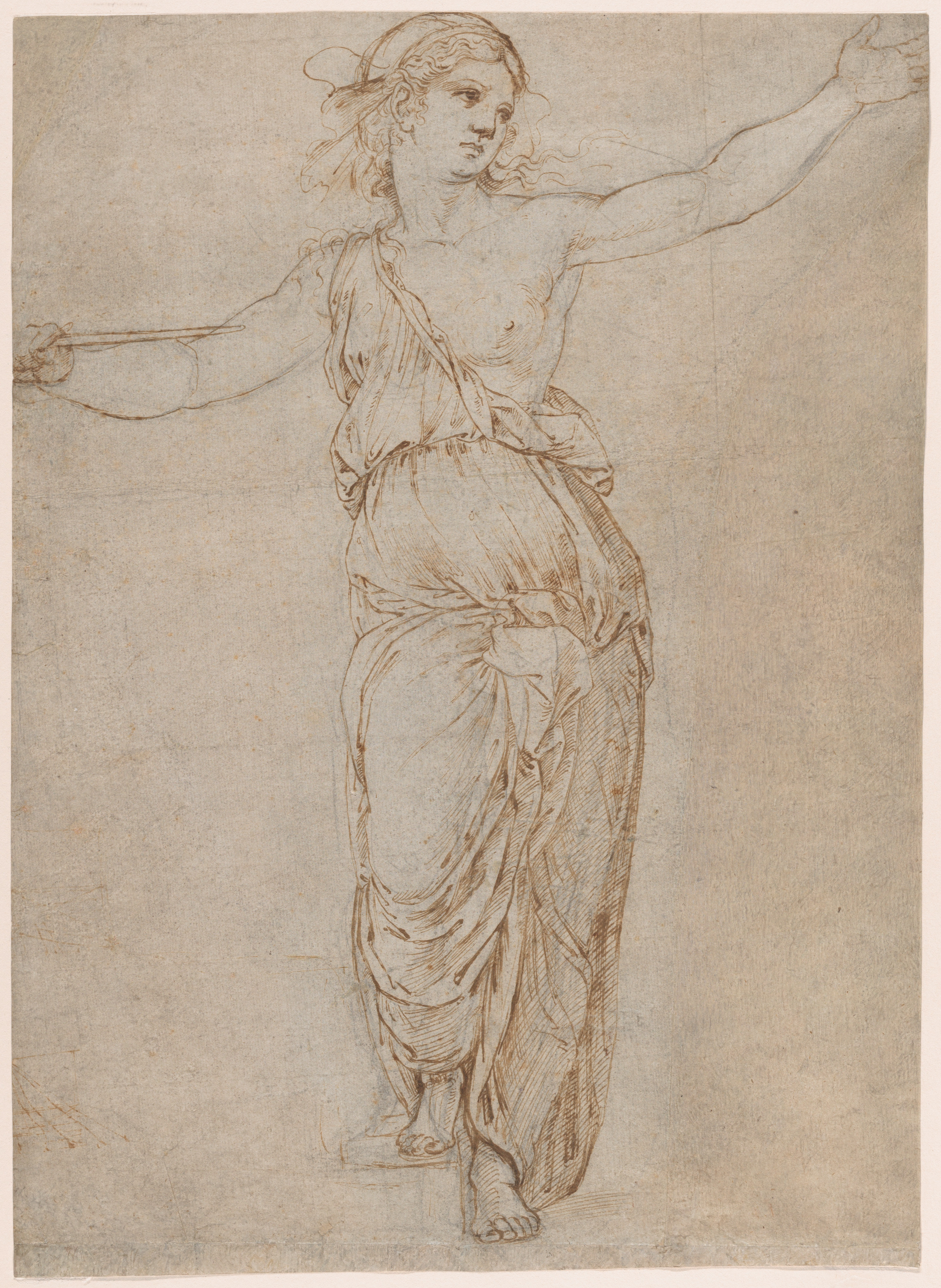
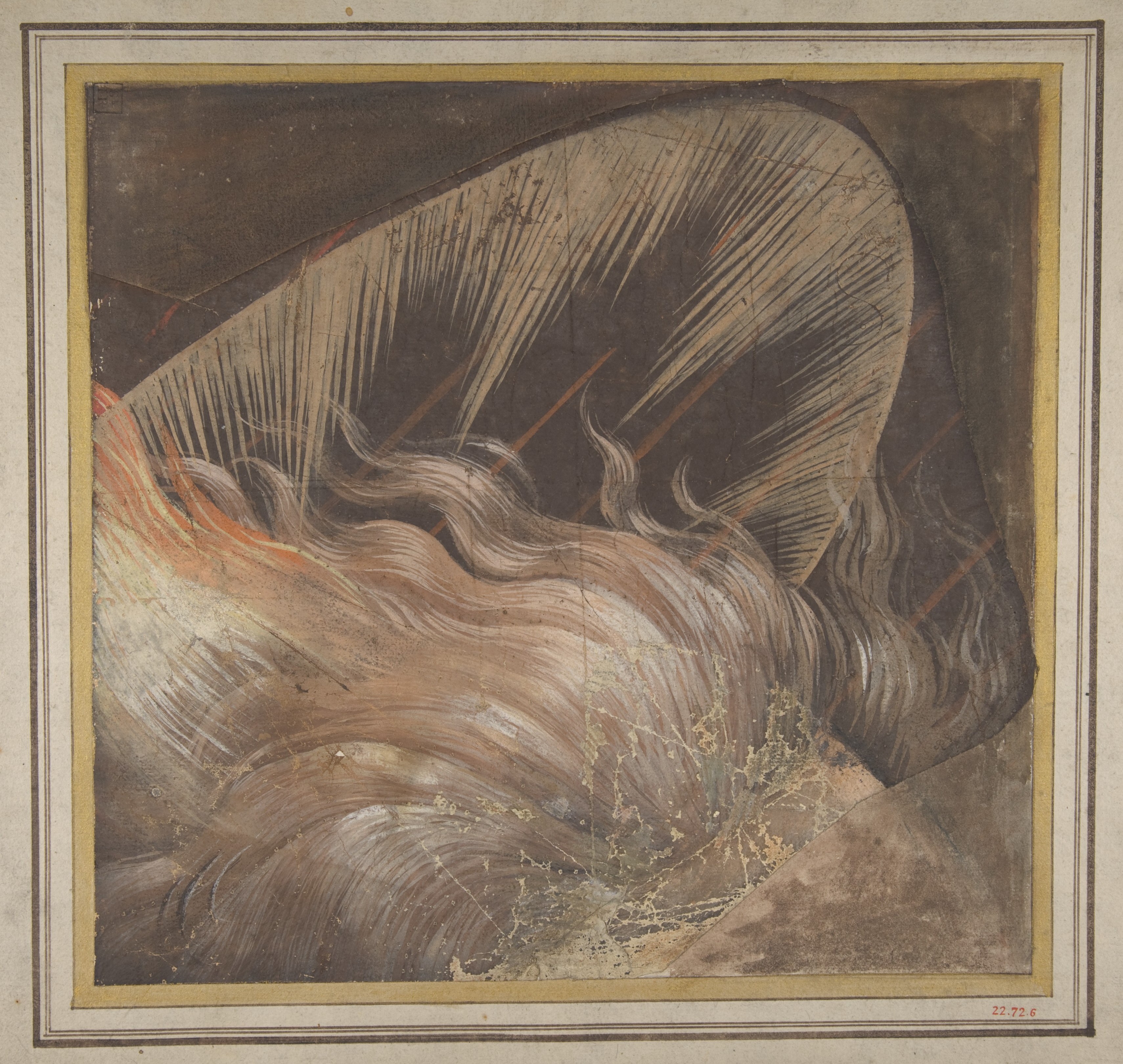
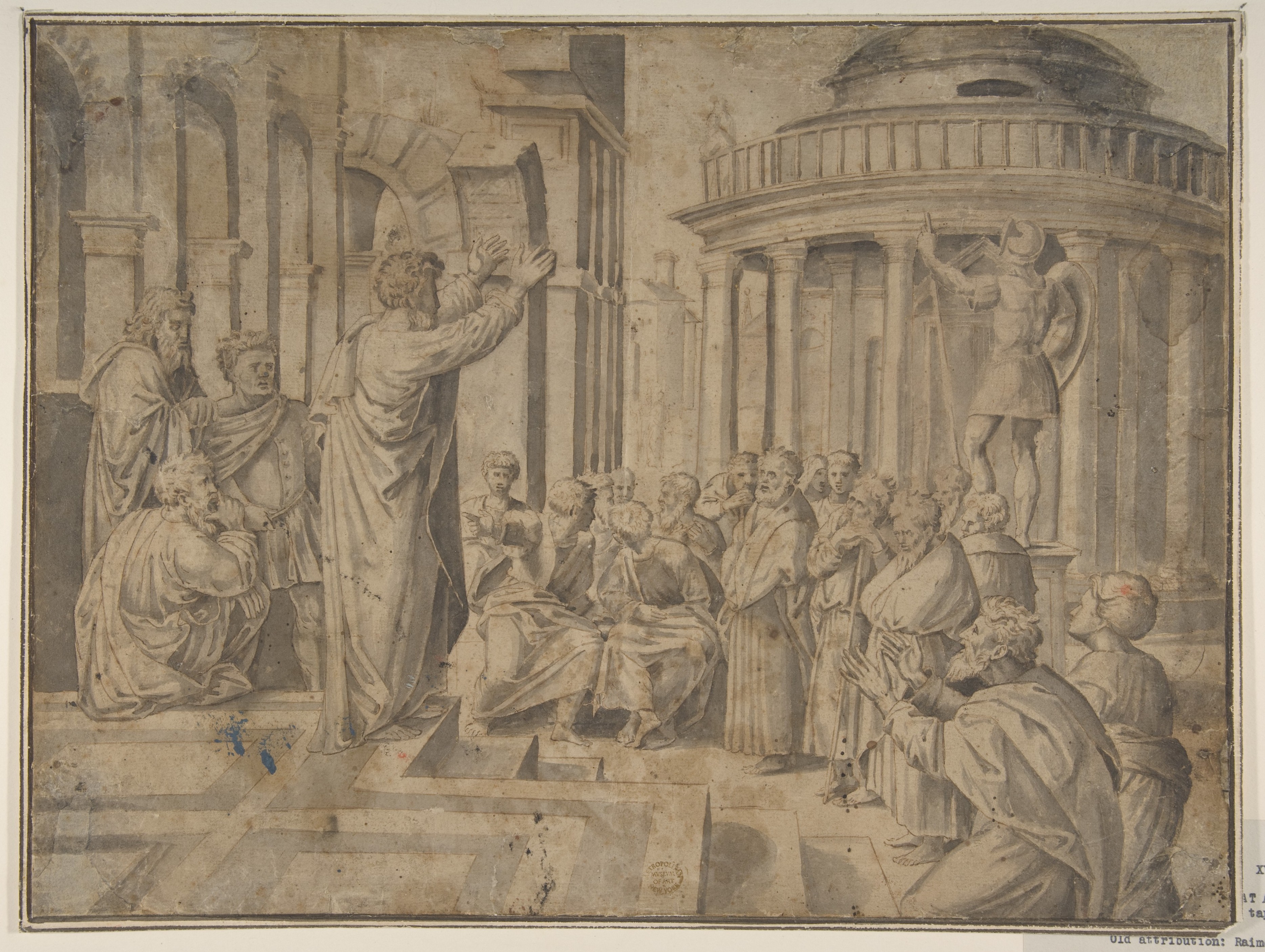
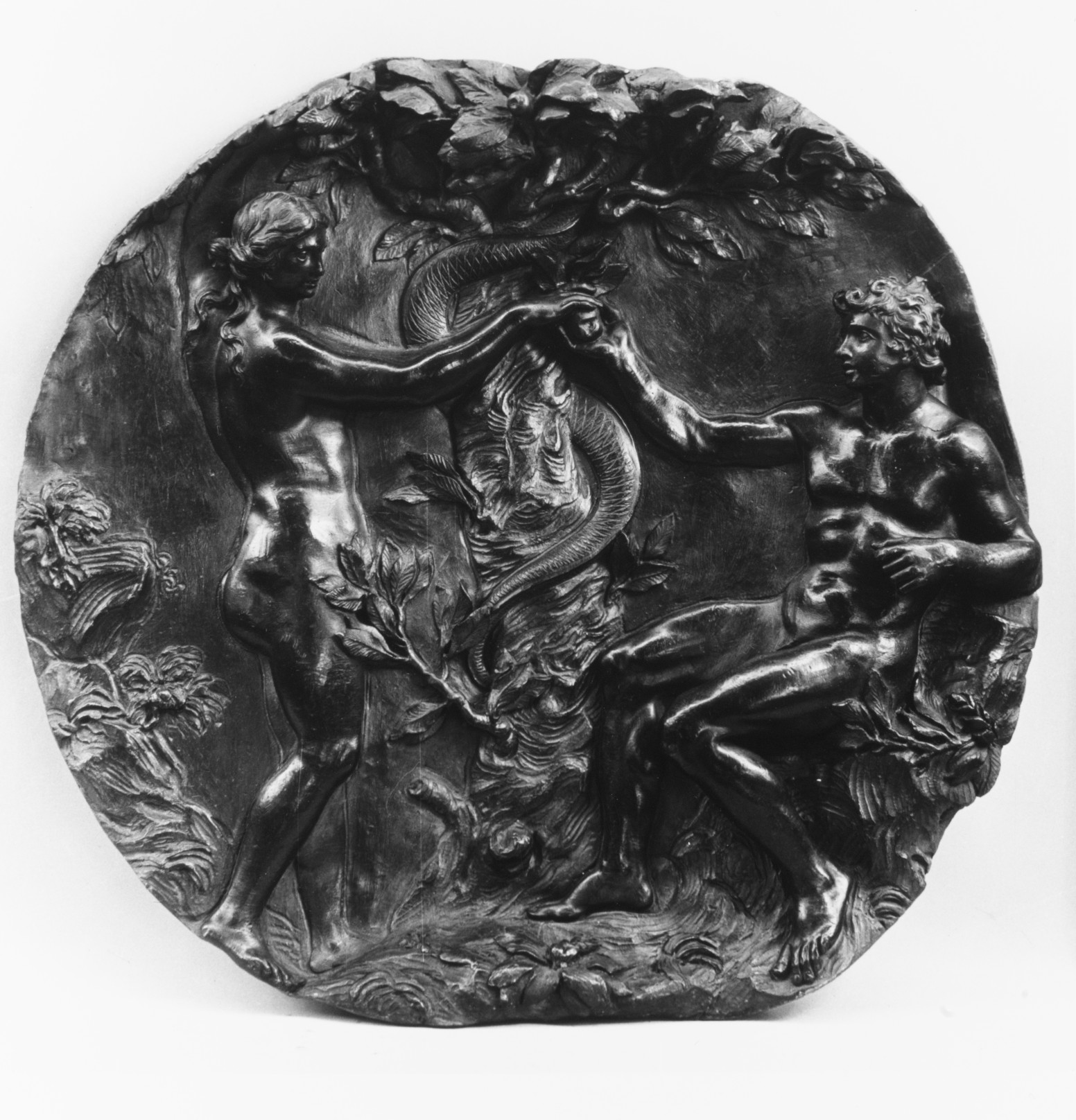
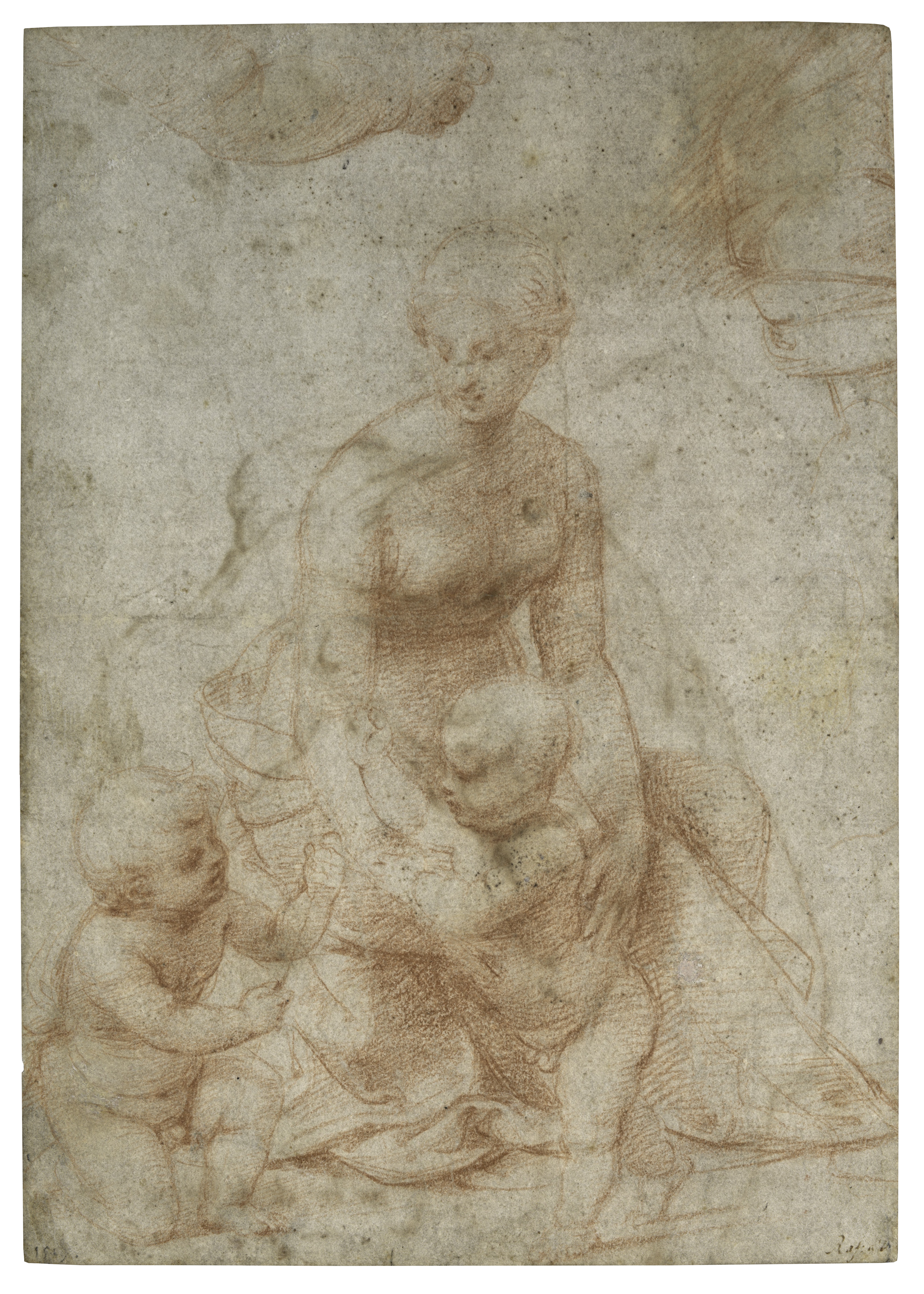
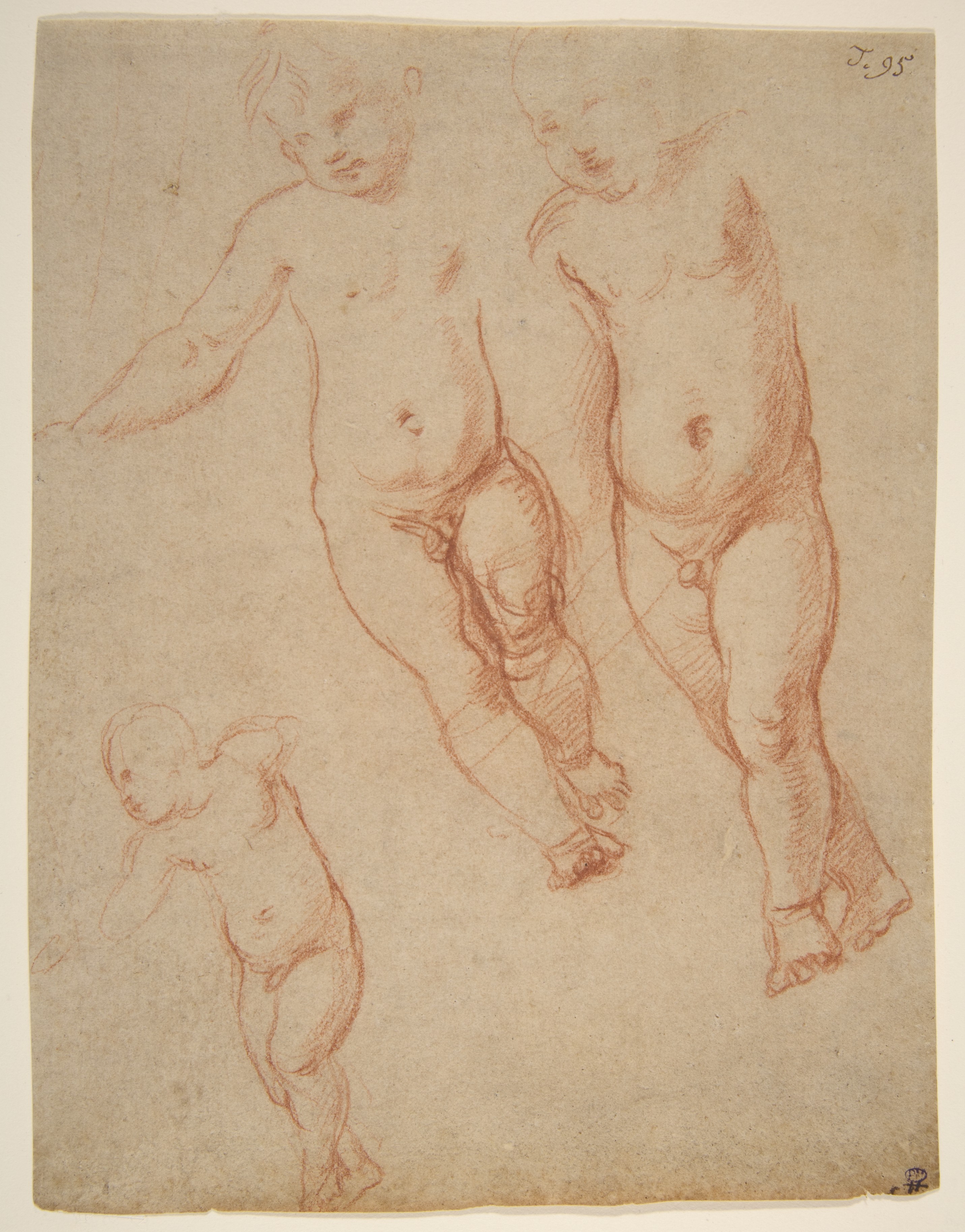
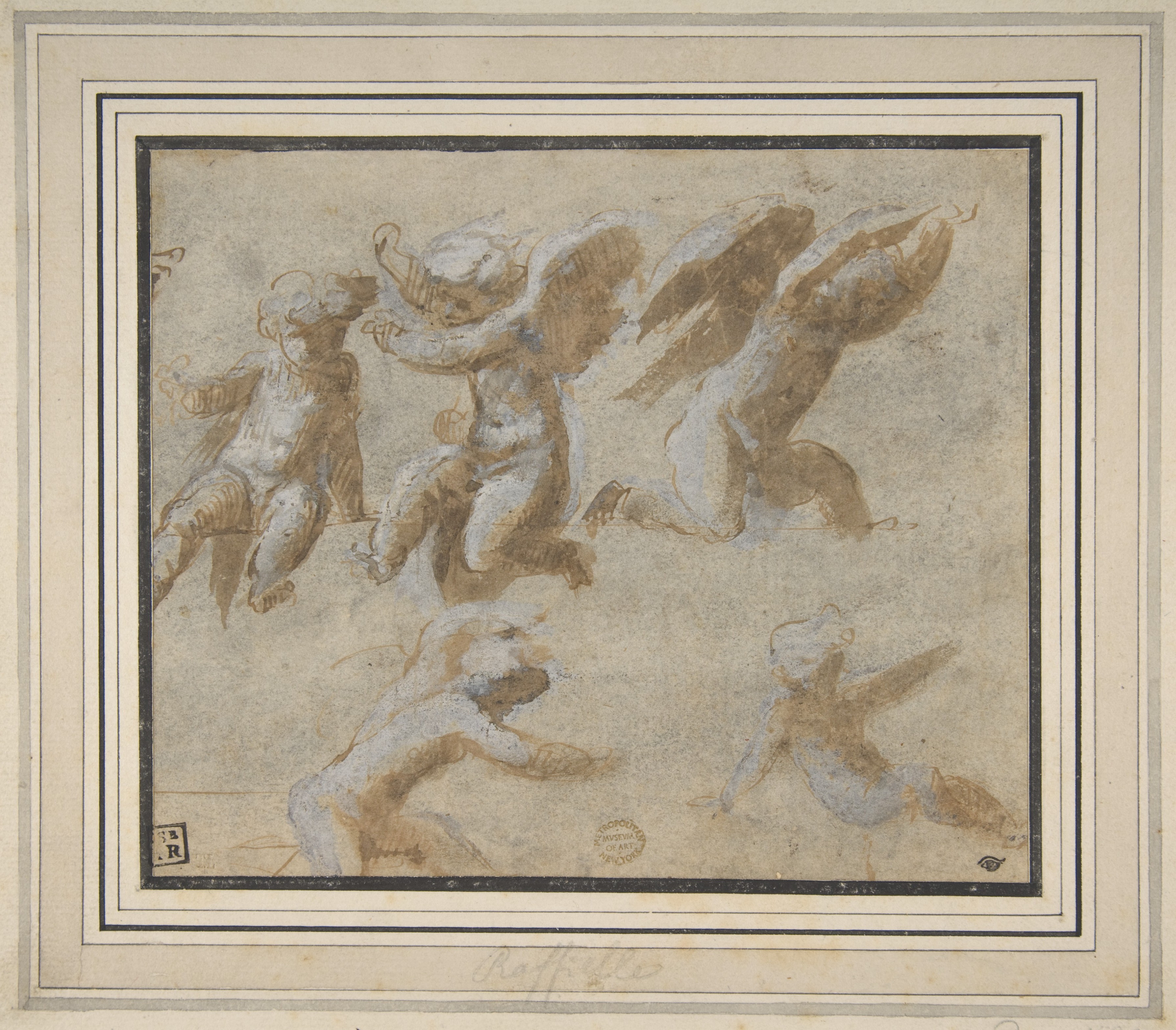
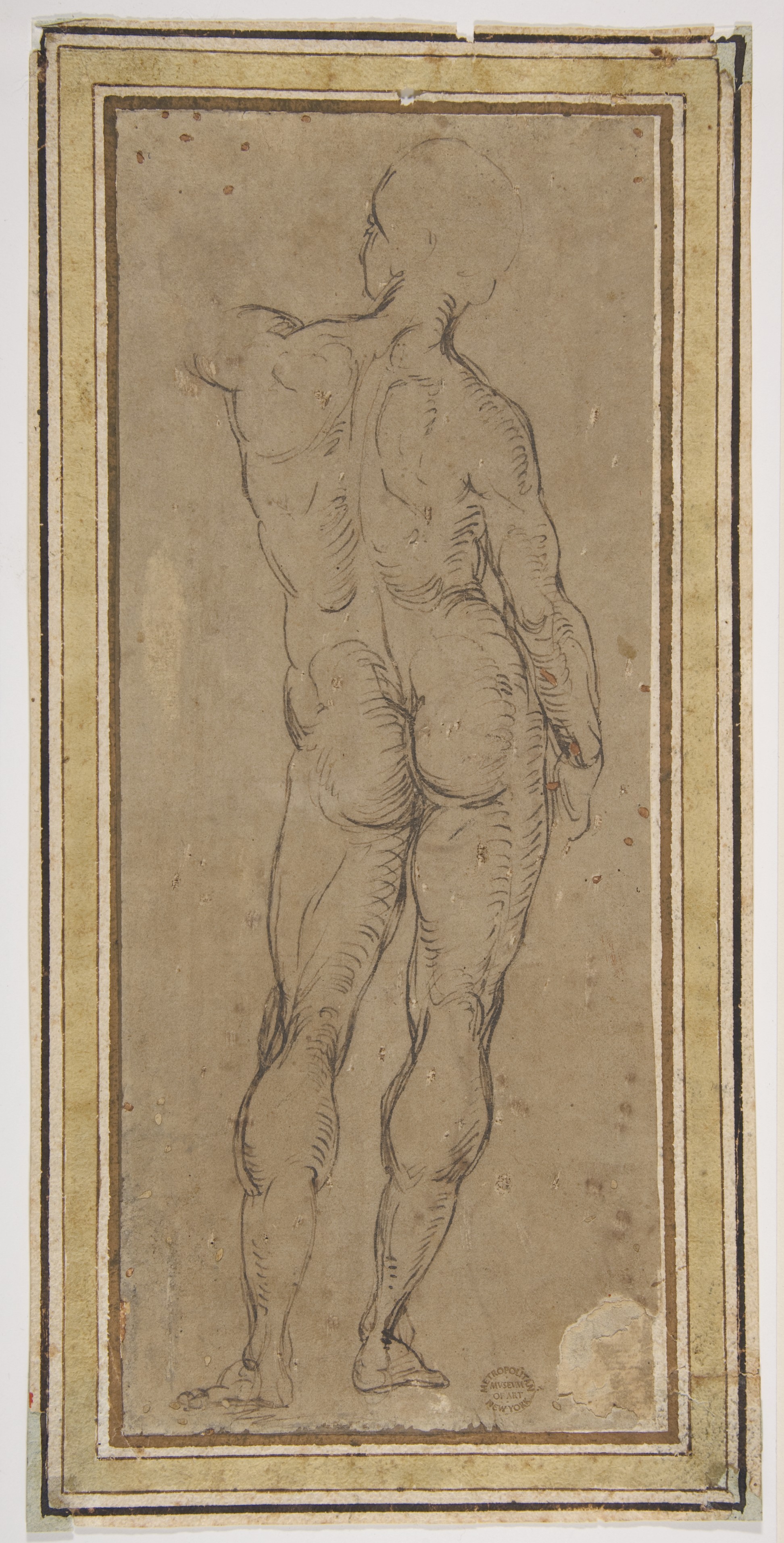
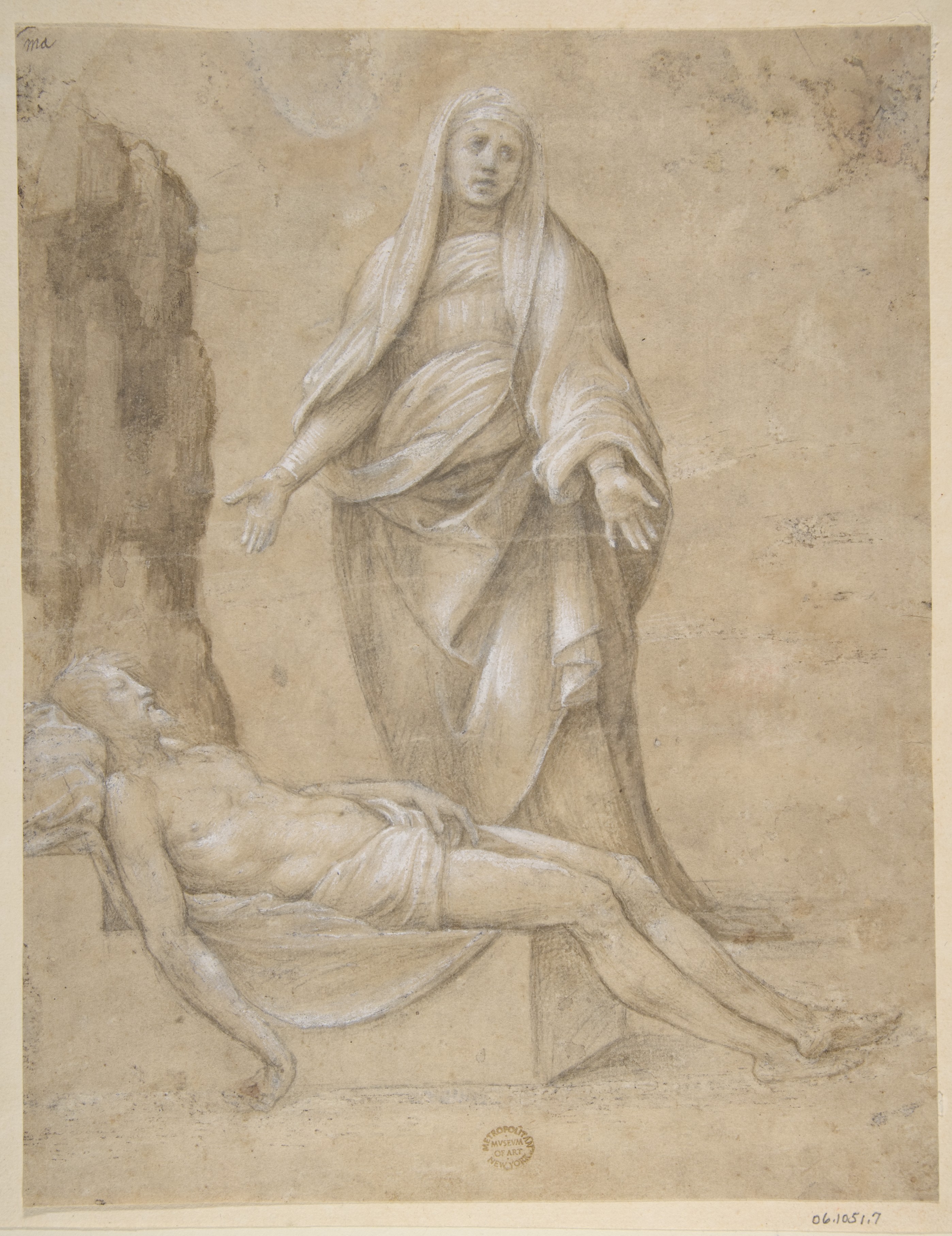
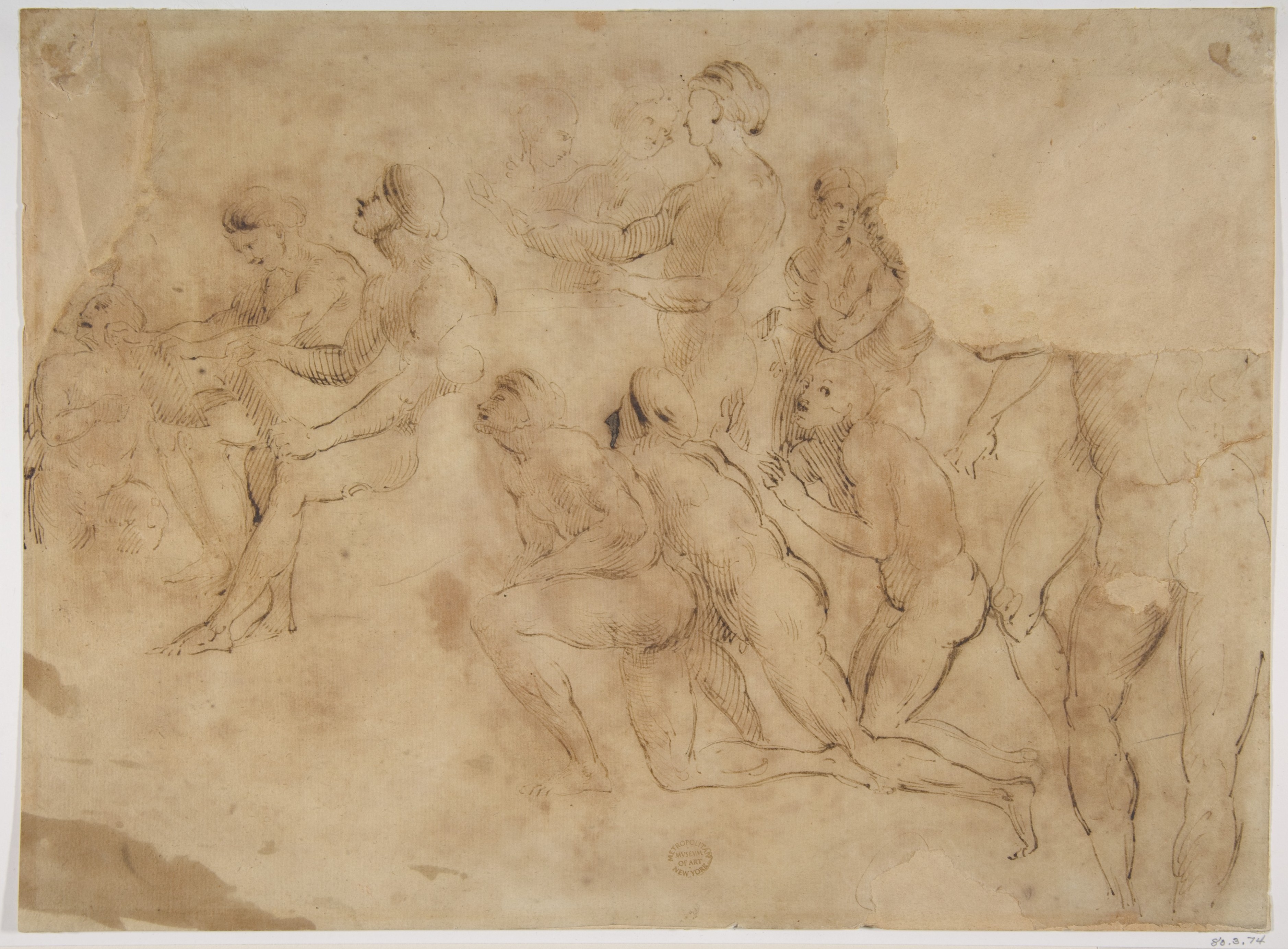
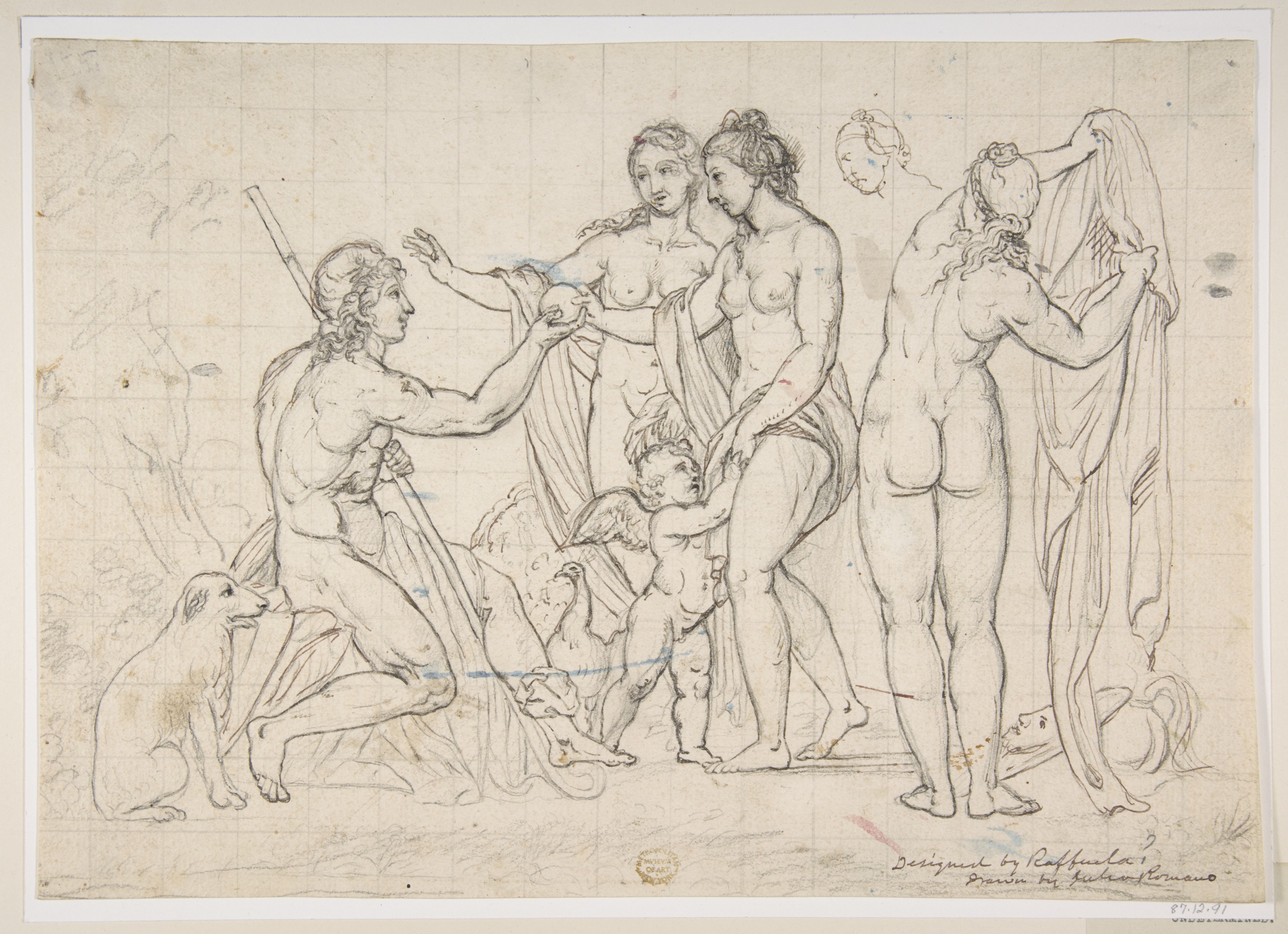
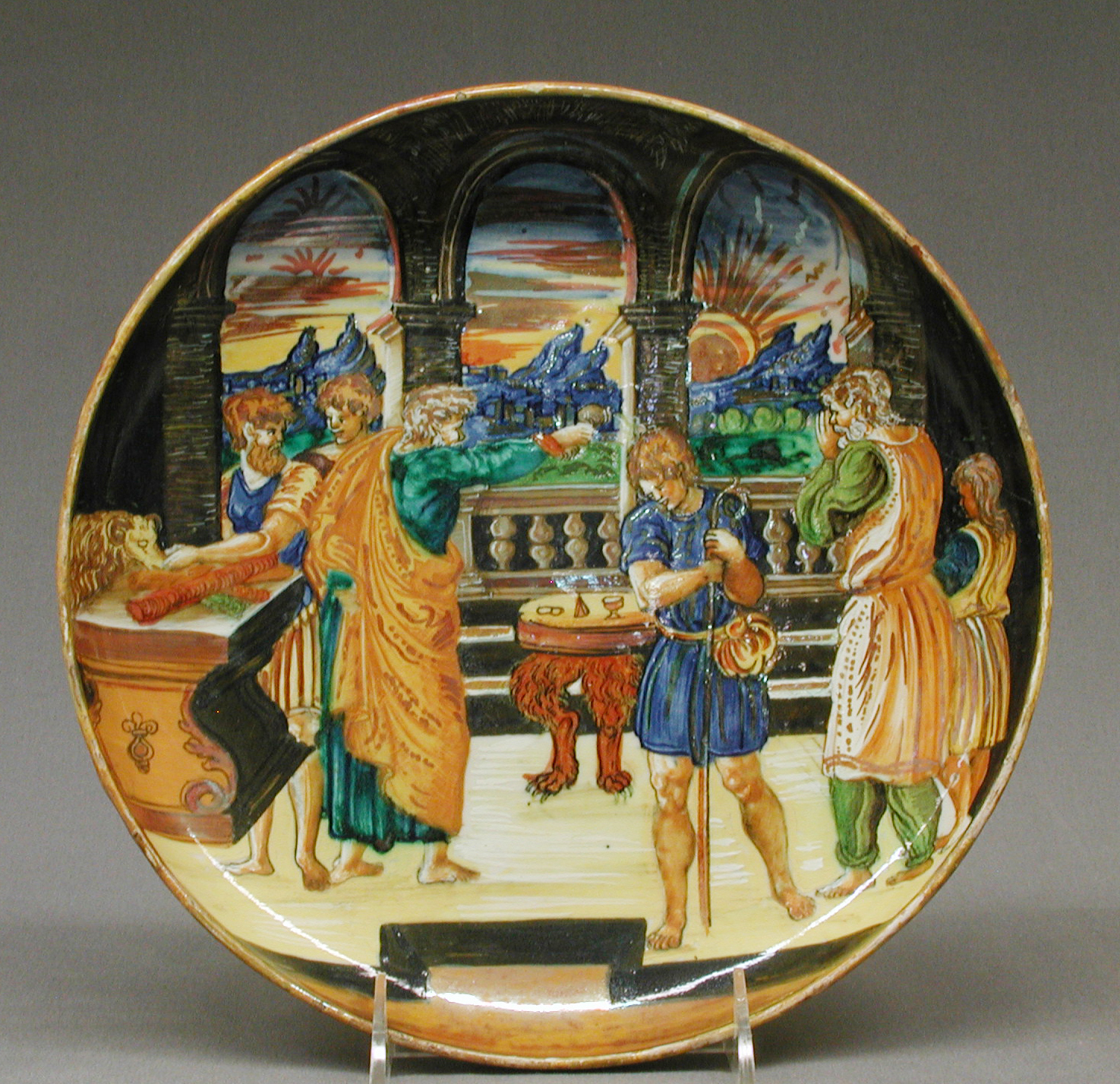
Raffaello Sanzio created various works, including tempera and oil paintings, tapestries, ceramics, and sculptures. His subjects included men, portraits, and religious scenes. For example, he painted "Giuliano de' Medici (1479–1516), Duke of Nemours" in 1500, which is a tempera and oil on canvas. "The Annointing of David by Samuel," created in 1520, is a maiolica, or tin-glazed earthenware. "Paul before Agrippa from a set of Scenes from the Life of Saint Paul," from 1595, is a tapestry made of wool and silk. "The Temptation of Adam and Eve," from 1700, is a sculpture made of lead, cast and chased, and covered with black lacquer. These works are held in The Metropolitan Museum of Art.
Biography
Raffaello Sanzio was born in Urbino on April 6, 1483. He was a painter, sculptor, architect, and draftsperson. His father was Giovanni Santi. Raffaello Sanzio was part of the Italian Renaissance and High Renaissance movements, creating history paintings, portraits, allegories, religious art, and mythological paintings. He worked in Florence, Perugia, Rome, Siena, and Urbino. He was a citizen of the Holy Roman Empire and spoke Italian. Among his notable works are "La fornarina" (1519), "The School of Athens" (1512), and the "Raphael Rooms" (1508). He also painted "Resurrection of Christ" (1500), "Madonna and Child with the Book" (1503), and "The Marriage of the Virgin" (1504). Other works include "Madonna del Granduca" (1506), "Madonna of the Goldfinch" (1505), "Madonna del Prato" (1505), "The Deposition" (1507), "Sistine Madonna" (1512), and "Transfiguration" (1518). Raffaello Sanzio died in Rome on April 6, 1520, of natural causes due to heart failure.
Works