15 July 1606 – 4 October 1669 · Leiden
Rembrandt van Rijn
Work
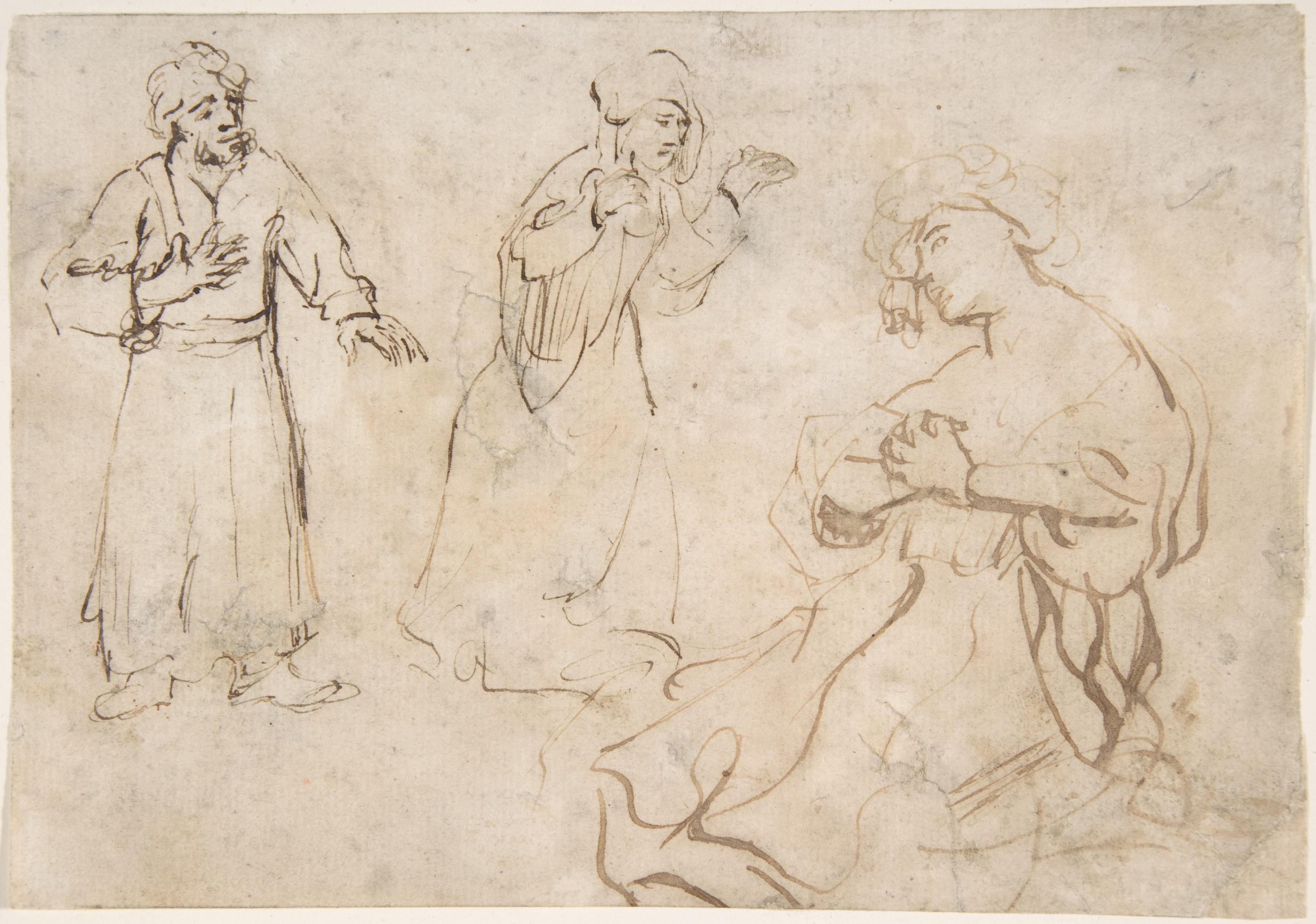
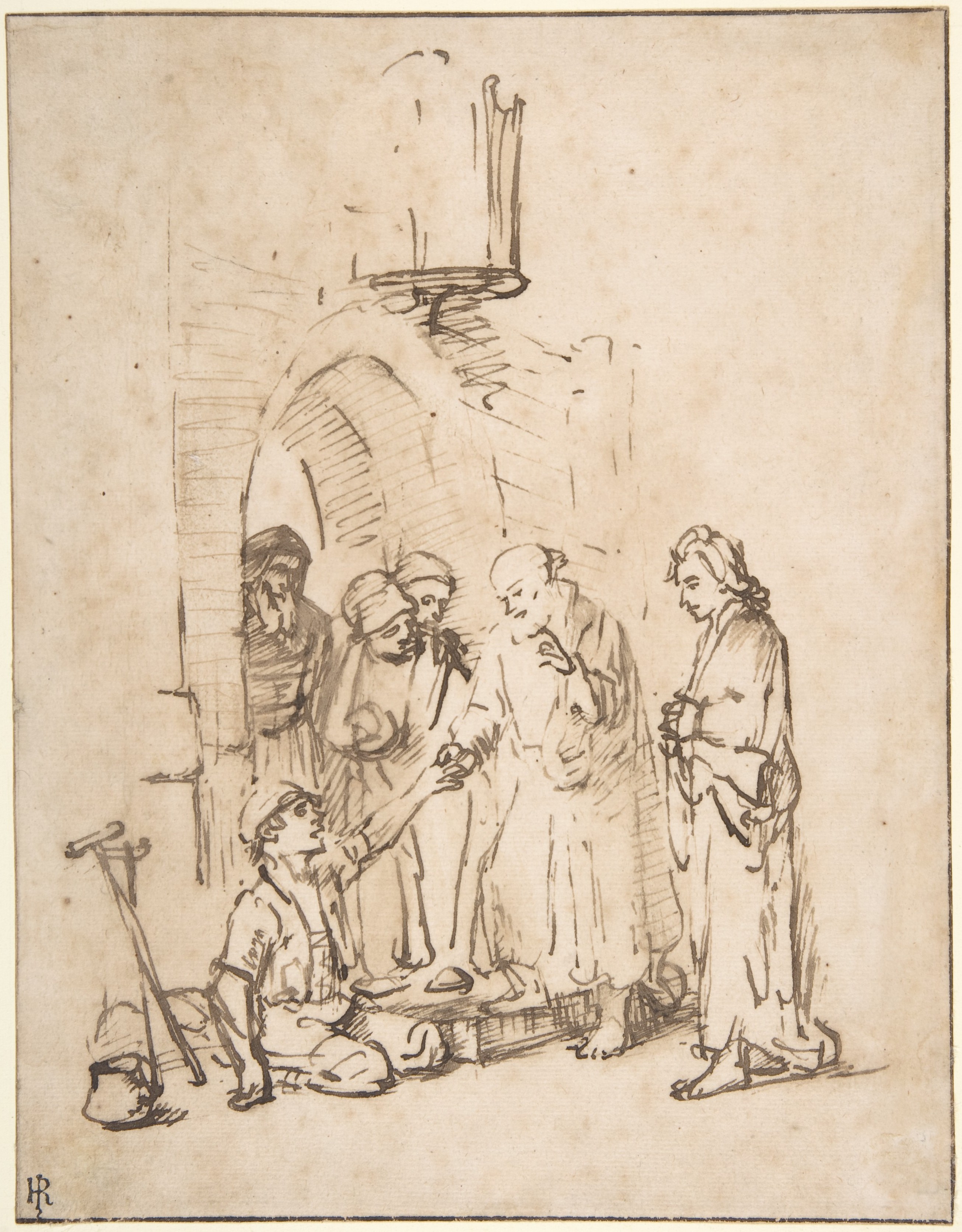
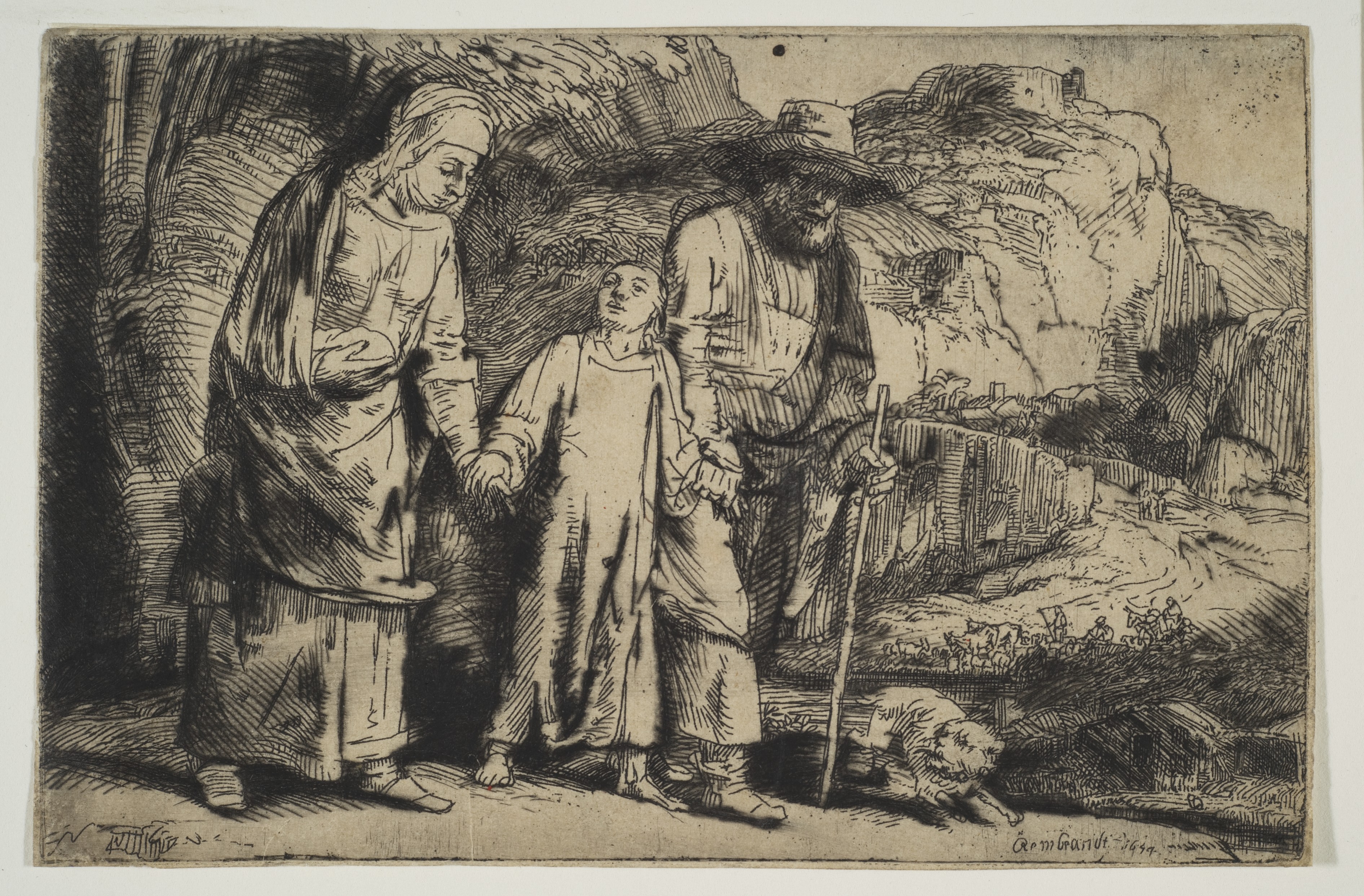
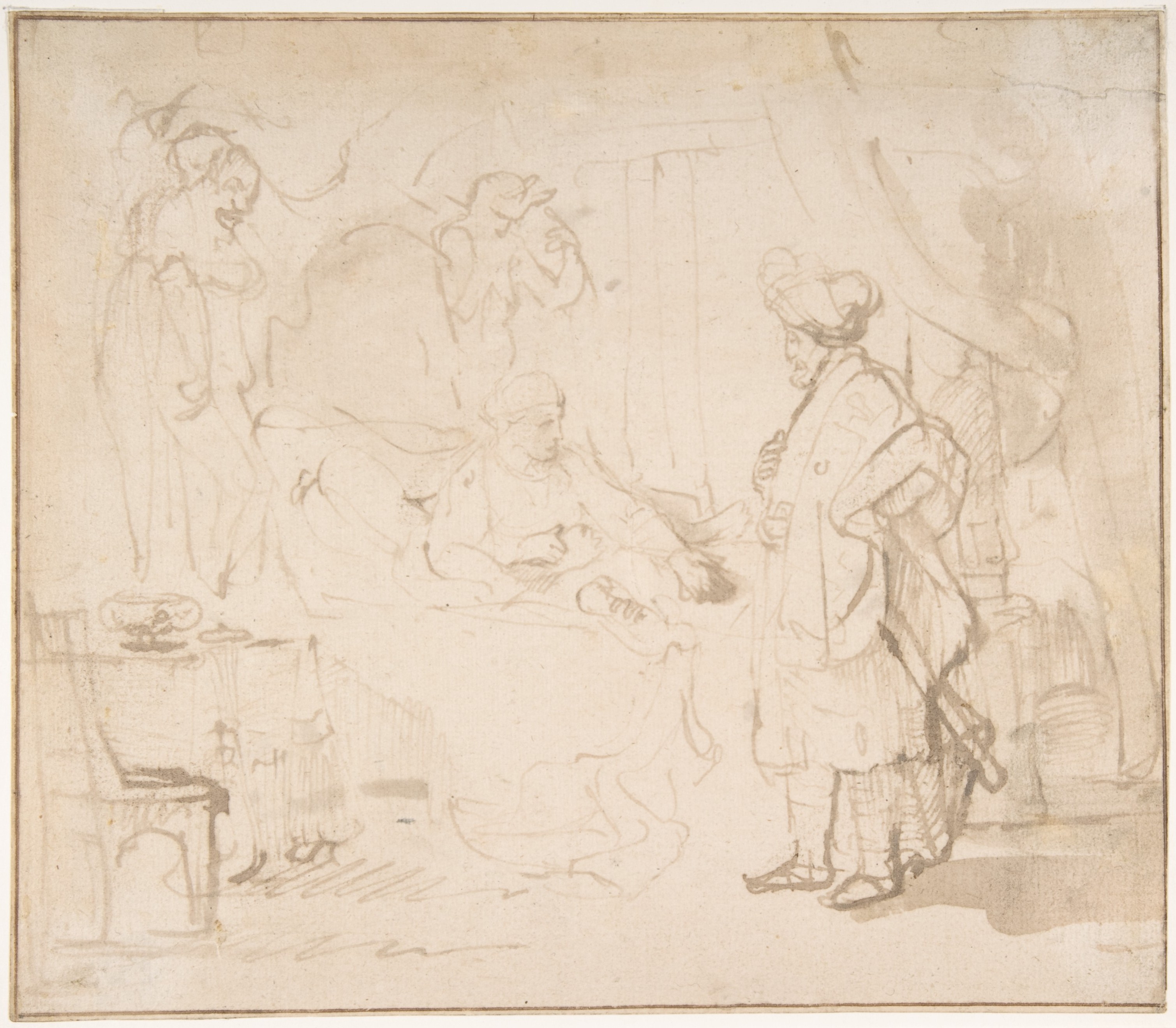
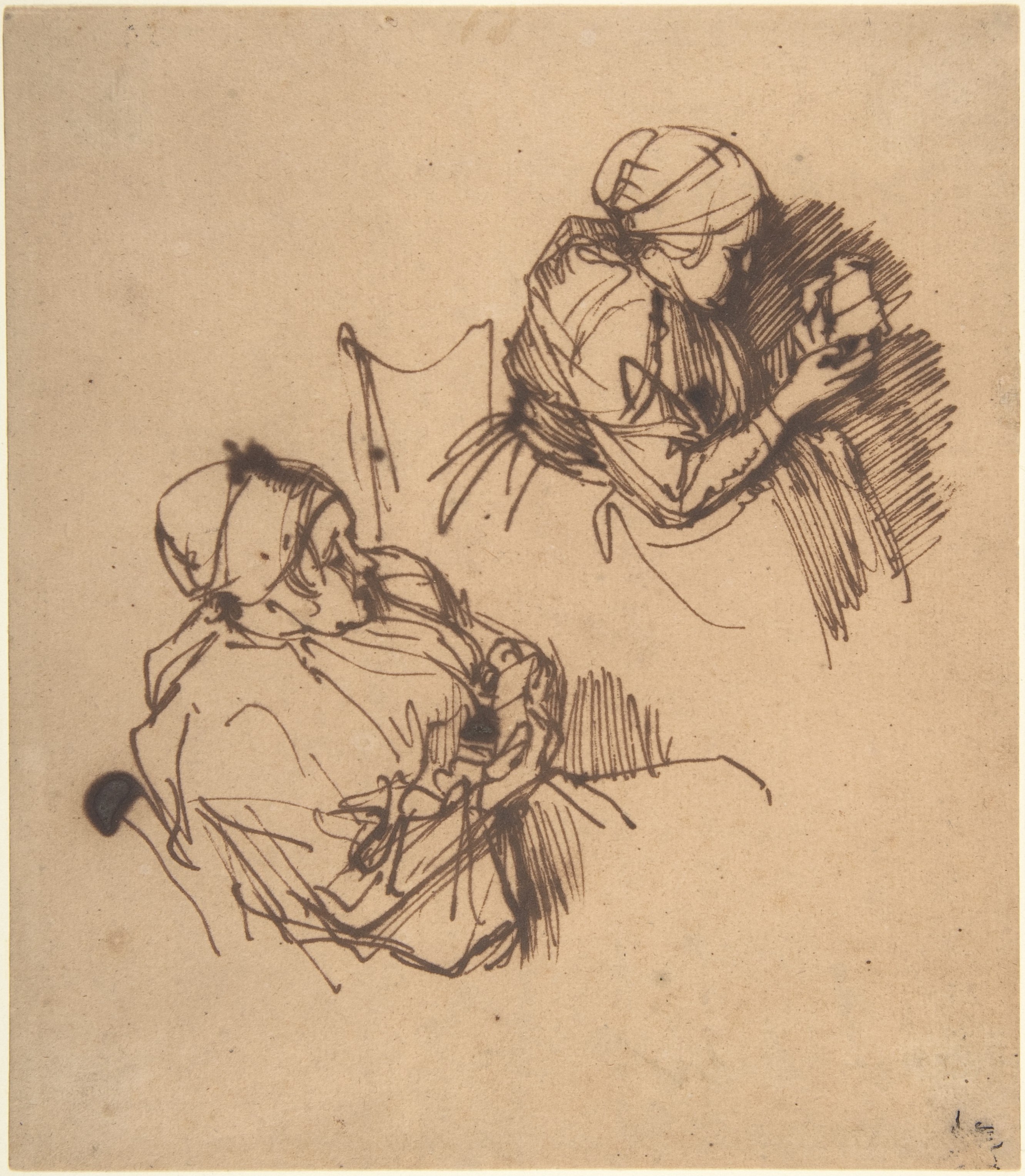
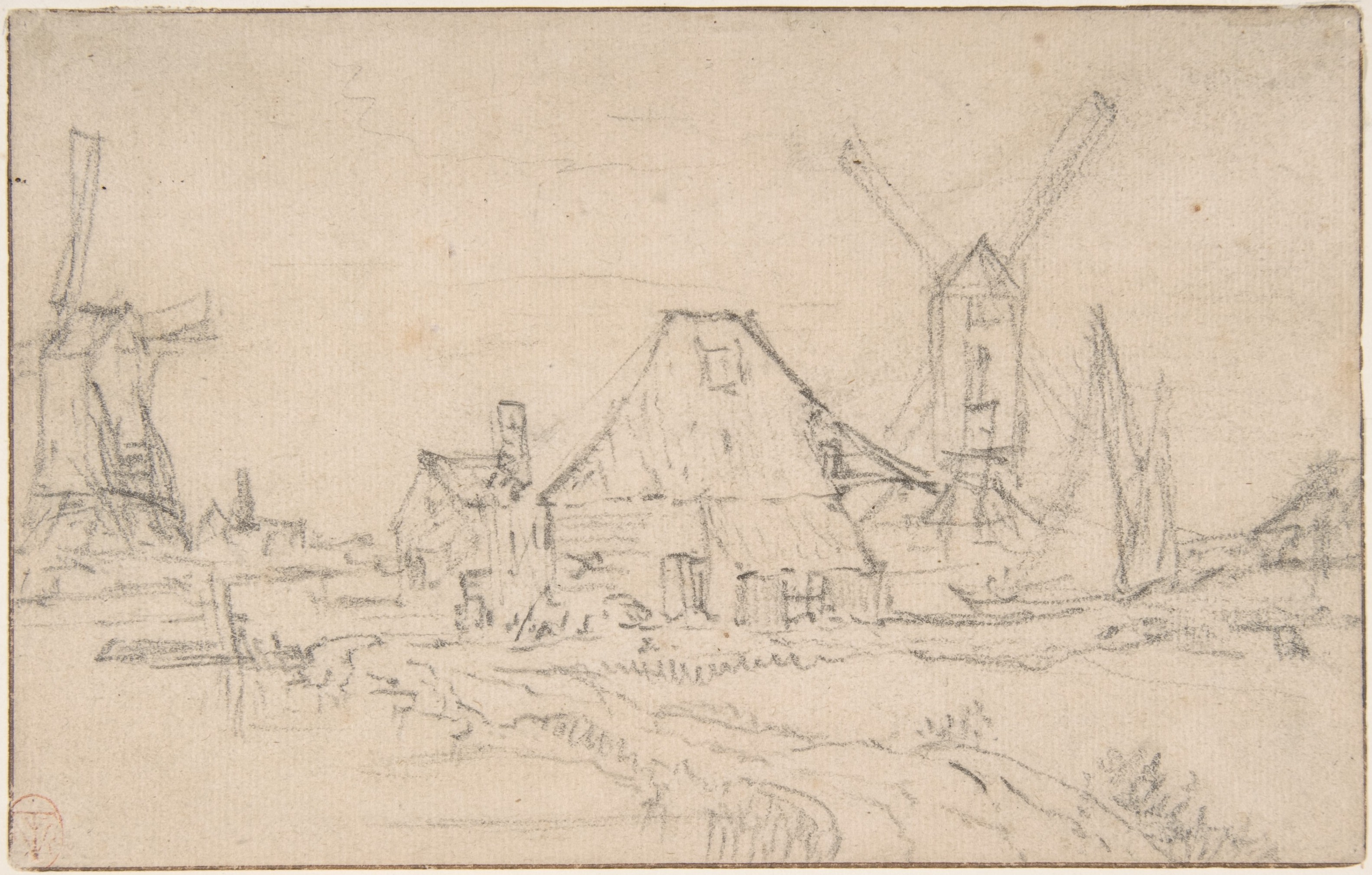
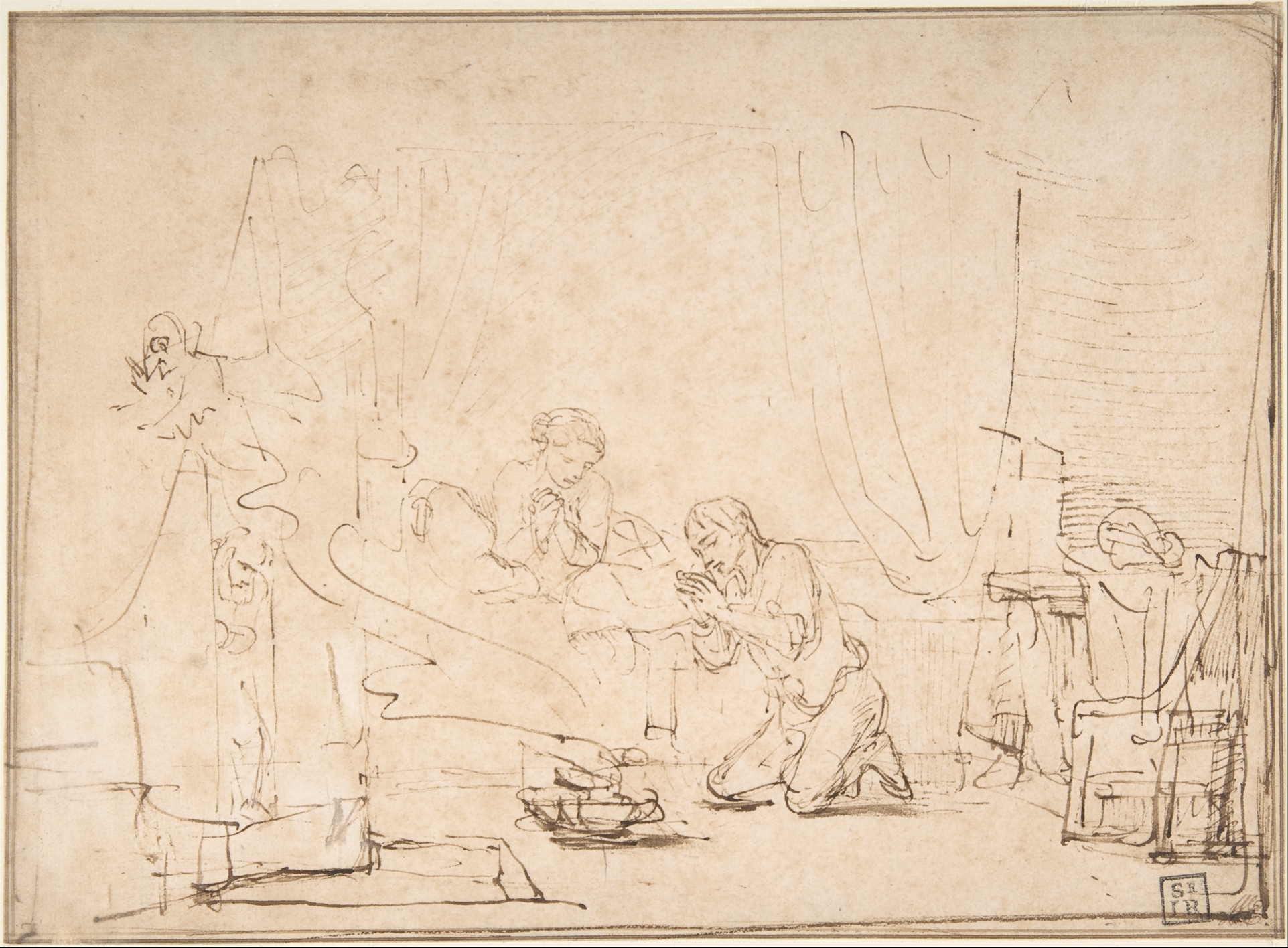
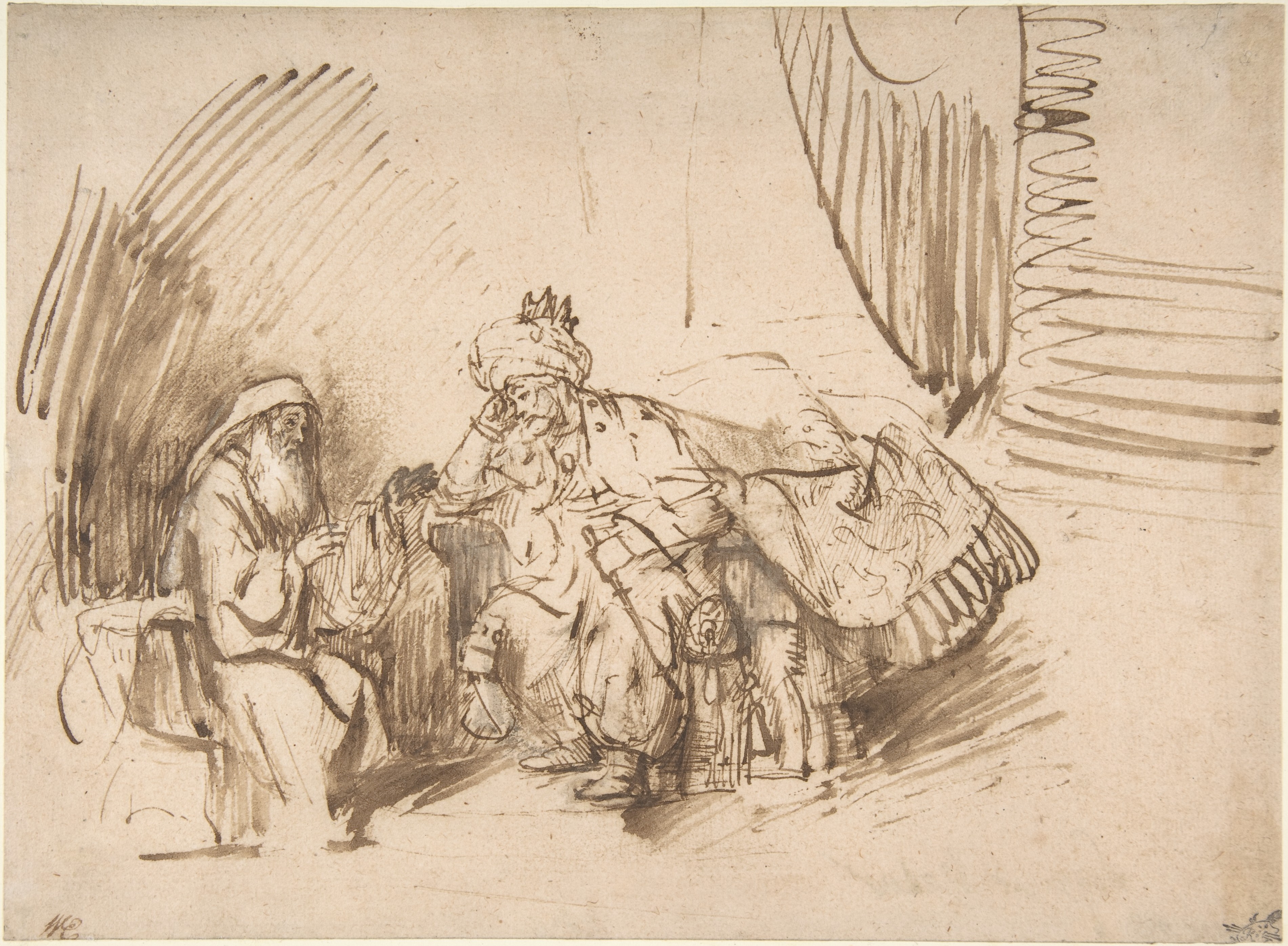
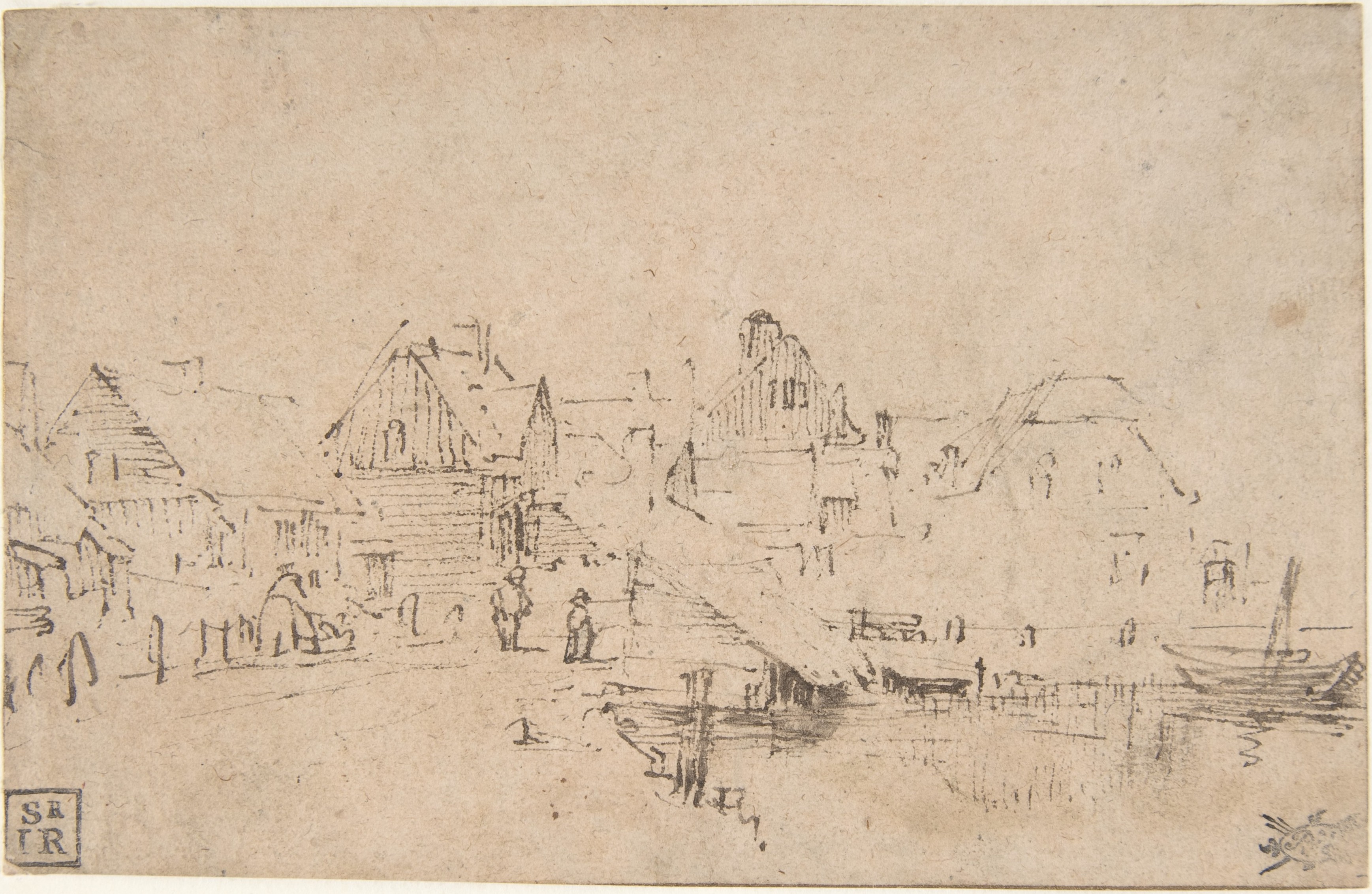
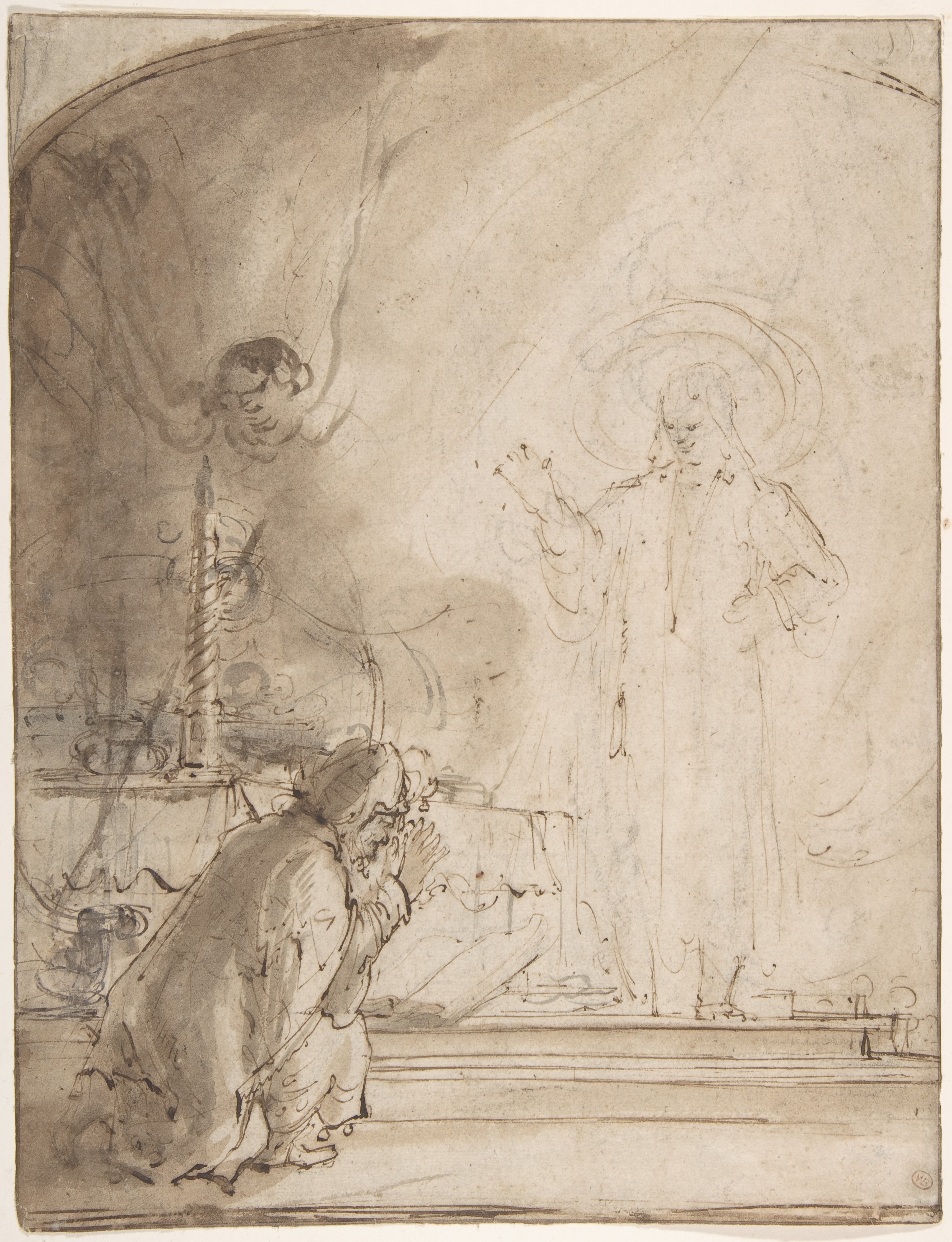
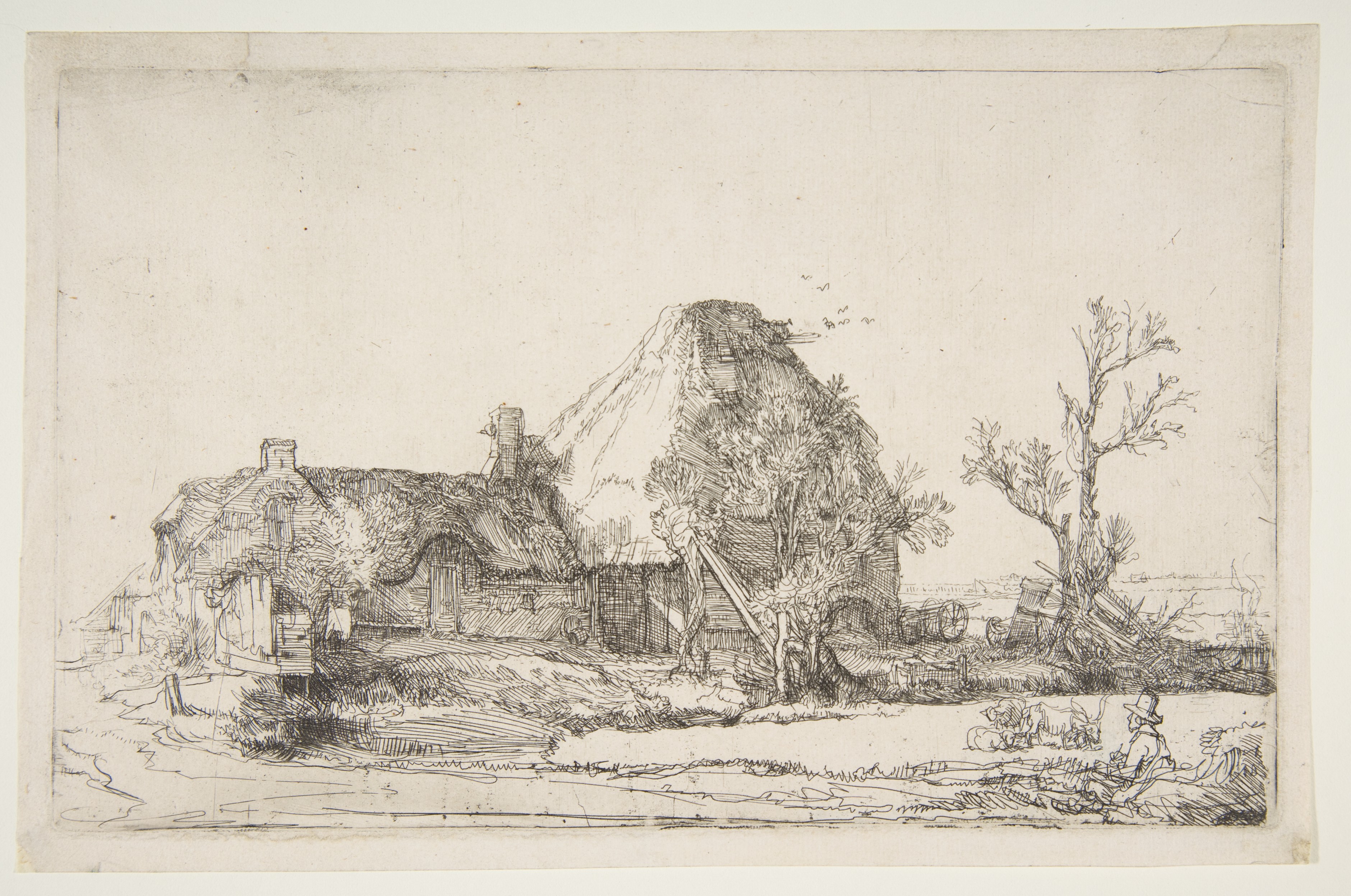
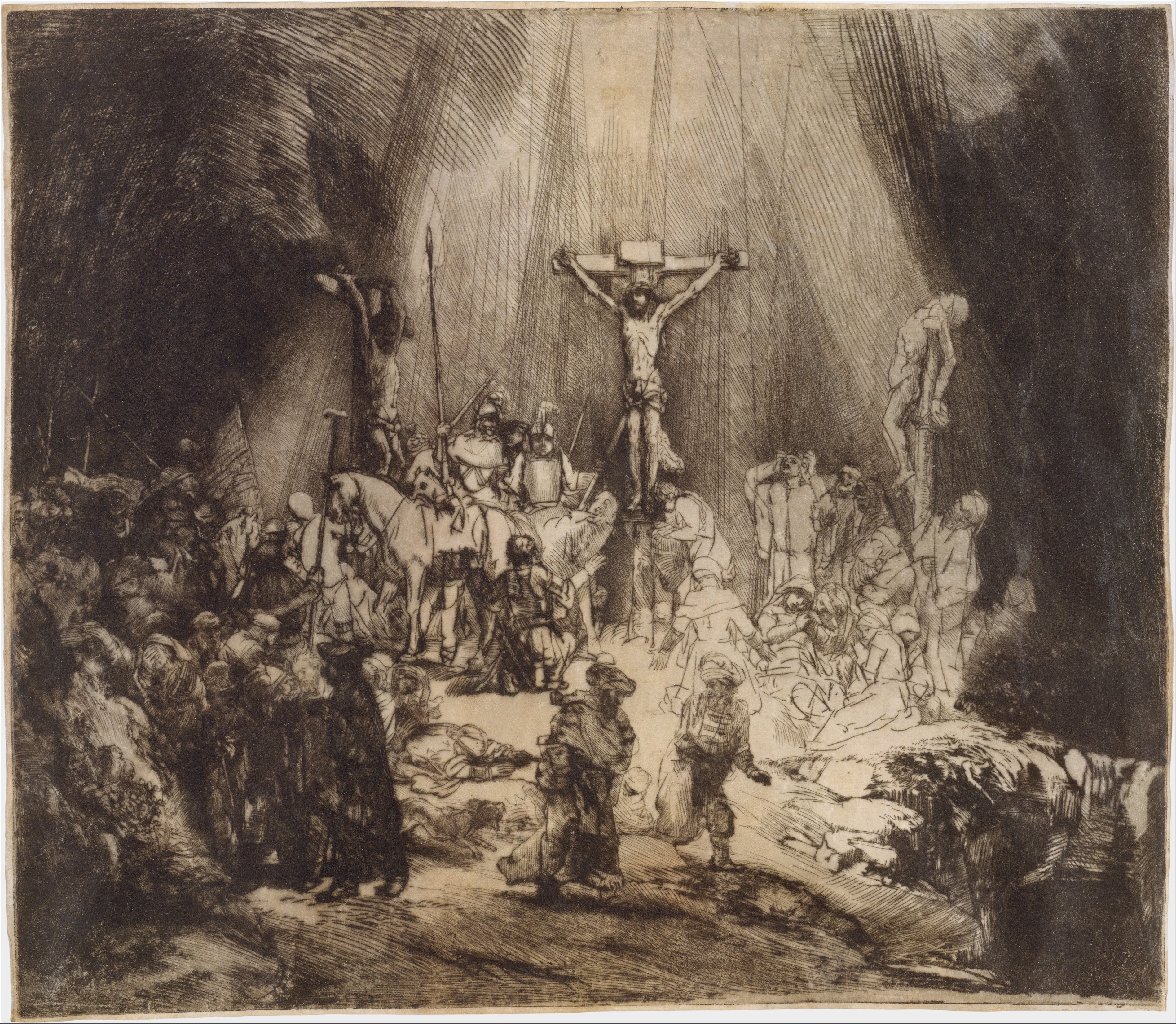
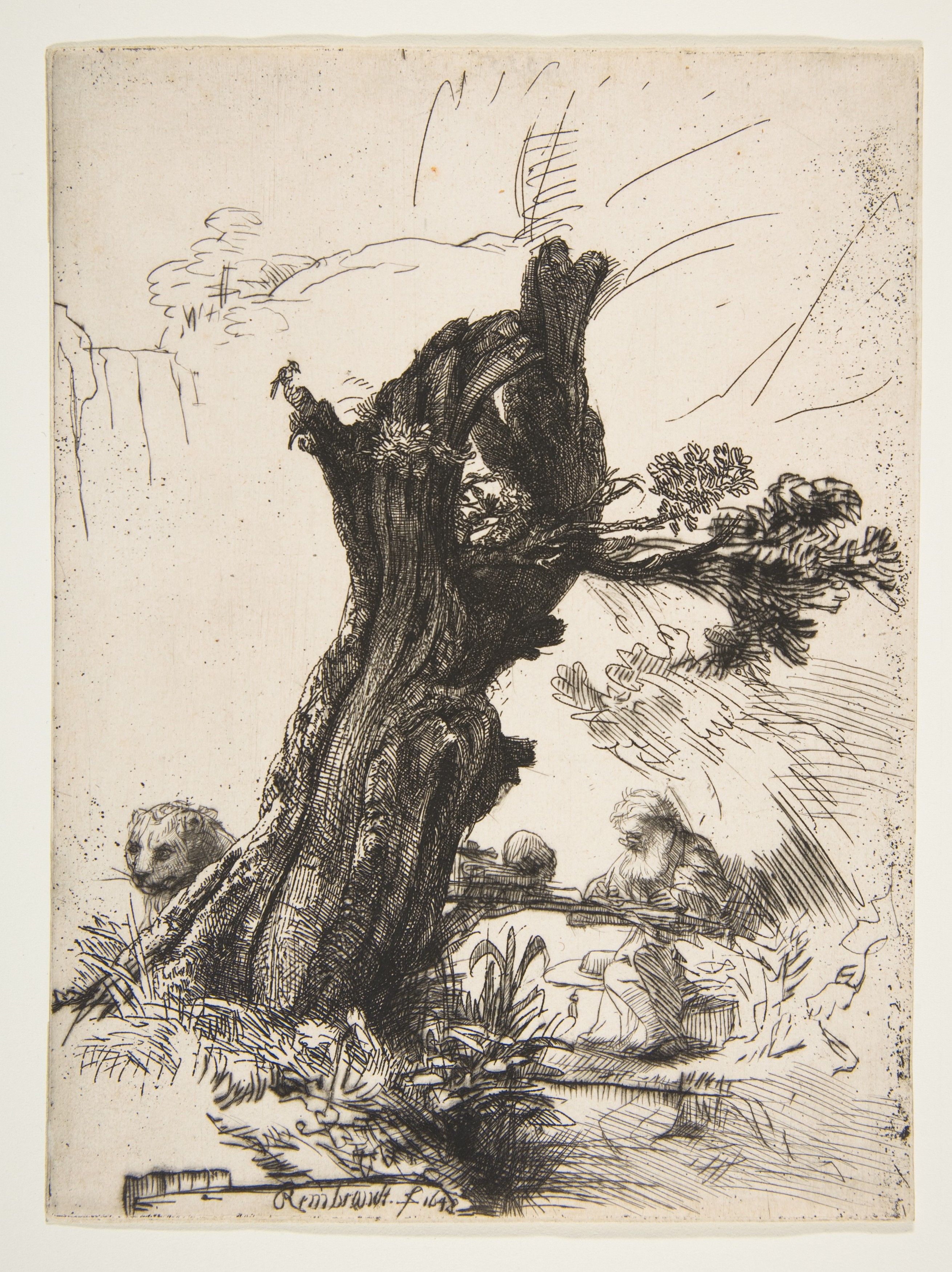
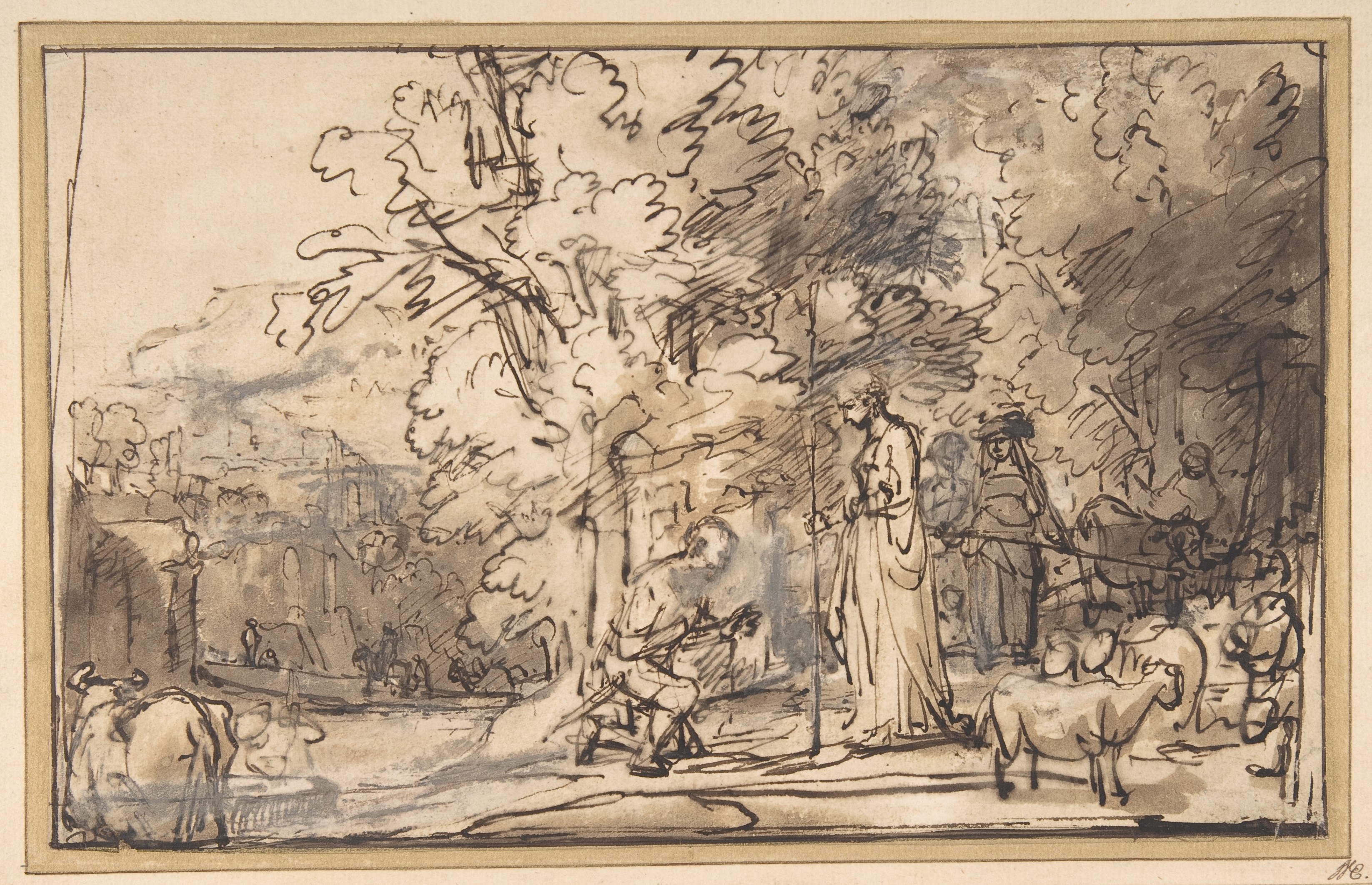
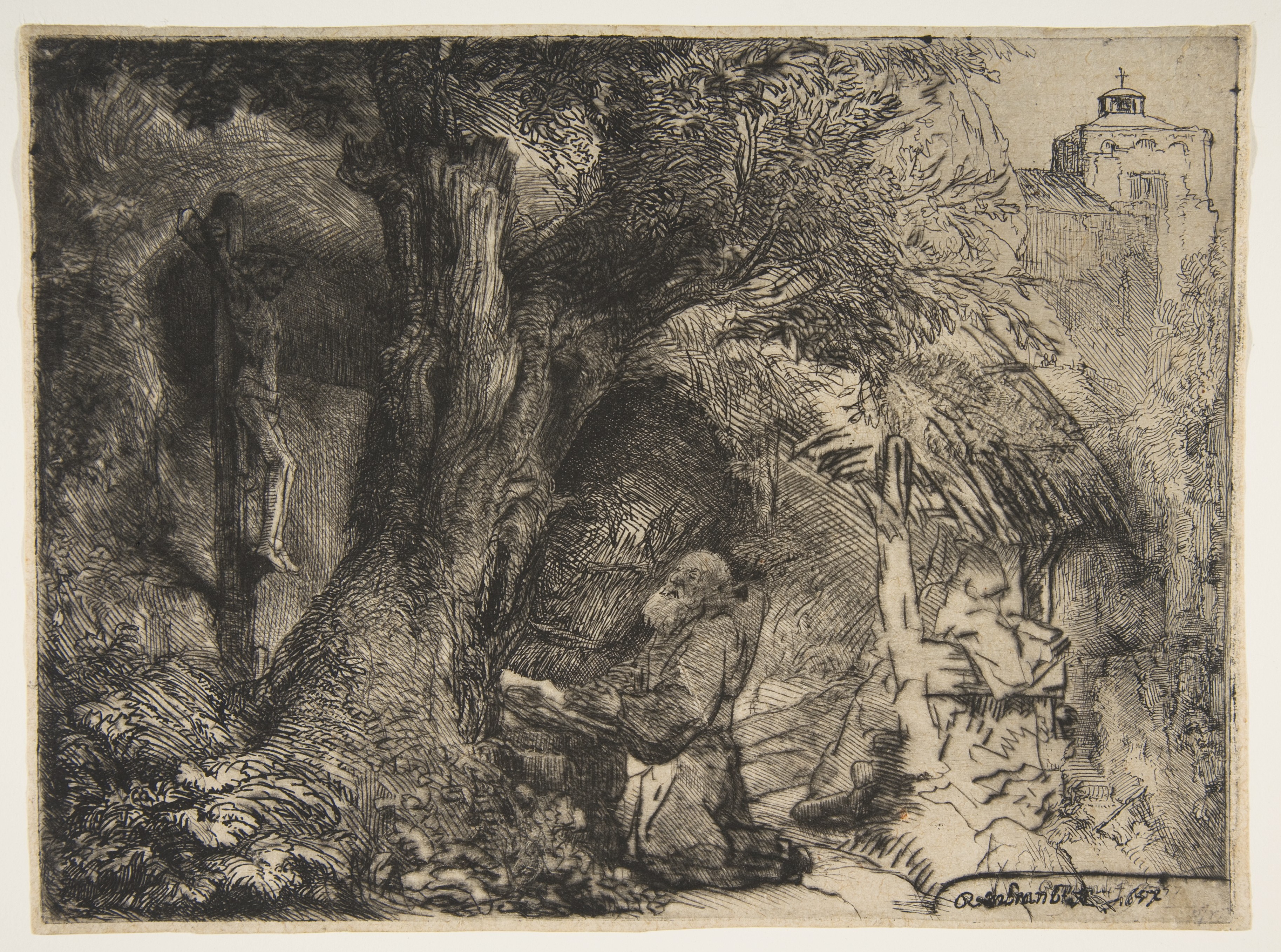
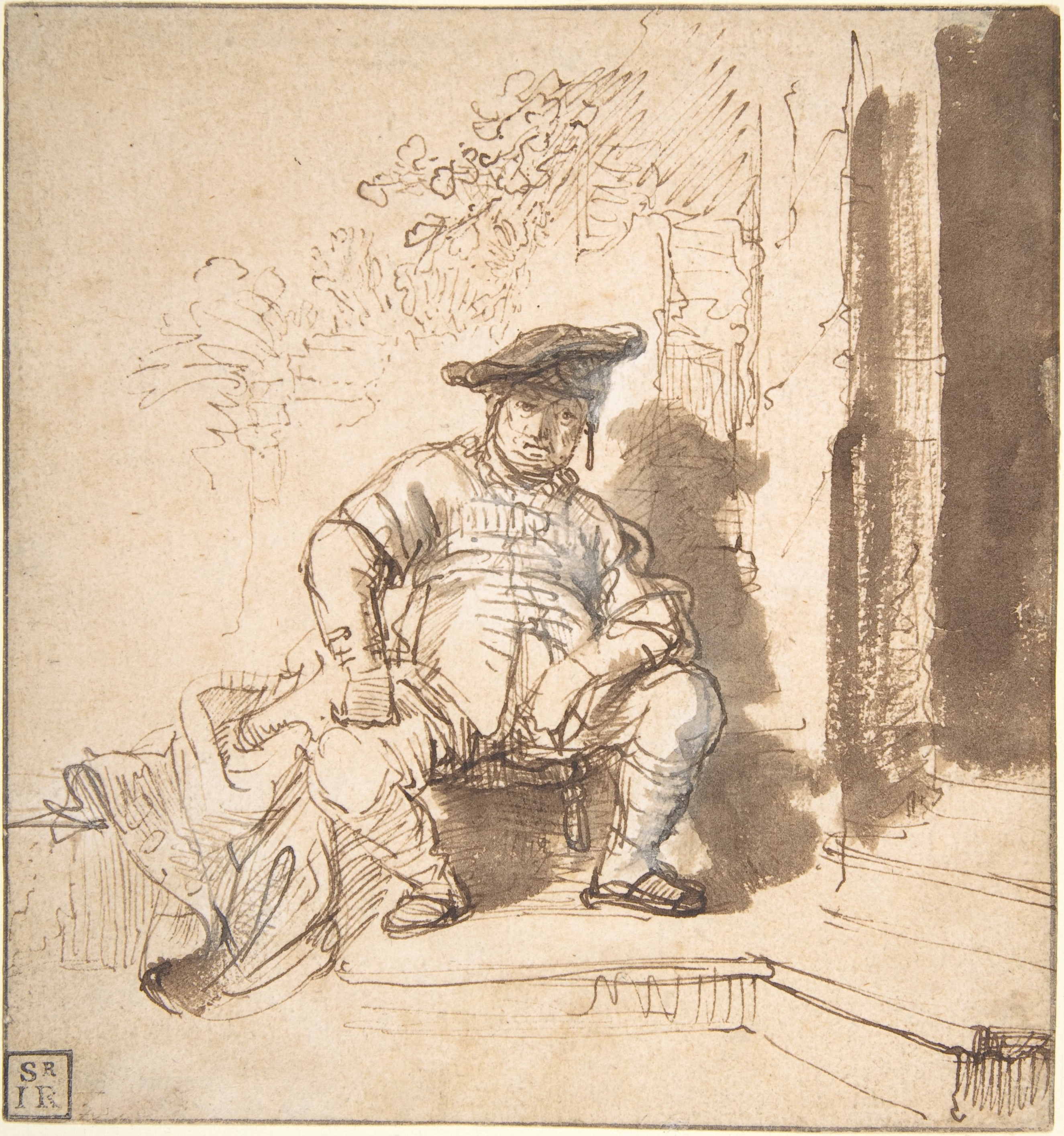
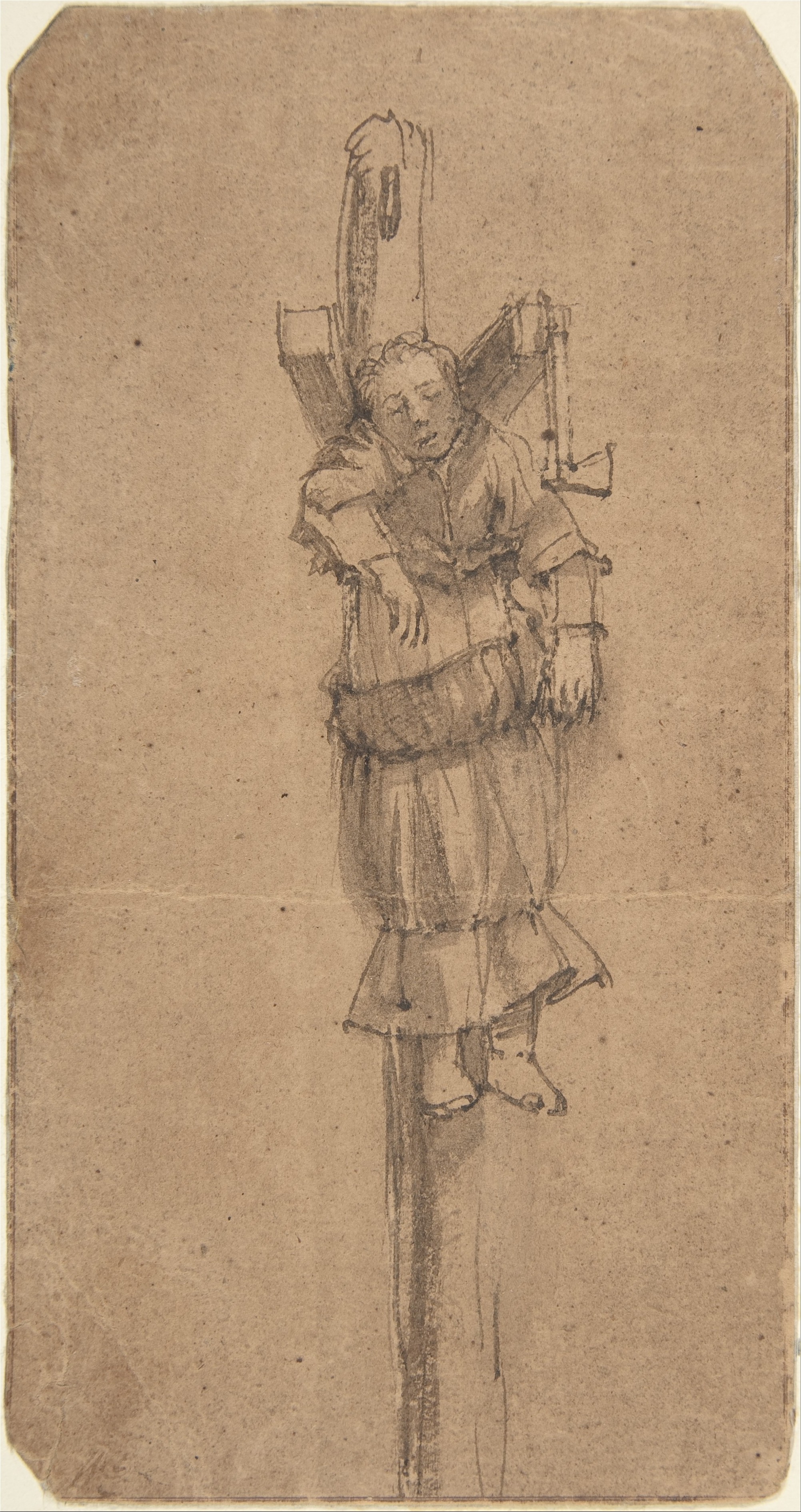
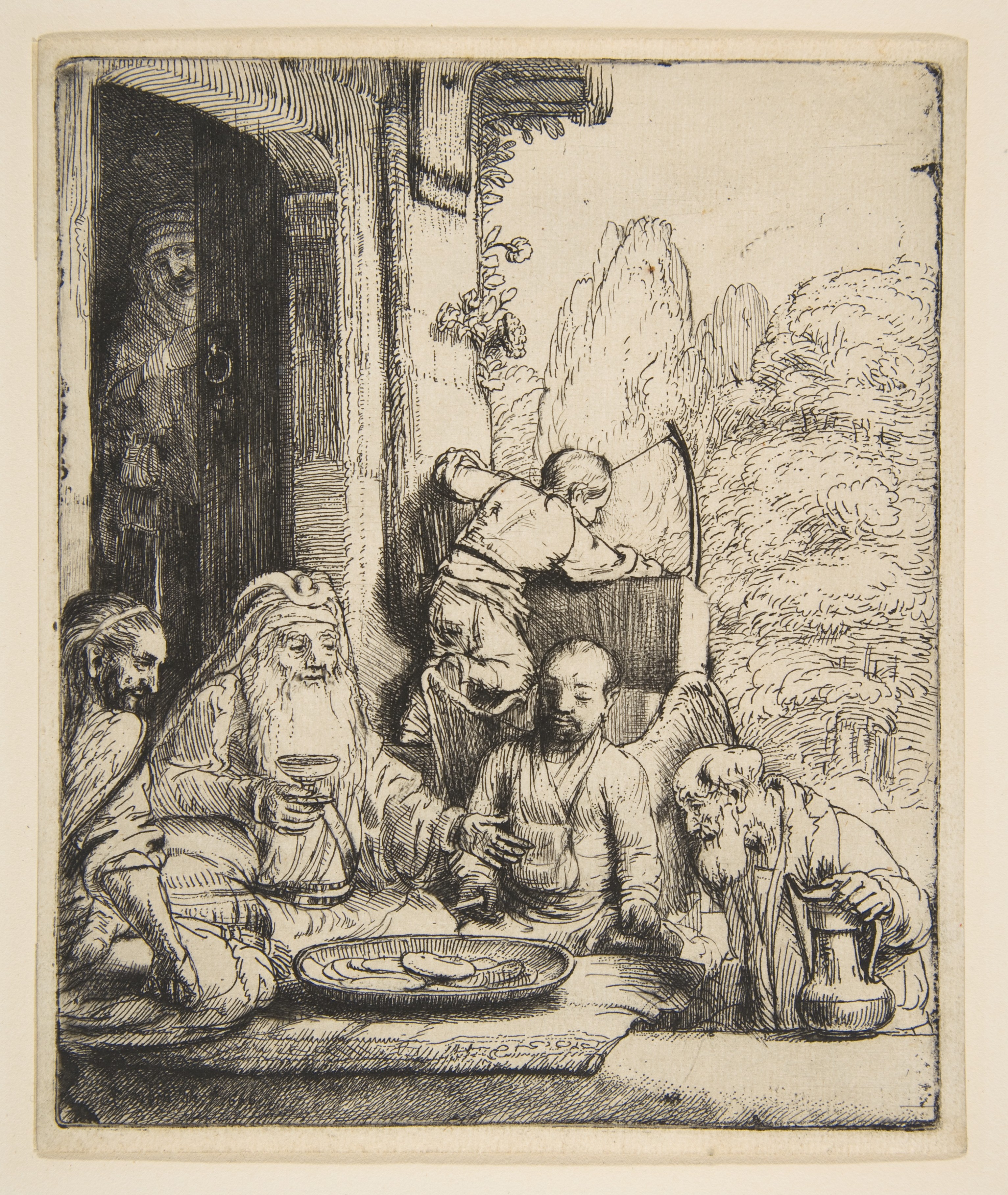
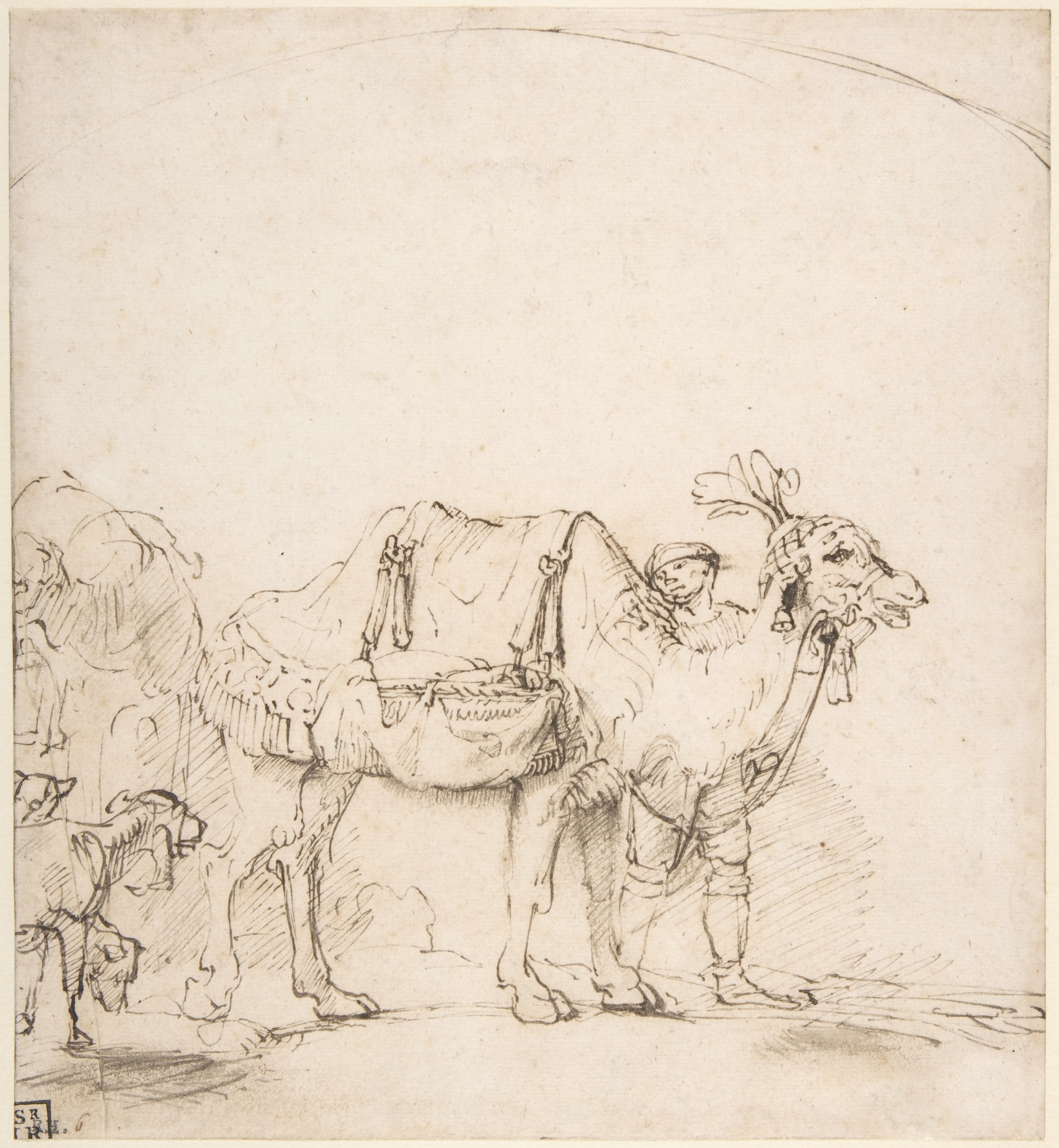
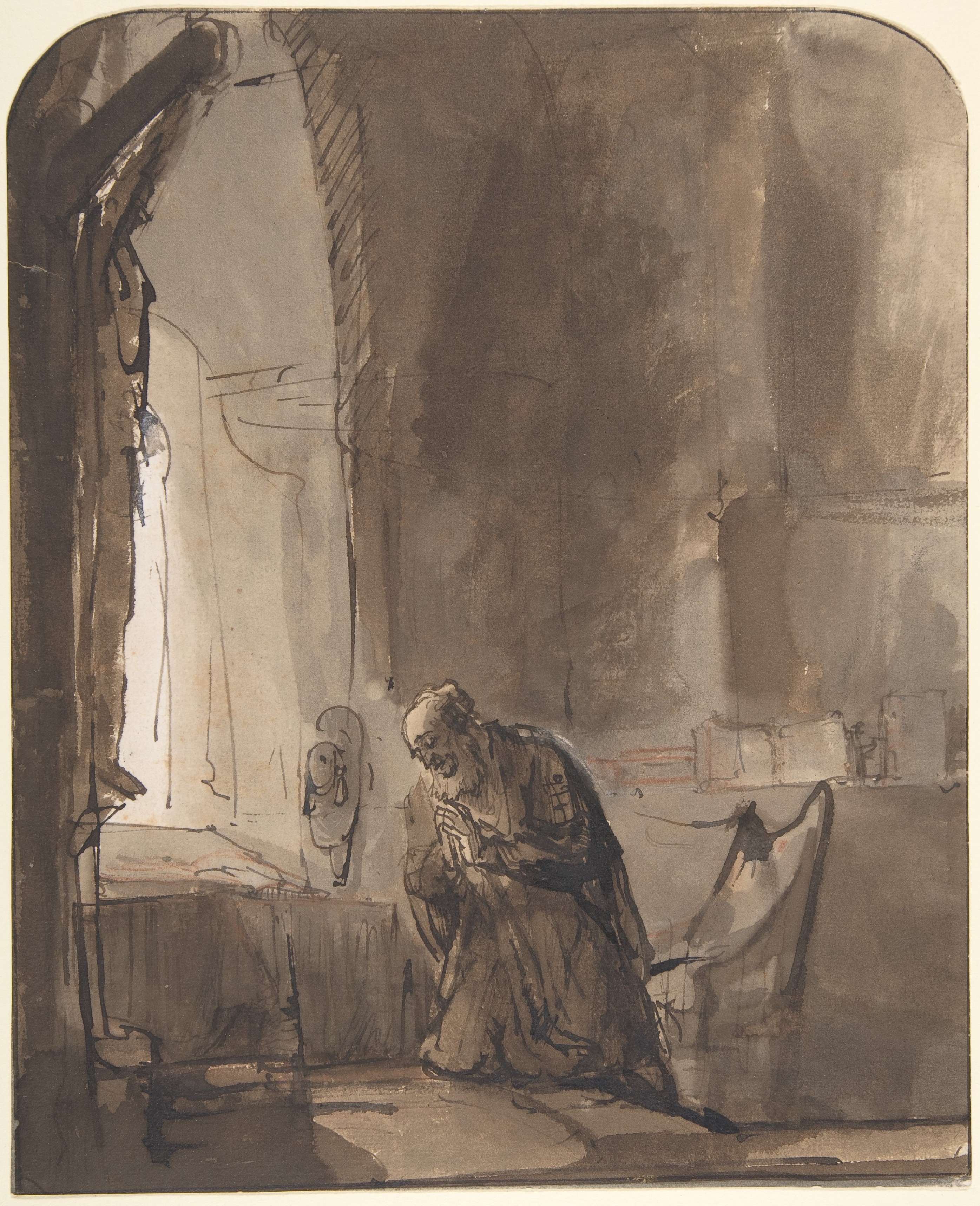
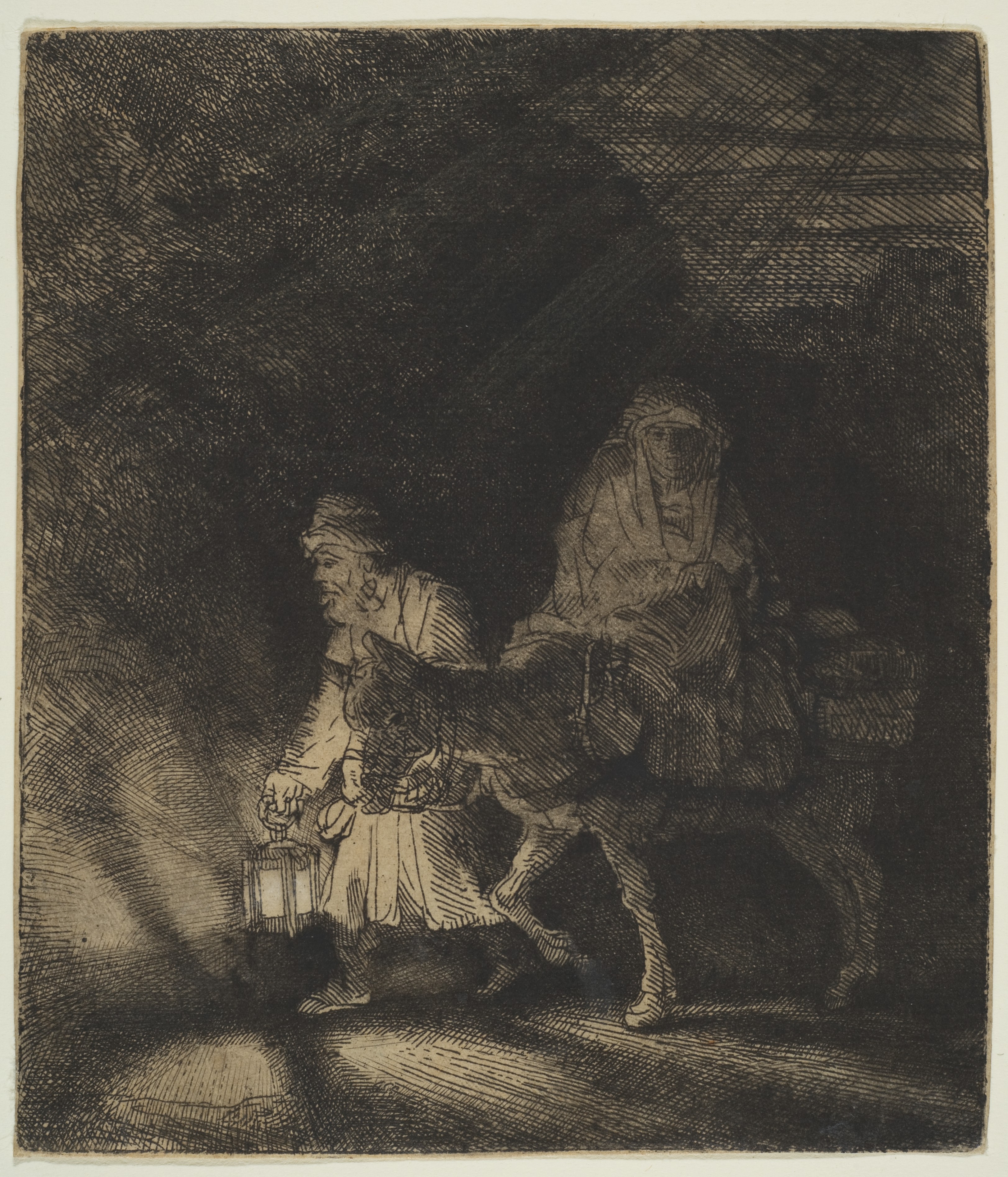
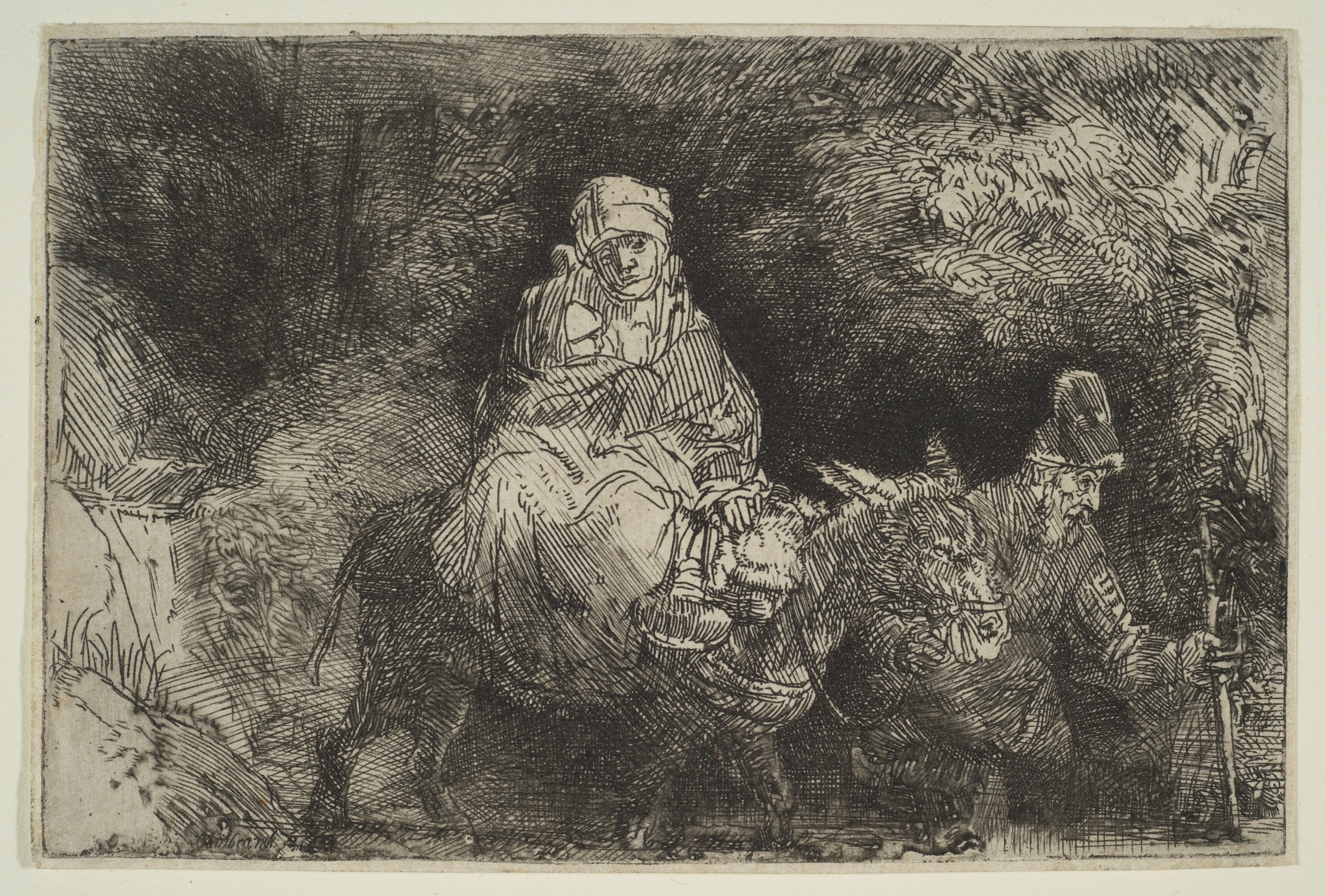
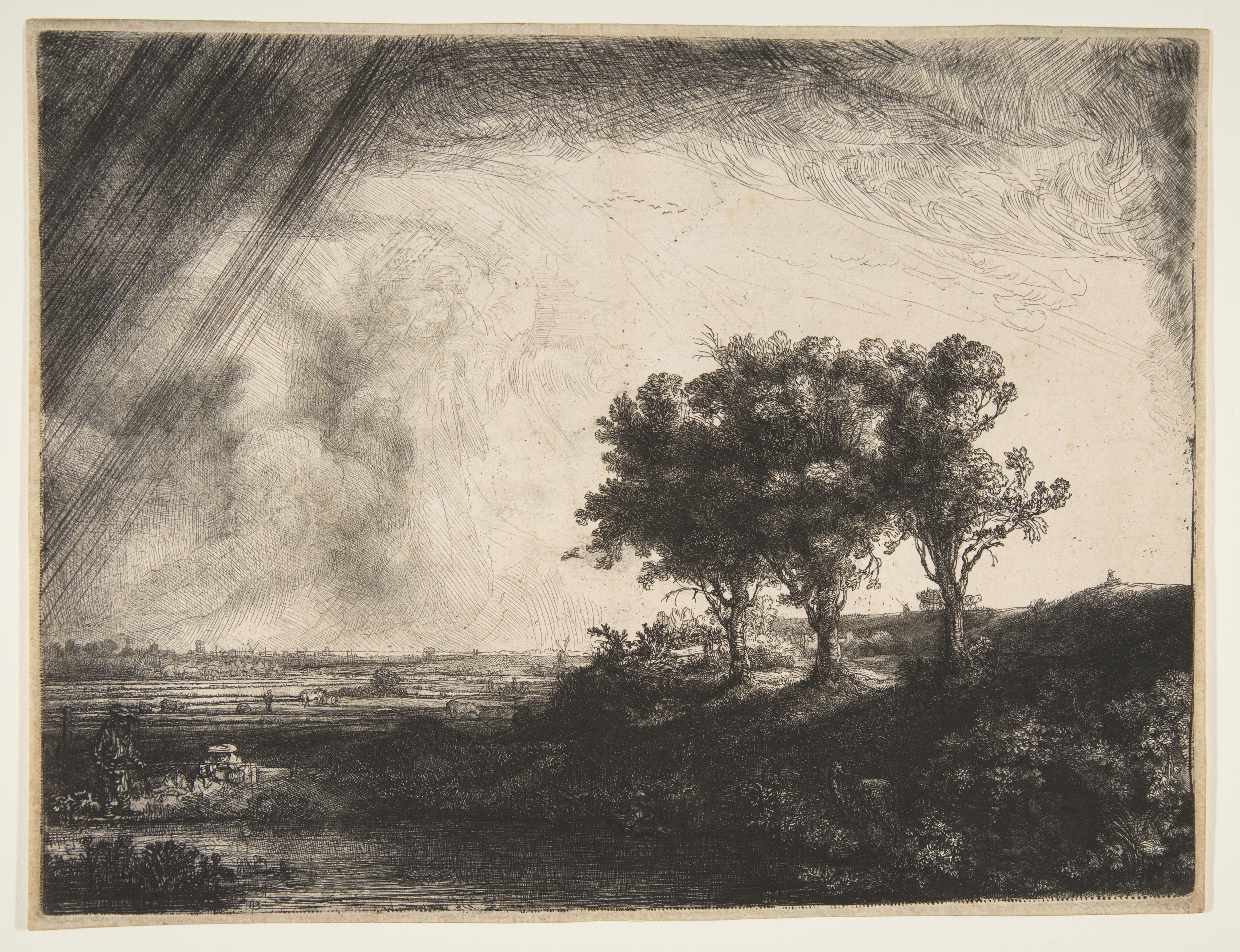
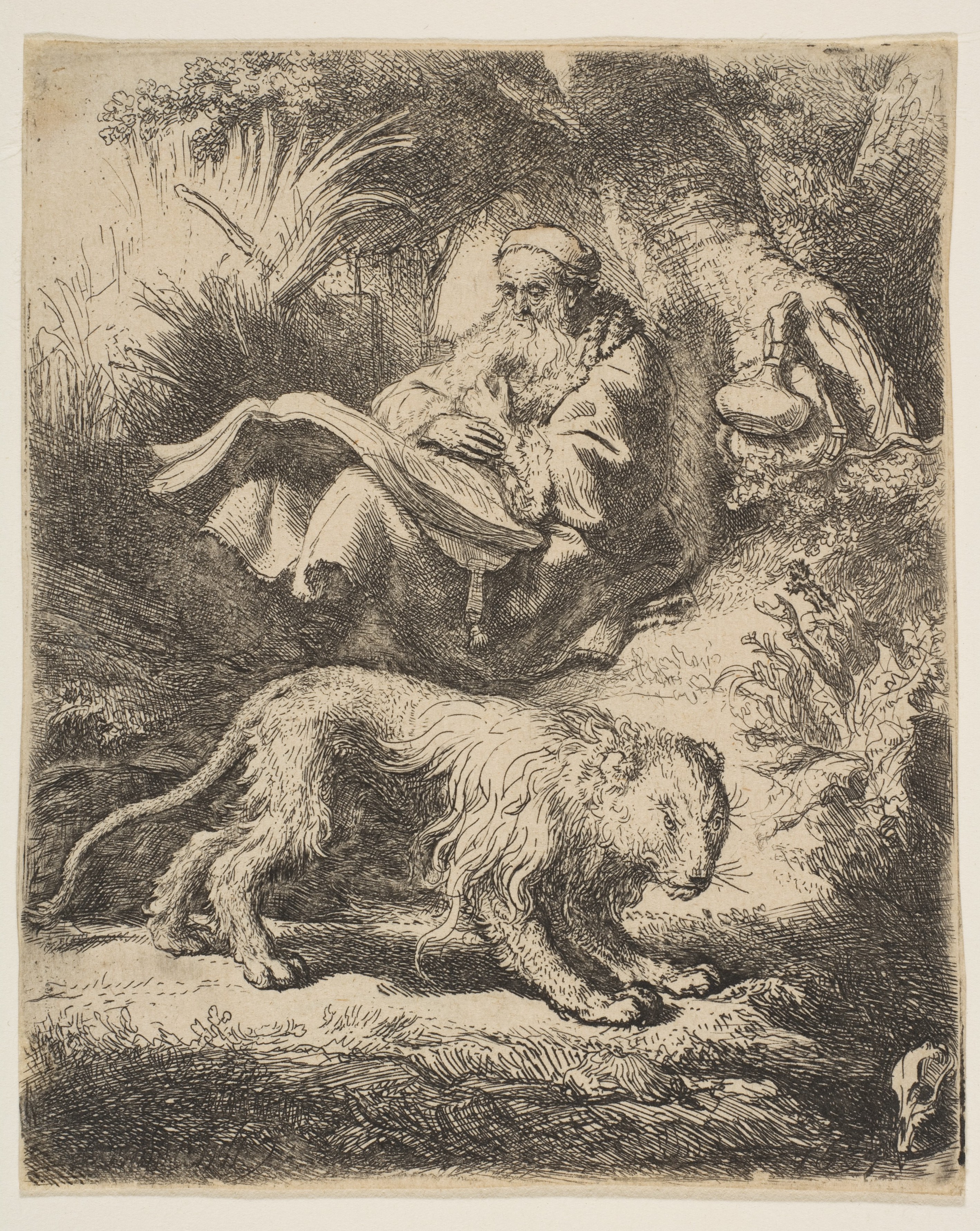
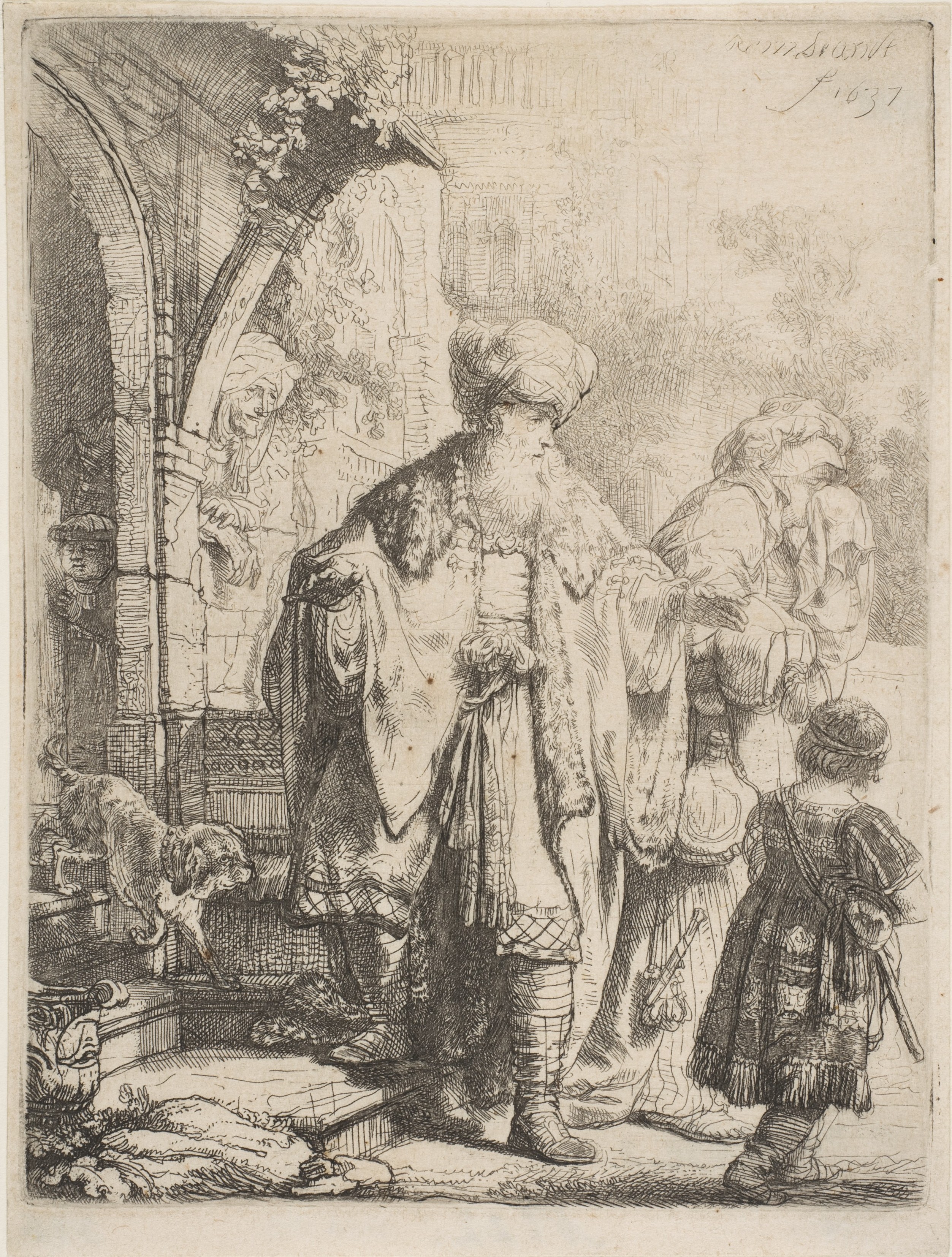
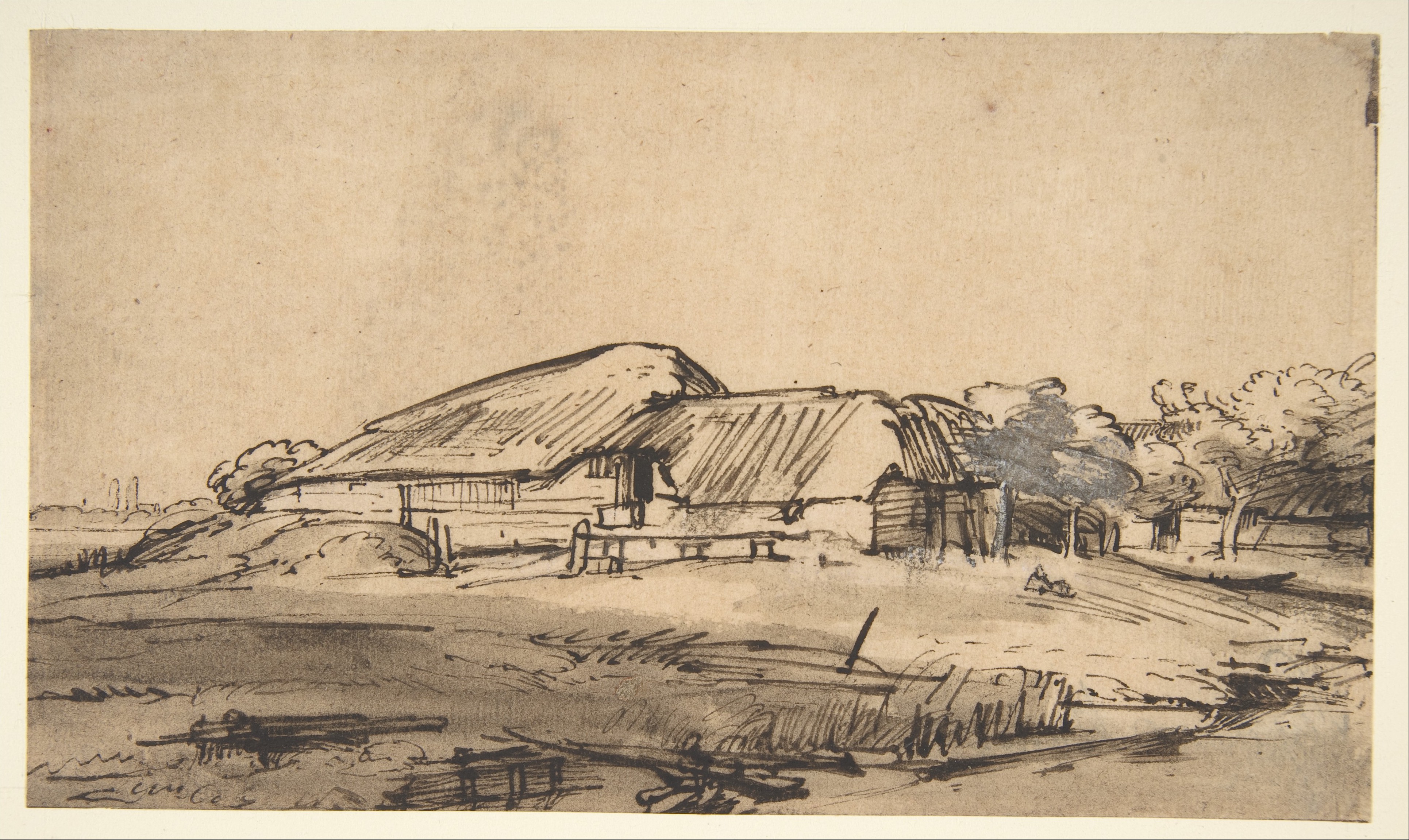
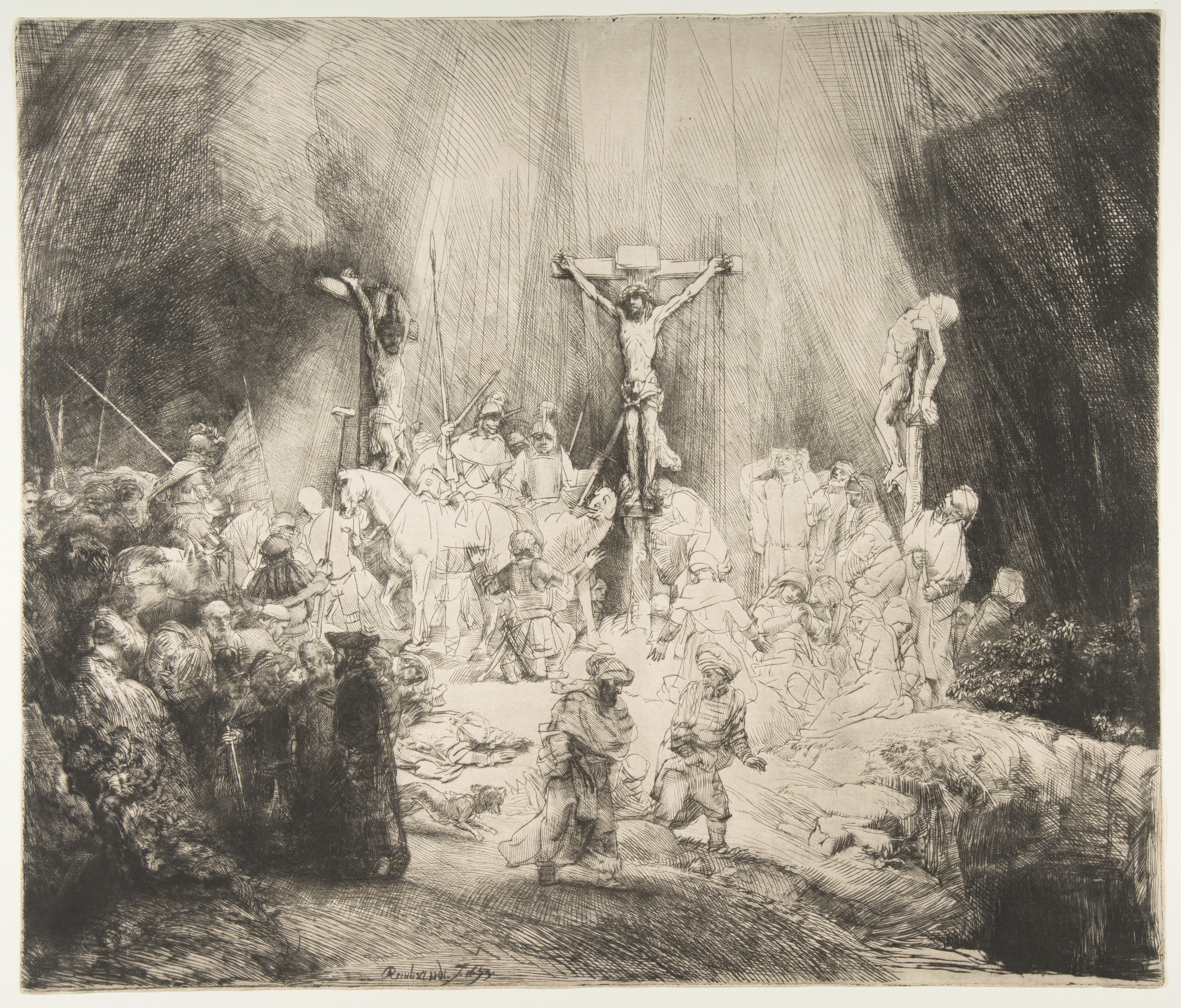
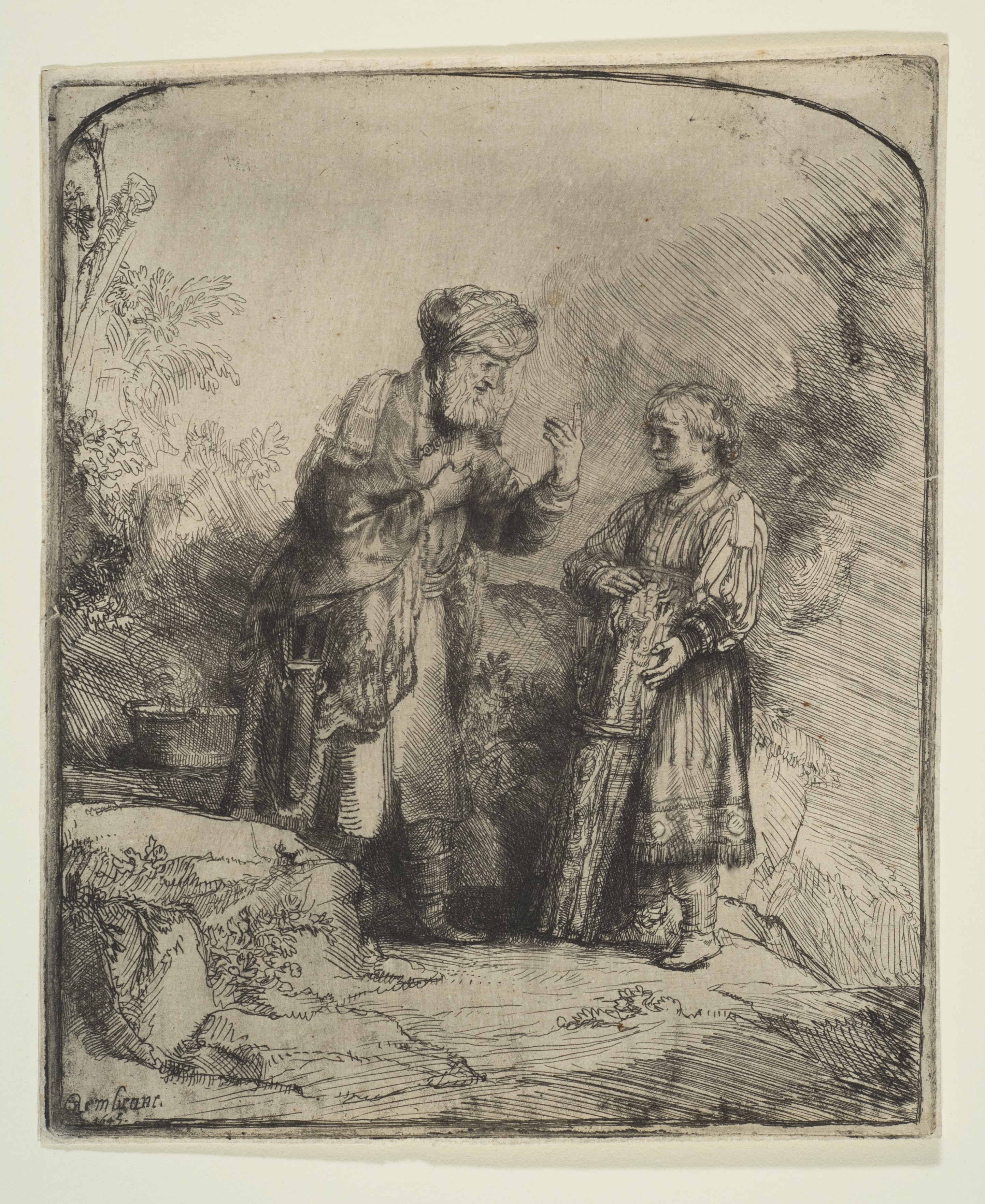
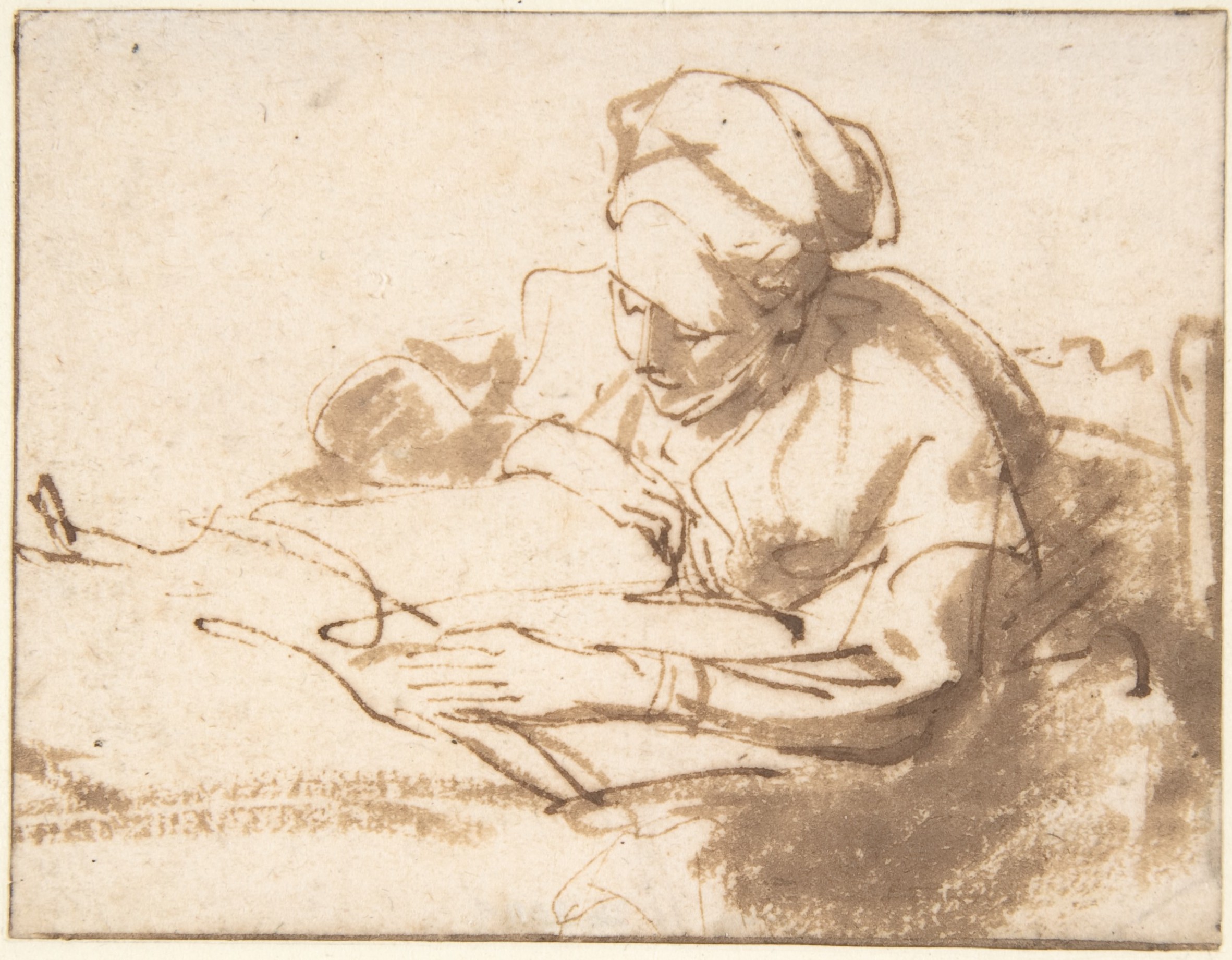
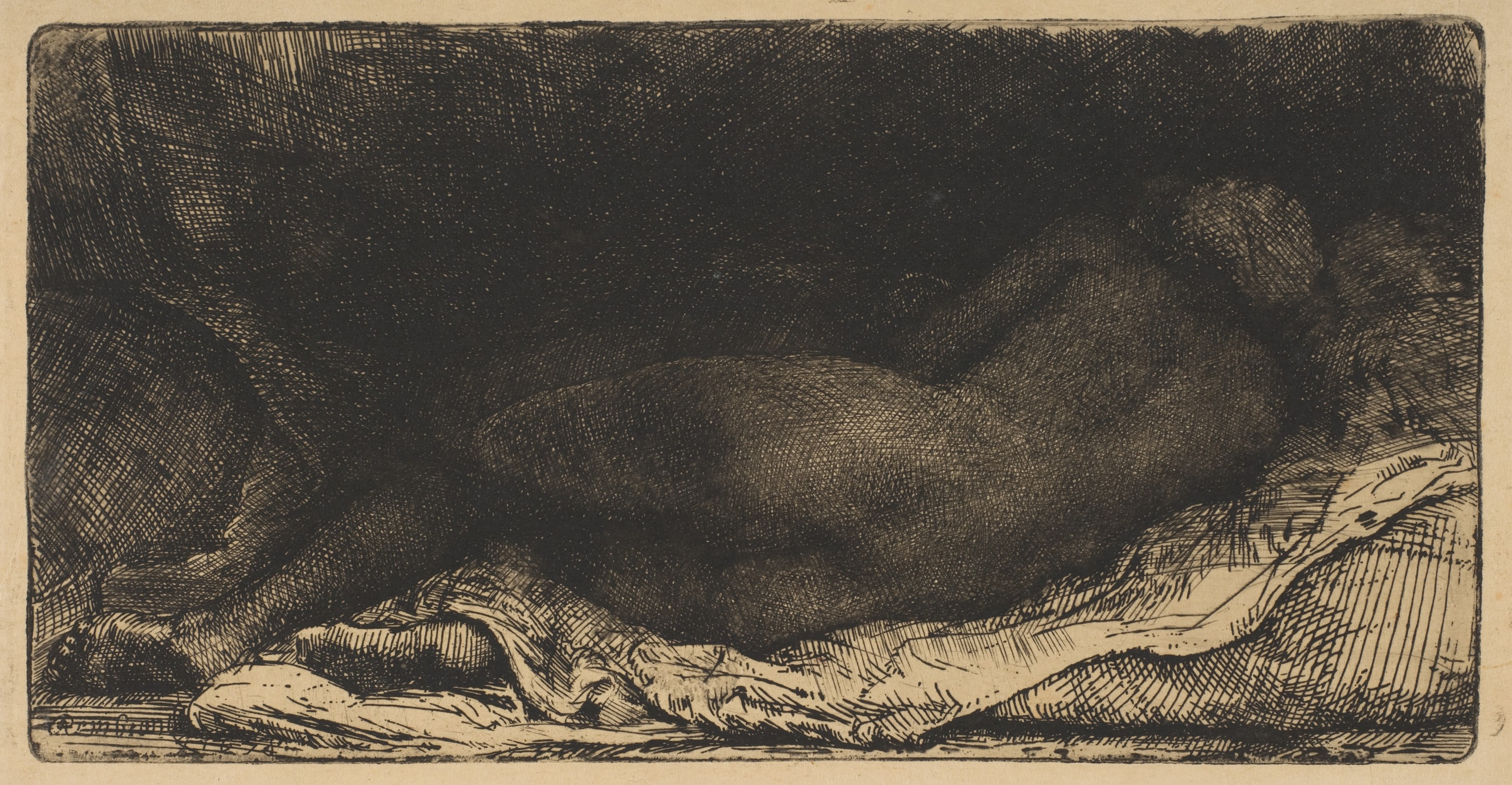
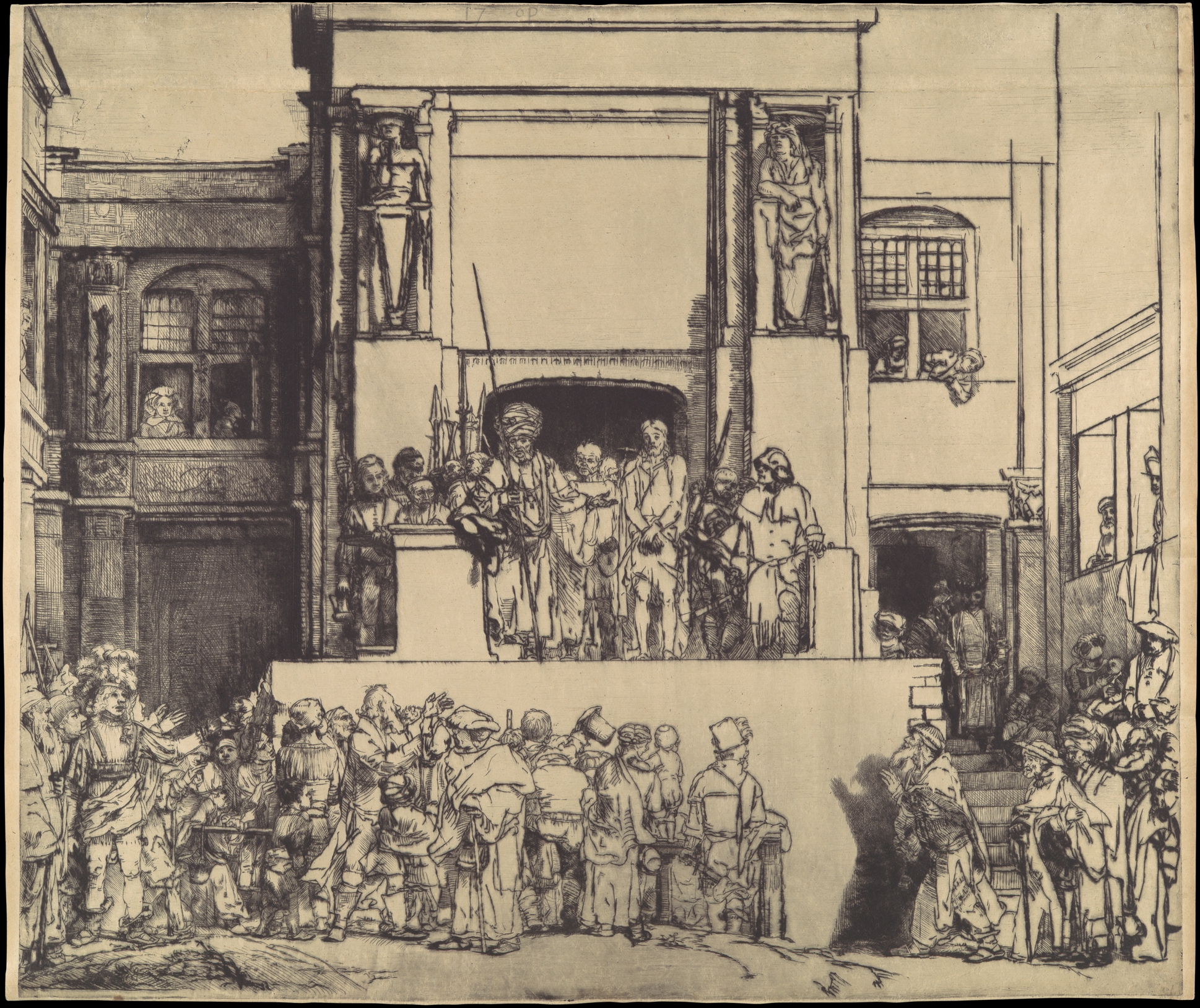
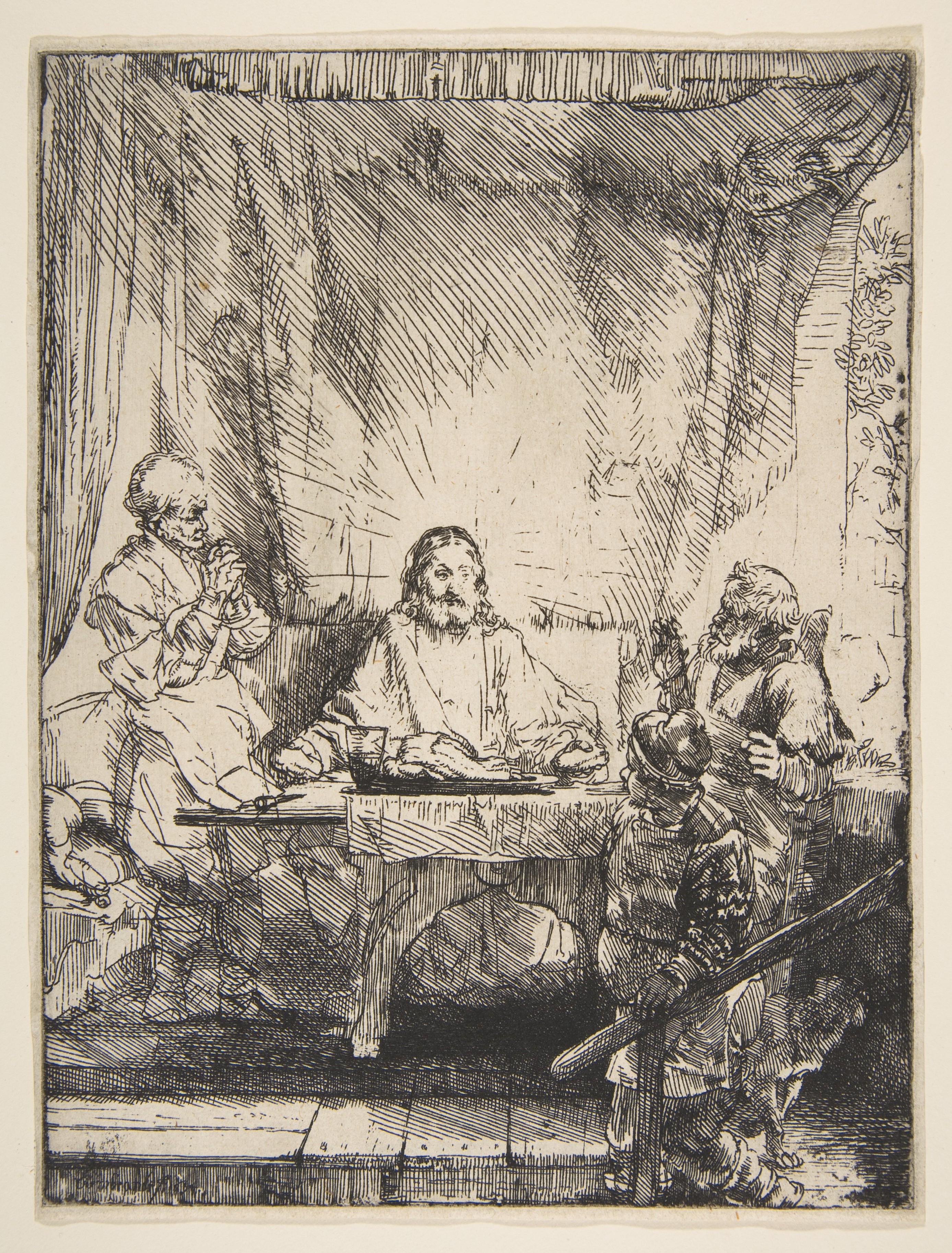
Rembrandt van Rijn created numerous prints, including etchings, drypoints, and engravings. His work "Abraham Casting out Hagar and Ishmael" from 1637 is an etching with touches of drypoint. He also produced "St. Jerome Reading" in 1634, an etching. Later, in 1658, he created "Reclining Female Nude," an etching, drypoint, and engraving on Japanese paper. These works demonstrate his skill across various printmaking techniques and his exploration of different subjects.
Biography
Rembrandt van Rijn was born on July 15, 1606, in Leiden, Dutch Republic. He was the son of Harmen Gerritszoon van Rijn and Neeltje Willemsdr. Zuytbrouck. Rembrandt received his education at Stedelijk Gymnasium Leiden and Leiden University. He worked in both Leiden and Amsterdam, and his residence is now known as the Rembrandt House Museum. He was a painter, draftsperson, printmaker, etcher, and art collector, recognized as an old master of the Dutch Golden Age. His work includes portrait painting, religious painting, mythological painting, genre painting, history painting, self-portraits, and landscape painting. He died in Amsterdam on October 4, 1669. Among his notable works are "The Night Watch" (1642), "Syndics of the Drapers' Guild" (1662), "The Jewish Bride" (1667), "Belshazzar's Feast" (1636), and a "Self-portrait" (1669).
Works